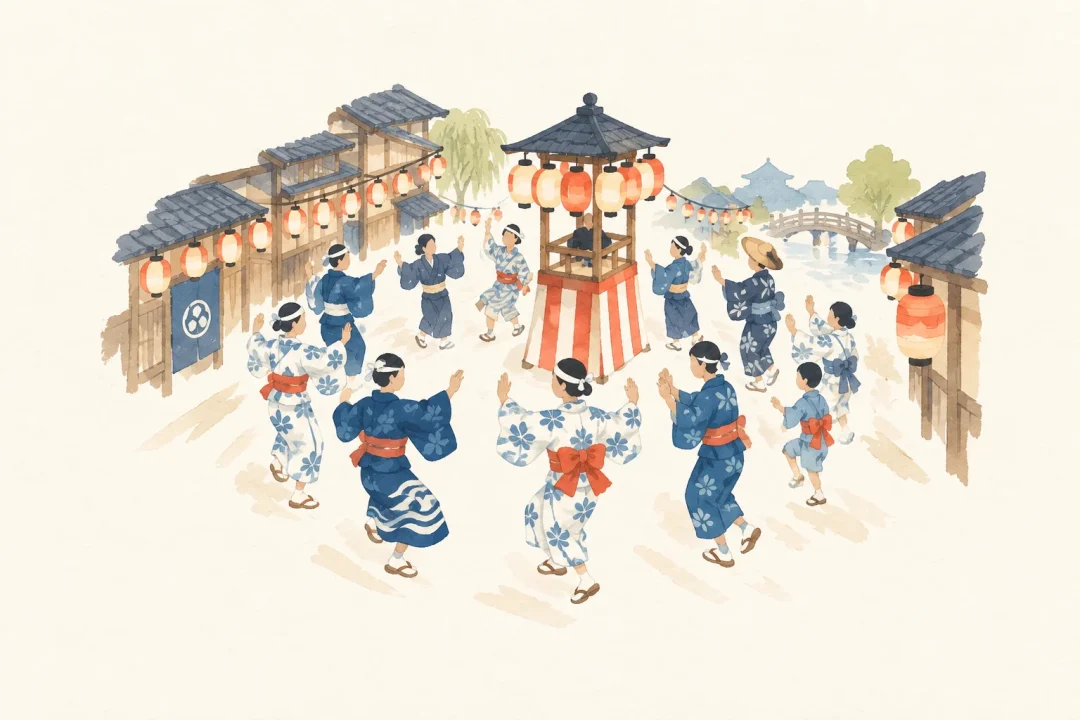
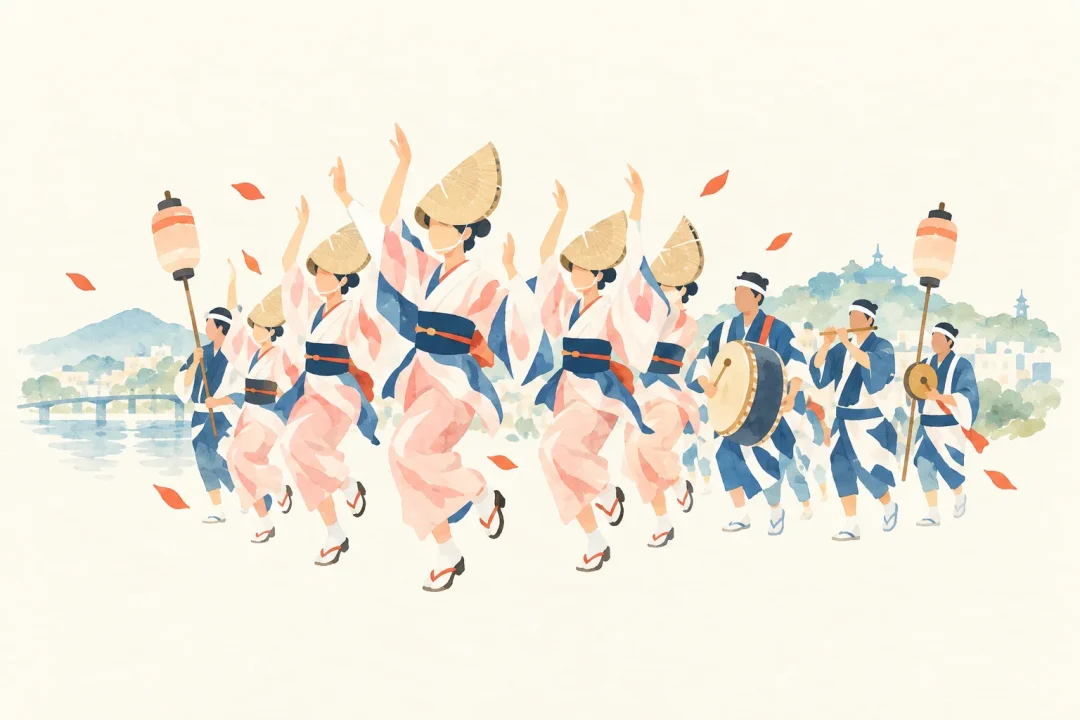
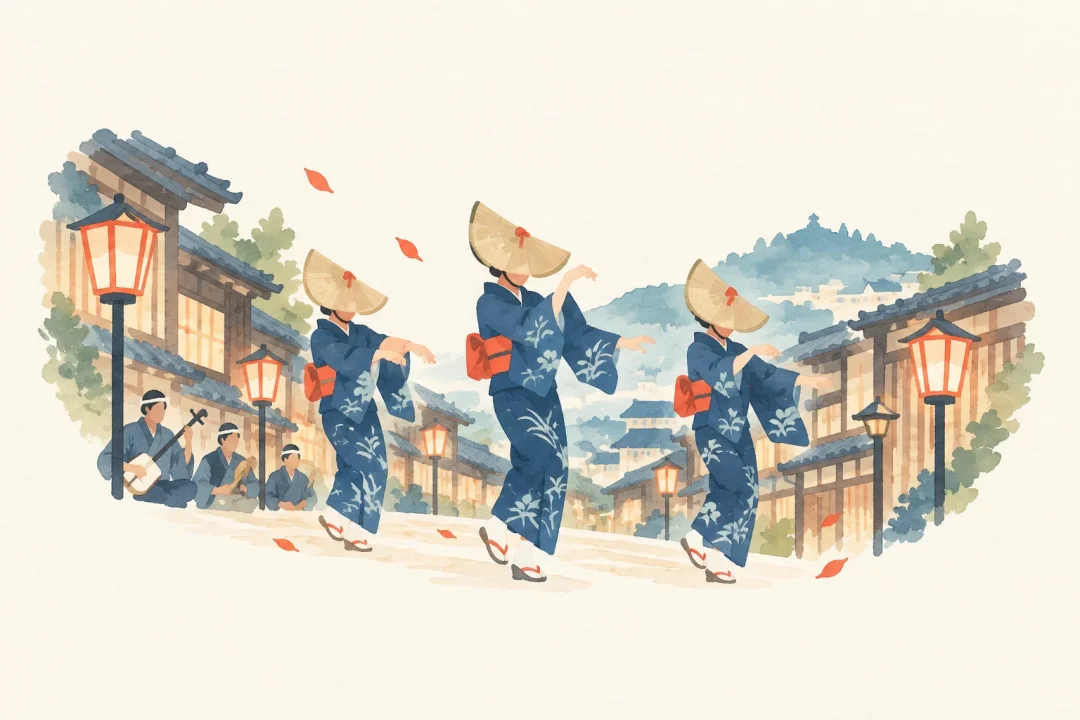
Miura’s hōno procession, featuring traditional performances from each district
Miura Tenmangu Shrine Festival procession
Festival information
EVENT INFORMATION- Season / frequency
- October 19
- Location
- Miura Tenmangu and
- Area
- Ehime Prefecture・Uwajima City(From Tokyo: approx. 1 h 25 min–1 h 45 min · flight time only)Prefecture-level estimate to a main station or airport, not the venue. Airport access, check-in and onward travel are extra; remote areas and islands can take much longer.
- Highlights and activities
- Wishes behind the festival
- Last updated
- 2026/11/12
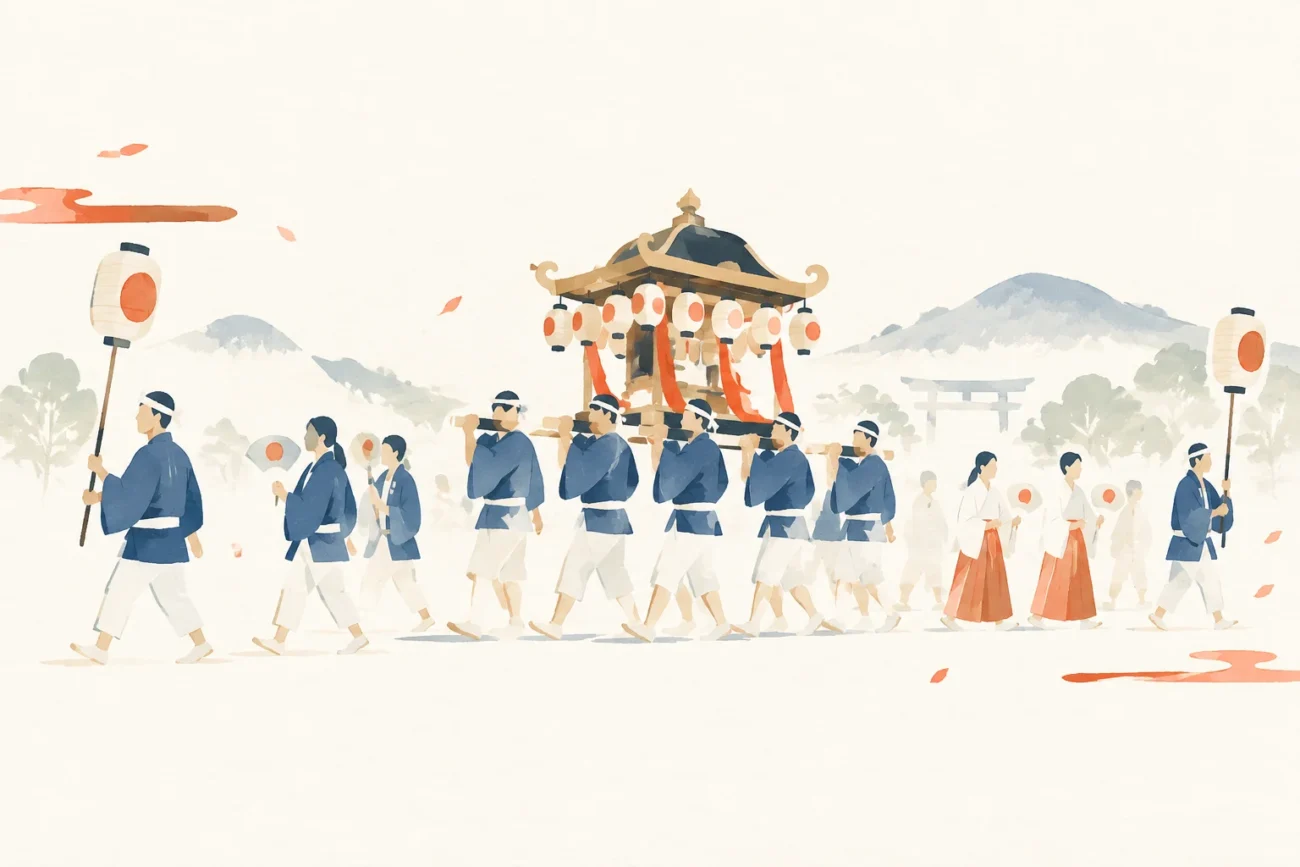
The Miura Tenmangu Shrine Festival procession, passed down in Miura Higashi, Uwajima City, is a festival in which each district presents a variety of performances as the procession moves from the shrine grounds to the otabisho.
About Miura Tenmangu Shrine Festival procession
The Miura Tenmangu Shrine Festival procession is a procession event held in Miura Higashi, Uwajima City, as part of the Tenmangu Shrine Autumn Festival on October 19.
After presenting performances at the shrine grounds, the procession moves to the otabisho and presents them again there.
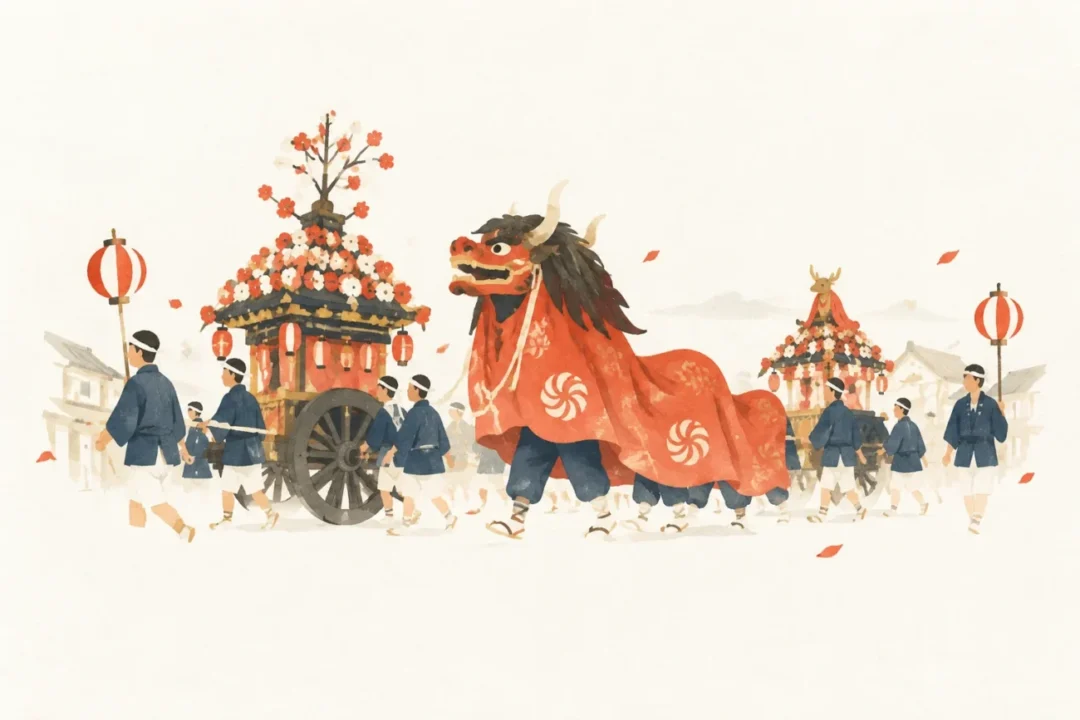
From Oteppo, Oyumi, sumo, deer dancing, Ara Shishi, Momotaro, Oeyama, Yo(i)sa, to ushioni, the many performances led by neighborhood associations in each district preserve traditional forms.
Festival highlights
A highlight is the sequence of performances, each handled by a different district.
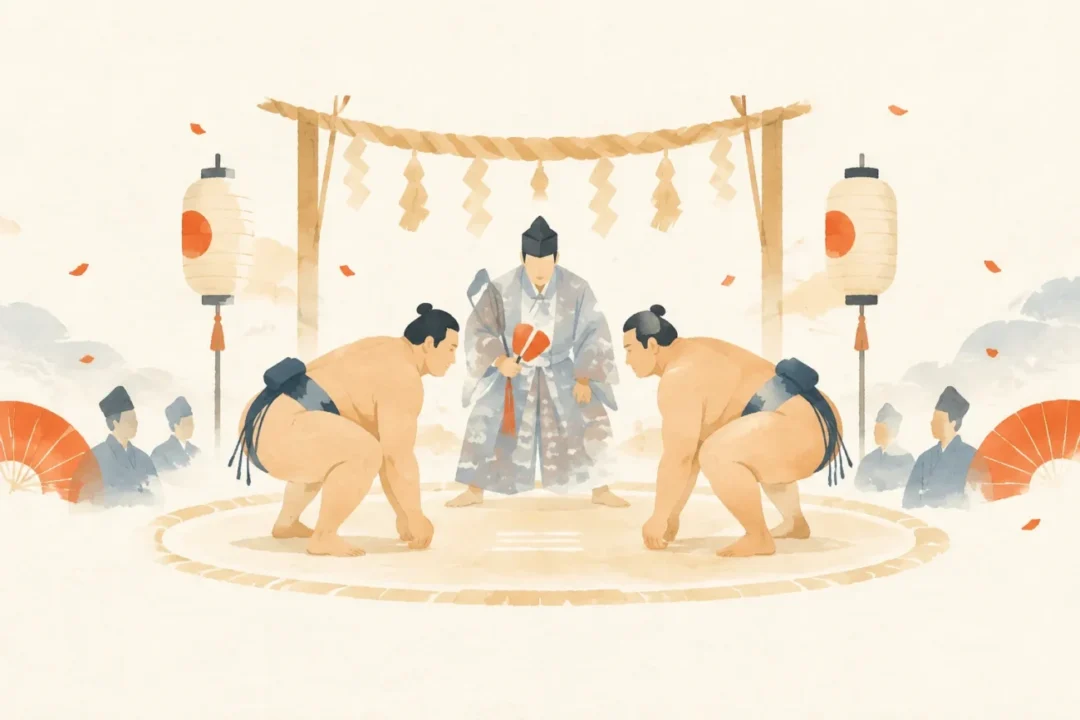
In the sumo procession, an elementary-school boy serves as referee and recites an announcement; 10 wrestlers perform sumo jinku songs and ring-entry ceremonies, and 5 pairs take part in hōno sumo matches.
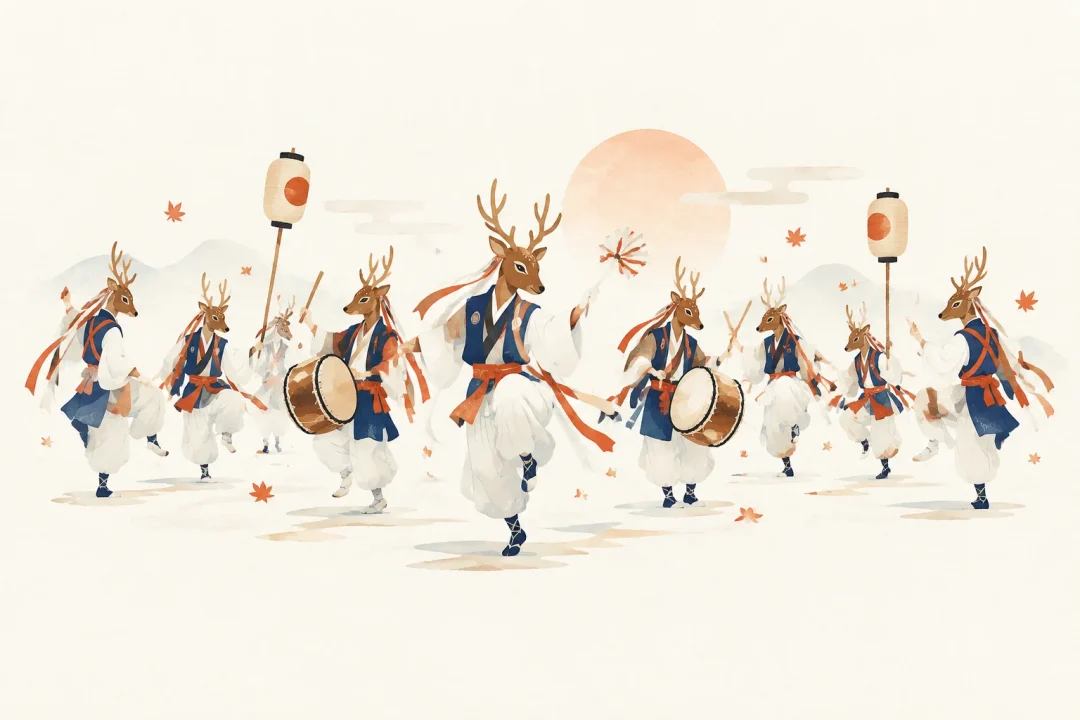
The deer dance features five deer—4 males and 1 female—and is distinguished by a 6-beat rhythm unique to this area.
At the end, 3 ushioni move through the procession and are said to drive away evil spirits.
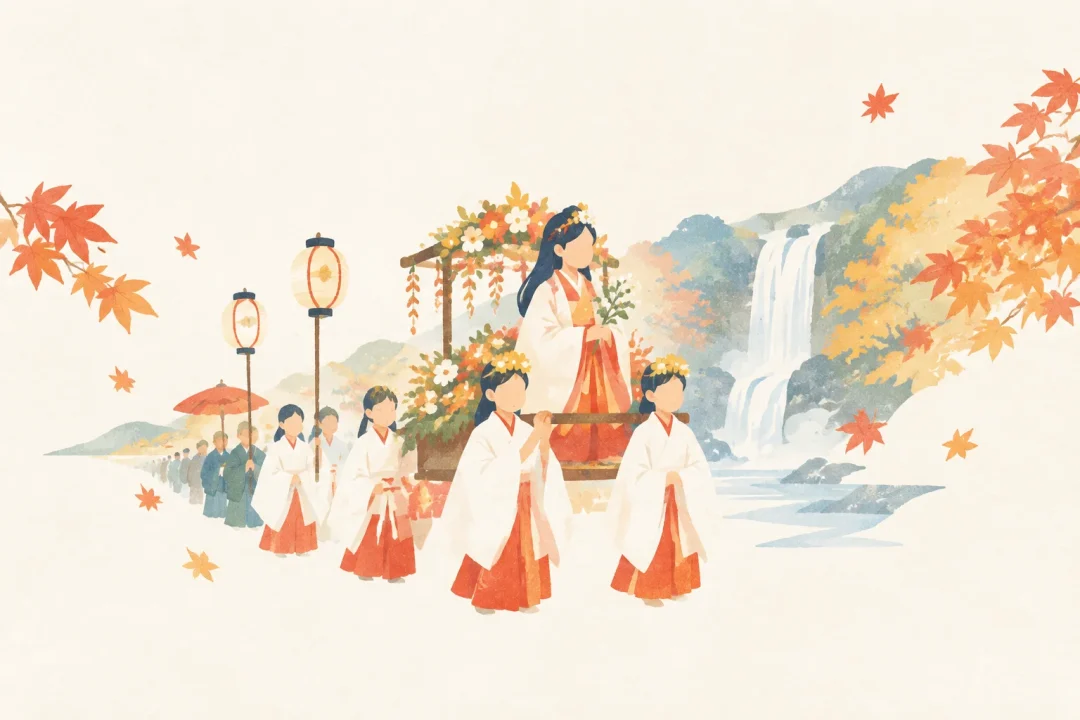
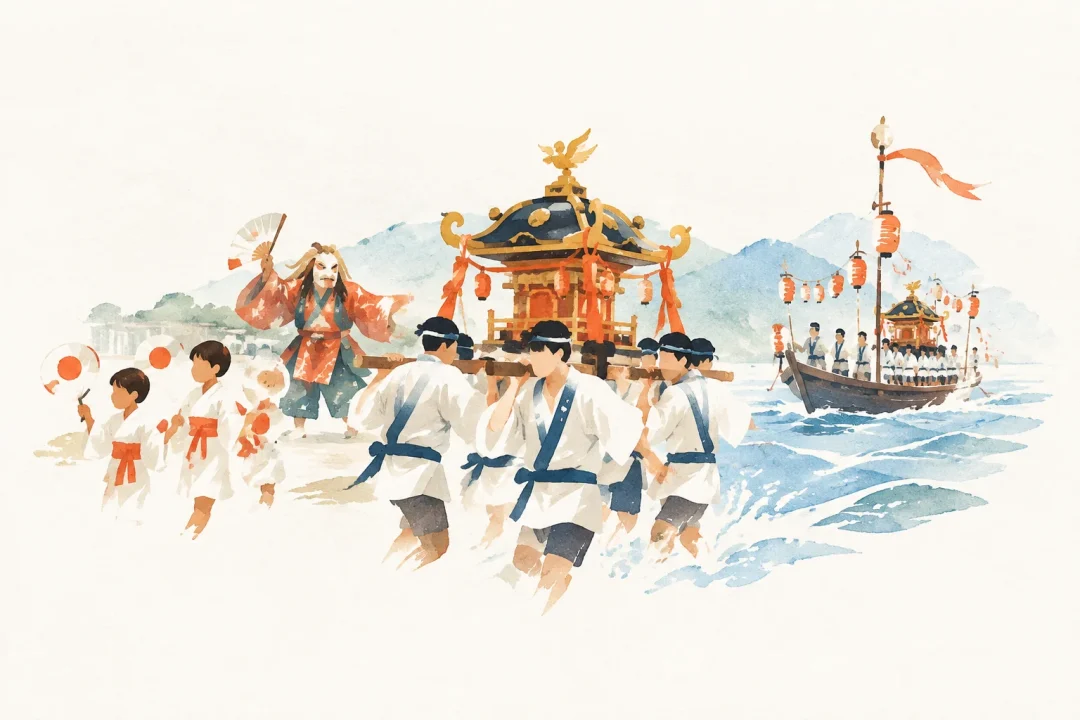
Miura’s hōno procession, featuring traditional performances from each district
What to expect
The procession begins with Oteppo and Oyumi in the lead as guards, followed by sumo, deer dancing, Ara Shishi, Momotaro, Oeyama, Yo(i)sa, and ushioni.
Ara Shishi is performed by 2 young men, with musicians and roles for the Tokusuke couple also included.
For Momotaro and Oeyama, 6 elementary school students dress up in a full set of weapons and armor. In Yo(i)sa, 25–30 adults carry a , while 4 children ride on it and beat .
Location and access
- Venue and address
Miura Tenmangu Shrine grounds and otabisho (Miura Higashi, Uwajima City)
Address Miura Higashi, Uwajima City
Dates and season
- Season
October 19
Accommodation and hotels PR
Showing nearby accommodation.
Prices and availability are current at the time of retrieval. For multi-night stays, only the first night’s price is shown. Confirm the final price and directions to the venue with the booking provider. Select your dates again when using the area search link. Search area: within 3 km of Central Ehime Prefecture / Uwajima City (the search is not centered on the festival venue)
Nearby attractions

和霊神社
愛媛県宇和島市和霊町に鎮座する神社

天赦園
愛媛県宇和島市にある日本庭園

宇和島城
愛媛県の城
写真:Original uploader was Vickerman625 at en.wikipedia / Public domain
Photo source ·
宇和島市立伊達博物館
愛媛県の博物館・美術館のスポットです。
写真:京浜にけ at Japanese Wikipedia / CC BY-SA 3.0
Photo source ·
宇和島市立歴史資料館
愛媛県の博物館・美術館のスポットです。
Origins and History of Miura Tenmangu Shrine Festival procession
No records documenting the origin of the procession as a whole have been confirmed. However, a Miura Tanaka family document from Tenpo 15 (1844) describes the sumo rites of Ouchiura, the Yoiyasa of Funagakushi, and the ushioni of Chiyoura.
For this reason, the festival procession is believed to have begun before 1844.
In Heisei 12April 18, the Miura Tenmangu Shrine Festival procession was designated an intangible folk cultural property by the prefecture.
Official information
Ehime Prefecture official website, “Ehime Cultural Properties (Treasures),” Miura Tenmangu Shrine Festival procession
Miura Tenmangu Shrine Festival procession at a Glance
The Miura Tenmangu Shrine Festival procession is a prefecture-designated intangible folk cultural property passed down in Miura Higashi, Uwajima City.
As the procession moves from the shrine grounds to the otabisho, performances include guards, the procession, sumo, deer dancing, , costumed characters, mikoshi, and ushioni.
A document from 1844 contains related descriptions, and the festival is believed to have continued since before then, with each district’s role still alive in the tradition.
Sources and references
Japanese Festivals.jp Editorial Team
Celebrating local culture and helping you discover a side of Japan you never knew.
Article updated: 2026/11/12