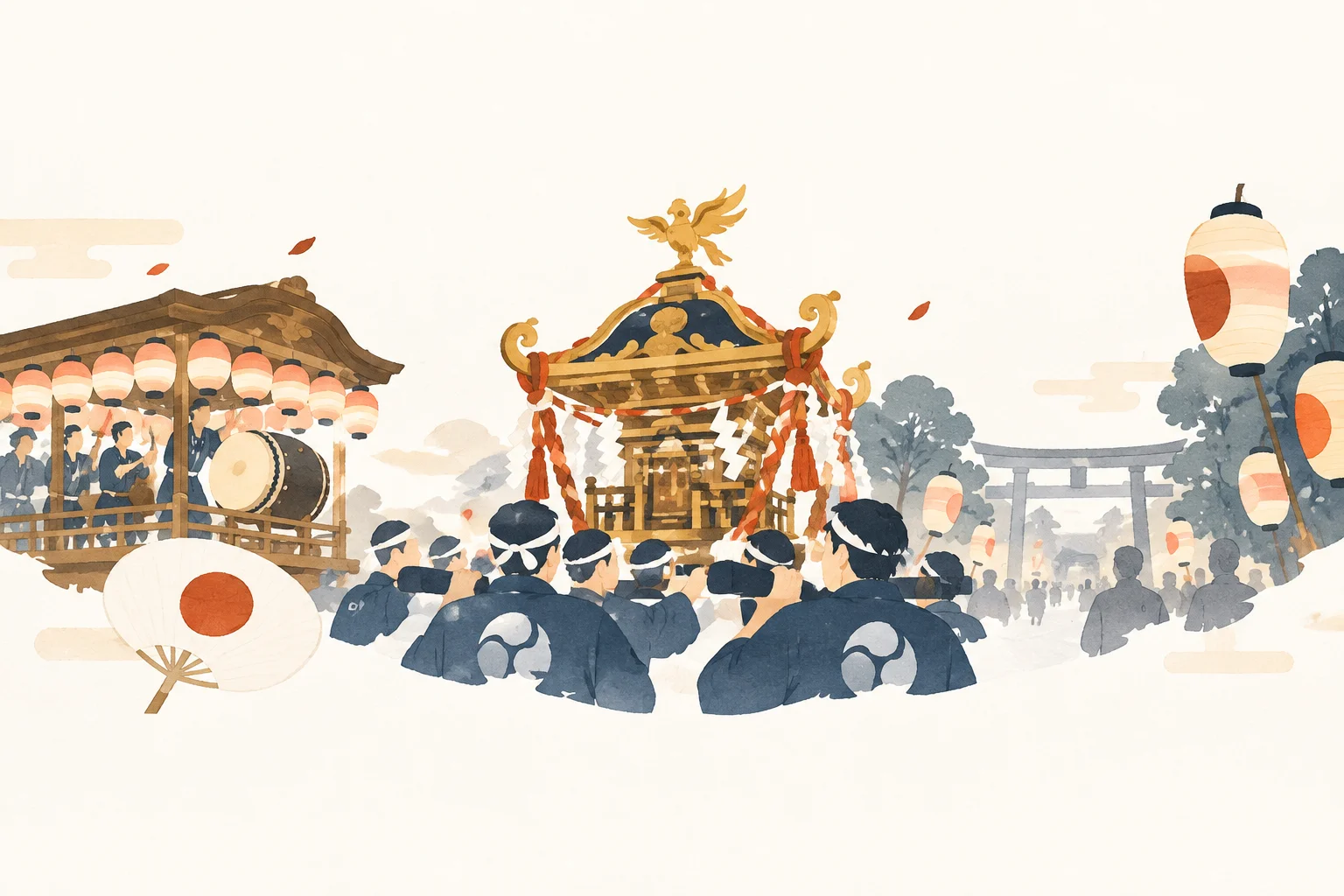
Mikoshi and large drums moving through the darkness—a traditional festival alive in Fuchu
Kurayami Festival
Festival information
EVENT INFORMATION- Season / frequency
- April 30–May 6
- Area
- Tokyo Metropolis・Fuchu City(Within Tokyo: approx. 15 min–1 h by train (central areas))Prefecture-level estimate to a main station or airport, not the venue. Airport access, check-in and onward travel are extra; remote areas and islands can take much longer.
- Highlights and activities
- Participation / viewing
- Spectators welcome
- Official website / social media
- Official website
- Last updated
- 2026/10/19
This grand annual festival fills the streets of Fuchu with , large drums, , and sacred horses, with Okunitama Shrine at its heart.
About Kurayami Festival
Photo credits and terms of use
Photographer: 江戸村のとくぞう File:Okunitama-jinja-24.jpg / Wikimedia Commons / CC BY-SA 4.0 Own work by the contributorDisplay size only adjusted.May differ from the event currently featured.Photo credits and terms of use
Photographer: 江戸村のとくぞう File:Okunitama-jinja-44.jpg / Wikimedia Commons / CC BY-SA 4.0 Own work by the contributorDisplay size only adjusted.May differ from the event currently featured.Photo credits and terms of use
Photographer: 江戸村のとくぞう File:Okunitama-jinja-29.jpg / Wikimedia Commons / CC BY-SA 4.0 Own work by the contributorDisplay size only adjusted.May differ from the event currently featured.The Kurayami Festival is the grand annual festival held at Okunitama Shrine in Fuchu, Tokyo.
A wide range of Shinto rites and events, including the purification rite, Keiba-shiki, dashi procession, and mikoshi procession, continue from April 30 to May 6.
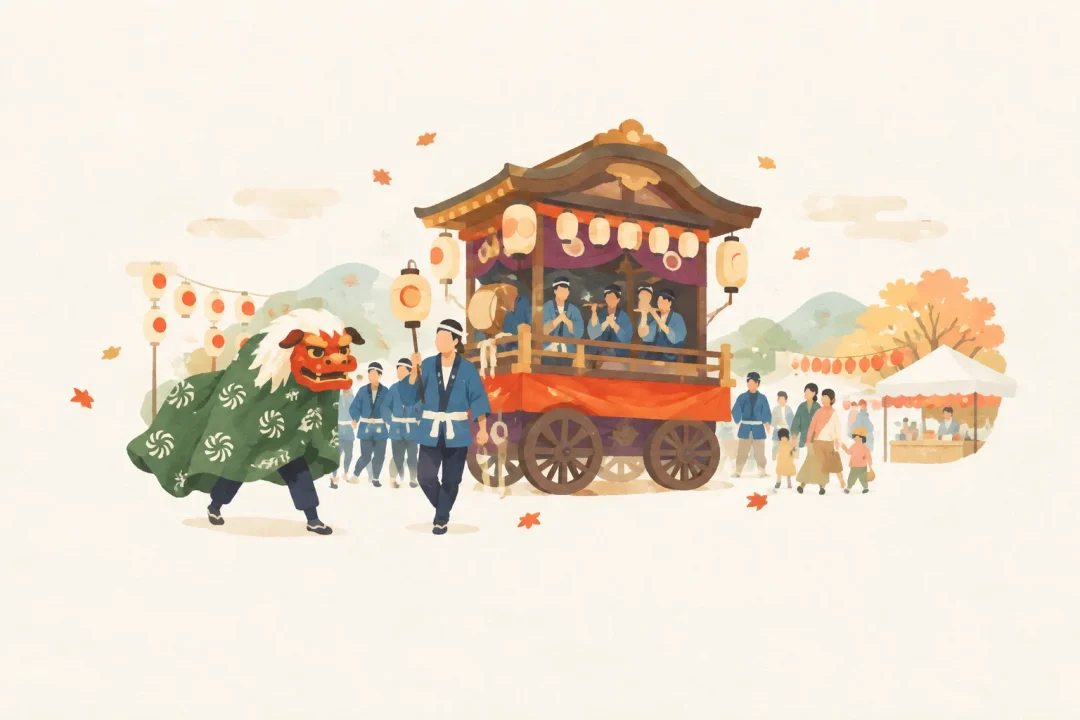
During the mikoshi procession on May 5, 8 mikoshi head to the , led by large drums.
It is a community-rooted festival in which the streets of Fuchu and the shrine come together.
Source: くらやみ祭|大國魂神社 / 大國魂神社 例大祭「くらやみ祭」 東京都府中市ホームページ
Festival highlights
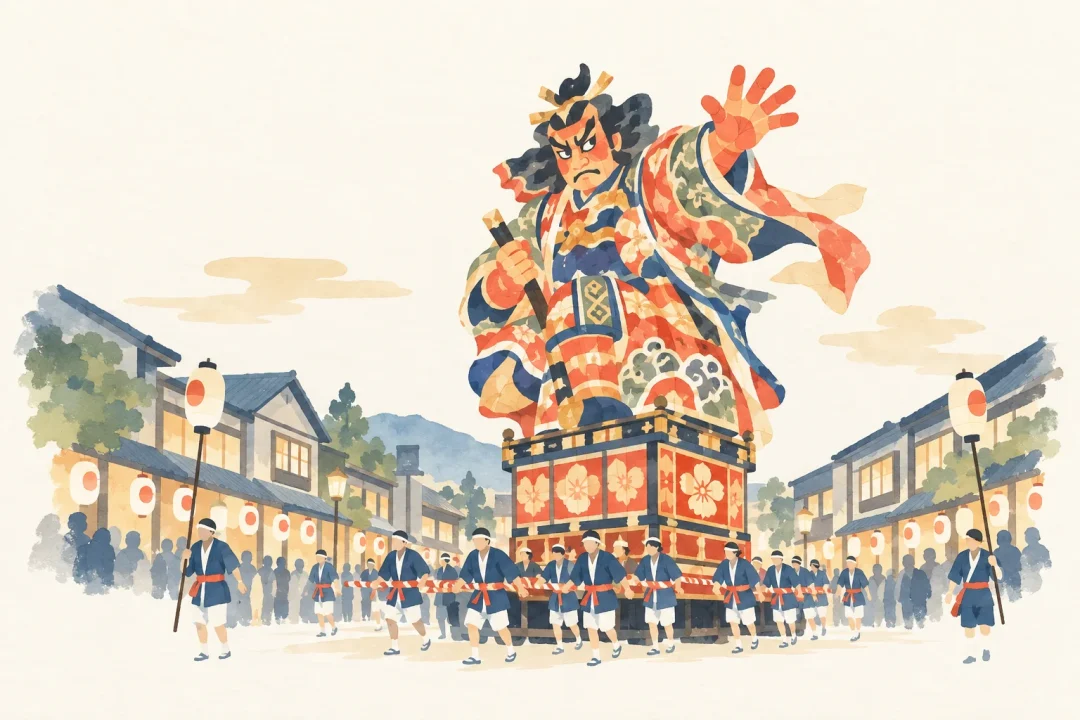
Highlights include the Keiba-shiki, in which 4 sacred horses run along the Old Koshu Kaido; around 20 children’s mikoshi; powerful large drums; and a dashi procession featuring 22 floats moving to competing festival music.
On May 5, 8 mikoshi, led by 6 large drums, make their procession to the Otabisho.
Dashi illuminated by lanterns and the mikoshi procession, which begins with a fireworks signal, are major highlights of the festival.
Mikoshi and large drums moving through the darkness—a traditional festival alive in Fuchu
What to expect
The festival begins with the Shinagawa Kaijo -harai-shiki on April 30. During the festival period, events include a rite to polish a mirror, the Kisei-sai prayer for clear weather, the Keiba-shiki, the Manto Competition, and a drum performance.
On May 5, the route is purified and the deity’s spirit is transferred to the mikoshi; the mikoshi procession then takes place at night.
Early the following morning, on the 6th, the mikoshi leave the Otabisho, tour the local neighborhoods, and return to the shrine.
How to take part
The mikoshi togyo and dashi procession can be watched from along the route and around the jinja.
There are also events organized by local groups, such as the children's mikoshi and the Mando competition, but no information is provided about how general visitors can carry a mikoshi or sign up to participate.
As some shrine rituals are not open to the public, it is best to check where and when visitors may watch before you go.
Location and access
- Venue and address
Events are held mainly at Ōkunitama Jinja (3-1 Miyamachi, Fuchu, Tokyo), as well as along the former Koshu Kaido and Keyaki Namiki-dori.
- Train and bus
A 5-minute walk from the south exit of Fuchu Station on the Keio Line.
A 5-minute walk from Fuchu-Hommachi Station on the JR Nambu and Musashino lines.
- By car
From Inagi IC on the Chuo Expressway, it is about 10 minutes toward central Fuchu; from Fuchu Smart IC, it is about 10 minutes.
- Parking
Free parking is available for shrine visitors.
Traffic restrictions and congestion are expected during the festival, so visitors are advised to use public transportation.
Source: 交通のご案内|大國魂神社(東京・府中)
Event venue 東京都府中市 大國魂神社を中心に
This map uses the venue name. Check the official guide for the event area and entrances.
Dates and season
- Season
April 30–May 6
Accommodation and hotels PR
Showing nearby accommodation.
Prices and availability are current at the time of retrieval. For multi-night stays, only the first night’s price is shown. Confirm the final price and directions to the venue with the booking provider. Select your dates again when using the area search link. Search area: within 3 km of Central Tokyo Metropolis / Fuchu City (the search is not centered on the festival venue)
Tips for your visit
Traffic restrictions are in effect from May 3 through the 6th, and access through the east and west torii gates may be unavailable during the mikoshi togyo.
If you plan to watch the evening mikoshi togyo or the early-morning mikoshi kangyo, check the start time and viewing location for each event in advance.
Some shrine rituals from April 30 to May 2 are not open to the public.
Nearby attractions
The approach to Okunitama Shrine, the festival venue, is lined with zelkova trees designated as a Natural Monument.
The dashi procession takes place mainly along the Old Koshu Kaido and Keyaki Namiki-dori, so you can enjoy a walk through central Fuchu along with a visit to the shrine.
During the festival, the Fuchu Tourism Association sets up a temporary information desk in front of Foris, where related products are sold and pamphlets distributed.

大國魂神社
東京都府中市の神社

多磨霊園
東京都の霊園
Origins and History of Kurayami Festival
As part of the historical background of the Kurayami Festival, the Keiba-shiki is said to have originated as an event in which horses were gathered and run around Fuchu so that the provincial governor could select fine horses to present to the imperial court.
Today, the Keiba-shiki is not a race to determine speed or finishing order, but an event that preserves an old tradition.
The Manto Competition also began in Showa 54 (1979) and has been carried on as an event in which local youth associations compete in craftsmanship and skill.
Official information
The official event guide from Okunitama Shrine lists the events and times from April 30 to May 6.
Fuchu City’s official website provides information about the main highlights, traffic restrictions, temporary bicycle parking, and other event details.
As the event approaches, check announcements from the organizers and local authorities for the latest schedule for 2027 and any changes on the day.
Kurayami Festival at a Glance
The Kurayami Festival is Fuchu’s grand annual festival, centered on Okunitama Shrine, featuring mikoshi, drums, dashi, sacred horses, and more.
In particular, the evening mikoshi procession on May 5 and the mikoshi return procession the following morning are signature events of the festival.
Other highlights include a variety of events passed down through generations and local communities, such as the Keiba-shiki, the Manto Competition, and children’s mikoshi.
Japanese Festivals.jp Editorial Team
Celebrating local culture and helping you discover a side of Japan you never knew.
Article updated: 2026/10/19
Submit information or a correction Submit photos of this festival