A mountain mikoshi passed down in the community, carried in procession from Takaku Shrine to Mount Koma
Koma Mountain Mikoshi
Festival information
EVENT INFORMATION- Season / frequency
- The period leading up to the spring
- Location
- From the grounds of Takaku Shrine to the site of Daidō (the Upper Shrine) at the summit of Mount Koma
- Area
- Kanagawa Prefecture・Oiso Town(From Tokyo: approx. 30 min–1 h · train)Prefecture-level estimate to a main station or airport, not the venue. Airport access, check-in and onward travel are extra; remote areas and islands can take much longer.
- Features
- Last updated
- 2026/11/11
The Koma Mountain is a ritual of the Koma district in which the mikoshi is carried in procession from Takaku Shrine to the site of Daidō (the Upper Shrine) at the summit of Mount Koma.
About Koma Mountain Mikoshi
The Koma Mountain Mikoshi is a ritual held at Takaku Shrine in Koma, Oiso Town, before the spring reisai.
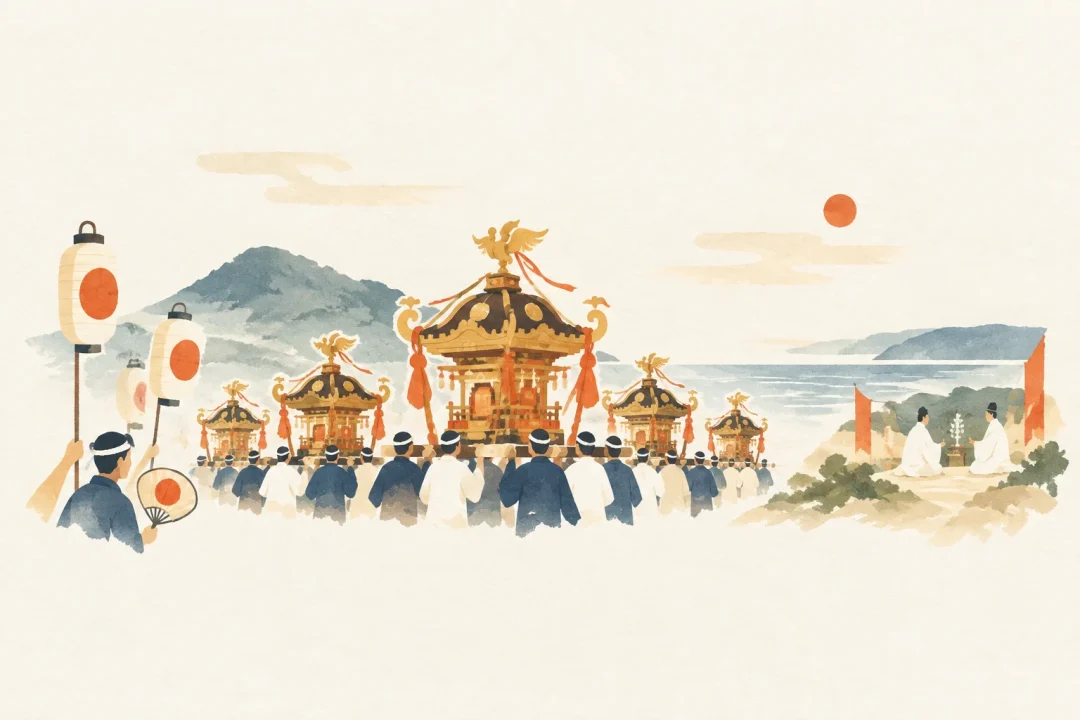
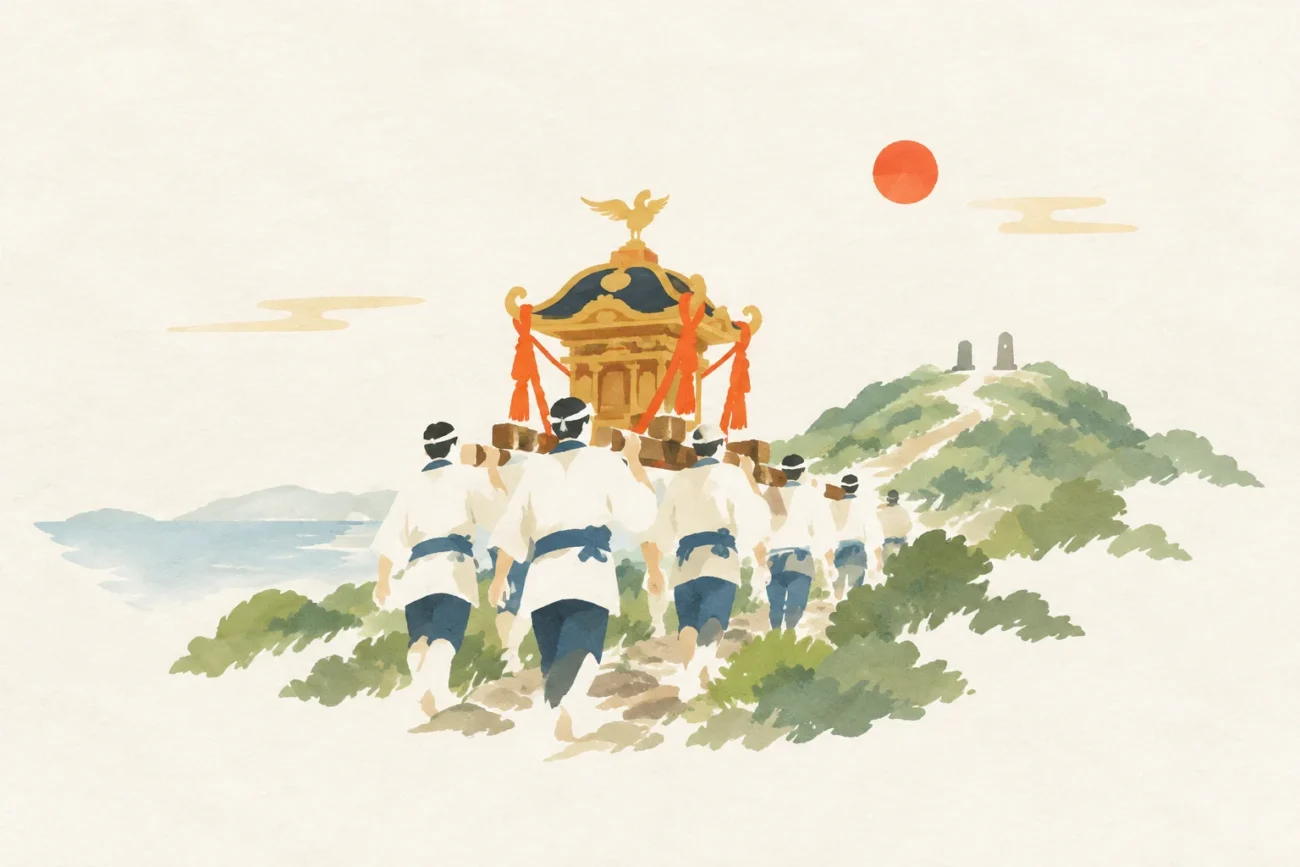
The mikoshi is carried in procession from the grounds of Takaku Shrine to the site of Daidō (the Upper Shrine) at the summit of Mount Koma.
The festival tools and attire passed down in the Koma district also convey the connection between this ritual and the community.
Festival highlights
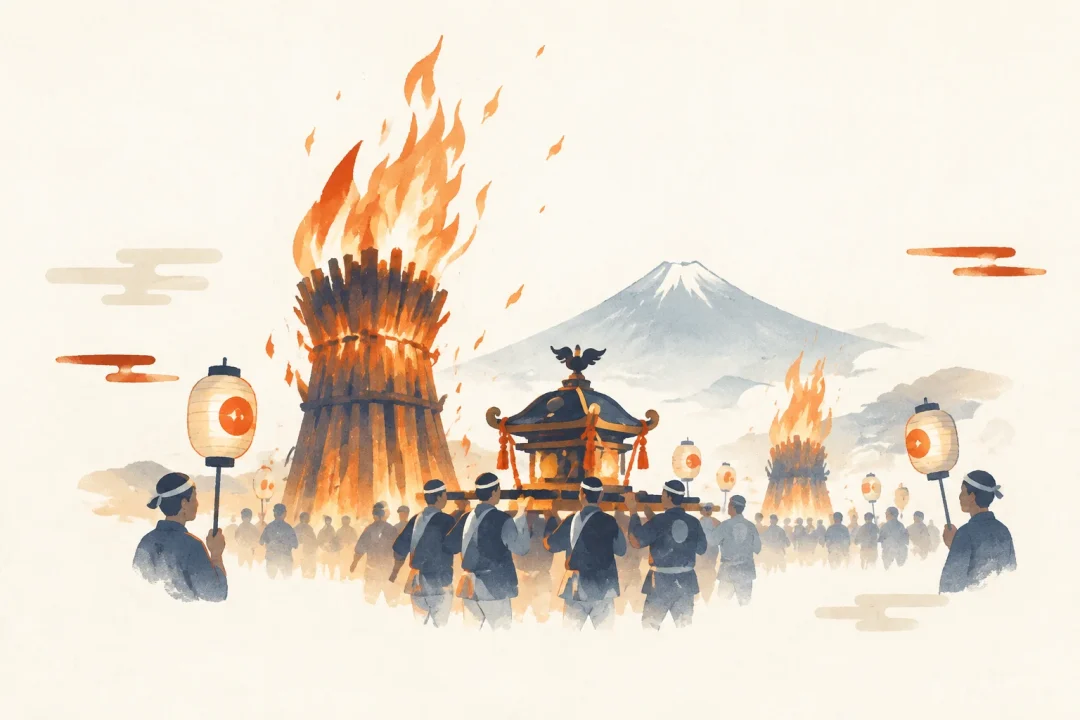
One highlight is the mikoshi procession from the grounds of Takaku Shrine to the site of Daidō (the Upper Shrine) at the summit of Mount Koma.
The route toward the remains of the Upper Shrine on the mountain is a distinctive feature, setting it apart from festivals held within ordinary .
The Koma district’s village mikoshi, carried in the spring and autumn reisai, and the coats in the same design worn by members of the preservation society also convey how the community sustains the festival.
A mountain mikoshi passed down in the community, carried in procession from Takaku Shrine to Mount Koma
What to expect
The ritual involves carrying the mikoshi in procession from the grounds of Takaku Shrine to the site of Daidō (the Upper Shrine) at the summit of Mount Koma.
At the festival, the village mikoshi passed down in the Koma district was carried, with koma tags attached.
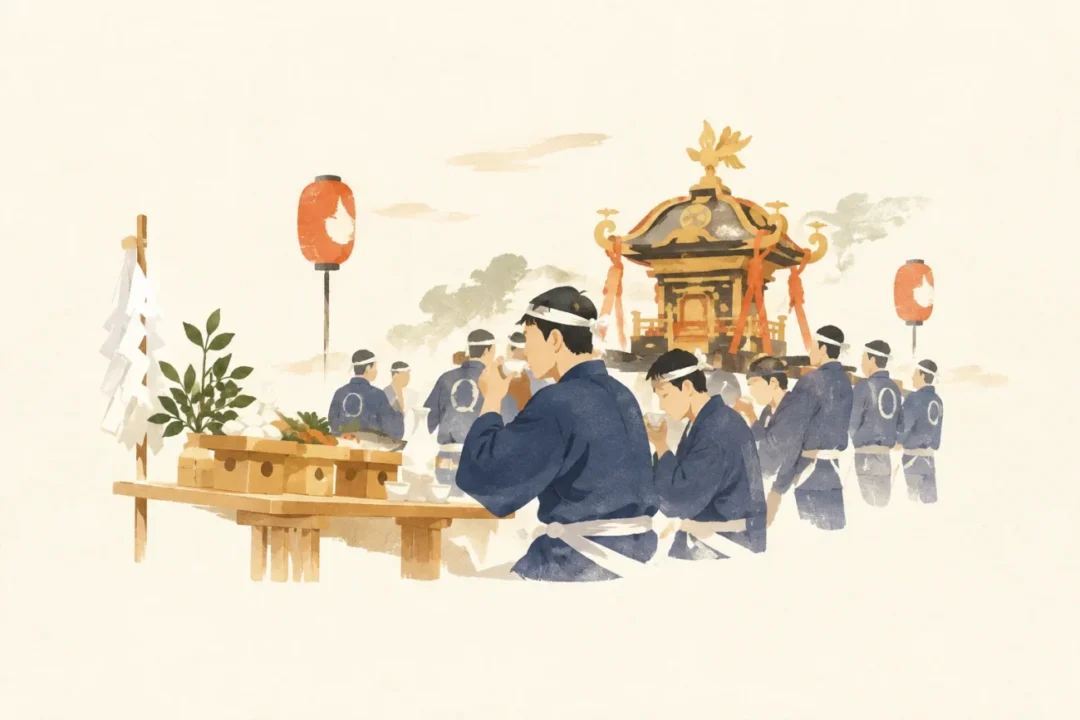
At Takaku Shrine’s festivals, participants from the Koma district wear happi coats, and members of the preservation society also wear attire in the same design at the spring and autumn festivals.
Location and access
- Venue and address
From the grounds of Takaku Shrine to the site of Daidō (the Upper Shrine) at the summit of Mount Koma
Event venue 神奈川県大磯町 高来神社境内から高麗山山頂のダイドウ跡まで
This map uses the venue name. Check the official guide for the event area and entrances.
Dates and season
- Season
The period leading up to the spring reisai
Accommodation and hotels PR
Showing nearby accommodation.
Prices and availability are current at the time of retrieval. For multi-night stays, only the first night’s price is shown. Confirm the final price and directions to the venue with the booking provider. Select your dates again when using the area search link. Search area: within 3 km of Central Kanagawa Prefecture / Oiso Town (the search is not centered on the festival venue)
Nearby attractions

六所神社 (大磯町)
神奈川県中郡大磯町国府本郷にある神社

湘南平
神奈川県平塚市と大磯町の境にある丘陵
Origins and History of Koma Mountain Mikoshi
The Koma Mountain Mikoshi has been held as a ritual before the spring reisai at Takaku Shrine.
One related item, a koma tag, was attached to the Koma district’s village mikoshi from the Showa 50s through Heisei 1.
The happi coat was used by a man born in Taisho 5 until the Showa 50s. Happi coats in the same design are still worn by members of the preservation society at the spring and autumn festivals.
Official information
Oiso Town has accepted materials related to the Koma Mountain Mikoshi, including koma tags and happi coats.
These materials are introduced as folk cultural assets designated by the town.
Related materials are scheduled to be displayed in the permanent exhibition room.
Koma Mountain Mikoshi at a Glance
The Koma Mountain Mikoshi is a ritual in which the mikoshi is carried in procession from Takaku Shrine to the site of Daidō (the Upper Shrine) at the summit of Mount Koma.
It is held before the spring reisai and is also connected with the Koma district’s village mikoshi and festival attire.
The koma tags and happi coats reveal what the festival has been like since the Showa era, as well as the tools and attire passed down in the community.
Sources and references
Japanese Festivals.jp Editorial Team
Celebrating local culture and helping you discover a side of Japan you never knew.
Article updated: 2026/11/11