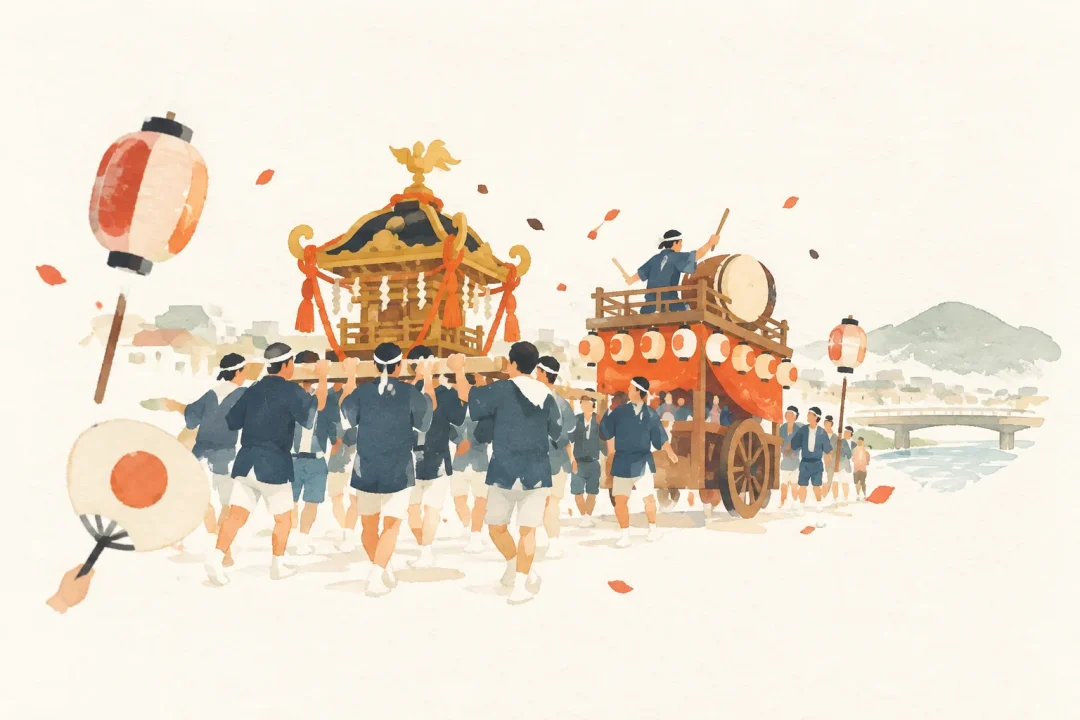
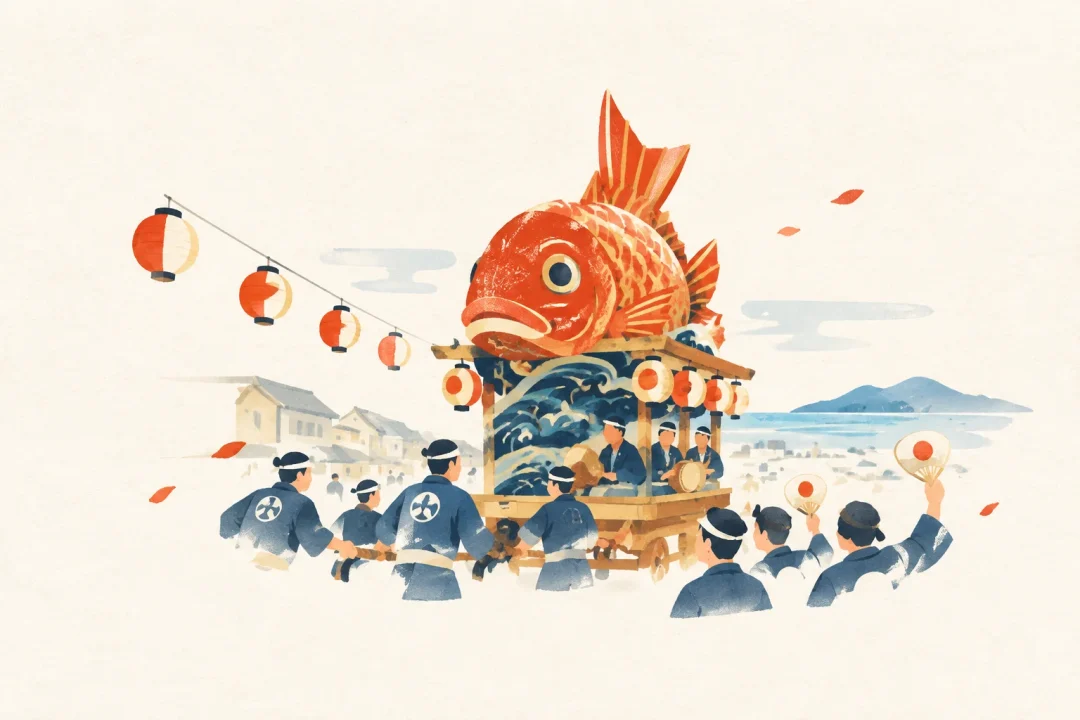
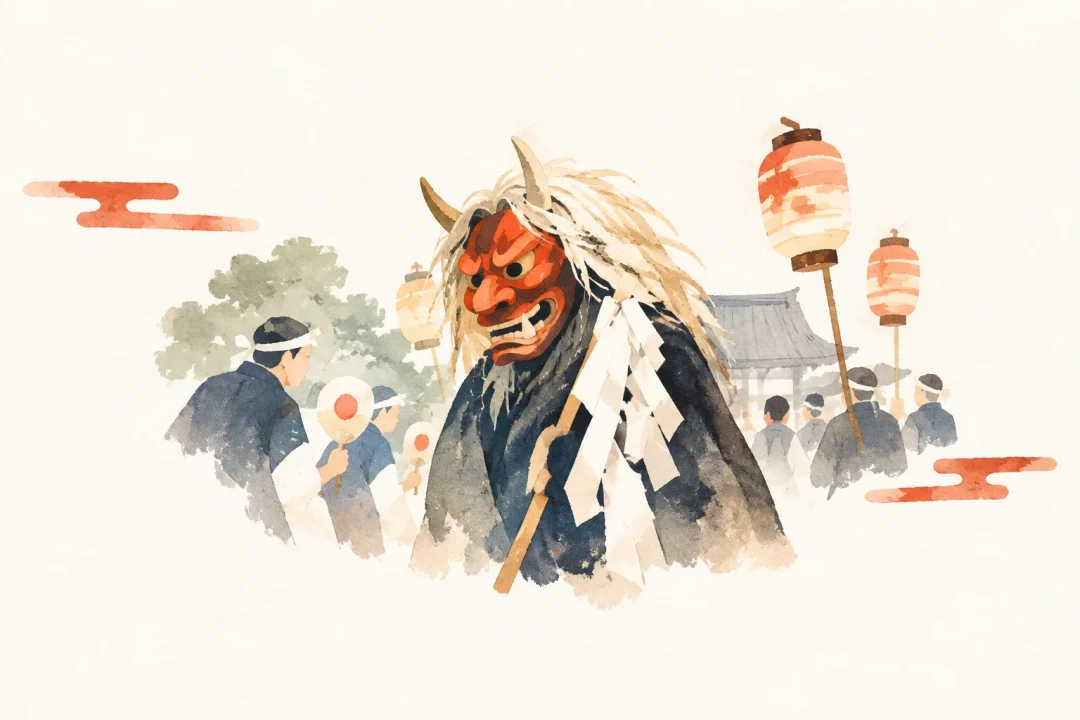
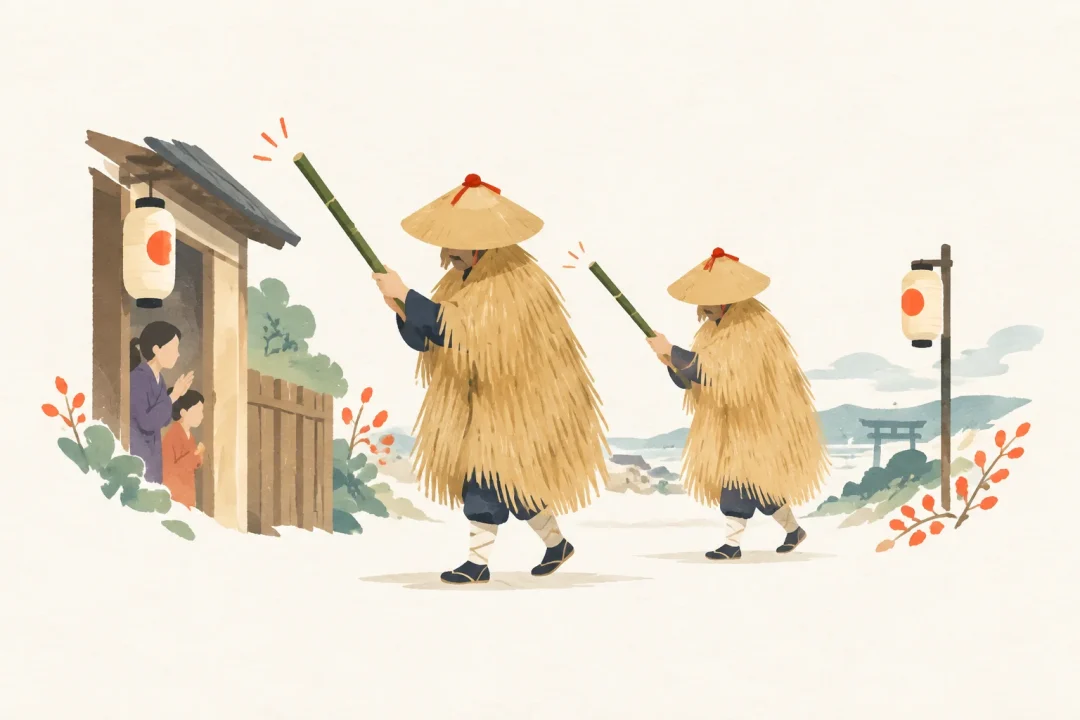
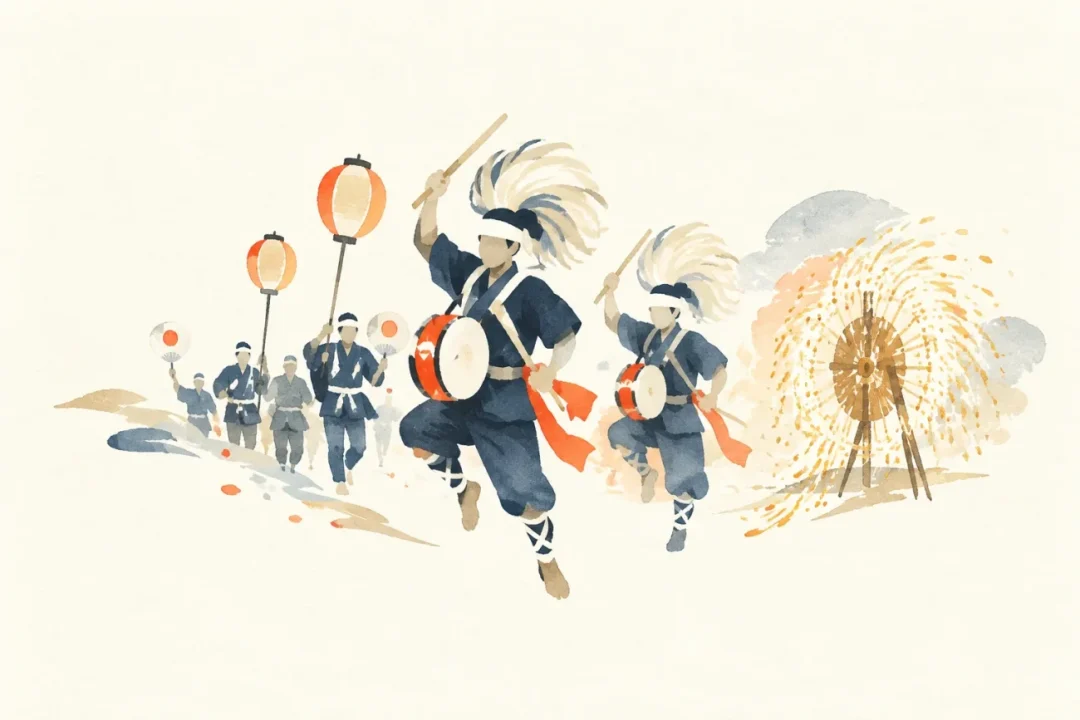
An autumn Shinko-sai passed down in Kashima, where shishimai and the mikoshi process through a historic town
Kotonojin Shrine Shinko-sai Festival Rites

Festival information
EVENT INFORMATION- Season / frequency
- Every year, November 2–3 / Every year
- Location
- Kotonojin Shrine
- Area
- Saga Prefecture・Kashima City(From Tokyo: approx. 1 h 50 min–2 h 10 min · flight time only)Prefecture-level estimate to a main station or airport, not the venue. Airport access, check-in and onward travel are extra; remote areas and islands can take much longer.
- Features
- Highlights and activities
- Wishes behind the festival
- Participation / viewing
- Spectators welcome
- Last updated
- 2026/10/21
An annual festival in which the , , and fūritsu process through Kashima’s historic urban center, linking Kotonojin Shrine and Shingu Shrine.
About Kotonojin Shrine Shinko-sai Festival Rites
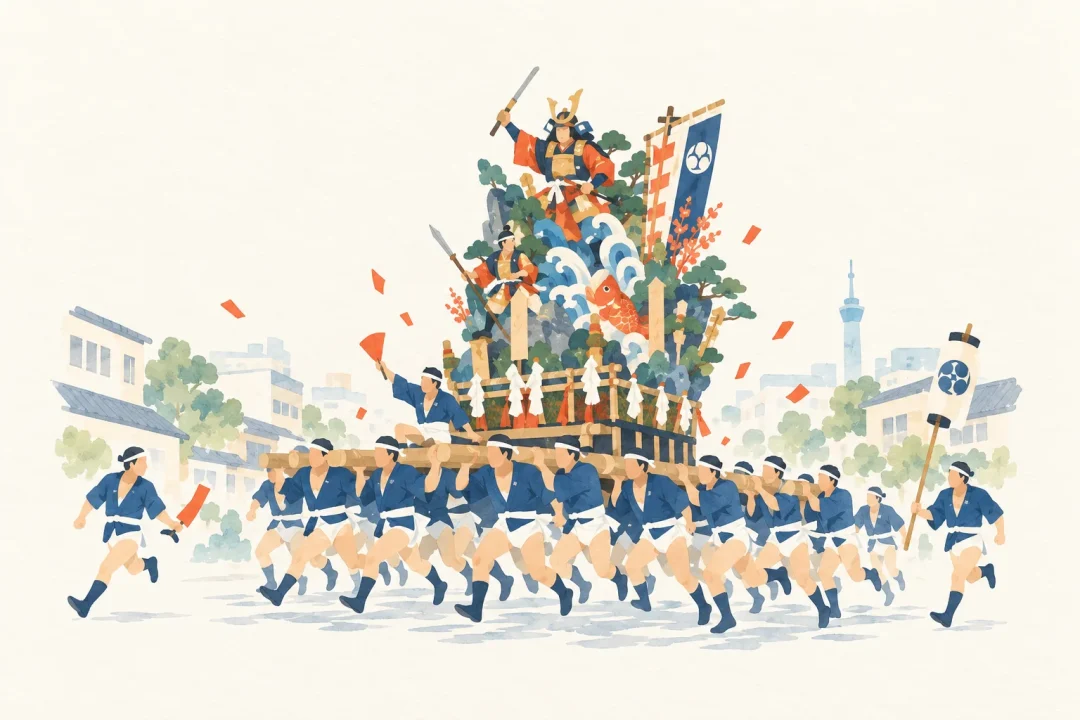
This is a Shinko festival rite held as part of Kotonojin Shrine’s annual festival. The mikoshi, shishimai, sword performers, fūritsu, and others process between Kotonojin Shrine and Shingu Shrine.
The procession passes Kotonojinomiya, Kashima Elementary School, the site of Kashima Castle, and the Shinmachi district, once part of the castle town, making its way through Kashima’s historic urban center.
In Heisei 30 (2018), the rites were designated an Important Intangible Folk Cultural Property of Saga Prefecture under the name “Kotonojin Shrine Shinko-sai Festival Rites.”
Source: PDF資料
Festival highlights
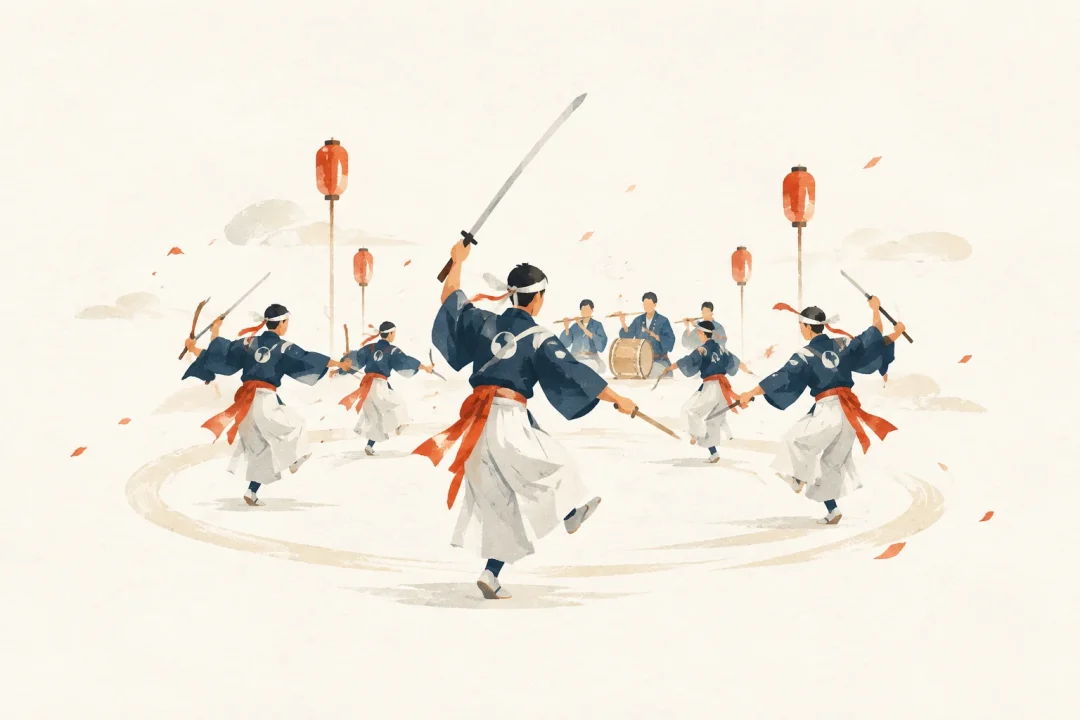
Highlights include a shishimai performed by pairs of red and blue shishi, and sword performances in which the red and blue tengu wield halberds.
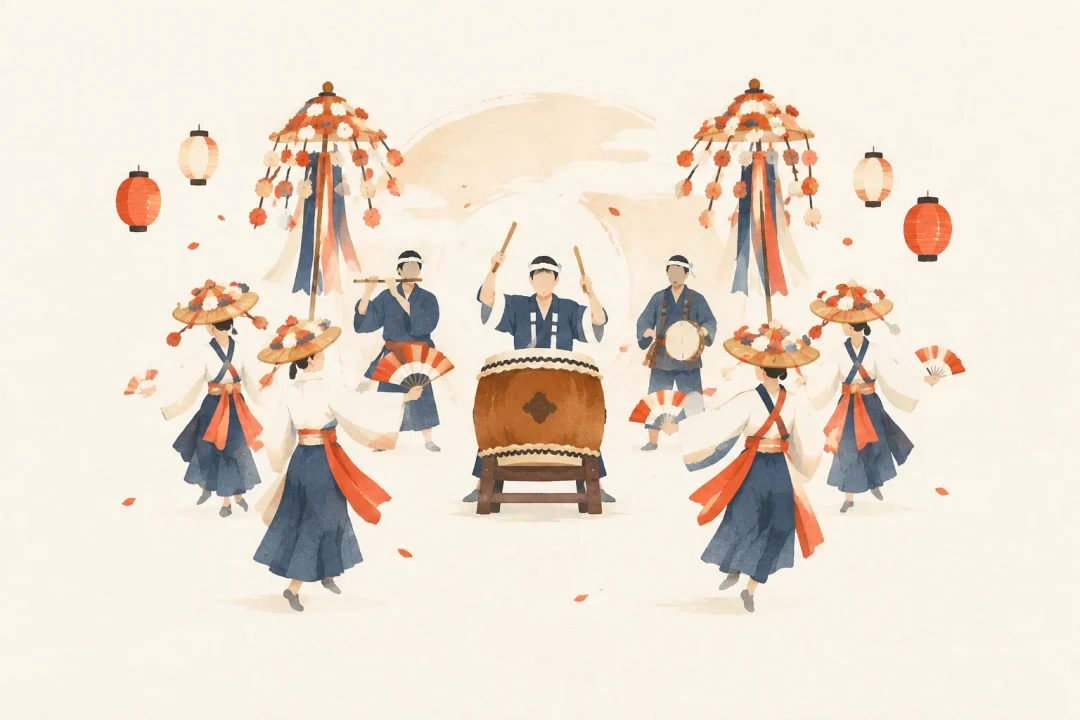
The mikoshi procession is followed by the Shinmizuhuri, in which salt water is sprinkled using ; the Sakibarai, in which split bamboo is struck against the ground; a procession carrying spears, naginata, umbrellas, banners, and lanterns; and, at the rear, the kane fūritsu.
Around dusk on the second day, the horse-racing rite takes place, with a scene in which the mikoshi and a group of horses circle the and seem to compete to advance.
Source: 琴路神社の神幸祭行事 文化遺産オンライン
An autumn Shinko-sai passed down in Kashima, where shishimai and the mikoshi process through a historic town
What to expect
On the first day, , shishimai, and sword performances are offered at Kotonojin Shrine, and the mikoshi’s descent begins at around 3 p.m.
The shishi and sword performers lead the procession, performing at homes, T-junctions, and crossroads as they make their way via Kotonojinomiya to Shingu Shrine at night.
On the second day, the procession leaves Shingu Shrine at around noon and returns to Kotonojin Shrine by a different route from the first day.
The horse-racing rite takes place around dusk, and the festival concludes when the mikoshi is enshrined in the shrine building.
How to take part
Visitors can watch the event.
Location and access
- Venue and address
Kotonojin Shrine: 1939 Notomi-bun, Kashima City, Saga Prefecture
巡行範囲:琴路神社、琴路宮、新町地区、新宮神社など鹿島市中心部
Address 1939 Notomi-bun, Kashima City, Saga Prefecture
Dates and season
- Season
Every year, November 2–3
- Frequency
Every year
Accommodation and hotels PR
Showing nearby accommodation.
Prices and availability are current at the time of retrieval. For multi-night stays, only the first night’s price is shown. Confirm the final price and directions to the venue with the booking provider. Select your dates again when using the area search link. Search area: within 3 km of Central Saga Prefecture / Kashima City (the search is not centered on the festival venue)
Nearby attractions
The procession route includes places that preserve the history of Kashima Castle and its castle town, such as the site of Kashima Castle, Asahigaoka Park, the Red Gate, the Main Gate, the samurai residence gate, and Shoin Shrine.
The mikoshi passes the site of Kashima Castle and the Shinmachi district, linking the festival procession with the historic townscape.
Kotonojinomiya and Shingu Shrine are also involved in the festival procession, and are respectively regarded as the Middle Shrine and Lower Shrine.

祐徳博物館
佐賀県の博物館・美術館のスポットです。

祐徳稲荷神社
日本、佐賀の神社
Origins and History of Kotonojin Shrine Shinko-sai Festival Rites
Kotonojin Shrine’s festival is recorded as an annual rite in documents from the Edo period, showing that it was held at least as far back as that time.
According to tradition, in Ninji 2 (1241), a koto was floated down from Mitake Shrine, and Yoshino Gongen was enshrined as the Lower Shrine at the place where the instrument came to rest. This is said to be the origin of Kotonojin Shrine.
After the war, the Shinmachi Children’s Shishi Fūritsu began. It was first performed in Showa 37 (1962), and in Heisei 30 (2018), the Shinko-sai festival rites were designated an Important Intangible Folk Cultural Property of Saga Prefecture.
Official information
Materials on Kashima City’s historic landscape describe the procession route and sequence of events for Kotonojin Shrine’s festival, as well as the shishimai, sword performances, horse-racing rite, and Shinmachi Children’s Shishi Fūritsu.
The Agency for Cultural Affairs’ Cultural Heritage Online lists “Kotonojin Shrine Shinko-sai Festival Rites” as an intangible folk cultural property designated by Saga Prefecture.
Kotonojin Shrine Shinko-sai Festival Rites at a Glance
Kotonojin Shrine’s Shinko-sai festival rites are an annual festival centered on the mikoshi procession linking Kotonojin Shrine and Shingu Shrine, accompanied by shishimai, sword performances, kane fūritsu, Shinmizuhuri, Sakibarai, the horse-racing rite, and other events.
On the first day, the procession passes Kotonojinomiya, the site of Kashima Castle, and the Shinmachi district before heading to Shingu Shrine. On the second day, it returns to Kotonojin Shrine by a different route.
The festival, which dates back to the Edo period, is joined by the Shinmachi Children’s Shishi Fūritsu, passed down since the postwar period, bringing Kashima’s historic urban center and local culture together.
Japanese Festivals.jp Editorial Team
Celebrating local culture and helping you discover a side of Japan you never knew.
Article updated: 2026/10/21
Submit information or a correction Submit photos of this festival