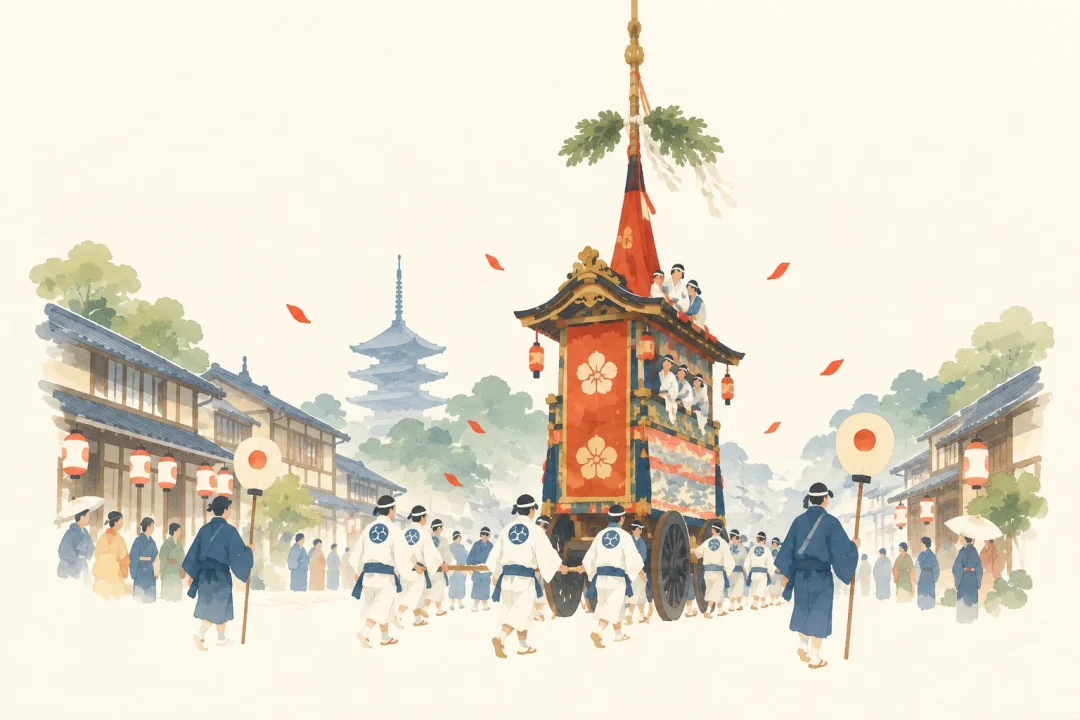
A festival in Sawane Ijiri passed down through oni-daiko and a grand mikoshi
Kanayama Shrine Annual Festival Ritual
Festival information
EVENT INFORMATION- Season / frequency
- Saturday around April 15
- Location
- Kanayama Shrine
- Area
- Niigata Prefecture・Sado City(From Tokyo: approx. 1 h 40 min–2 h 10 min · bullet train)Prefecture-level estimate to a main station or airport, not the venue. Airport access, check-in and onward travel are extra; remote areas and islands can take much longer.
- Highlights and activities
- Last updated
- 2026/11/11
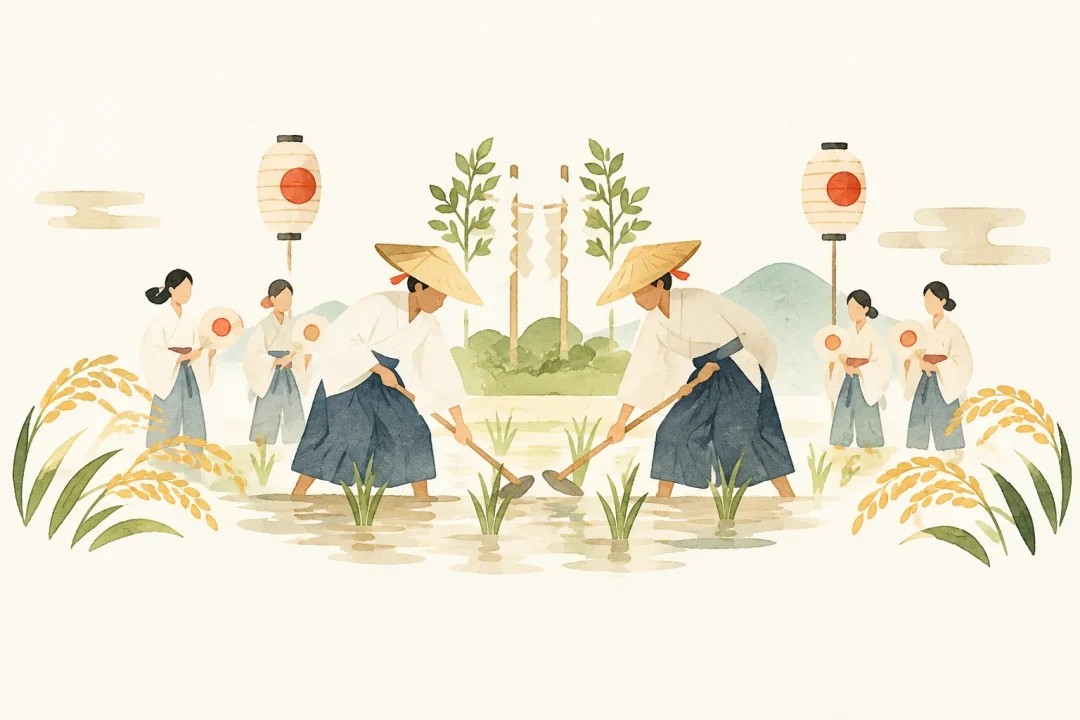
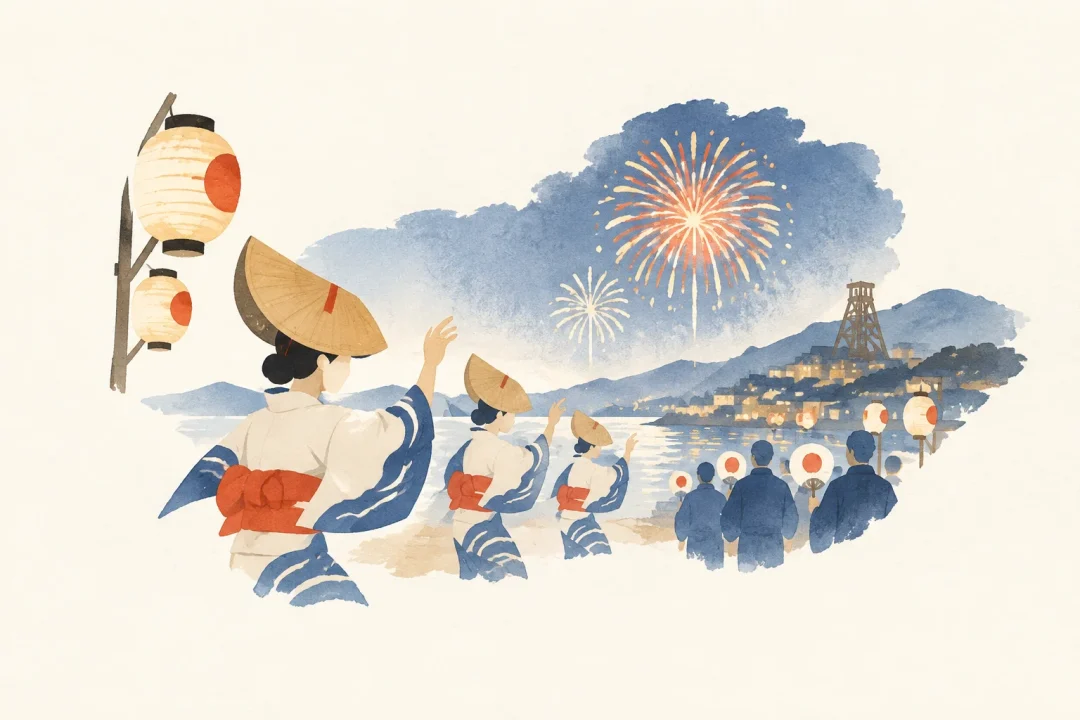
The Kanayama Shrine Annual Festival Ritual, passed down in Sawane Ijiri, Sado City, is a major festival also known as the “Ijiri Festival,” featuring the traditions of oni-daiko and the procession.
About Kanayama Shrine Annual Festival Ritual
The Kanayama Shrine Annual Festival Ritual is a major festival in the former Sawane Ijiri district, Sado City, also known as the “Ijiri Festival.”
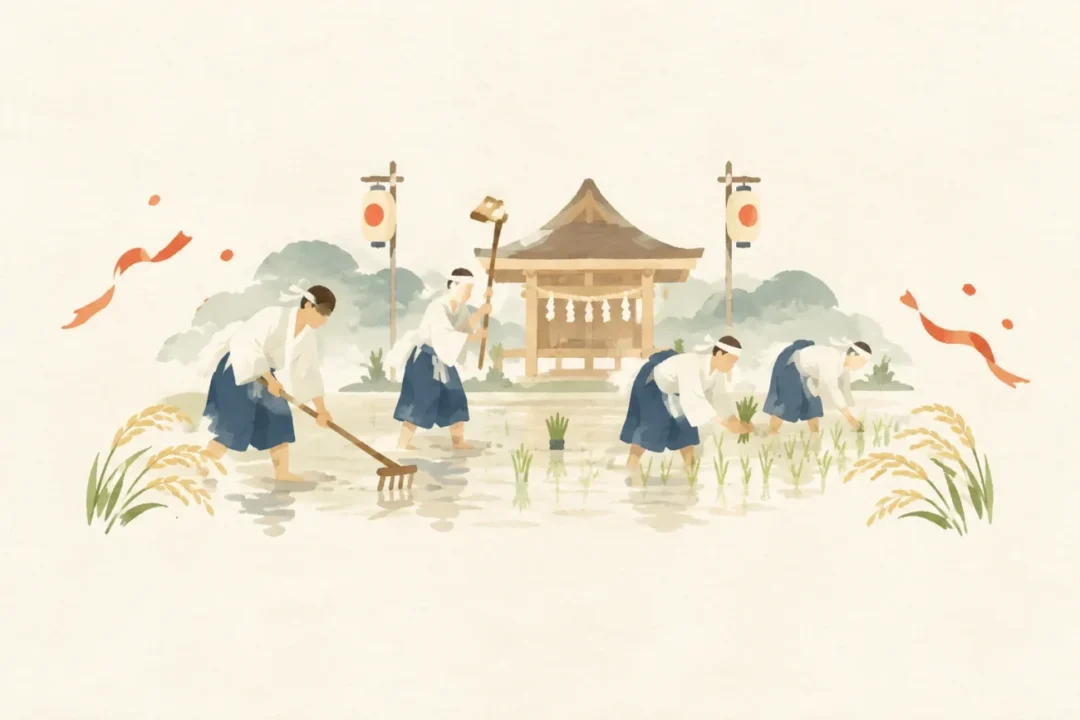
The festival proceeds from the chief priest’s purification rite to , offered in dedication, oni-daiko, and the mikoshi procession, bringing together the rituals of Kanayama Shrine and the region’s traditional performing arts.
Kanayama Shrine is an ancient shrine said to have been founded in Jinki 1 (724), and its festival is designated an intangible folk cultural property by Sado City.
Festival highlights
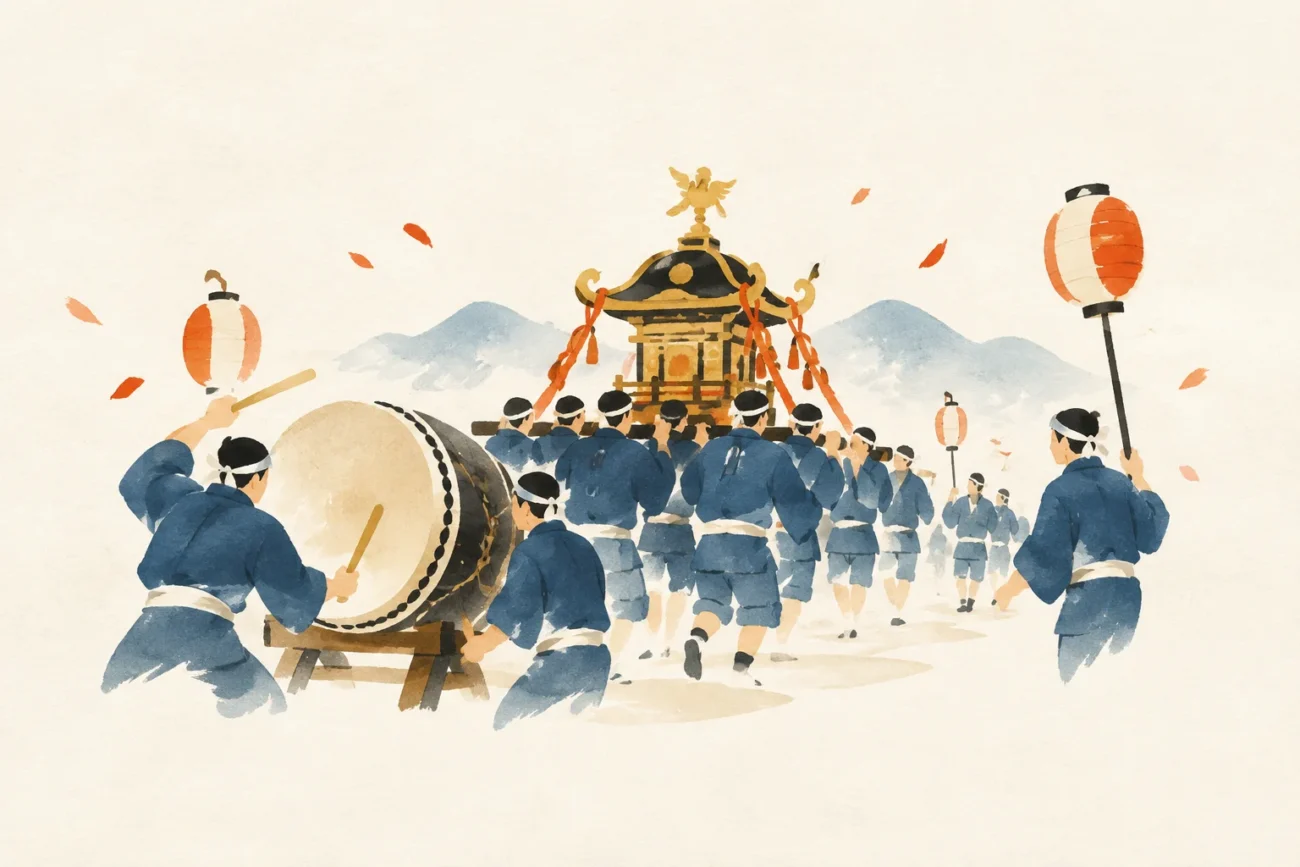
Highlights include Aikawa-style oni-daiko, passed down from Uto Shrine, and a mikoshi weighing about 800 kg.
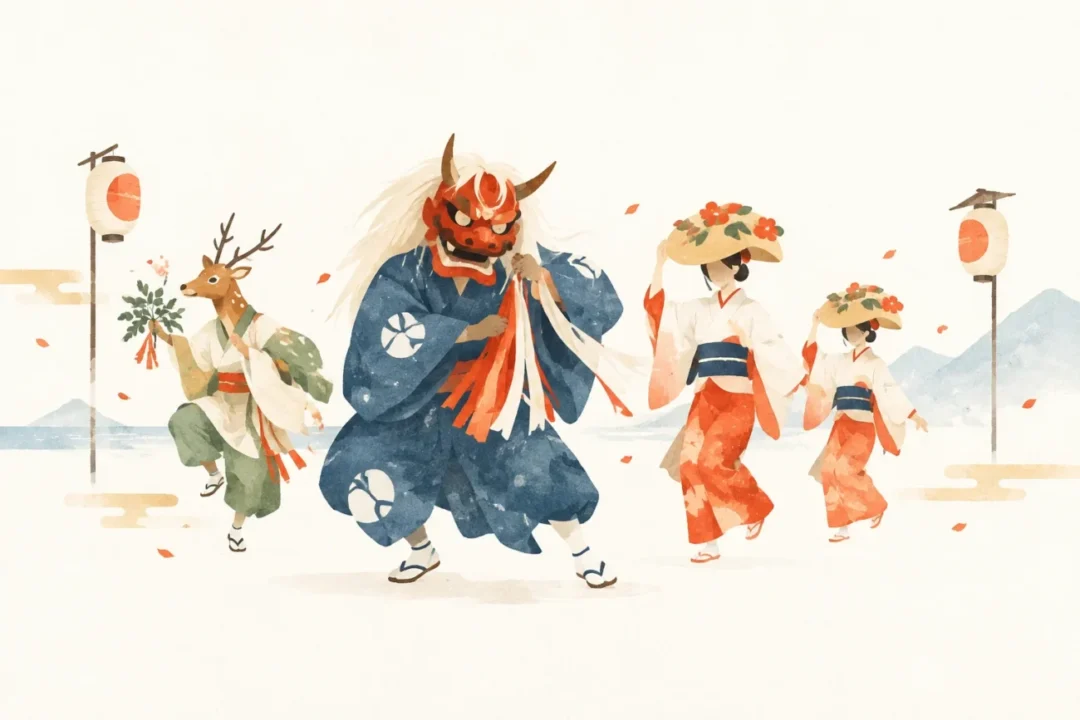
Alongside the demons, an old man who scatters beans also takes part in the oni-daiko, and the bean-scattering dance continues for about 1 hour.
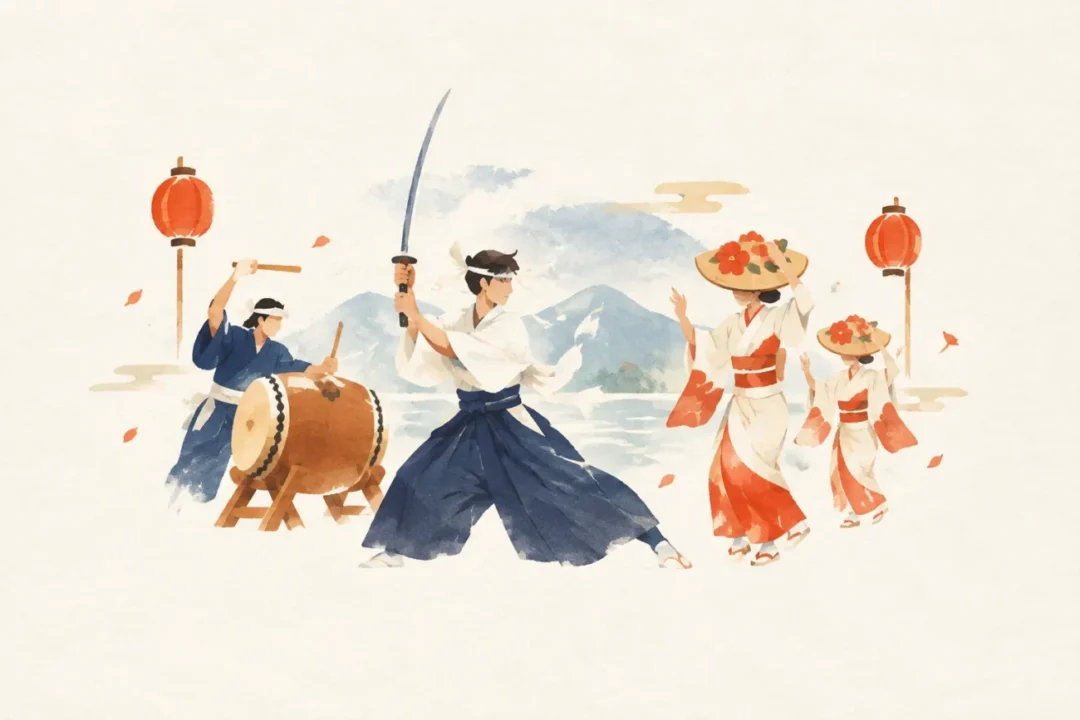
Near the end of the dance, a red demon cuts the at the with a naginata. The mikoshi procession then begins, led by Sarutahiko, followed by the musicians and mikoshi.
A festival in Sawane Ijiri passed down through oni-daiko and a grand mikoshi
What to expect
On the day of the festival, participants gather at the shrine building and receive a purification rite from the chief priest.
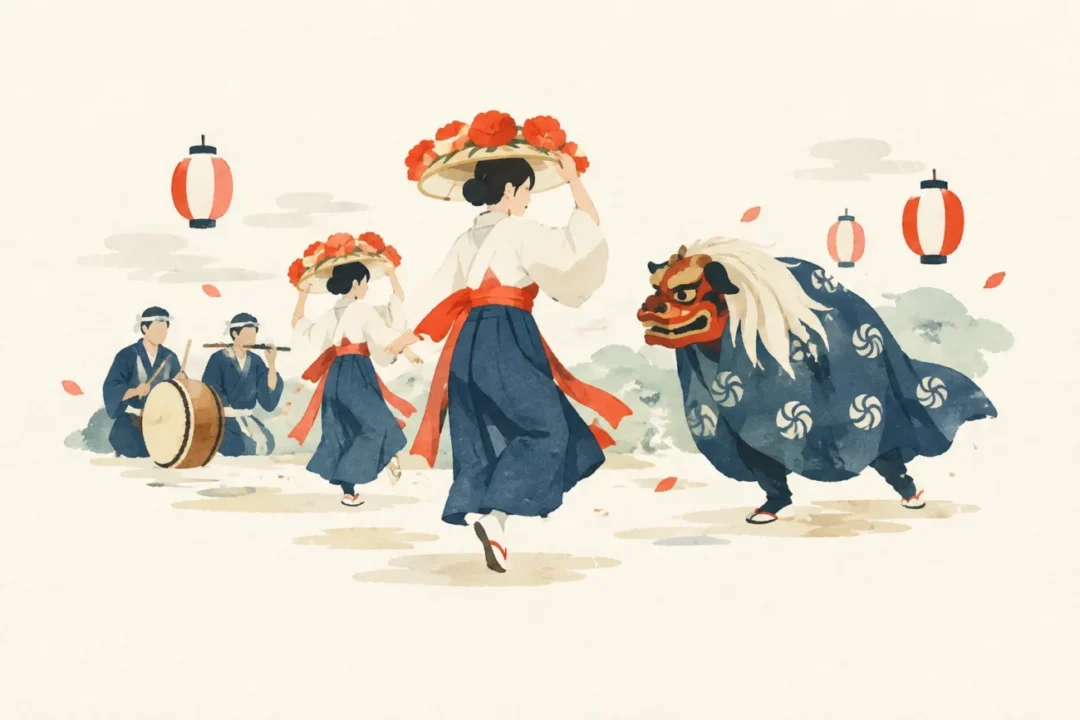
Shishimai is then offered, and oni-daiko begins.
When the approximately 1-hour bean-scattering dance ends, a red demon cuts the shimenawa at the torii with a naginata. Then the mikoshi procession leaves the shrine, led by Sarutahiko, followed by the hayashi musicians and mikoshi.
Location and access
- Venue and address
Kanayama Shrine, Sawane Ijiri, Sado City
Address Sawane Ijiri, Sado City
Dates and season
- Season
Saturday around April 15
Accommodation and hotels PR
Showing nearby accommodation.
Prices and availability are current at the time of retrieval. For multi-night stays, only the first night’s price is shown. Confirm the final price and directions to the venue with the booking provider. Select your dates again when using the area search link. Search area: within 3 km of Central Niigata Prefecture / Sado City (the search is not centered on the festival venue)
Nearby attractions

佐渡博物館
新潟県佐渡市にある博物館

佐渡島の金山
新潟県佐渡市にある世界遺産
Origins and History of Kanayama Shrine Annual Festival Ritual
Kanayama Shrine is an ancient shrine said to have been founded in Jinki 1 (724).
The festival is said to have first been held during the Kan'ei era (1624–1643) by Akita Gonzaemon, a mine prospector who prospered at the Tsurushi Silver Mine.
The date was changed from September 20 every year in the past, to April 15 after the end of the war, and then, from Heisei 31 onward, to a Saturday around April 15.
Official information
Sado City official website, “Sado City-designated Folk Cultural Properties: Kanayama Shrine Annual Festival Ritual”
Kanayama Shrine Annual Festival Ritual at a Glance
The Kanayama Shrine Annual Festival Ritual is a major festival handed down in Sawane Ijiri, Sado City, also known as the “Ijiri Festival.”
The festival progresses from purification to shishimai, oni-daiko, and the mikoshi procession, interwoven with the history of Kanayama Shrine, said to have been founded in 724.
Its distinctive features are the Aikawa-style oni-daiko, in which demons and an old man who scatters beans dance, and a mikoshi weighing about 800 kg.
Sources and references
Japanese Festivals.jp Editorial Team
Celebrating local culture and helping you discover a side of Japan you never knew.
Article updated: 2026/11/11