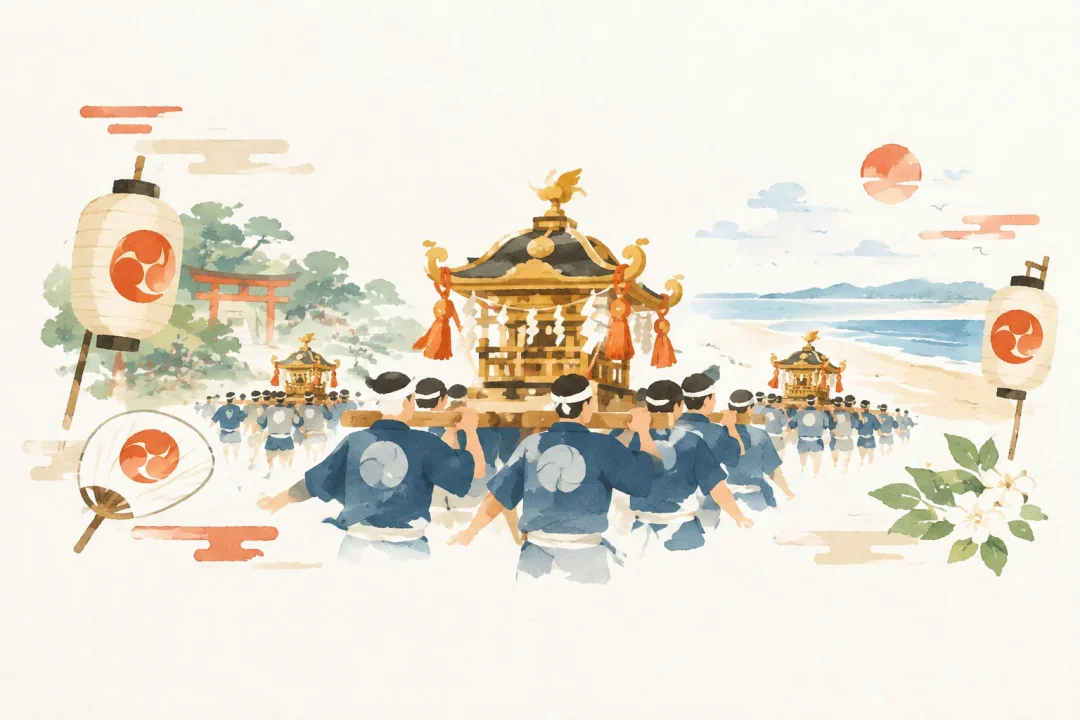
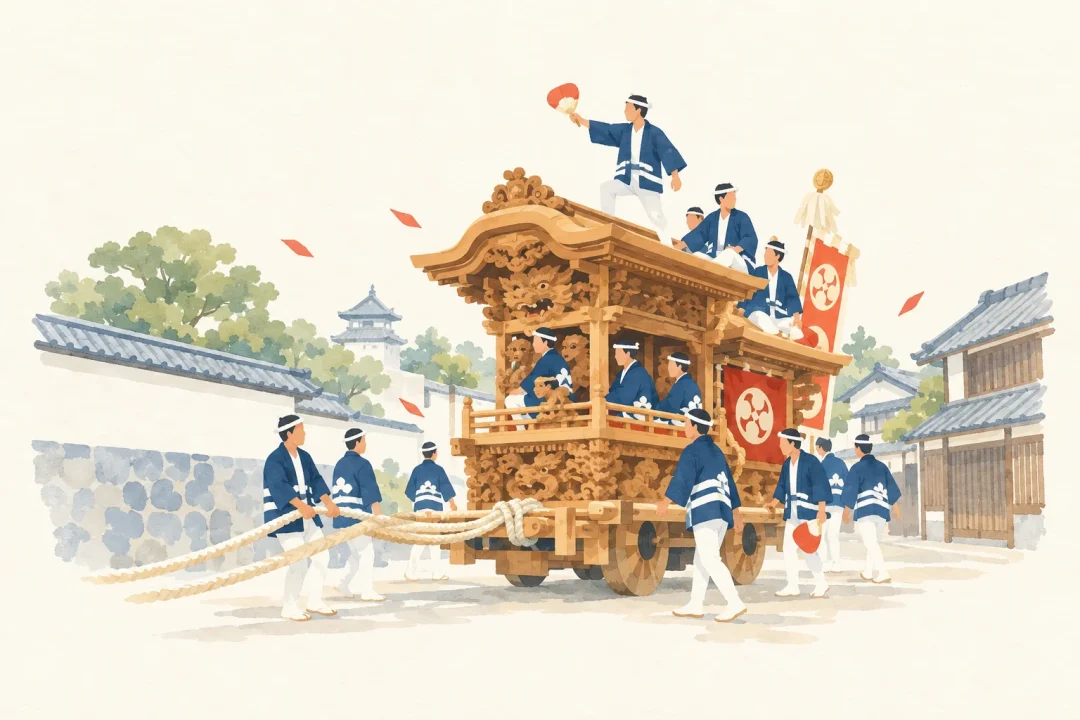
Ichinomiya’s traditional festival, where mikoshi and deities run along the water’s edge
Kazusa Junisha Festival

The 2026 edition of Kazusa Junisha Festival has ended.
Festival information
EVENT INFORMATION- Dates
- 2026/09/13Ended
- Season / frequency
- Every year, from September 8 through the 14th / Every year
- Location
- Tamamae Shrine, the Ichinomiya of Kazusa Province / Tsurugasaki Beach (Tsurugasaki Festival Site)
- Area
- Chiba Prefecture・Ichinomiya Town, Mobara City, Mutsuzawa Town, Chosei Village, Isumi City(From Tokyo: approx. 40 min–1 h · train)Prefecture-level estimate to a main station or airport, not the venue. Airport access, check-in and onward travel are extra; remote areas and islands can take much longer.
- Highlights and activities
- Participation / viewing
- Spectators welcome
- Last updated
- 2026/10/19
The Kazusa Junisha Festival is known for and deities gathering at Tsurugasaki and for Shiobumi, when bearers run along the water’s edge. It is a traditional event passed down around Tamamae Shrine and designated an Intangible Folk Cultural Property of Chiba Prefecture.
About Kazusa Junisha Festival
The Kazusa Junisha Festival is a gathering festival centered on Tamamae Shrine, formerly the Ichinomiya of Kazusa Province, where deities connected to the area come together.
It is said to be a ritual in which Tamayorihime, the deity enshrined at Tamamae Shrine, and the deities of her family gather once a year. Several shrines send their mikoshi toward the festival site in Tsurugasaki.
It is also designated an Intangible Folk Cultural Property of Chiba Prefecture and has been passed down across communities.
Source: 上総十二社祭り/千葉県 / 上総十二社祭り【無形民俗文化財】 | 一宮町役場
Festival highlights
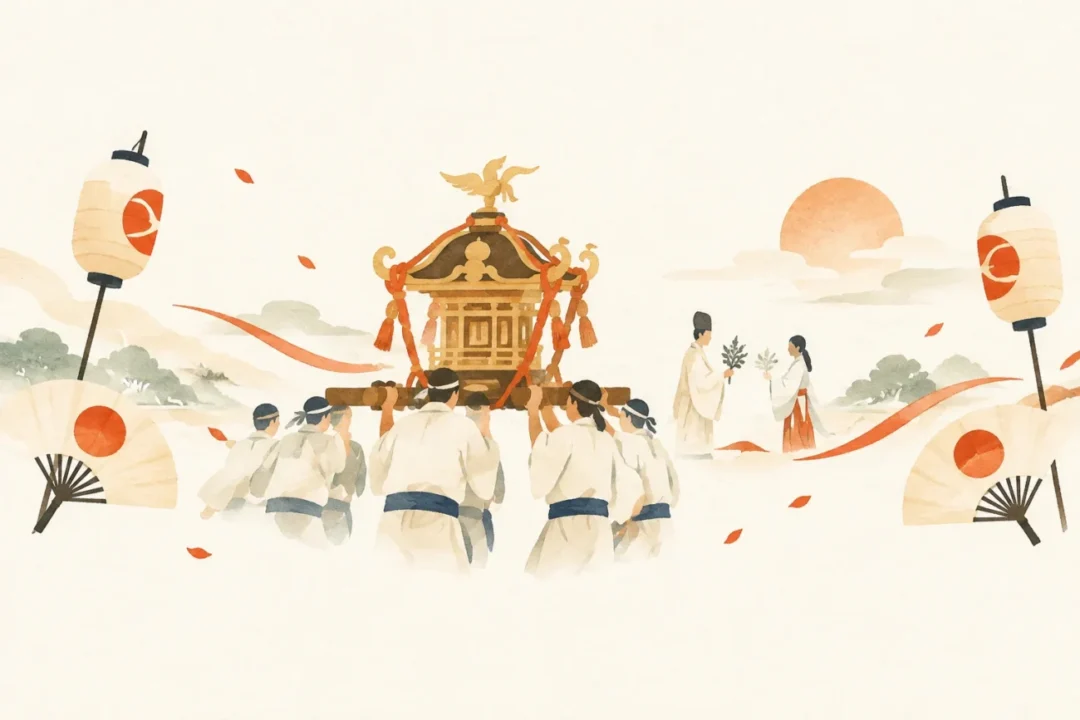
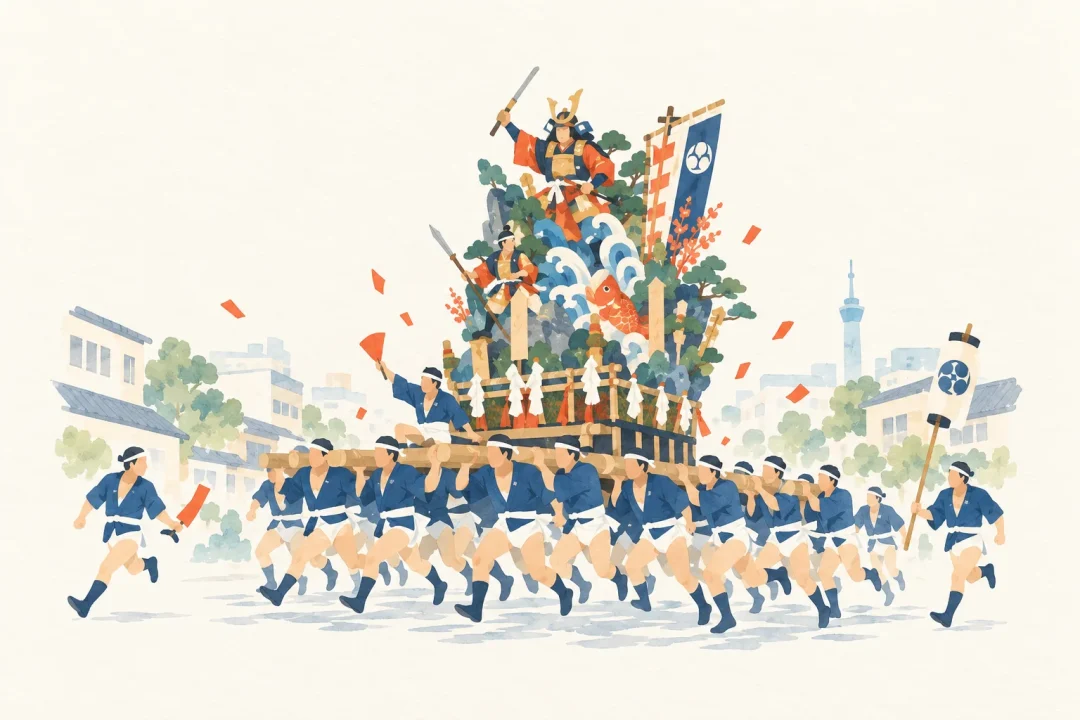
The main highlight is “Shiobumi,” when people carrying mikoshi run along the water’s edge.
Lightly dressed bearers race across Kujukuri Beach, and the sight of mikoshi gathering at the festival site in Tsurugasaki is also why the event is called a “naked festival.”
At the grand festival, mikoshi from several shrines gather, and a ritual is held to bring the spirits together.
Ichinomiya’s traditional festival, where mikoshi and deities run along the water’s edge
What to expect
The festival begins with events such as raising banners, ritual purification by the priests, a children’s procession, and “fire inspection.”
After the Festival, when the mikoshi are purified and decorated, and the evening festival, mikoshi depart from each shrine on the day of the grand festival and gather at the Tsurugasaki Festival Site for a ritual to bring the spirits together.
The mikoshi then return to their respective shrines in turn, and the festival ends with the banners being taken down.
How to take part
The festival centers on religious rites and processions involving shrine officials and mikoshi bearers. General visitors watch the mikoshi gather and the bearers run along the water’s edge.
Since the source mentions applause from tourists, viewing is possible along the route and at the festival site.
Location and access
- Venue and address
The area around Tamamae Shrine, the Ichinomiya of Kazusa Province, Tsurugasaki Beach, and the Tsurugasaki Festival Site.
The address is Tamamae Shrine to Tsurugasaki Beach, Ichinomiya Town, Chosei District, Chiba Prefecture.
- Train and bus
Take the JR Sotobo Line to Kazusa-Ichinomiya Station, then walk about 8 minutes.
- By car
Just off the Ichinomiya IC on the Kujukuri Toll Road.
- Parking
There are parking lots for passenger cars and large buses.
Passenger cars are free of charge; please inquire about large buses.
Address Tamamae Shrine to Tsurugasaki Beach, Ichinomiya Town, Chosei District, Chiba Prefecture 299-4301
Dates and season
2026 event information (the dates listed have passed)
In 2026, it was held on September 13 (Sunday).
The procession schedule listed mikoshi gathering at the festival site on Tsurugasaki Beach at 2:30 p.m. and returning to each district at 4:30 p.m. A procession through the Shiigi shopping district also took place from 6 p.m. to 8 p.m.
In a typical year, the festival runs from September 8 through the 14th, with the grand festival on the 13th.
Tips for your visit
The festival site is near the coast, so please be aware of your surroundings when watching the mikoshi procession or Shiobumi, when bearers run along the water’s edge.
The timing of the mikoshi gathering and procession may vary depending on circumstances.
Restrooms are listed as available at the venue, but you will need suitable clothing and footwear for watching at the beach.
Source: 上総十二社祭り(裸祭り) | 千葉県一宮町観光協会
Nearby attractions
Tsurugasaki Beach, listed as a festival venue, is also introduced as a nearby sightseeing spot.
Nearby facilities include Tsurugasaki Glamping Resort, Taito Beach, and Kamiawai Osanpo Garden.
If visiting in conjunction with the festival, check each facility’s operating status and terms of use.
Origins and History of Kazusa Junisha Festival
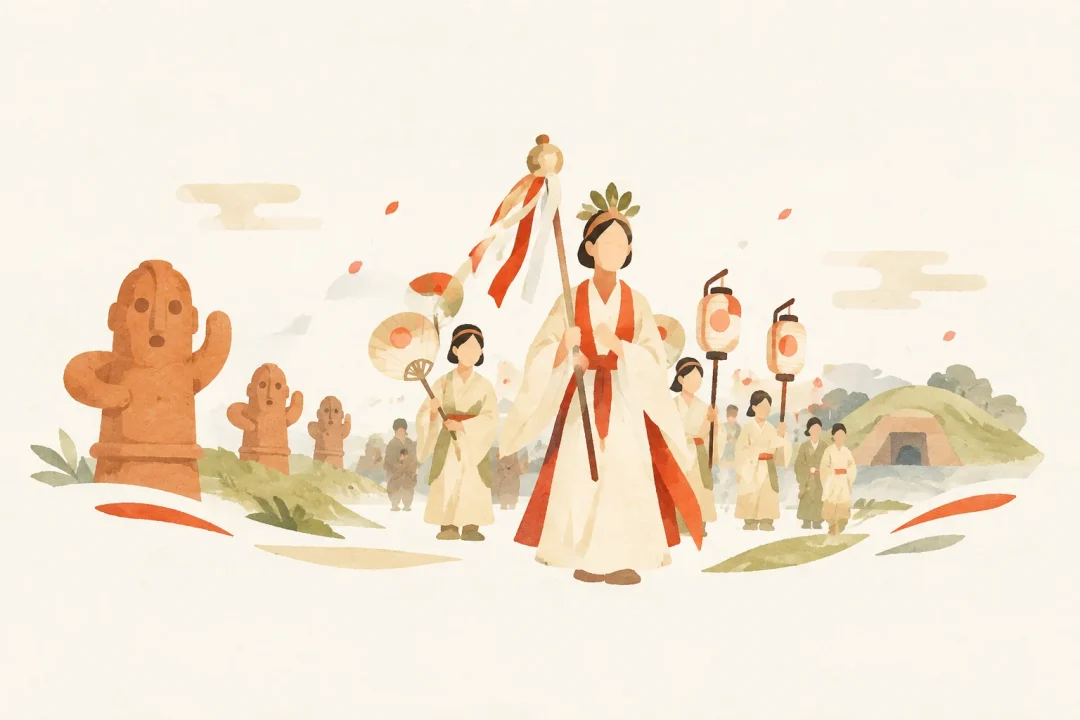
The Kazusa Junisha Festival is said to have begun around Daido 2 (807).
The festival is said to originate in the annual gathering of Tamayorihime and the deities of her family at places connected to them.
It is said that mikoshi from 6 shrines, 12 in total, once gathered here. Although the participating shrines have varied, mikoshi processions and the ritual of bringing the spirits together continue to this day.
Official information
The festival is designated an Intangible Folk Cultural Property of Chiba Prefecture.
Event information and an overview of its cultural-property status can be found through Ichinomiya Town Hall, Chiba Prefecture, and the official Chiba tourism website.
The phone number for the Tamamae Shrine office is listed as the contact for 2026.
Kazusa Junisha Festival at a Glance
The Kazusa Junisha Festival is a traditional event spanning several communities, where deities connected to the area and their mikoshi gather around Tamamae Shrine.
Highlights include Shiobumi, when lightly dressed mikoshi bearers run along the water’s edge, and the ritual of bringing the spirits together at the festival site in Tsurugasaki.
The grand festival is held every year on September 13. When watching, please take care around the moving mikoshi and for your safety near the coast.
Japanese Festivals.jp Editorial Team
Celebrating local culture and helping you discover a side of Japan you never knew.
Article updated: 2026/10/19
Submit information or a correction Submit photos of this festival