A traditional Imari festival of sparks and offerings of newly harvested rice
Toriou Matsuri at Kanbara Hachimangū
Festival information
EVENT INFORMATION- Season / frequency
- The day before the first Rabbit Day in December / Every year
- Location
- Kanbara Hachimangū
- Area
- Saga Prefecture・Imari City(From Tokyo: approx. 1 h 50 min–2 h 10 min · flight time only)Prefecture-level estimate to a main station or airport, not the venue. Airport access, check-in and onward travel are extra; remote areas and islands can take much longer.
- Features
- Wishes behind the festival
- Participation / viewing
- Spectators welcome
- Last updated
- 2026/10/19
At Kanbara Hachimangū in Ōzato, Niri-chō, Imari City, men from the district struggle to seize offerings made from newly harvested rice amid sparks from torches in this distinctly local festival.
About Toriou Matsuri at Kanbara Hachimangū
The Toriou Matsuri at Kanbara Hachimangū is a festival passed down at Kanbara Hachimangū in Ōzato, Niri-chō, Imari City, Saga Prefecture.
Men from the district divide into attackers and defenders and struggle to seize offerings made from newly harvested rice.
In this event, parishioners and spectators share and eat the offerings, praying for a bountiful harvest and good health. It brings together a fire festival and a communal eating ritual.
Source: 国指定文化財等データベース
Festival highlights
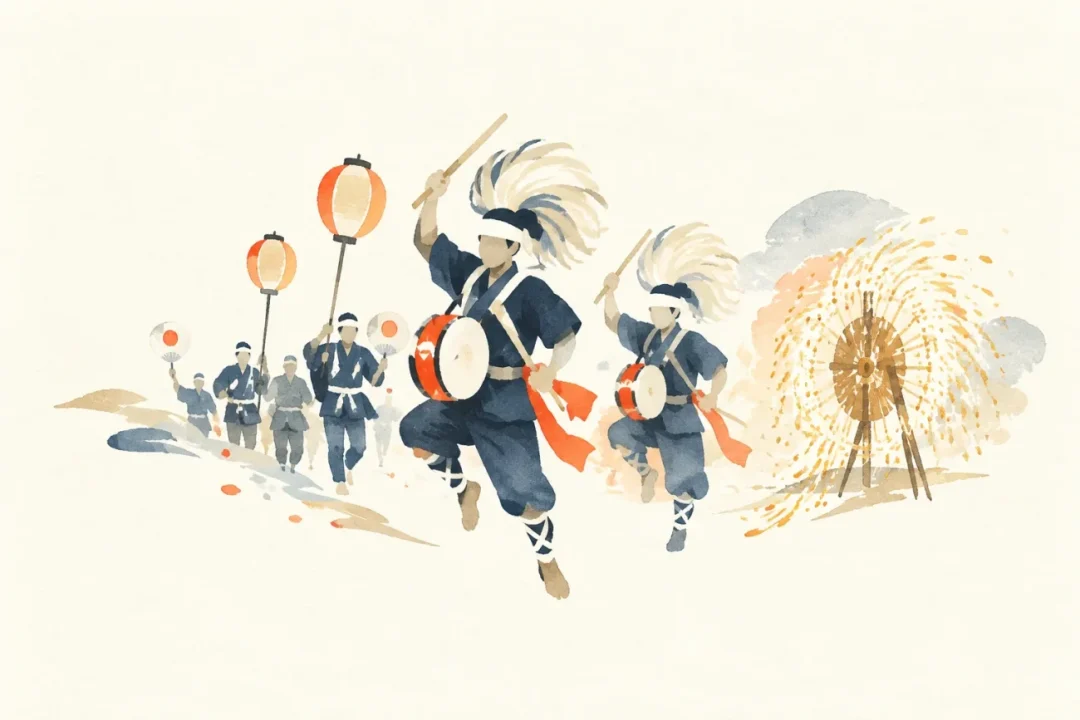
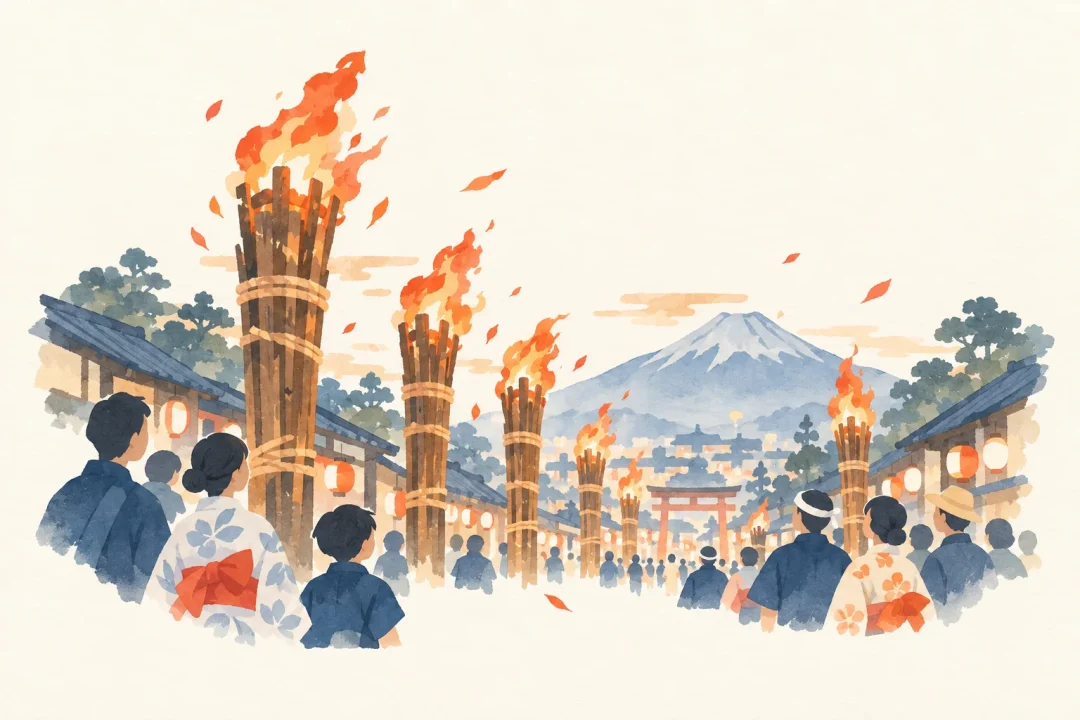
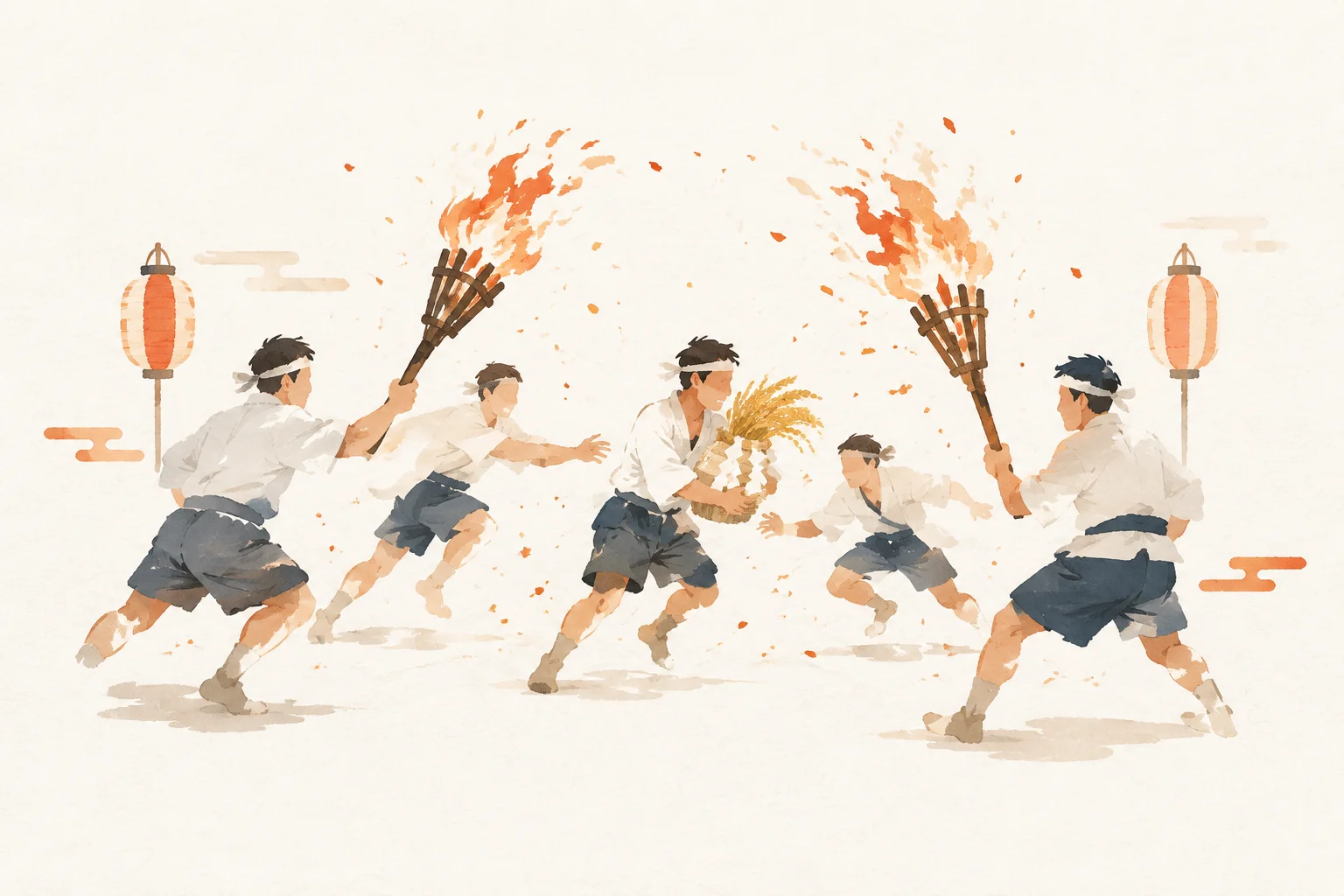
The highlight is the fierce struggle over a bamboo basket called a tebo, held amid flying sparks from torches.
The defenders strike with torches, showering the attackers with sparks, while the attackers use branches to fend them off as they reach for the tebo.
The contest continues with fire and physical competition intertwined until the Gokūsan is brought out and distributed to parishioners and spectators in the .
A traditional Imari festival of sparks and offerings of newly harvested rice
What to expect
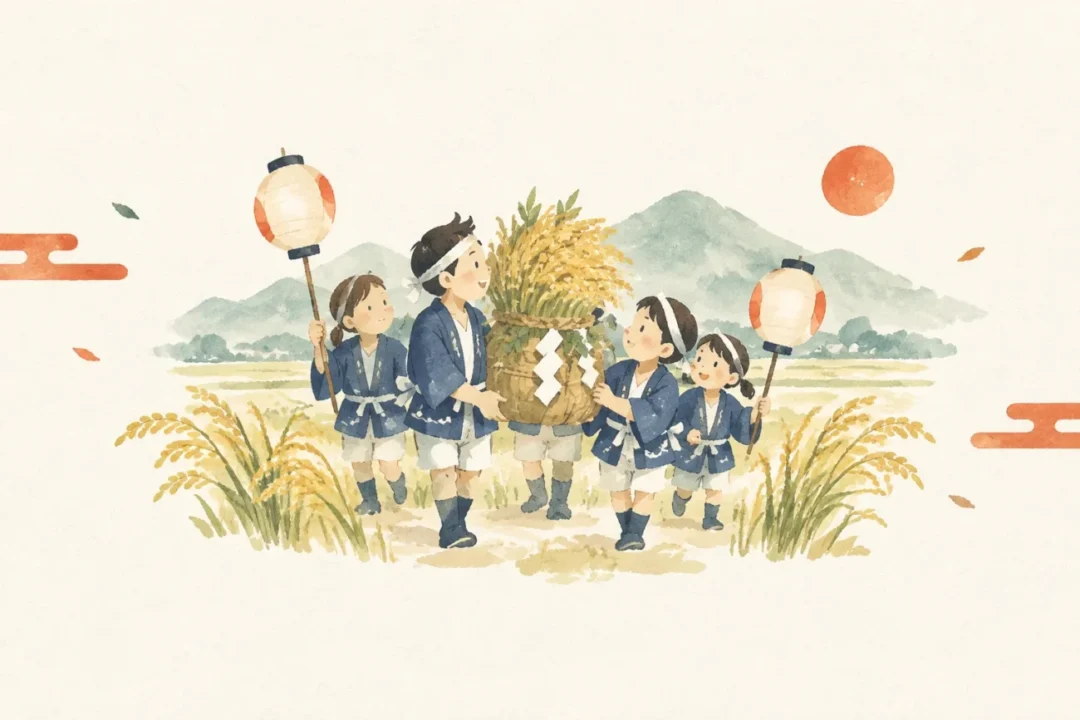
On the day of the festival, glutinous rice is steamed at the gathering place from the afternoon, and 833 small, round Gokūsan are made.
At night, the defenders carry a large torch and the tebo toward Kanbara Hachimangū, where they encounter the attackers in front of the gate.
After the offerings are presented before the deity, the attackers perform , then contest for the tebo in the shrine grounds. The festival ends with everyone sharing the Gokūsan.
How to take part
The festival’s attackers and defenders are men from the local districts.
The defenders are men from the district on duty, while the attackers are men from the other districts.
The Gokusan is distributed to and spectators at the end of the festival, so visitors can join in at the closing of the festivities.
It needs to be confirmed whether members of the general public can take part in the contest.
Location and access
- Venue and address
Kanbara Hachimangū (Ōzato, Niri-chō, Imari City, Saga Prefecture)
- Train and bus
A 15-minute walk from Kawahigashi Station on the Matsuura Railway.
- By car
A 30-minute drive from Imari Higashifushikō IC on the West Kyushu Expressway.
Source: 取り追う祭|NPO 日本の祭りネットワーク
Address Ōzato, Niri-chō, Imari City, Saga Prefecture
Dates and season
The festival is held every year on the day before the first day of the Rabbit in December.
This takes place as an evening-before festival event ahead of the main festival at Kanbara Hachimangu Shrine. Preparations for the sacred food begin in the afternoon, followed at night by a torchlit procession and the contest over the tebo.
Accommodation and hotels PR
Showing nearby accommodation.
Prices and availability are current at the time of retrieval. For multi-night stays, only the first night’s price is shown. Confirm the final price and directions to the venue with the booking provider. Select your dates again when using the area search link. Search area: within 3 km of Central Saga Prefecture / Imari City (the search is not centered on the festival venue)
Tips for your visit
Torches are swung forcefully in the shrine grounds, showering the attackers with sparks. Keep in mind that this festival takes place close to fire when watching.
The contest takes place at night, with participants running and sometimes pushing against one another.
The Gokūsan is distributed to spectators, but please follow on-site instructions about receiving it and where to stay.
Nearby attractions

伊万里市陶器商家資料館
佐賀県伊万里市にある旧陶器商家建物の陶磁資料館
Origins and History of Toriou Matsuri at Kanbara Hachimangū
One tradition says the festival began when Kikuchi Takashige, defeated by Ashikaga Takauji during the Nanboku-chō period, became the chief priest of Kanbara Hachimangū and conducted training amid fire in hopes of restoring his fortunes.
Since Kumano Shrine was enshrined together with Kanbara Hachimangū in Showa 52, the event has become an occasion for the entire Ōzato district, not just the Kami settlement.
With the tradition of the main shrine now discontinued, the Toriou Matsuri continues as the shrine’s largest annual event.
Official information
The Toriou Matsuri at Kanbara Hachimangū is listed in the Database of National Cultural Properties as an “Intangible Folk Cultural Property for which measures such as documentation should be undertaken.”
Its category is “customs and practices” and “festival rites (religious faith).”
Toriou Matsuri at Kanbara Hachimangū at a Glance
The Toriou Matsuri at Kanbara Hachimangū is a festival passed down in Ōzato, Niri-chō, Imari City, centered on fire and offerings made from newly harvested rice.
Men from the district divide into attackers and defenders and struggle to seize a tebo amid flying sparks from torches.
At the end, parishioners and spectators share the Gokūsan, joining in wishes for a bountiful harvest and good health.
Japanese Festivals.jp Editorial Team
Celebrating local culture and helping you discover a side of Japan you never knew.
Article updated: 2026/10/19
Submit information or a correction Submit photos of this festival