A cultural heritage of flute, drum, and dance passed down at shrines across the islands
Goto Kagura

Festival information
EVENT INFORMATION- Season / frequency
- Usually in autumn / Every year
- Location
- Shrines throughout the Goto Islands
- Area
- Nagasaki Prefecture・Goto City, Shinkamigoto Town, Sasebo City(From Tokyo: approx. 1 h 50 min–2 h 20 min · flight time only)Prefecture-level estimate to a main station or airport, not the venue. Airport access, check-in and onward travel are extra; remote areas and islands can take much longer.
- Features
- Highlights and activities
- Wishes behind the festival
- Participation / viewing
- Spectators welcome
- Participation fee
- Tourist : ¥55,000 per group
- Last updated
- 2026/10/19
Performed at shrine festivals across the Goto Islands, Goto Kagura is a traditional performing art passed down mainly by . A variety of dances unfold in an area about one ken square, accompanied by the sounds of drums and flutes.
About Goto Kagura
Goto Kagura is a form of kagura passed down mainly by Shinto priests across the Goto Islands in Nagasaki Prefecture.
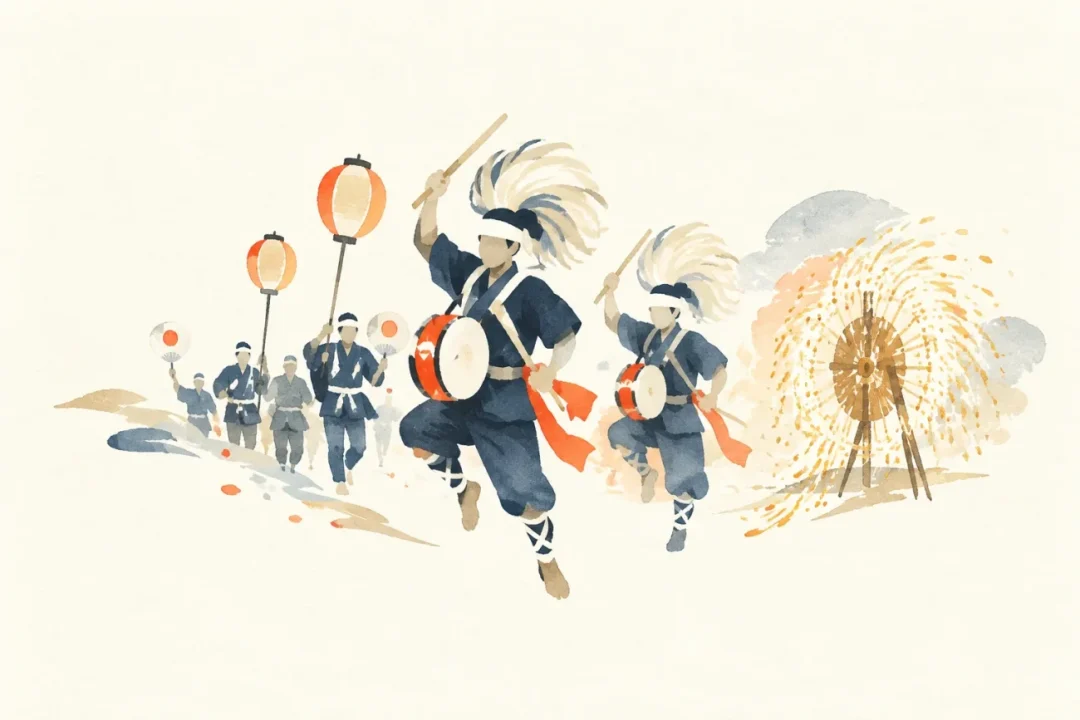
Performed at shrine festivals throughout the region, the dances are based on movements that circle a dance area about one ken square, accompanied by the sounds of taiko drums, flutes, and bells.
Comprising 7 kagura traditions passed down across the Goto Islands, it is an Important Intangible Folk Cultural Property that retains the distinctive character of each area.
Closely connected with shrine festivals, it has been passed down through island life.
Source: 国指定文化財等データベース / 五島神楽【国指定重要無形民俗文化財】 | イベント | 【公式】長崎観光/旅行ポータルサイト ながさき旅ネット
Festival highlights
A highlight is the variety of performances staged within the limited dance area.
Distinctive dances passed down through the tradition include an old-style miko dance in which shrine maidens dance with fans or bells, “Iruka Takamatsu,” which depicts dolphins swimming, and “Shogun-mai,” which conveys divine possession.
In the , the shishi and a tengu engage in a contest to drive away evil spirits, bringing the festival to life with the sounds of taiko drums and flutes.
Source: 五島神楽 / 国指定重要無形民俗文化財 | 特集 | 【公式】新上五島町観光なび
A cultural heritage of flute, drum, and dance passed down at shrines across the islands
What to expect
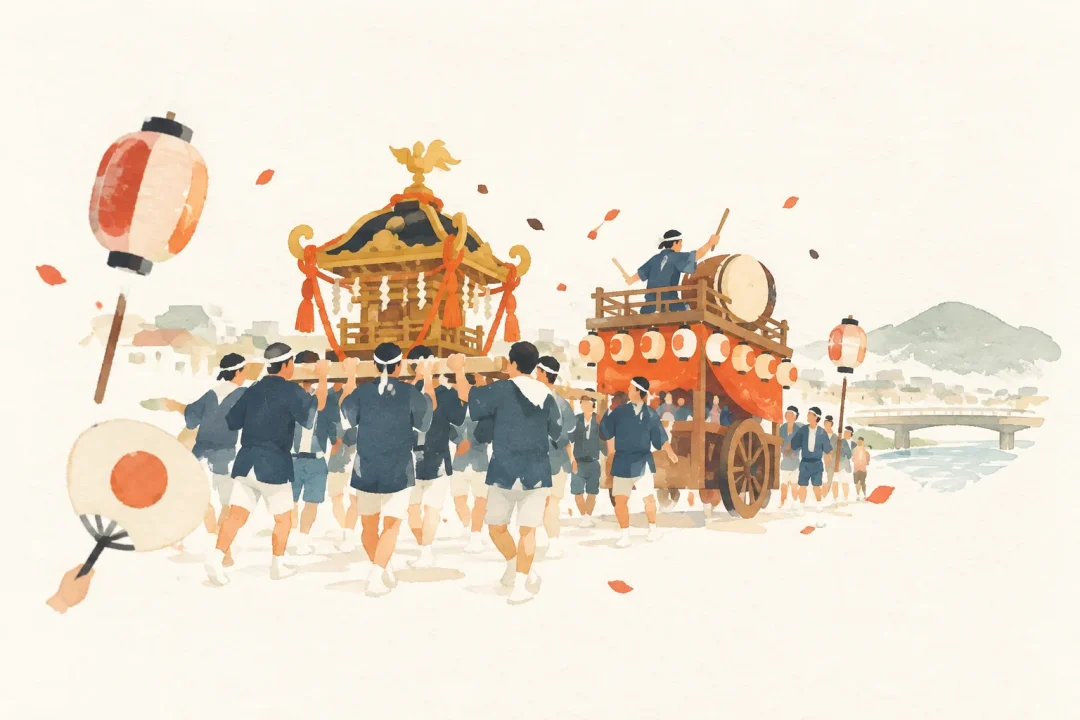
At grand festivals, , shishi lions, and flower floats parade through the district as part of the shrine festivities, followed by a kagura performance.
When the festival lasts 2 days, the first day may include “Okudari,” welcoming the deity, and an eve-of-festival event; the following day features the grand festival and “Onobori,” sending the deity off.
At nighttime kagura performances, the dances begin after the Shinto rites and tamagushi offering. The festival concludes after the grand festival the following day.
This event is organized by local people, who handle everything from preparations to cleanup.
How to take part
Festival preparations and operations are led by local residents of each shrine community.
Local people support the festival by sharing responsibilities, such as putting up , carrying mikoshi, and performing as dancers.
Whether general visitors can join the mikoshi procession or dances varies according to the guidance provided by each shrine or district.
Reserved or designated viewing areas may not be available.
Location and access
- Venue and address
Held at shrines throughout the Goto Islands.
In Shinkamigoto Town, Arikawa Shrine, Aokata Shrine, Masahiko Shrine, and others are listed as venues for tourist performances of kagura.
- By car
Varies by shrine.
- Parking
Parking may not be available.
Event venue 長崎県五島市、新上五島町、佐世保市 五島列島各地の神社
This map uses the venue name. Check the official guide for the event area and entrances.
Dates and season
- Season
Usually in autumn
- Frequency
Every year
Tips for your visit
Because festival dates and venues vary by shrine, decide which shrine to visit before setting out.
Seats cannot be reserved or secured for tourists.
Some shrines may have no parking or toilets. For nighttime eve-of-festival events, take care where you walk and plan your journey home.
Dates and event details may change without notice.
Origins and History of Goto Kagura
Goto Kagura has a history said to date back to a prototype that emerged in the late Muromachi period, with its current form taking shape in the mid-Edo period.
Records from the Edo period mention performances of naginata dances and the 12-part kagura, and the tradition was once passed down throughout the Goto Islands.
Kamigoto Kagura was designated an Intangible Folk Cultural Property of Nagasaki Prefecture in 1981. Goto Kagura as a whole was selected as a National Intangible Folk Cultural Property in 2002 and designated a National Important Intangible Folk Cultural Property in 2016.
Source: 五島神楽 文化遺産オンライン
Official information
Goto Kagura is featured in the Agency for Cultural Affairs’ Database of Nationally Designated Cultural Properties, Nagasaki Prefecture’s cultural property database, the prefecture’s official tourism portal, and the Shinkamigoto Town Tourism Guide.
You can find information on its cultural-property designations, as well as kagura performances, festival offerings, and tourist performances.
Source: 長崎県の文化財
Goto Kagura at a Glance
Goto Kagura is a kagura rich in local character, passed down at shrines throughout the Goto Islands.
Dances that circle a small performance area are accompanied by taiko drums and flutes, miko and lion dances, and distinctive performances.
It is performed at autumn grand festivals alongside mikoshi and processions, with local people supporting the festivities.
Venues and dates vary by shrine, so it is important to decide which shrine to visit and check the details.
Japanese Festivals.jp Editorial Team
Celebrating local culture and helping you discover a side of Japan you never knew.
Article updated: 2026/10/19
Submit information or a correction Submit photos of this festival