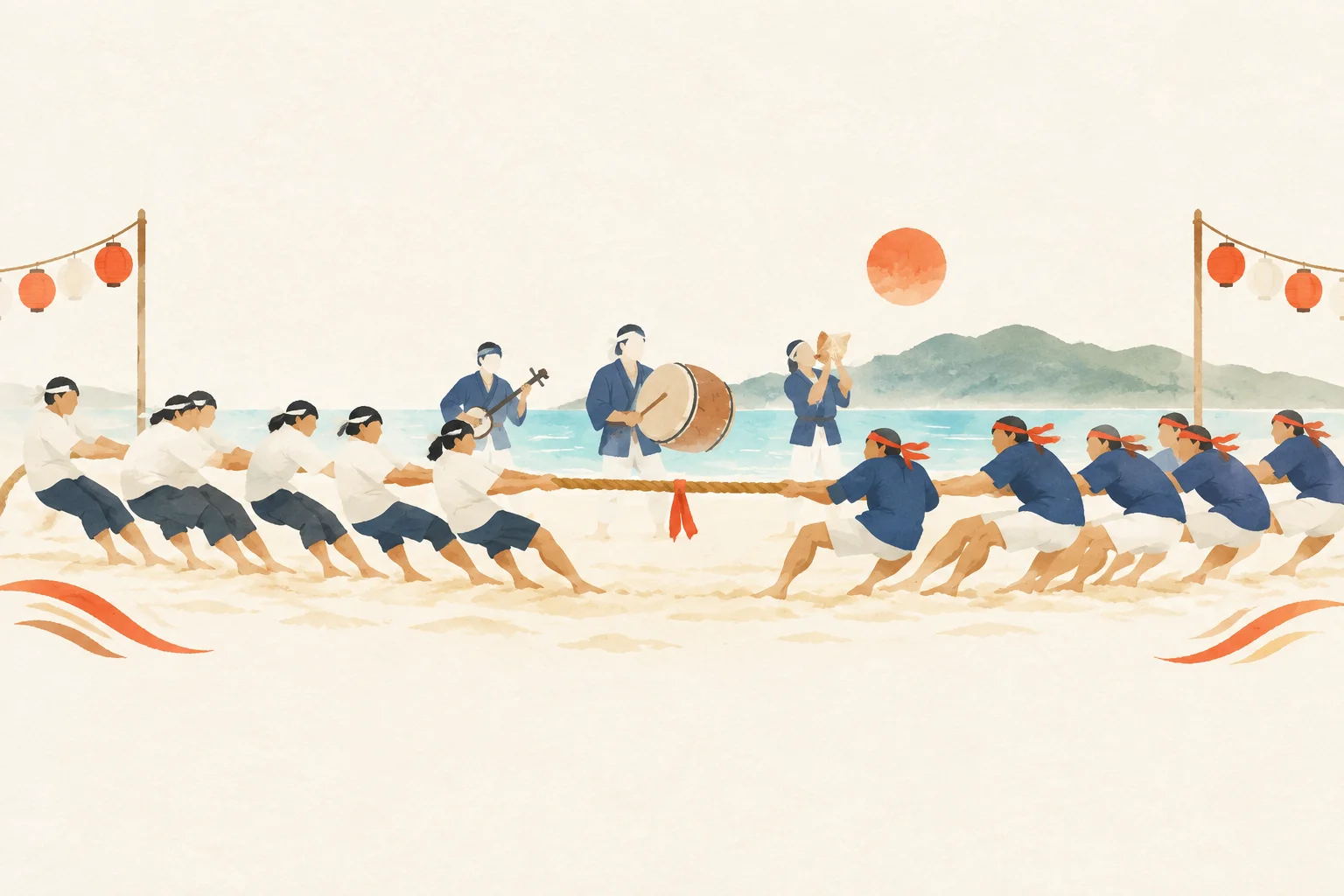
A single-round tug-of-war in Kayo, bringing together prayer and strength on the beach
Kayo Tug-of-War
Festival information
EVENT INFORMATION- Season / frequency
- Around day 26 of lunar month 6 / Every year
- Location
- Kayo Beach
- Area
- Okinawa Prefecture・Nago City(From Tokyo: approx. 2 h 30 min–3 h · flight time only)Prefecture-level estimate to a main station or airport, not the venue. Airport access, check-in and onward travel are extra; remote areas and islands can take much longer.
- Highlights and activities
- Wishes behind the festival
- Last updated
- 2026/10/19
This annual event has been carried on in Kayo, Nago City, Okinawa Prefecture, with prayers for a good harvest and the prosperity of the village. People split into east and west sides on the beach and pull the rope, feeling the bonds of the community alongside the sounds of the sanshin, drums, and conch shells.
About Kayo Tug-of-War
The Kayo Tug-of-War is an annual event passed down in Kayo, Nago City, Okinawa Prefecture.
Locally, it is called “Hoiya-jina” or “Chinapiki,” and is held around day 26 of lunar month 6 to pray for a good harvest and the prosperity of the village.
The community’s prayers and the bonds between its people take shape in this rope-pulling tradition.
Source: 綱引き (嘉陽) - Wikipedia
Festival highlights
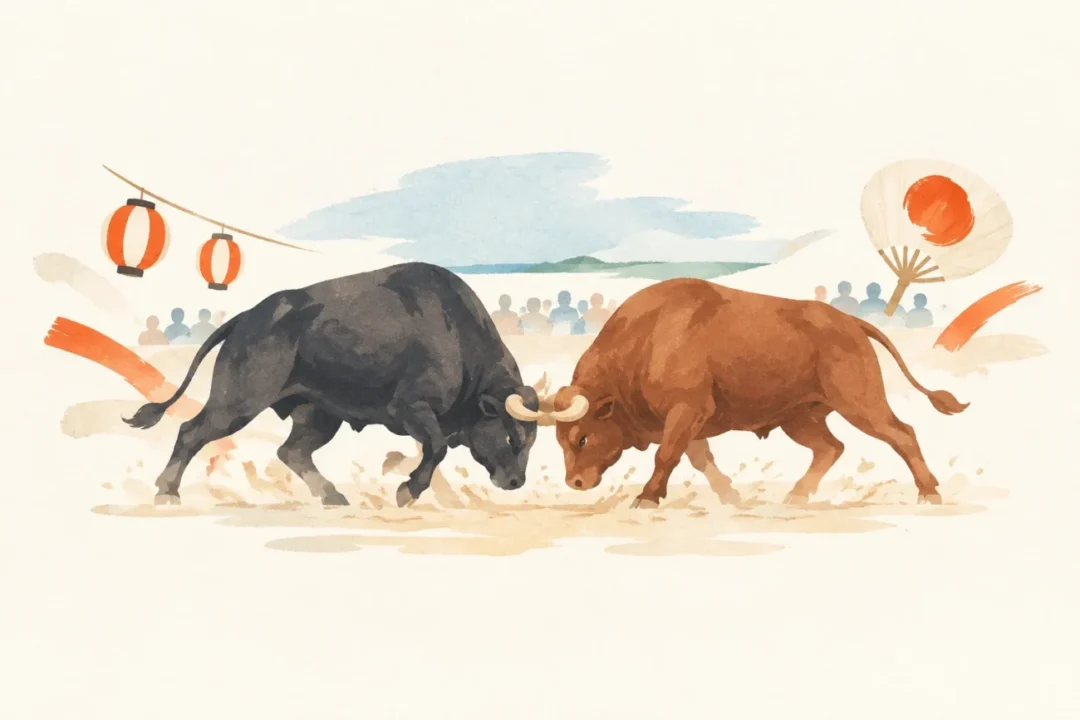
The highlight is the single-round tug-of-war held on the beach in the evening, with people split into east and west sides.
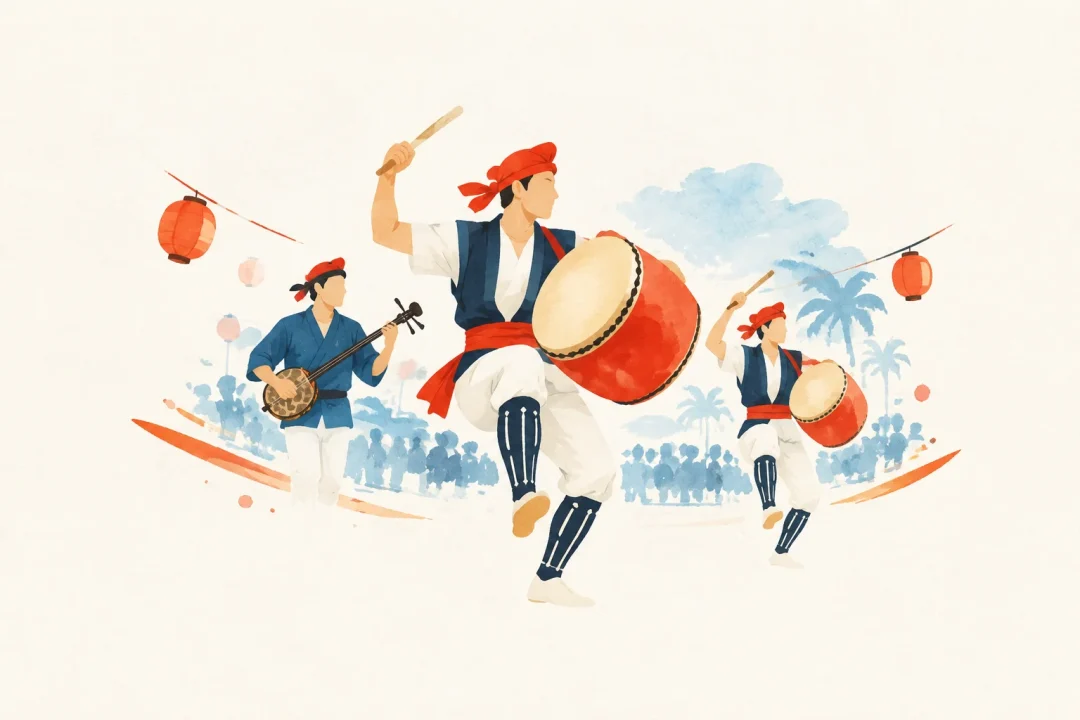
Before the tug-of-war, the sanshin, drums, and conch shells are played to build the atmosphere.
After the contest, the rope is used to make a circular ring for sumo and other activities—a distinctive part of the Kayo tradition.
A single-round tug-of-war in Kayo, bringing together prayer and strength on the beach
What to expect
The rope used for the tug-of-war is braided in the morning.
In the evening, people with straw wrapped around their heads gather on the beach, split into east and west sides, and pull the rope just once.
After the tug-of-war, sumo bouts and other activities take place in a ring made from the rope, letting the community enjoy the lingering atmosphere of the event.
Location and access
- Venue and address
Kayo Beach.
- By car
嘉陽区事務所までの道路案内はあります。
Event venue 沖縄県名護市 嘉陽の浜
This map uses the venue name. Check the official guide for the event area and entrances.
Dates and season
It is usually held around day 26 of lunar month 6.
Because it follows the lunar calendar, the date on the Gregorian calendar varies from year to year.
Accommodation and hotels PR
Showing nearby accommodation.
Prices and availability are current at the time of retrieval. For multi-night stays, only the first night’s price is shown. Confirm the final price and directions to the venue with the booking provider. Select your dates again when using the area search link. Search area: within 3 km of Central Okinawa Prefecture / Nago City (the search is not centered on the festival venue)
Nearby attractions
Around Kayo, the Kayo Shell Mound is located on a dune formed at the mouth of the Kayo River.
Kayo Beach is introduced as a shoreline in Nago City, where visitors can enjoy the sandy beach and coastline.
If you visit during the festival, you can also explore the area’s natural surroundings and historic sites.
Source: 嘉陽(かよう)の読み方 - 沖縄県名護市 - 日本地域情報

ブセナ海中公園
沖縄県名護市にある公園

名護博物館
沖縄県名護市にある博物館
Origins and History of Kayo Tug-of-War
The Kayo Tug-of-War is a local annual event held every year according to the lunar calendar.
In the past, residents who grew rice brought enough straw from each household for their family and prepared the materials for the rope.
After rice cultivation declined in Kayo and straw became harder to gather, they sometimes used rope or bought straw from other areas.
Kayo Tug-of-War at a Glance
The Kayo Tug-of-War is an annual event held around day 26 of lunar month 6 in Kayo, Nago City.
The rope is braided in the morning, and in the evening people split into east and west sides on the beach for a single-round tug-of-war.
With the sounds of the sanshin, drums, and conch shells, as well as sumo bouts in a ring made from the rope, the event offers a sense of the village’s prayers and shared community life.
Japanese Festivals.jp Editorial Team
Celebrating local culture and helping you discover a side of Japan you never knew.
Article updated: 2026/10/19
Submit information or a correction Submit photos of this festival