A traditional sacred rite in which a sword and water are used to quell a fire and pray for the safety of the community
Iwamuro Shrine Fire-Quelling Festival
Festival information
EVENT INFORMATION- Season / frequency
- Every year October 28 / Once a year
- Location
- Iwamuro Shrine
- Area
- Shizuoka Prefecture・Shimada City(From Tokyo: approx. 1 h–1 h 30 min · bullet train)Prefecture-level estimate to a main station or airport, not the venue. Airport access, check-in and onward travel are extra; remote areas and islands can take much longer.
- Features
- Wishes behind the festival
- Last updated
- 2026/11/14
A sacred fire-quelling rite to prevent fires, passed down at Iwamuro Shrine in Kanaya Shinmachi, Shimada City.
About Iwamuro Shrine Fire-Quelling Festival
The Iwamuro Shrine Fire-Quelling Festival is a ritual to prevent fires and is also called “Hoshizume no Matsuri.”
A sacred rite held at Iwamuro Shrine in Kanaya Shinmachi, Shimada City, every year on October 28, after waiting for sunset.
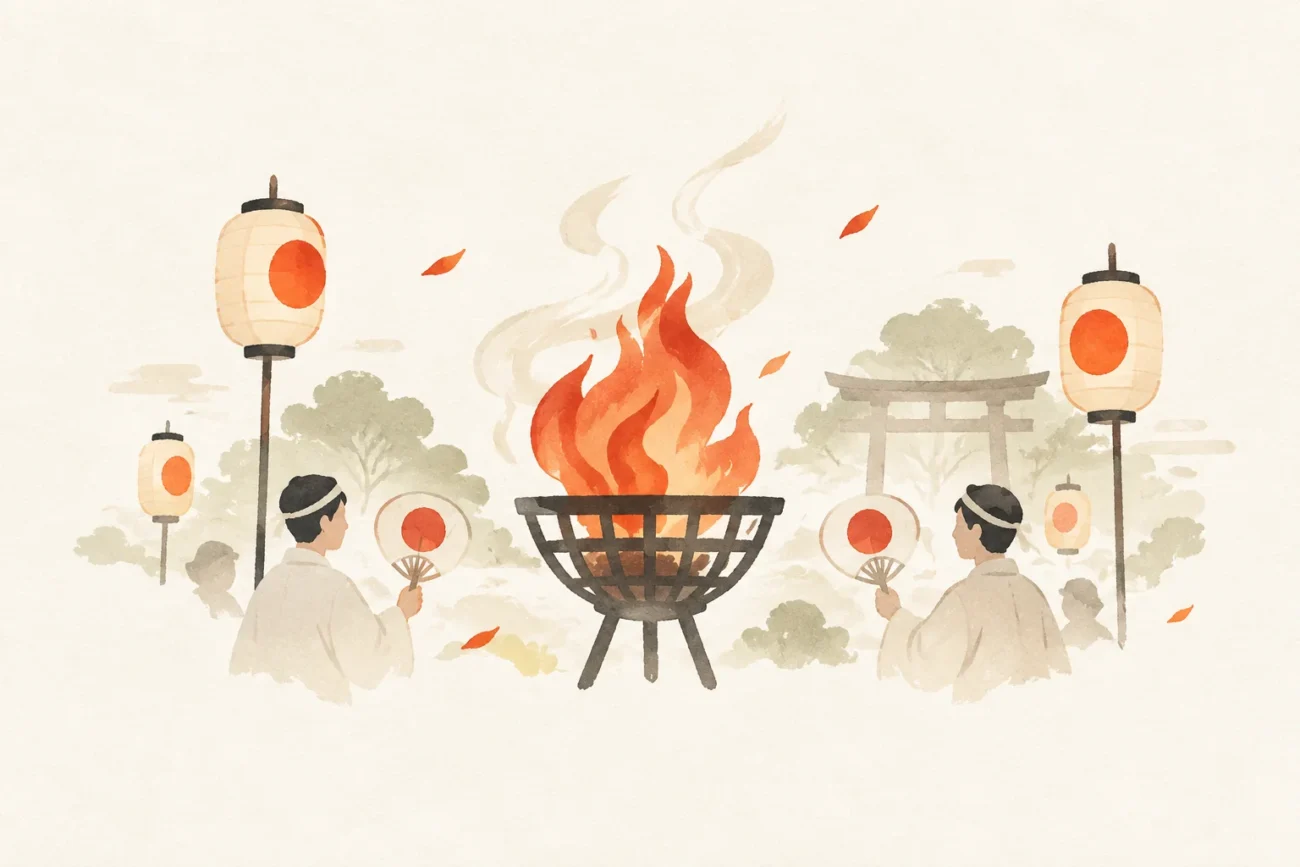
A ritual site is set up in the garden, and gestures to quell the fire convey the wish to protect the community from fire-related disasters.
It was designated a Shimada City Intangible Folk Cultural Property in Heisei 2July 9.
Festival highlights
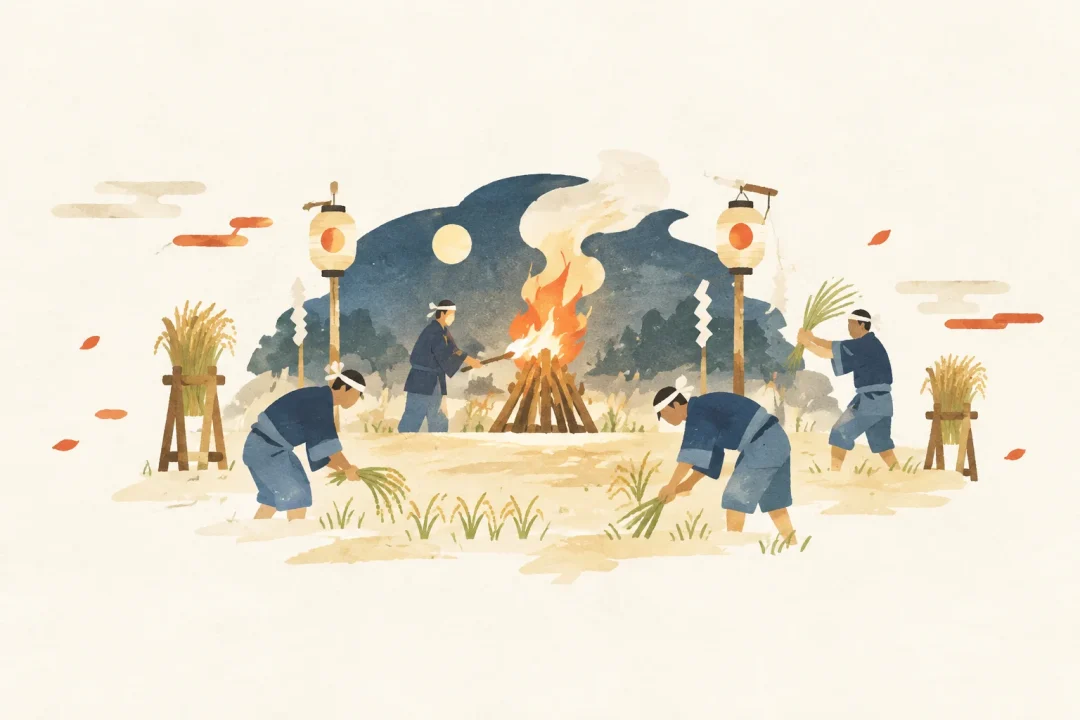
The highlight is a series of gestures in which a shrine priest cuts at a bonfire prepared in advance with a sword, then quenches it using water held in a gourd, Haniyamahime, and kawana.
After the fire has been extinguished, the charcoal is distributed to attendees as a charm for fire prevention.
Since it begins after waiting for sunset, you can sense both the tension of a sacred rite involving fire and the custom of sharing its wishes after the fire has been quenched.
A traditional sacred rite in which a sword and water are used to quell a fire and pray for the safety of the community
What to expect
The rite begins with a ritual site being set up in the garden; the gather after waiting for sunset.
The shrine priest cuts at the bonfire with a sword, pours water held in a gourd over it, and uses Haniyamahime and kawana to quell the fire.
At the end, the extinguished charcoal is distributed to attendees as a charm for fire prevention.
This explains the sequence of gestures and the custom involving the charcoal.
Location and access
- Venue and address
Iwamuro Shrine, 1-1 Kanaya Shinmachi, Shimada City
- Train and bus
About a 3-minute walk from Kanaya Station on the JR Tokaido Main Line
- Parking
5–6 spaces beyond the
Address 1-1 Kanaya Shinmachi, Shimada City
Dates and season
- Season
Every year October 28
- Frequency
Once a year
Accommodation and hotels PR
Showing nearby accommodation.
Prices and availability are current at the time of retrieval. For multi-night stays, only the first night’s price is shown. Confirm the final price and directions to the venue with the booking provider. Select your dates again when using the area search link. Search area: within 3 km of Central Shizuoka Prefecture / Shimada City (the search is not centered on the festival venue)
Origins and History of Iwamuro Shrine Fire-Quelling Festival
The origins of the Iwamuro Shrine Fire-Quelling Festival can be traced to court rituals of the Nara period.
At Iwamuro Shrine, the event is said to have continued since the Genbun era (1736–1740). Following a series of major fires in Kanaya-juku at the time, it is believed that the shrine priest of the day began the rite in accordance with court rituals.
In Heisei 2July 9, it was designated a city Intangible Folk Cultural Property.
Official information
Shimada City official website, “Iwamuro Shrine Fire-Quelling Festival”
Iwamuro Shrine Fire-Quelling Festival at a Glance
The Iwamuro Shrine Fire-Quelling Festival is a sacred rite to ward off fire-related disasters, passed down at Iwamuro Shrine in Kanaya Shinmachi, Shimada City.
After waiting for sunset, a ritual site is set up, and a bonfire is quenched using a sword, water, Haniyamahime, and kawana. Finally, the charcoal is distributed as a charm for fire prevention.
This event has continued since the Genbun era and was designated a Shimada City Intangible Folk Cultural Property in Heisei 2.
Sources and references
Japanese Festivals.jp Editorial Team
Celebrating local culture and helping you discover a side of Japan you never knew.
Article updated: 2026/11/14