An old sumo ritual celebrating the pond embankment, from bow-twirling to children’s sumo
Ishiyama Hana Sumo
Festival information
EVENT INFORMATION- Location
- Takajo Kannonike Park
- Area
- Miyazaki Prefecture・Miyakonojo City(From Tokyo: approx. 1 h 40 min–2 h · flight time only)Prefecture-level estimate to a main station or airport, not the venue. Airport access, check-in and onward travel are extra; remote areas and islands can take much longer.
- Features
- Last updated
- 2026/11/24
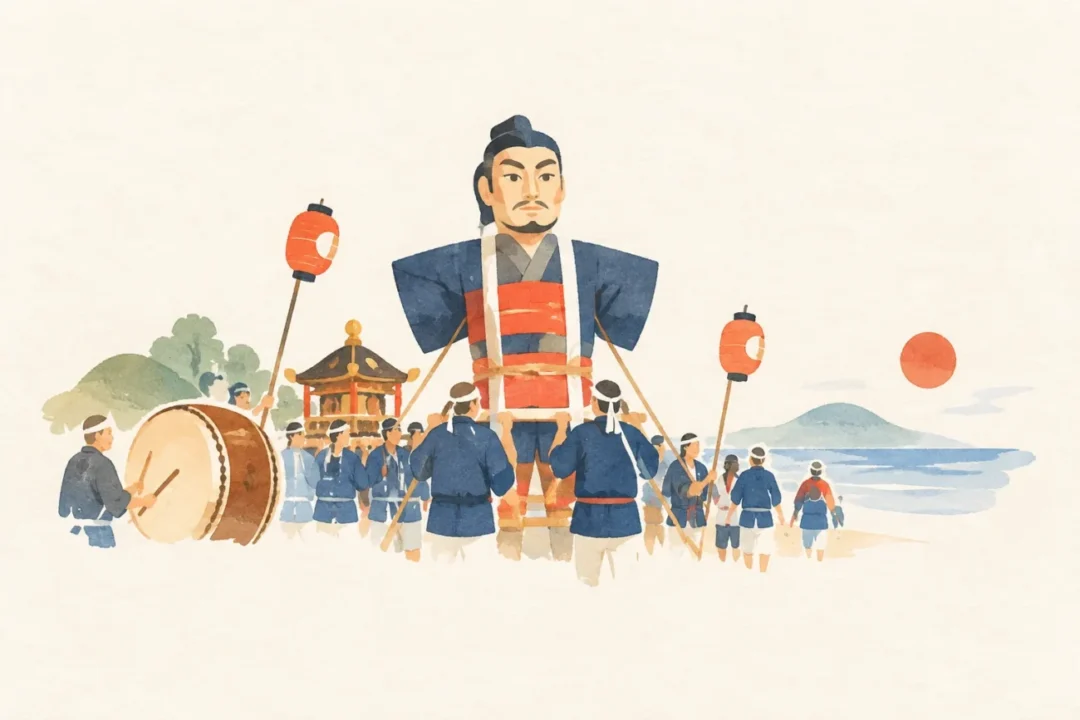
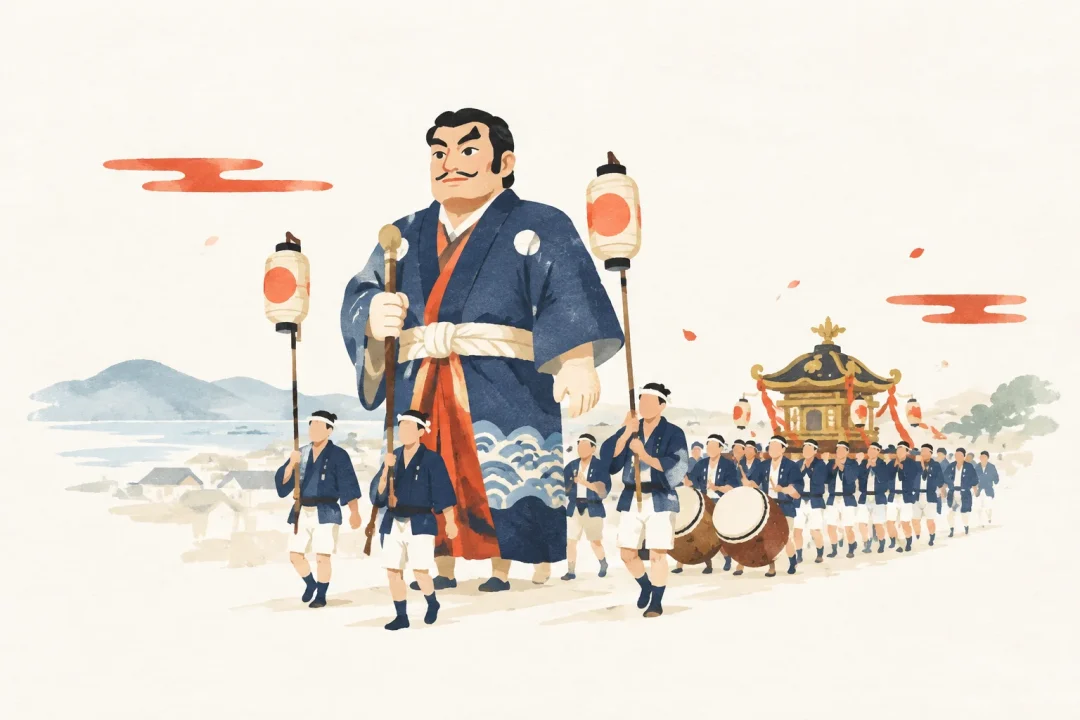
Ishiyama Hana Sumo, passed down in Ishiyama, Takajo-cho, Miyakonojo City, is sumo offered to the deities with origins in a celebration of the embankment at Joman Pond. The event features customs passed down in the local community, including an old-style bow-twirling performance and flower sumo bouts by children.
About Ishiyama Hana Sumo
Ishiyama Hana Sumo is sumo offered to the deities, passed down in Ishiyama, Takajo-cho, Miyakonojo City. It is a city-designated intangible folk cultural property.
During the Edo period, it is said to have begun to celebrate the completion or repair of the embankment at Joman Pond, and to have symbolized tamping down the pond’s embankment by walking over it.
It originally featured a dance offered to the deities, but is also said to have changed into sumo offered to the deities in a later generation.
Festival highlights
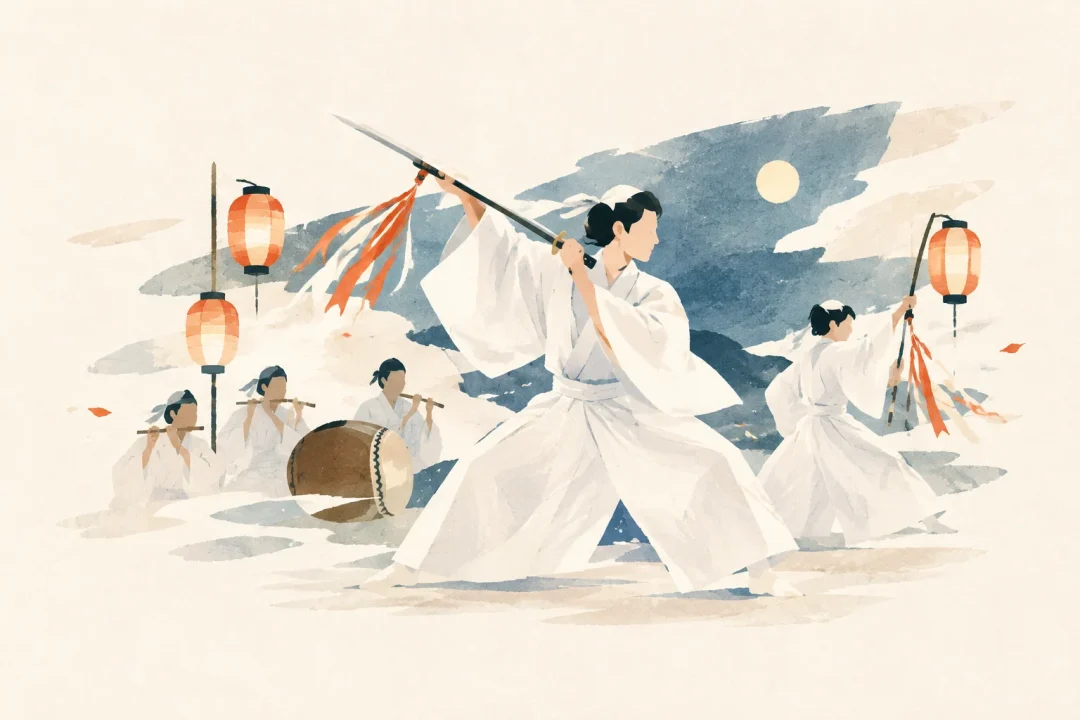
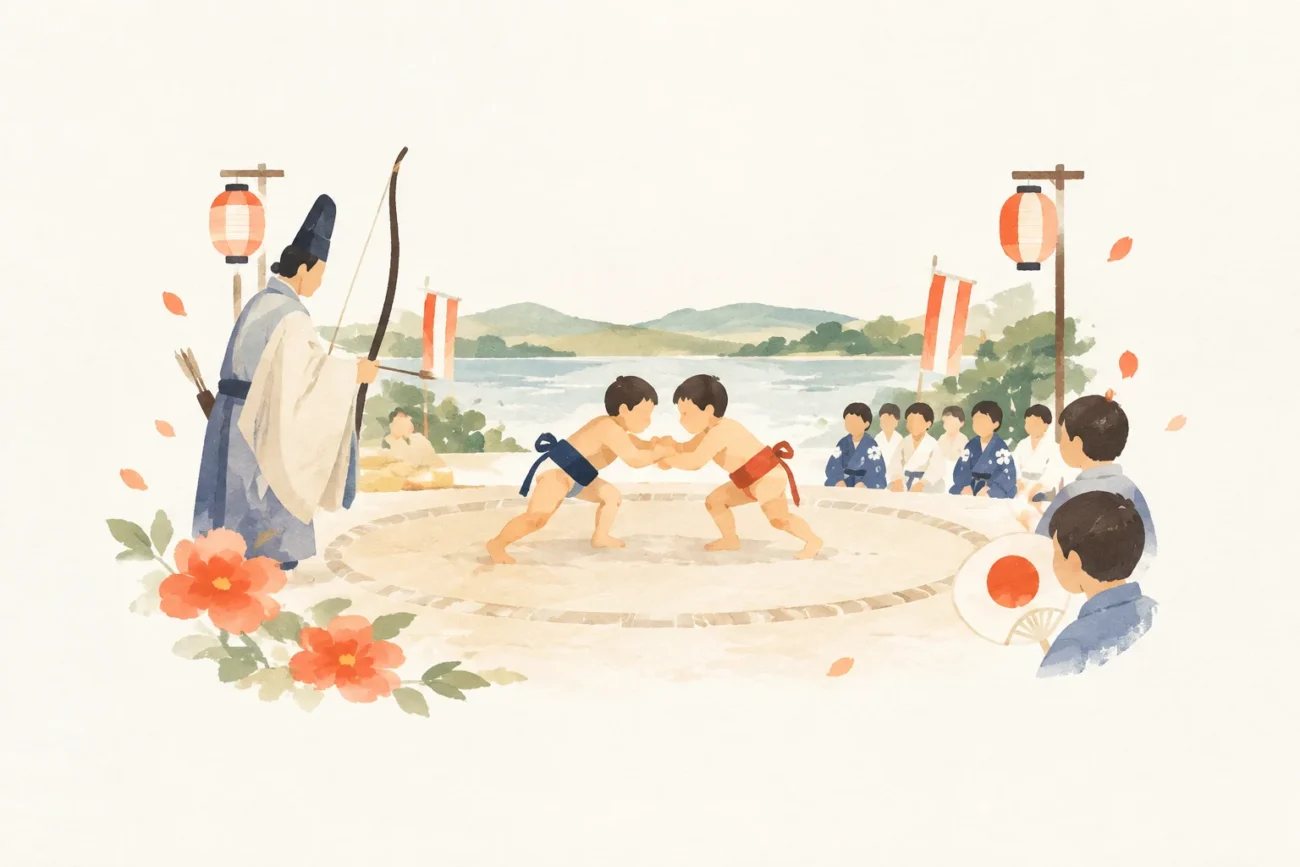
The highlight is an old-style bow-twirling performance, unlike the one seen in modern professional sumo.
The event also features flower sumo bouts by children aged 7 by traditional Japanese counting and a ring-entering ceremony for babies. Sumo bouts for children and young people begin afterward.
It is said that this was once a famous sumo event offered to the deities, drawing strong wrestlers from nearby areas.
An old sumo ritual celebrating the pond embankment, from bow-twirling to children’s sumo
What to expect
The event begins with a performance of an old-style bow-twirling ritual, unlike the one seen in modern professional sumo.
Next come flower sumo bouts by children aged 7 by traditional Japanese counting, followed by a ring-entering ceremony for babies. Sumo bouts for children and young people begin afterward.
The sequence of sumo offered to the deities reflects an old style passed down in the local community.
Location and access
- Venue and address
Takajo Kannonike Park / 4195 Ishiyama, Takajo-cho, Miyakonojo City, Miyazaki Prefecture
- Train and bus
From Miyakonojo Station on the JR Nippo Main Line, take a Miyazaki Kotsu bus bound for Arimizu, get off at Kannonike Park Entrance, and walk about 5 minutes.
- By car
About 10 minutes from Miyakonojo IC on the Miyazaki Expressway
Address 4195 Ishiyama, Takajo-cho, Miyakonojo City, Miyazaki Prefecture
Accommodation and hotels PR
Showing nearby accommodation.
Prices and availability are current at the time of retrieval. For multi-night stays, only the first night’s price is shown. Confirm the final price and directions to the venue with the booking provider. Select your dates again when using the area search link. Search area: within 3 km of Central Miyazaki Prefecture / Miyakonojo City (the search is not centered on the festival venue)
Nearby attractions

早水公園
宮崎県の公園・庭園のスポットです。

旭丘神社
宮崎県都城市姫城町にある神社

観音池公園
宮崎県の公園・庭園のスポットです。

都城島津邸
宮崎県の博物館・美術館のスポットです。

都城市立美術館
宮崎県都城市にある美術館

都城歴史資料館
宮崎県都城市にある資料館
Origins and History of Ishiyama Hana Sumo
Ishiyama Hana Sumo is said to have begun during the Edo period to celebrate the completion or repair of the embankment at Joman Pond.
The event is said to have symbolized tamping down the pond’s embankment by walking over it, and originally featured a dance offered to the deities.
It is also said to have changed into sumo offered to the deities in a later generation. Today, it is a city-designated intangible folk cultural property.
Official information
Miyakonojo City official page, “Ishiyama Hana Sumo (いしやまはなずもう)”
Ishiyama Hana Sumo at a Glance
Ishiyama Hana Sumo is a city-designated intangible folk cultural property passed down in Ishiyama, Takajo-cho, Miyakonojo City.
It is said to have begun during the Edo period to celebrate the completion or repair of the embankment at Joman Pond, and to have symbolized tamping down the pond’s embankment by walking over it.
Highlights include an old-style bow-twirling performance, flower sumo bouts by children, a ring-entering ceremony for babies, and sumo bouts for children and young people.
Sources and references
Japanese Festivals.jp Editorial Team
Celebrating local culture and helping you discover a side of Japan you never knew.
Article updated: 2026/11/24