Machida’s Hikeshi Procession: costumes and movements carrying on a wish for disaster prevention
Hikeshi Procession
Festival information
EVENT INFORMATION- Season / frequency
- In the Year of the Ox and the Year of the Sheep, March / Every 6 years
- Location
- Suifu area and elsewhere
- Area
- Ibaraki Prefecture・Hitachiōta(From Tokyo: approx. 1 h 10 min–1 h 30 min · limited express)Prefecture-level estimate to a main station or airport, not the venue. Airport access, check-in and onward travel are extra; remote areas and islands can take much longer.
- Features
- Highlights and activities
- Wishes behind the festival
- Last updated
- 2026/11/11
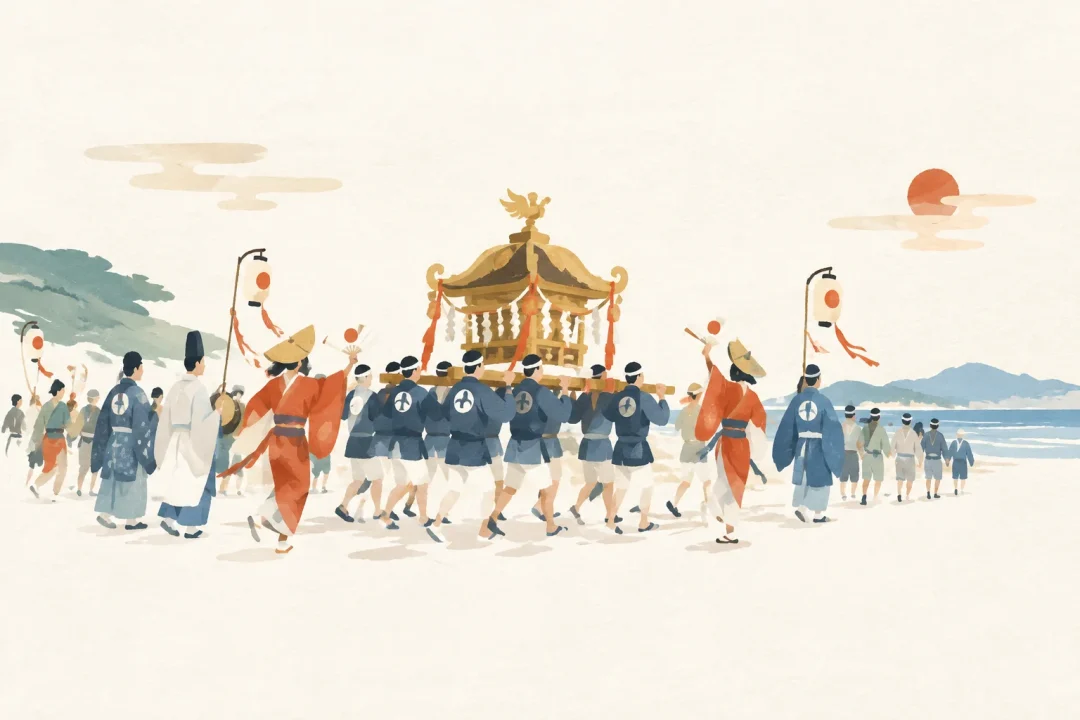
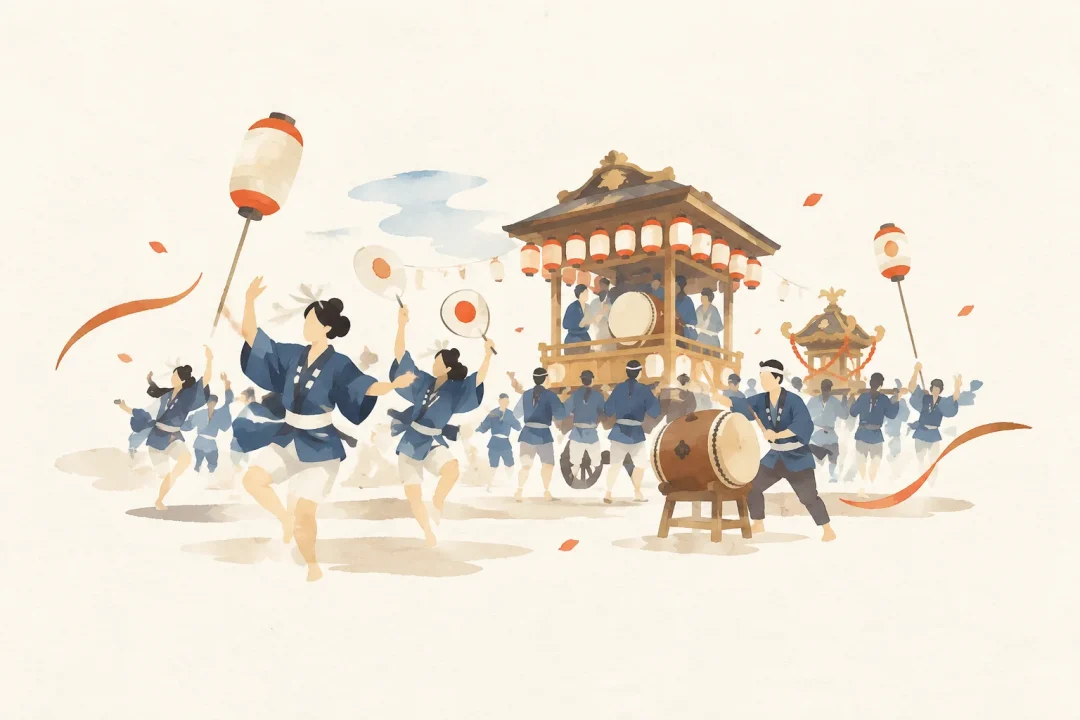
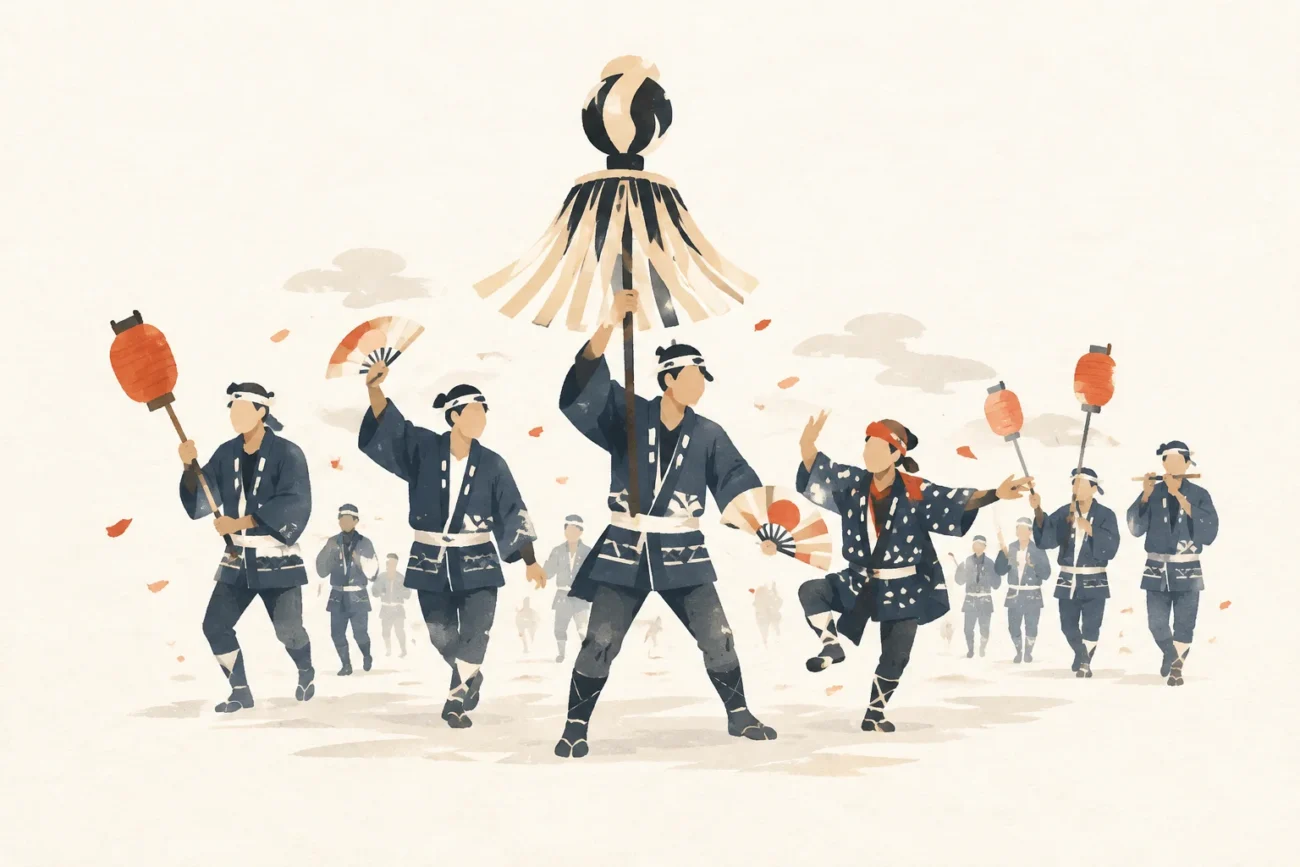
The Hikeshi Procession, passed down in Machida, Hitachiōta, is a folk performing art in which a group dressed in firefighting attire advances with distinctive movements. This historic procession has been passed down through generations, performing matoi routines, local songs, and clowning ahead of the at the small festival of Kinasa .
About Hikeshi Procession
The Hikeshi Procession is associated with Machida, Hitachiōta, and accompanies the mikoshi togyo ahead of the small festival of Kinasa Jinja.
About 100 people dressed in firefighting attire proceed in distinct roles, including stewards, matoi performers, and tobi.
Today, the preservation society maintains and repairs the costumes and equipment, and continues its efforts to pass the tradition on as a folk performing art.
Festival highlights
The highlight is the orderly progress of the procession, dressed in firefighting attire and moving with distinctive gestures and brisk steps.
The procession includes stewards, runners, flag bearers, kanabō bearers, a matoi leader, matoi performers, and tobi, each with distinct movements and duties.
Humorous local songs and clowning performances add to the spectacle, bringing the costumes, movements, and calls together in a folk performing art.
Machida’s Hikeshi Procession: costumes and movements carrying on a wish for disaster prevention
What to expect
The procession is led by stewards, followed by runners, flag bearers, kanabō bearers, the matoi leader, matoi performers, tobi, and front performers.
Behind them come the koshō, made up of the group (young samurai) and children, the fire brigade leader riding a horse, and rear performers who act as clowns.
The Hikeshi Procession is described as accompanying the procession of Nishi-Kinasa Jinja and leading it into the festival grounds.
Location and access
- Venue and address
Suifu area and elsewhere / Machida, Hitachiōta
Address Machida, Hitachiōta
Dates and season
- Season
In the Year of the Ox and the Year of the Sheep, March
- Frequency
Every 6 years
Accommodation and hotels PR
Showing nearby accommodation.
Prices and availability are current at the time of retrieval. For multi-night stays, only the first night’s price is shown. Confirm the final price and directions to the venue with the booking provider. Select your dates again when using the area search link. Search area: within 3 km of Central Ibaraki Prefecture / Hitachiōta (the search is not centered on the festival venue)
Nearby attractions

西山荘
茨城県の公園・庭園のスポットです。
Origins and History of Hikeshi Procession
The Hikeshi Procession began after a fire broke out during the small festival in Genbun 4 (1739), throwing the crowd into confusion.
Toki Senkaku, a doctor from Machida, advocated preparations for firefighting and disaster prevention, and devised the Machida Hikeshi Procession based on a firefighting group he had seen at the Kanda Myōjin festival.
It first accompanied the mikoshi togyo as its vanguard at the small festival in Enkyō 2 (1745), and became a prefecturally designated cultural property in Showa 30 (1955).
Official information
The Hitachiōta City official website has information on the “Machida Hikeshi Procession,” and the Ibaraki Prefectural Board of Education’s cultural property information also introduces its location and preservation society.
Hikeshi Procession at a Glance
The Hikeshi Procession, passed down in Machida, Hitachiōta, is a folk performing art that leads the mikoshi togyo at the small festival of Kinasa Jinja.
About 100 people dressed in firefighting attire proceed with matoi performances, calls, local songs, and clowning.
Its distinctive features include a history that began with the fire of 1739 and its first appearance in the procession in 1745, as well as efforts by the preservation society to pass it on.
Sources and references
Japanese Festivals.jp Editorial Team
Celebrating local culture and helping you discover a side of Japan you never knew.
Article updated: 2026/11/11