Two days of yotsudaiko and traditional offerings bringing color to autumn in Gobo
Gobo Festival

The 2026 edition of Gobo Festival has ended.
Festival information
EVENT INFORMATION- Dates
- 2026/10/04 〜 2026/10/05Ended
- Season / frequency
- Every year on October 4 and the 5th / Every year
- Location
- Kotake Hachiman Shrine, Prefectural Route 185 (the 18-meter-wide road), and the coast at Enju-ga-hama in Mihama Town (, the ’s temporary resting place)
- Area
- Wakayama Prefecture・Gobo City and Mihama Town(From Tokyo: approx. 3 h 30 min–4 h · bullet train + connecting train)Prefecture-level estimate to a main station or airport, not the venue. Airport access, check-in and onward travel are extra; remote areas and islands can take much longer.
- Features
- Highlights and activities
- Participation / viewing
- Spectators welcome
- Participation fee
- Free
- Last updated
- 2026/10/19
The Gobo Festival is held at Kotake Hachiman Shrine in Gobo City, with parishioner groups offering dances and , as well as yotsudaiko performances. A variety of events, including the mikoshi procession and groups entering the , continue over the 2 days of the eve-of-festival celebrations and the main festival.
About Gobo Festival
Photo credits and terms of use
Photographer: コーヒー123 File:Gobomatsuri.jpg / Wikimedia Commons / CC BY-SA 4.0 Own work by the contributorDisplay size only adjusted.May differ from the event currently featured.The Gobo Festival is the annual grand festival held at Kotake Hachiman Shrine in Sono, Gobo City.
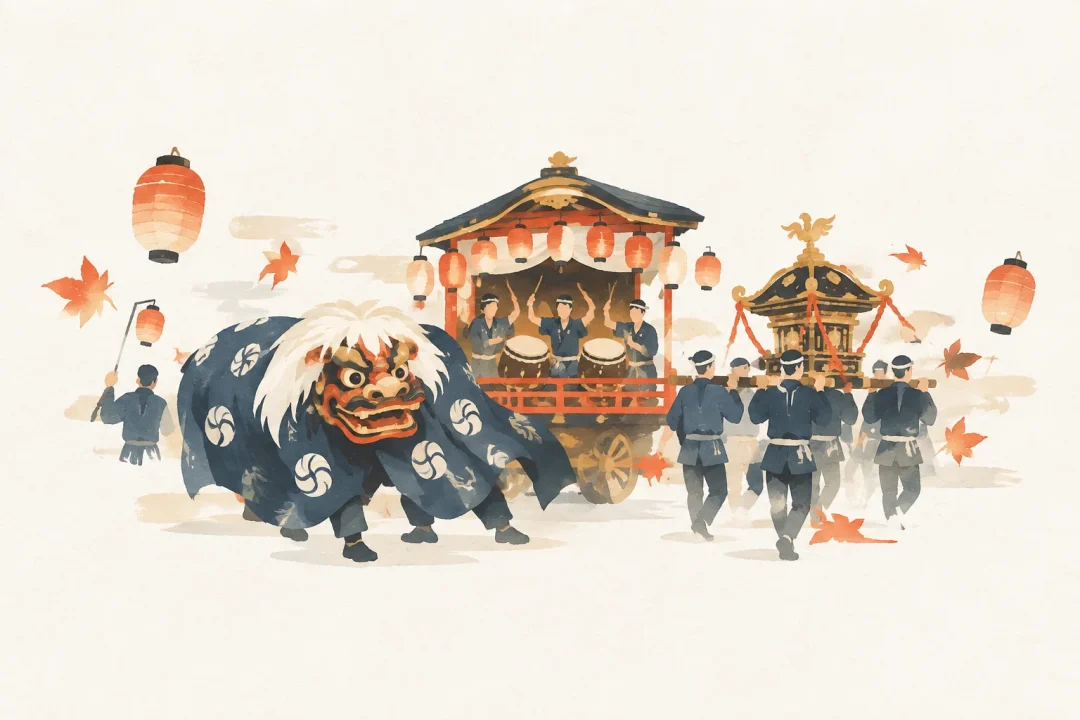
Ten parishioner groups make offerings including flag-bearing performances, festival dances, and lion dances, while young men carry the yotsudaiko.
Festival traditions connected with the region’s history, livelihoods, and religious life have been passed down and are protected as a Wakayama Prefecture-designated Intangible Folk Cultural Property.
Source: 御坊祭/御坊市ホームページ
Festival highlights
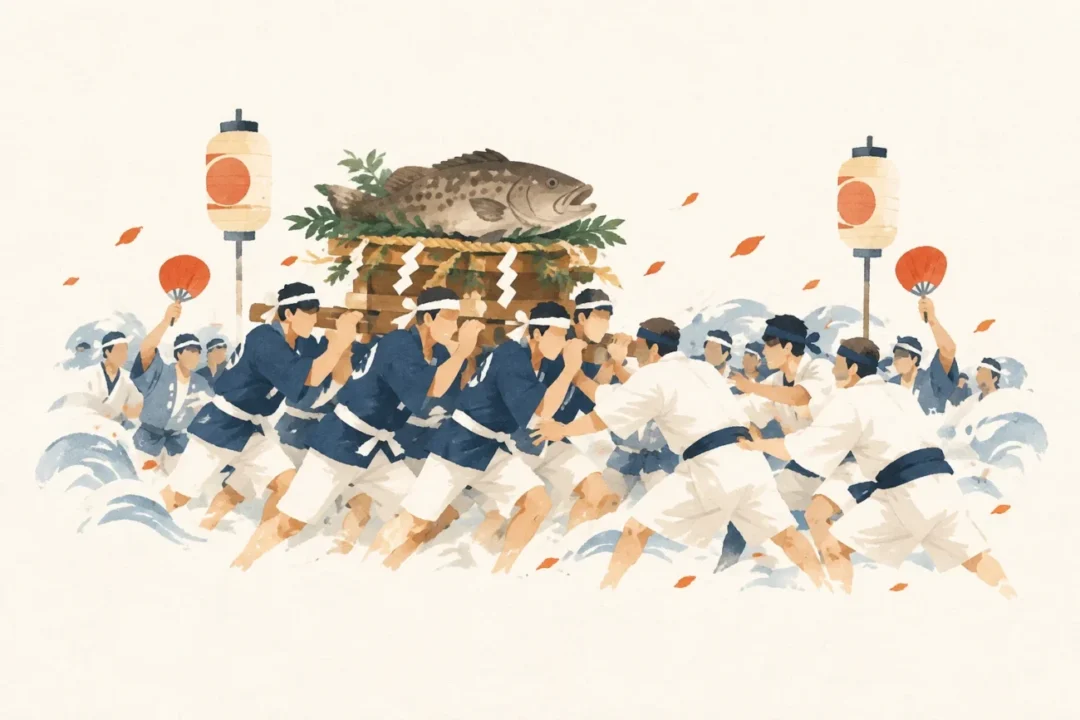
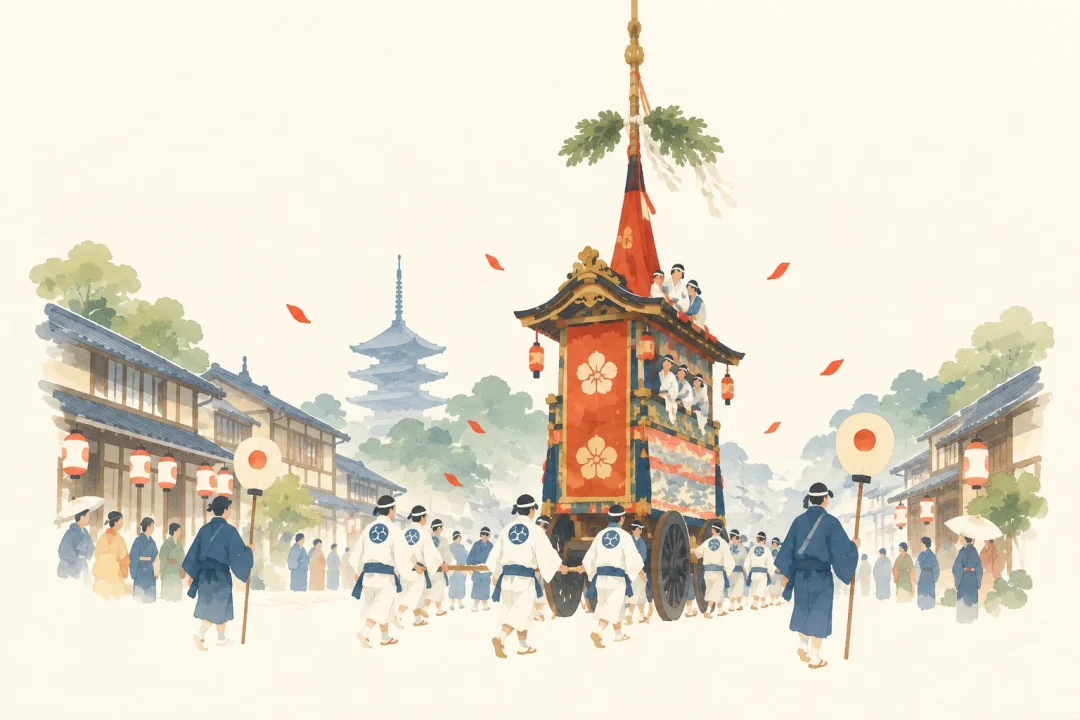
The main highlight is the yotsudaiko, carried by young men working together.
On top of the taikodai, performers wearing makeup like kabuki kumadori face paint beat the drums and lean dramatically backward.
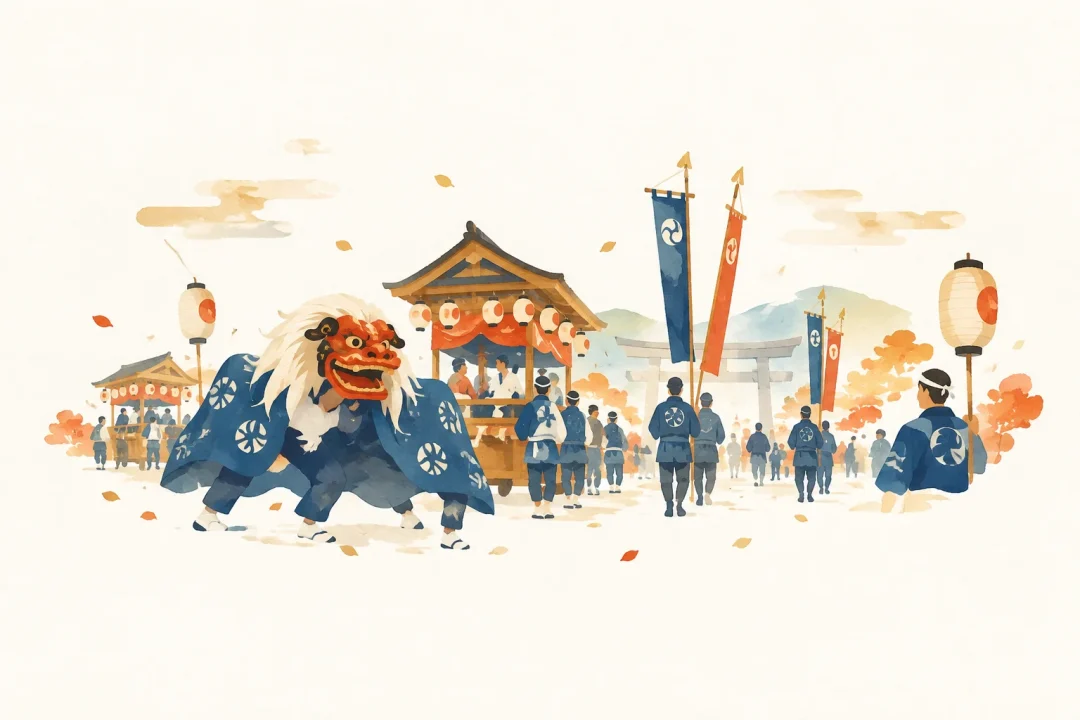
The shrine grounds also come alive with a variety of offerings passed down by each parishioner group, including festival dances, lion dances, banners, and floats.
Two days of yotsudaiko and traditional offerings bringing color to autumn in Gobo
What to expect
On the eve of the festival, parishioner groups offer performances in the shrine grounds, followed by a joint yotsudaiko procession in the evening.
On the main festival day, the mikoshi leaves the shrine and heads to its o-tabisho in Mihama Town. Along the way, a shio-kake ceremony is held at Enju-ga-hama.
After the mikoshi returns, offerings including dances and lion dances by each group continue, followed by the groups’ yotsudaiko and floats entering the shrine grounds. Main festival events continue until late at night.
How to take part
Visitors can watch the event.
参加費:無料
Location and access
- Venue and address
Kotake Hachiman Shrine (646 Sono, Gobo City, Wakayama Prefecture) and Prefectural Route 185 (the 18-meter-wide road).
The coast at Enju-ga-hama in Mihama Town is also a venue for events during the main festival day’s mikoshi procession.
- Train and bus
At Gobo Station on the JR Kinokuni Line, transfer to the Kishu Railway and get off at the terminus, Nishi-Gobo Station.
It is about a 5-minute walk.
- By car
About 10 minutes from Gobo IC on the Hanwa Expressway.
- Parking
Free parking is available.
Source: 御坊祭 2026 - 御坊市 お祭り・伝統行事|和歌山情報サイト - ぐるわか
Address Kotake Hachiman Shrine: 646 Sono, Gobo City, Wakayama Prefecture / Coast at Enju-ga-hama in Mihama Town (o-tabisho, the mikoshi’s temporary resting place)
Dates and season
2026 event information (the dates listed have passed)
The 2026 schedule listed the eve-of-festival celebrations for October 4 (Sunday) and the main festival for October 5 (Monday).
On the 4th, each group is scheduled to enter the shrine grounds from noon, followed by a joint yotsudaiko procession along Prefectural Route 185 in the evening.
Highlights on the 5th include the morning mikoshi procession, afternoon offerings, and each group’s shrine entry, which continues from 3 p.m. until late at night.
Tips for your visit
The event venues differ between the eve-of-festival celebrations and the main festival day. In addition to offerings in the shrine grounds, there is a joint procession along Prefectural Route 185 and a mikoshi procession to the coast at Enju-ga-hama.
In particular, the groups’ shrine entry on the main festival day is scheduled from 3 p.m. to midnight and continues into the night.
Please watch from a place that does not obstruct the proceedings at each venue, and do not get too close to the yotsudaiko or the procession.
Origins and History of Gobo Festival
The Gobo Festival is said to have taken its present name in the year 1889, when Sono Village, Gobo Village, and Shima Village merged to form Gobo Town; until then, it was called the Sono Festival.
Festival implements and performances are thought to have taken shape by incorporating elements that became popular in various places from the Edo period onward.
The present-day festival is recognized as being closely connected with the region’s history, livelihoods, and religious life.
Official information
See Gobo City’s “Gobo Festival” information page for an overview of the festival, its cultural property designation, and event details.
Gobo Festival at a Glance
The Gobo Festival is a signature autumn festival in Gobo, centered on Kotake Hachiman Shrine, where parishioner groups offer performances alongside yotsudaiko processions.
The 2026 event was listed as taking place on October 4 and the 5th, with an eve-of-festival procession, a mikoshi procession on the main festival day, and groups entering the shrine grounds.
Events take place not only in the shrine grounds but also along Prefectural Route 185 and at the coast of Enju-ga-hama, so it is important to choose where to watch according to the schedule.
Japanese Festivals.jp Editorial Team
Celebrating local culture and helping you discover a side of Japan you never knew.
Article updated: 2026/10/19
Submit information or a correction Submit photos of this festival