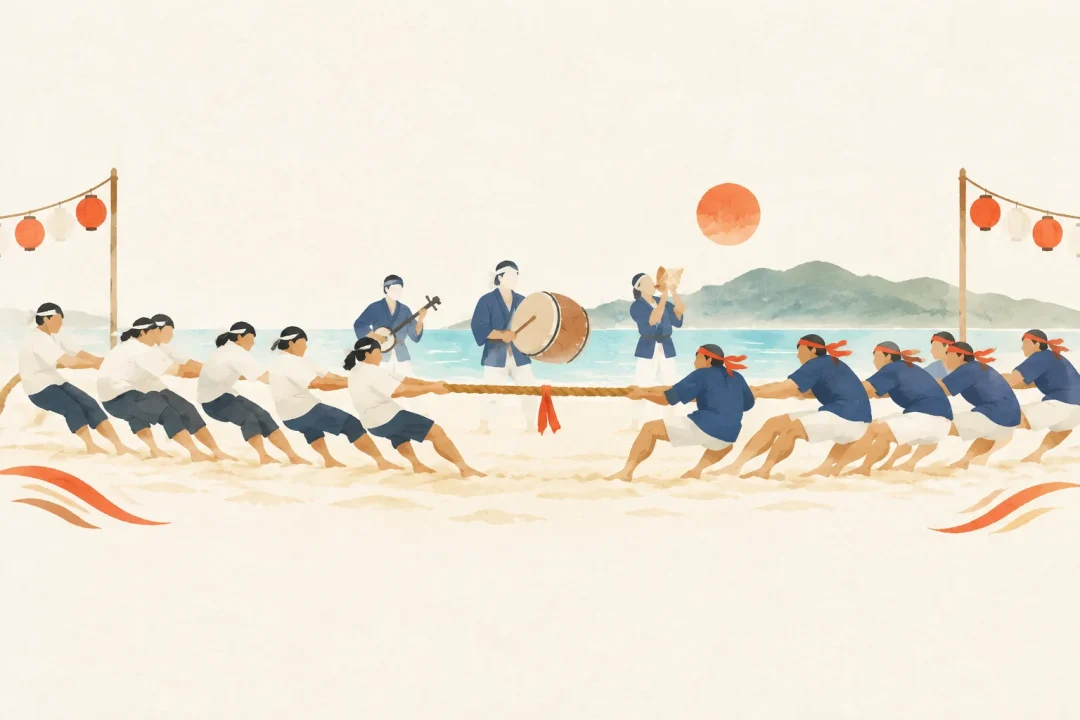
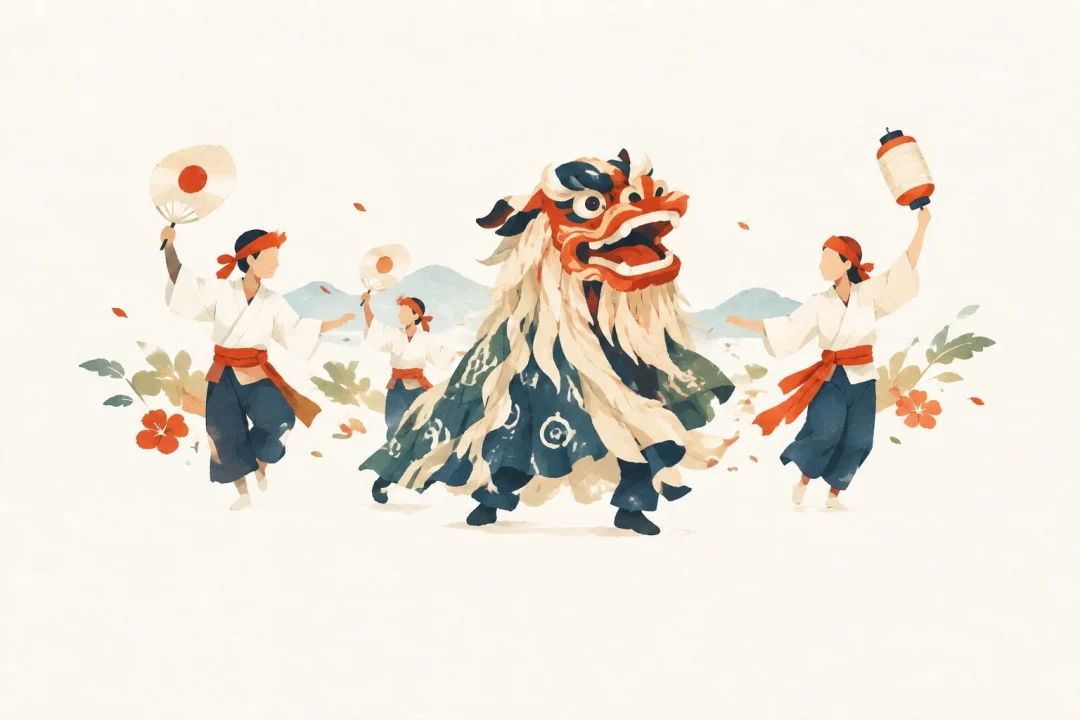
Annual observances honoring a deity of crops and carrying the prayers of Aza Ginowan into the present
Annual observances of Aza Ginowan
Festival information
EVENT INFORMATION- Season / frequency
- Annual observances. The To Teikun is day 2 of lunar month 2 / Annual observances
- Area
- Okinawa Prefecture・Ginowan City(From Tokyo: approx. 2 h 30 min–3 h · flight time only)Prefecture-level estimate to a main station or airport, not the venue. Airport access, check-in and onward travel are extra; remote areas and islands can take much longer.
- Wishes behind the festival
- Last updated
- 2026/11/21
The annual observances of Aza Ginowan convey local faith and ways of life through rites such as the To Teikun Reisai.
About Annual observances of Aza Ginowan
The annual observances of Aza Ginowan are local rites that date back to before the war.
Even after the original settlement was requisitioned for a military base after the war, the rites have continued to be held mainly by the Aza Ginowan Kyūyūkai and the Ginowan District.
They include the To Teikun Reisai, Kasarē prayers, and Shimakusārashi, and were designated a Ginowan City Registered Intangible Folk Cultural Property in 2014.
Festival highlights
A highlight is the way several rites, including the festival honoring To Teikun, a deity of crops, have been passed down as part of local life.
To Teikun is a Chinese land guardian deity whose worship reached Okinawa, and it has been deeply revered as the guardian deity of the settlement.
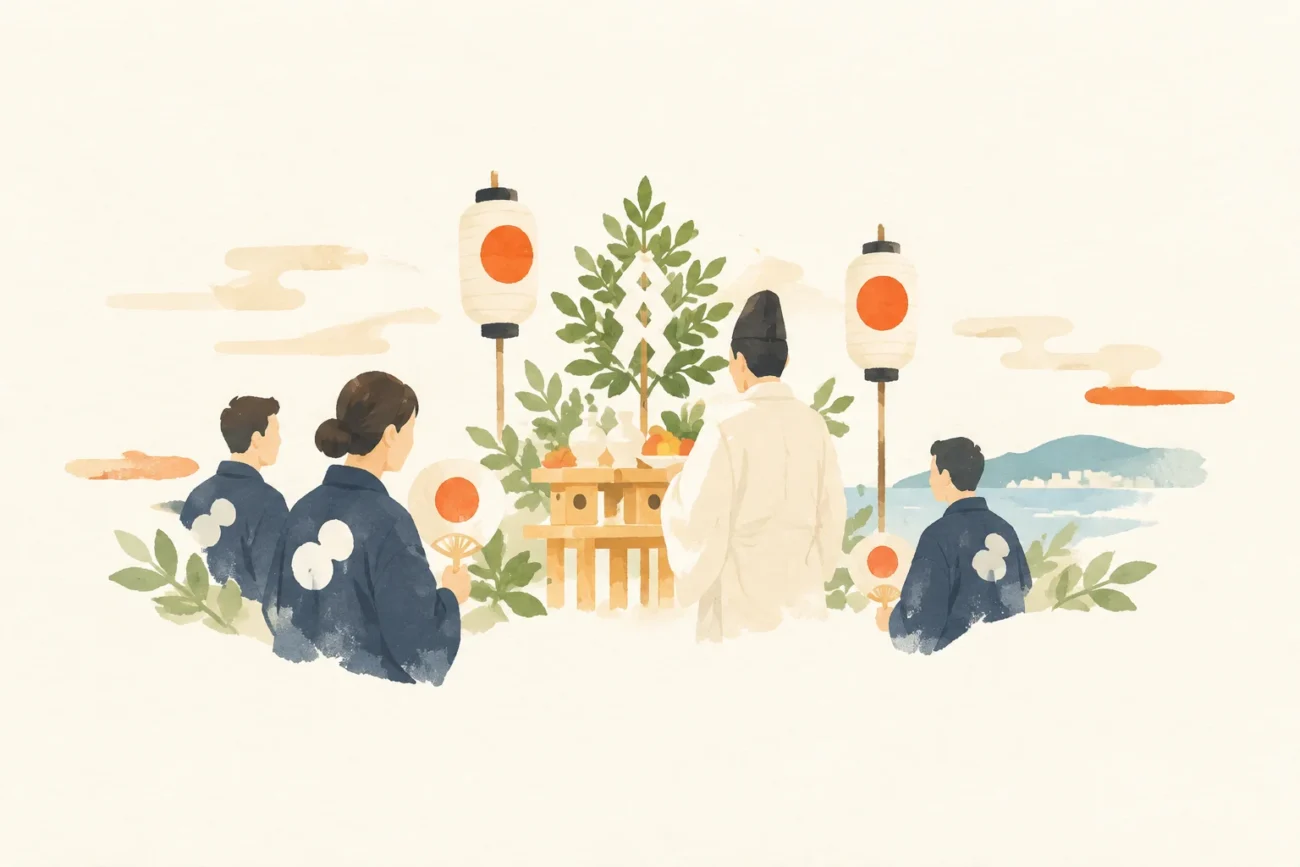
The festival held in front of the shrine reflects prayers for crops and the community’s faith.
Annual observances honoring a deity of crops and carrying the prayers of Aza Ginowan into the present
What to expect
At the heart of the rites is a festival held in front of the To Teikun shrine.
To Teikun is worshipped as a deity of crops, and in Aza Ginowan people have also observed Kasarē prayers and Shimakusārashi.
These rites continue to pass down local beliefs from before the war, carried on after the war mainly by the Kyūyūkai and the district.
Location and access
- Address
Ginowan City
Host municipality 沖縄県宜野湾市
This map shows the surrounding area, not the exact venue location.
Dates and season
- Season
Annual observances.
The To Teikun Reisai is day 2 of lunar month 2
- Frequency
Annual observances
Accommodation and hotels PR
Showing nearby accommodation.
Prices and availability are current at the time of retrieval. For multi-night stays, only the first night’s price is shown. Confirm the final price and directions to the venue with the booking provider. Select your dates again when using the area search link. Search area: within 3 km of Central Okinawa Prefecture / Ginowan City (the search is not centered on the festival venue)
Nearby attractions

佐喜眞美術館
沖縄県宜野湾市にある美術館

宜野湾市立博物館
沖縄県宜野湾市にある博物館

普天満宮
沖縄県宜野湾市にある神社
Origins and History of Annual observances of Aza Ginowan
To Teikun originated with the Land God, a Chinese deity who protects the land, and came to be worshipped in Okinawa as a deity of agriculture.
It is said that the To Teikun of Aza Ginowan was brought back from China before 1734 by an ancestor of the Ishinmi family, and accounts note that it is also mentioned in the Ryukyuan history book Kyuyo.
The annual observances of Aza Ginowan date back to before the war and were carried on even after the settlement was requisitioned after the war.
Official information
The annual observances of Aza Ginowan are listed as a city-registered intangible folk cultural property in Ginowan City’s cultural properties directory.
Annual observances of Aza Ginowan at a Glance
The annual observances of Aza Ginowan are local rites that include the To Teikun Reisai, Kasarē prayers, and Shimakusārashi.
To Teikun, a deity of crops, has been worshipped as the guardian deity of the settlement.
These rites, which date back to before the war, have been carried on mainly by the Aza Ginowan Kyūyūkai and the Ginowan District even after the settlement was requisitioned for a military base after the war.
Sources and references
Japanese Festivals.jp Editorial Team
Celebrating local culture and helping you discover a side of Japan you never knew.
Article updated: 2026/11/21