From umbrella to mountain: dedicated set-piece fireworks passed down through local craftsmanship
Uriwari Fireworks
Festival information
EVENT INFORMATION- Season / frequency
- September 23 / Every year
- Location
- Suwa Shrine
- Area
- Nagano Prefecture・Nagano City(From Tokyo: approx. 1 h 20 min–1 h 50 min · bullet train)Prefecture-level estimate to a main station or airport, not the venue. Airport access, check-in and onward travel are extra; remote areas and islands can take much longer.
- Features
- Wishes behind the festival
- Last updated
- 2026/11/11
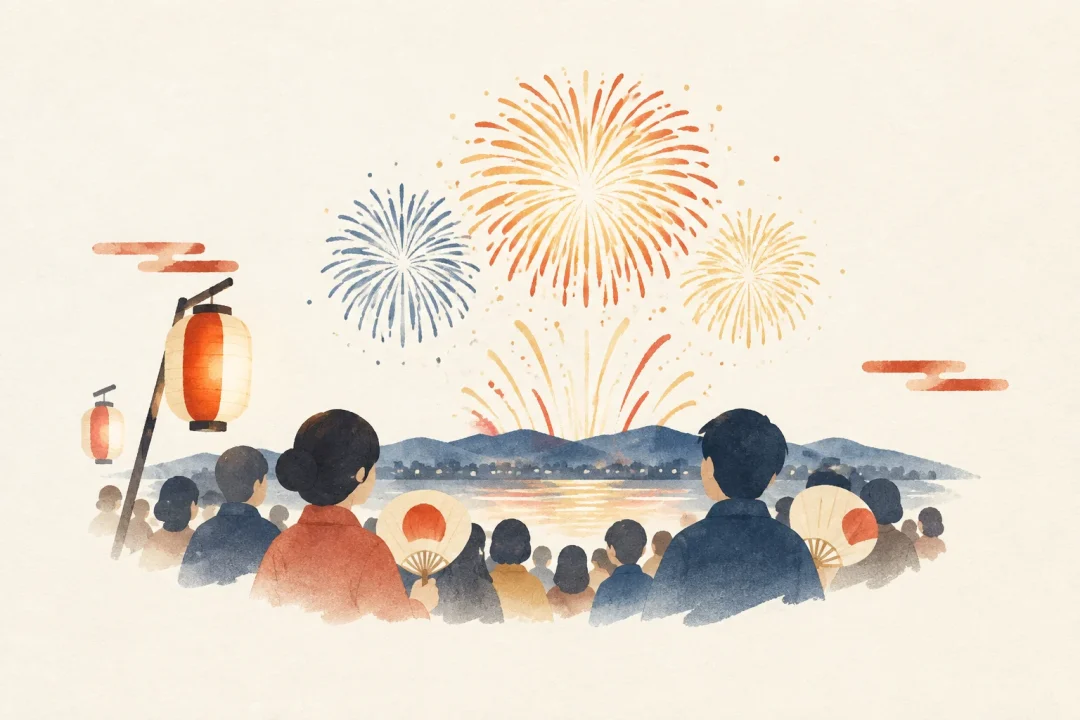
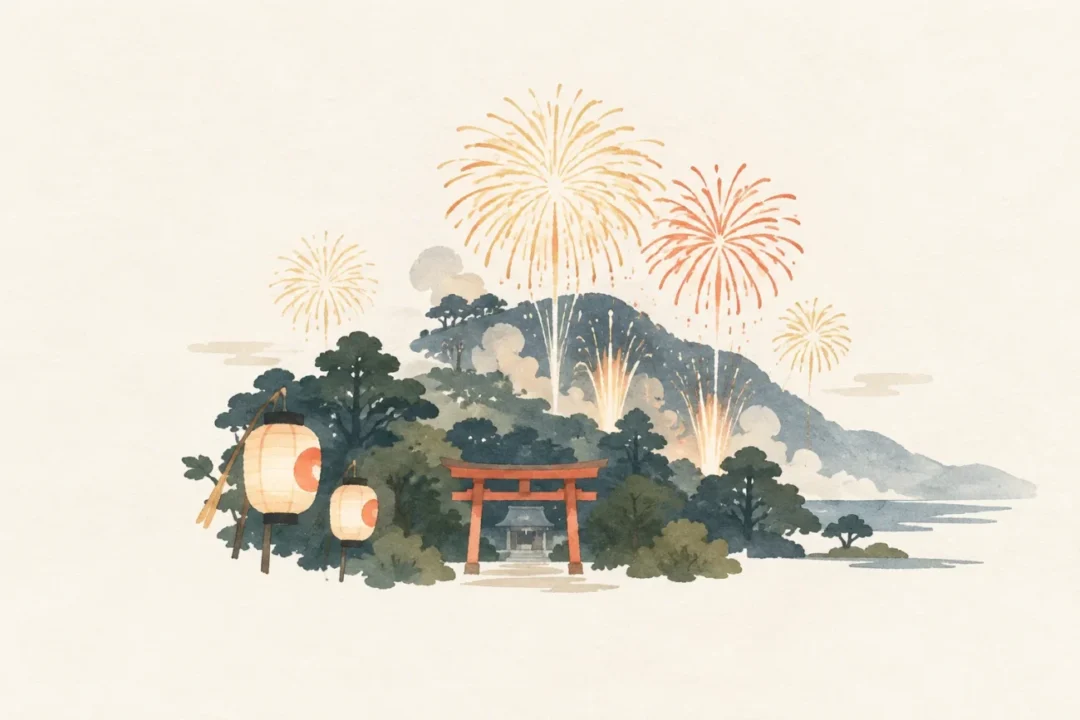
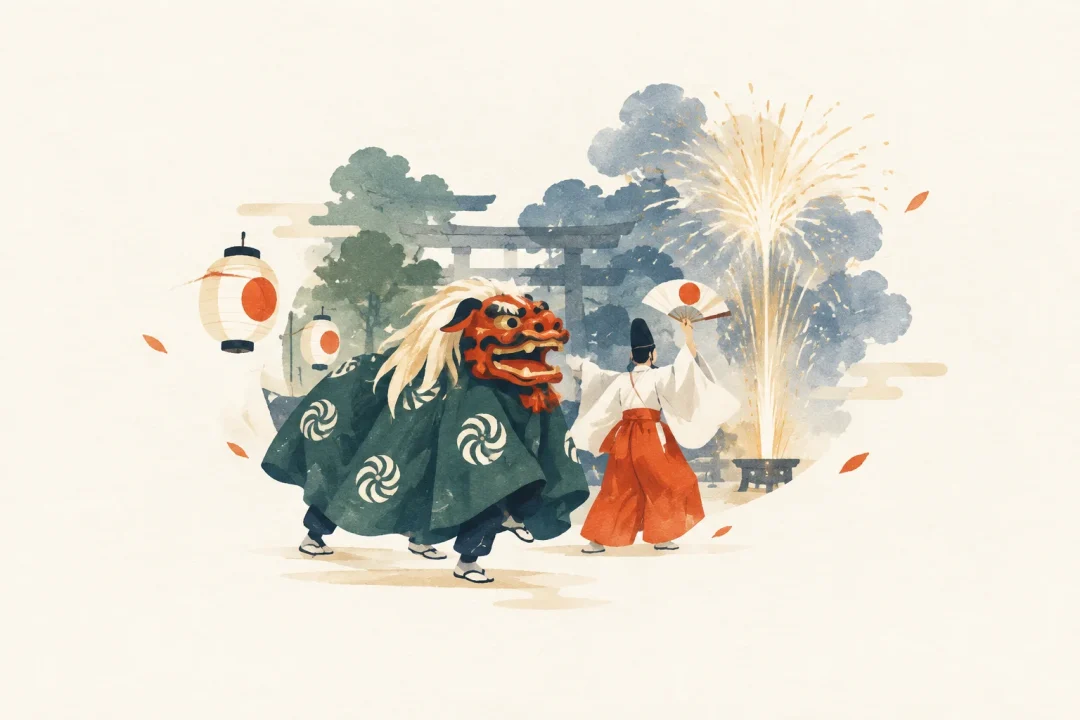
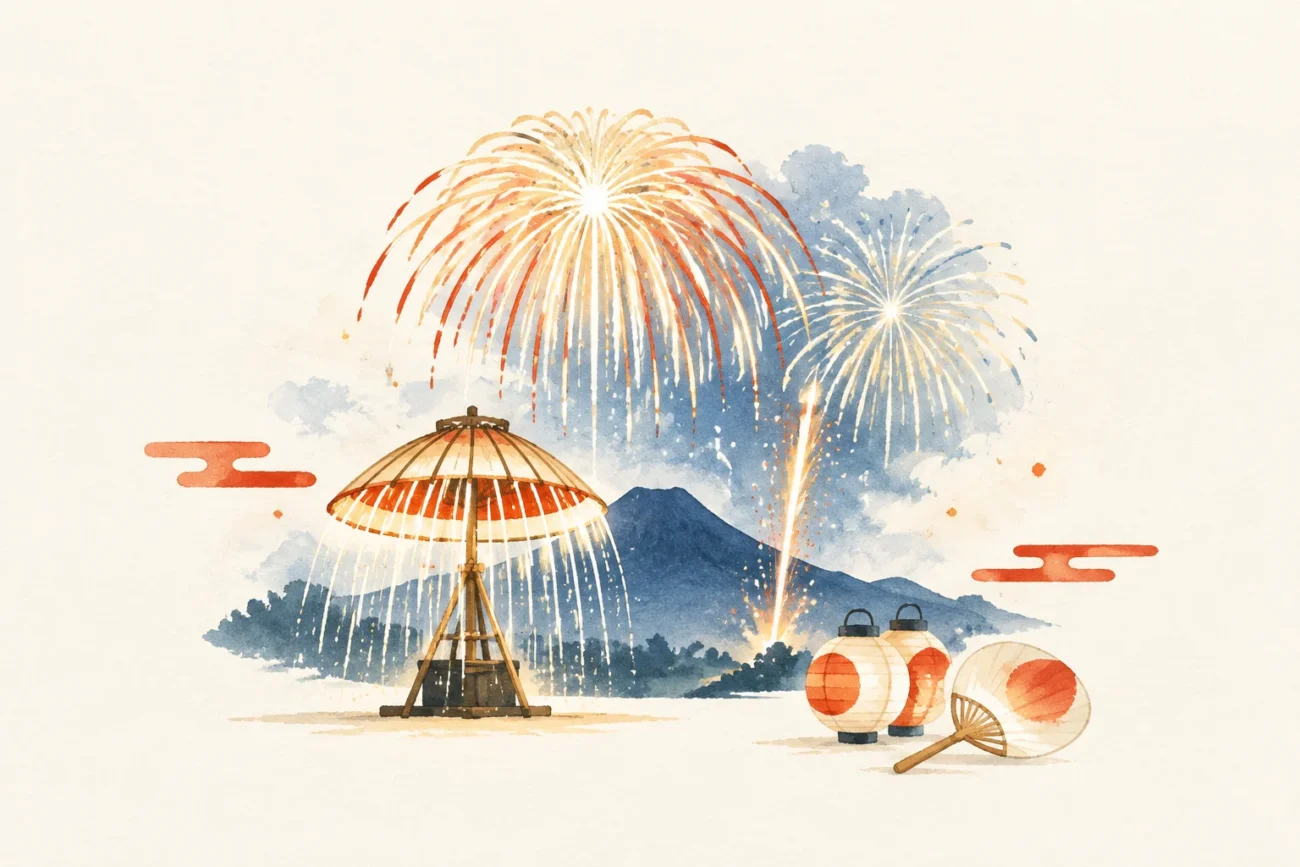
These dedicated fireworks have been passed down at Suwa Shrine in Shinsuwa, Nagano City. They are known for their variety of handmade effects, created by the local preservation society, including an umbrella that opens and a display in which fireworks race up the mountain.
Photo credits and terms of use
Photographer: Kazakura File:Uriwari-hanabi Fireworks.jpg / Wikimedia Commons / CC BY-SA 3.0 Own work by the contributorDisplay size only adjusted.May differ from the event currently featured.About Uriwari Fireworks
Uriwari Fireworks are set-piece fireworks dedicated at the autumn festival of Suwa Shrine in Shinsuwa, Nagano City.
The fireworks association and preservation society, made up of , have passed them down and safeguarded the methods and displays locally.
The dedicated fireworks are said to have begun in 1836, with prayers for the end of epidemics and abundant harvests.
Festival highlights
The highlight is the variety of set-piece fireworks handmade by the local preservation society.
Well-known displays include “Uriwari no Hana,” in which gunpowder tubes are hung from a janome umbrella and, when lit, the umbrella opens as sparks flow down like a waterfall, and “Otsuna-bi,” in which fireworks race along a copper wire up Mount Gōro behind the shrine.
Several displays are dedicated, including “Kiyotaki,” where carp and turtles rise amid the sparks.
From umbrella to mountain: dedicated set-piece fireworks passed down through local craftsmanship
What to expect
The preservation society dedicates set-piece fireworks, staged between the grounds of Suwa Shrine and Mount Gōro behind it.
Displays include “Goshinzen,” “Tem牡丹,” “Tatebi,” “Hitai-bi,” “Shikake,” “Uriwari no Hana,” “Kiyotaki,” “Star Mine,” and “Otsuna-bi.”
The preservation society behind the dedicated fireworks has made and passed down a variety of displays, blending traditional methods with new techniques.
Location and access
- Venue and address
Suwa Shrine, Shinsuwa, Nagano City
- Train and bus
Get off at Nagano Station on the JR Hokuriku Shinkansen
Address Shinsuwa, Nagano City
Dates and season
- Season
September 23
- Frequency
Every year
Accommodation and hotels PR
Showing nearby accommodation.
Prices and availability are current at the time of retrieval. For multi-night stays, only the first night’s price is shown. Confirm the final price and directions to the venue with the booking provider. Select your dates again when using the area search link. Search area: within 3 km of Central Nagano Prefecture / Nagano City (the search is not centered on the festival venue)
Nearby attractions

北野美術館
長野県長野市にある美術館

戸隠神社
長野県長野市の戸隠山周辺に五社を配する神社

長野県信濃美術館・東山魁夷館
長野県長野市にあった美術館

長野県立美術館
長野県長野市にある美術館
写真:photo: Qurren ( talk ) Taken with Canon PowerShot G9 X / CC BY-SA 4.0
Photo source ·Origins and History of Uriwari Fireworks
In the Meiji era, volunteers among Suwa Shrine's ujiko brought fireworks together and dedicated them.
They are said to have expanded the program after organizing in the Taisho period and adopting the name Uriwari Fireworks Association.
In the fireworks association that led to today's preservation society, techniques were passed down through “Hōchō,” a record of formulas, and oral tradition.
Uriwari Fireworks at a Glance
Uriwari Fireworks are traditional set-piece fireworks from Shinsuwa, Nagano City, dedicated at the autumn festival of Suwa Shrine.
They began in 1836 with prayers for the end of epidemics and abundant harvests, and have been passed down from offerings by local volunteers in the Meiji era, through the fireworks association of the Taisho period, to today's preservation society.
You can see locally preserved techniques such as “Uriwari no Hana,” where an umbrella opens, and “Otsuna-bi,” where a ball of fire races up the mountain.
Sources and references
Japanese Festivals.jp Editorial Team
Celebrating local culture and helping you discover a side of Japan you never knew.
Article updated: 2026/11/11