A traditional autumn festival that carries masked deities around the boundaries of Yoshimatsu
Daio-dono Festival
Festival information
EVENT INFORMATION- Season / frequency
- Every year on November 19 / Every year
- Location
- Hakozaki Hachiman Shrine
- Area
- Kagoshima Prefecture・Yusui Town(From Tokyo: approx. 1 h 50 min–2 h 20 min · flight time only)Prefecture-level estimate to a main station or airport, not the venue. Airport access, check-in and onward travel are extra; remote areas and islands can take much longer.
- Wishes behind the festival
- Last updated
- 2026/10/19
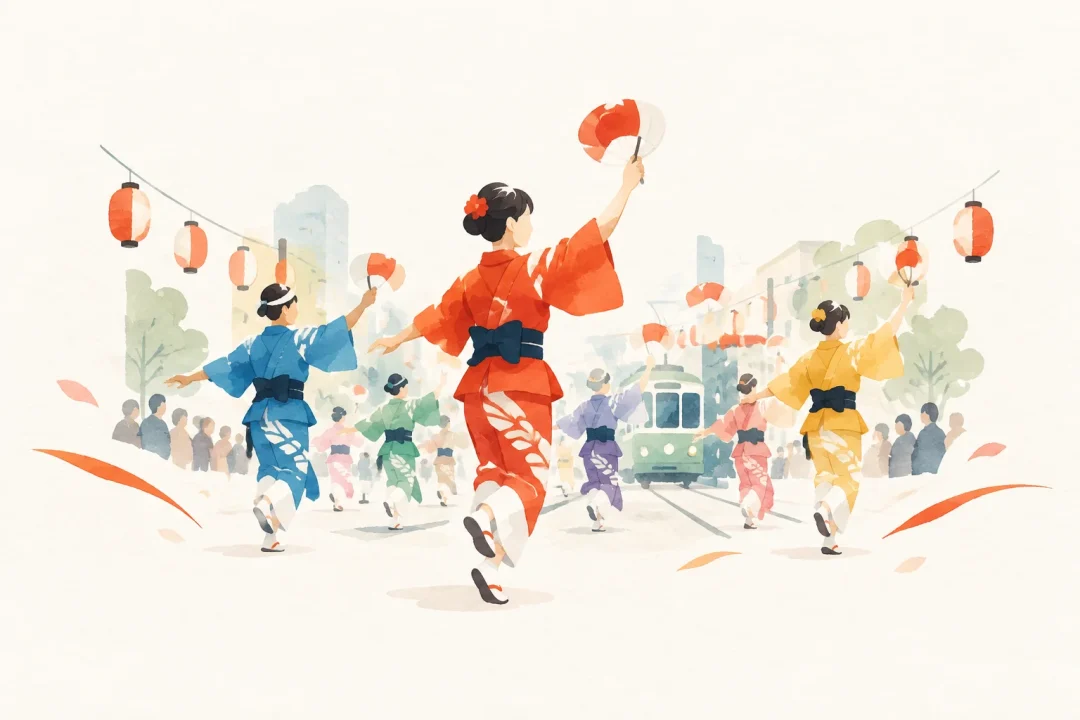
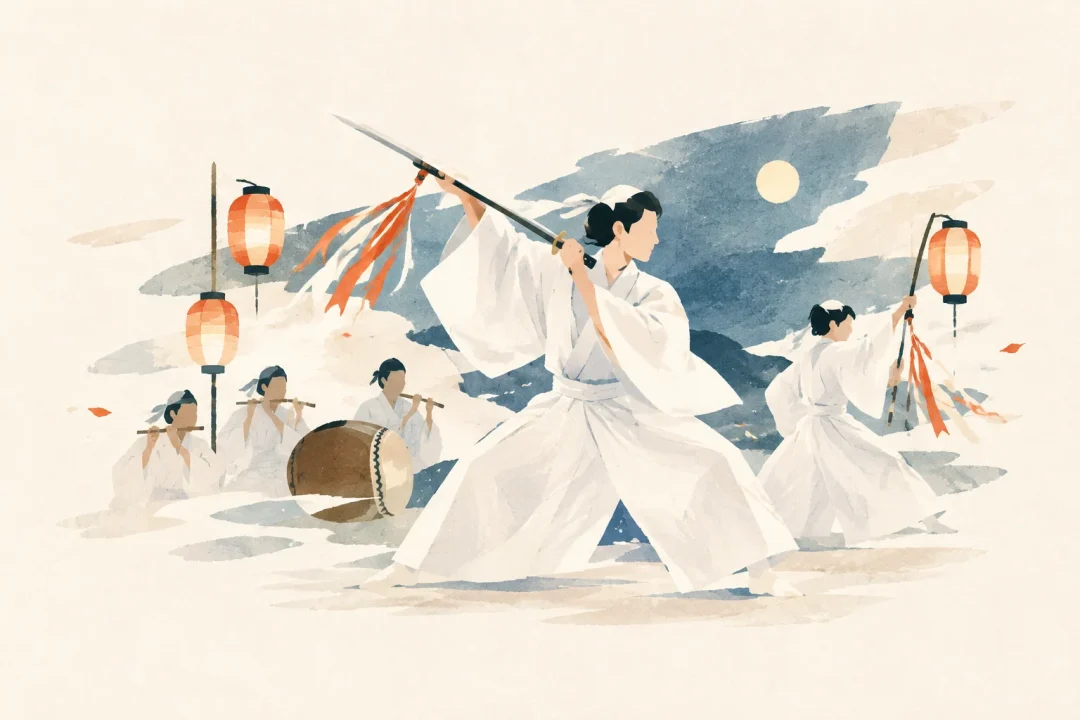
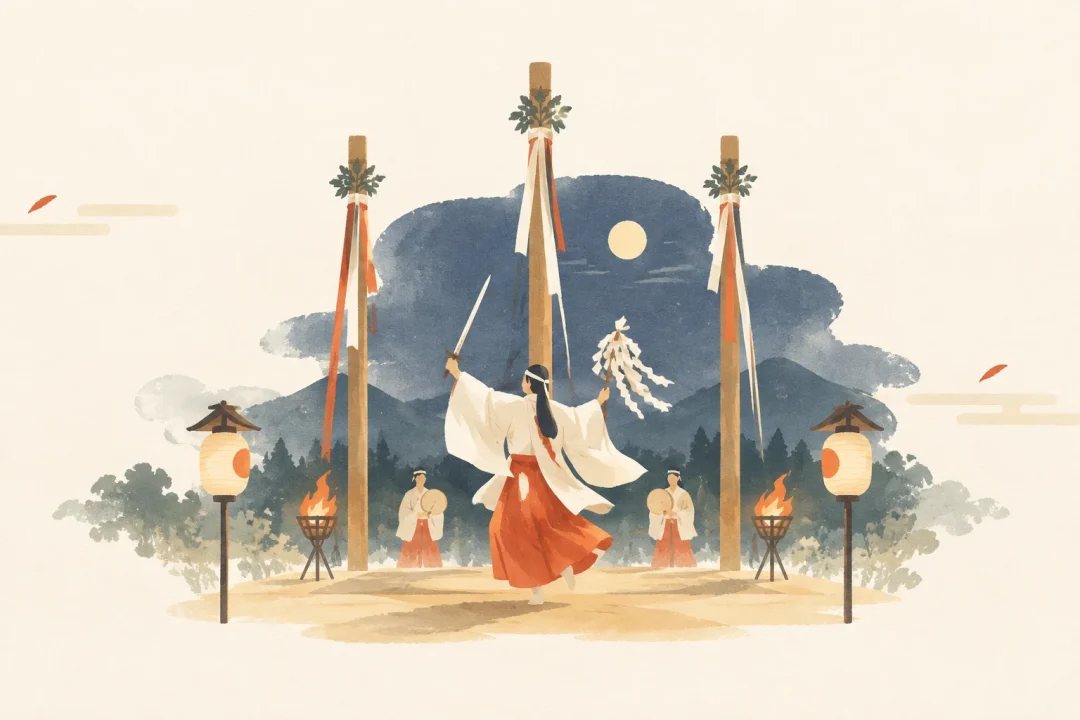
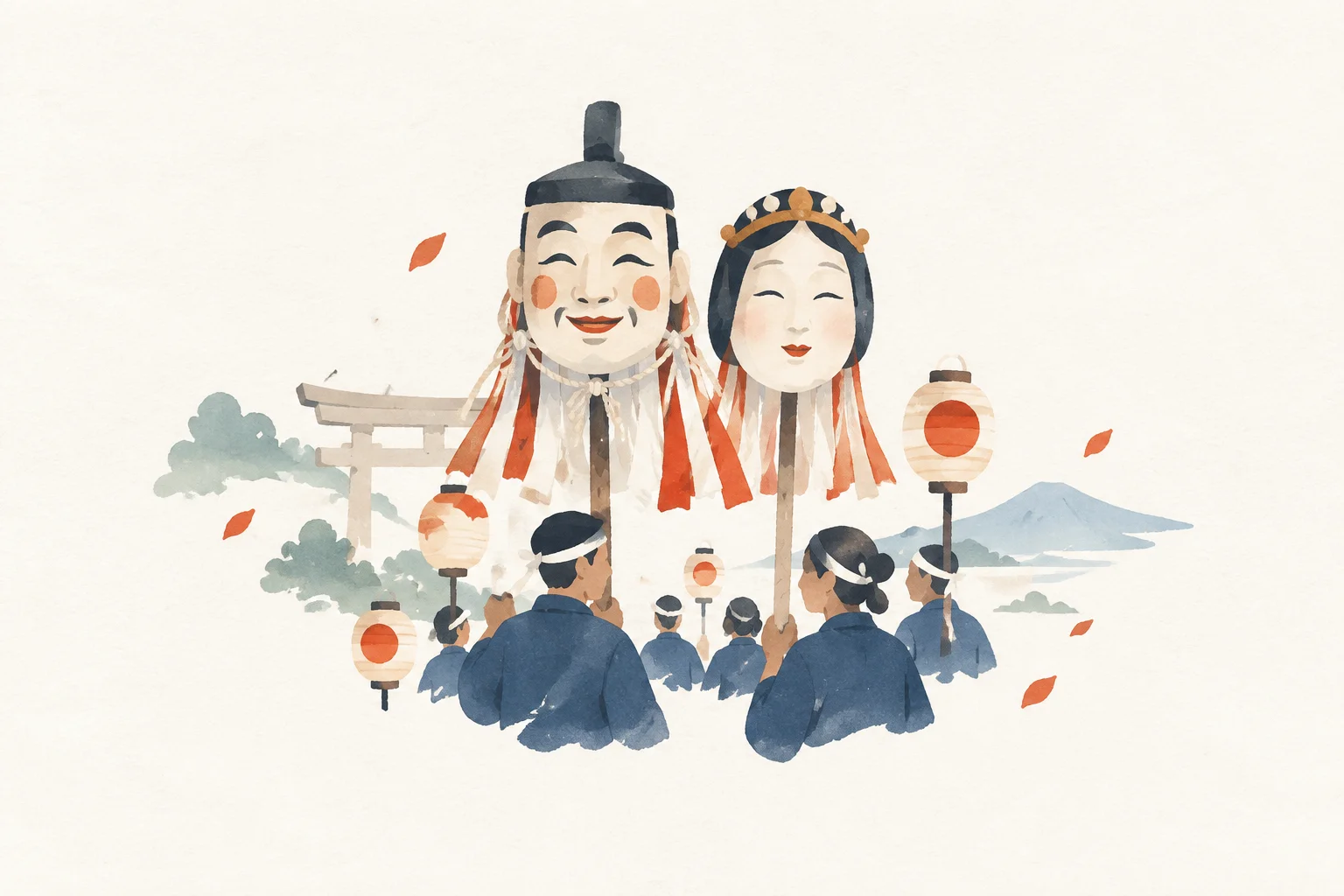
The Daio-dono Festival, passed down in the Yoshimatsu area of Yusui Town, is a Shinto rite in which masked deities called “Wādon,” with male and female faces, are carried through town. The rites begin at Hakozaki Hachiman Shrine, followed by repeated prayers at village boundaries and shrines.
About Daio-dono Festival
The Daio-dono Festival is an annual event held in the Yoshimatsu area of Yusui Town, Kagoshima Prefecture.
Daio-dono (Wādon) refers to a masked deity consisting of a male mask and a female mask.
This deeply rooted local Shinto rite begins with a ceremony at Hakozaki Hachiman Shrine. A procession carrying the Wādon travels through town, offering prayers at boundaries and shrines.
Source: 大王殿祭り - Wikipedia
Festival highlights
A highlight is the sight of the male and female Wādon masks tied to the tops of kongō staffs and carried through town to calls from the procession.
The procession heads to the Tsurumaru district, near the border with Ebino City in Miyazaki Prefecture, and offers prayers on a road at the village boundary.
It then holds prayers and a shared meal at Kumano Shrine before returning to Hakozaki Hachiman Shrine.
A traditional autumn festival that carries masked deities around the boundaries of Yoshimatsu
What to expect
The rites begin with a ceremony in the grounds of Hakozaki Hachiman Shrine.
The chief priest and parishioners place the Wādon on the bed of a light truck and make a procession through town, visiting the Tsurumaru and Kawazoe districts and offering prayers at each location.
In each district, parishioners share a meal. Finally, the procession returns triumphantly to Hakozaki Hachiman Shrine, where the royal mask is put away and the rites conclude.
Location and access
- Venue and address
Hakozaki Hachiman Shrine (621 Kawanishi, Yusui Town, Aira District, Kagoshima Prefecture).
Address 621 Kawanishi, Yusui Town, Aira District, Kagoshima Prefecture
Dates and season
- Season
Every year on November 19
- Frequency
Every year
Accommodation and hotels PR
Showing nearby accommodation.
Prices and availability are current at the time of retrieval. For multi-night stays, only the first night’s price is shown. Confirm the final price and directions to the venue with the booking provider. Select your dates again when using the area search link. Search area: within 3 km of Central Kagoshima Prefecture / Yusui Town (the search is not centered on the festival venue)
Nearby attractions

霧島アートの森
鹿児島県湧水町にある野外美術館
Origins and History of Daio-dono Festival
Sources do not give a definitive founding year for the Daiōden Festival.
However, it is held during Hoze, an autumn festival in Kagoshima Prefecture, and is described as one of the events in which masked deities visit and make their rounds through the village.
Because it features a masked deity without a body, the festival is thought to be an ancient form of festival.
A 2018 prefectural survey also raised concerns that the tradition might not continue.
Daio-dono Festival at a Glance
The Daio-dono Festival is an autumn Shinto rite that begins at Hakozaki Hachiman Shrine in Yusui Town, with a procession carrying masked deities with male and female faces through town.
A distinctive feature is the prayers offered at village boundaries in the Tsurumaru district and at Kumano Shrine, followed by a shared meal before returning to the shrine.
毎年11月19日に行われるとされます。
Japanese Festivals.jp Editorial Team
Celebrating local culture and helping you discover a side of Japan you never knew.
Article updated: 2026/10/19
Submit information or a correction Submit photos of this festival