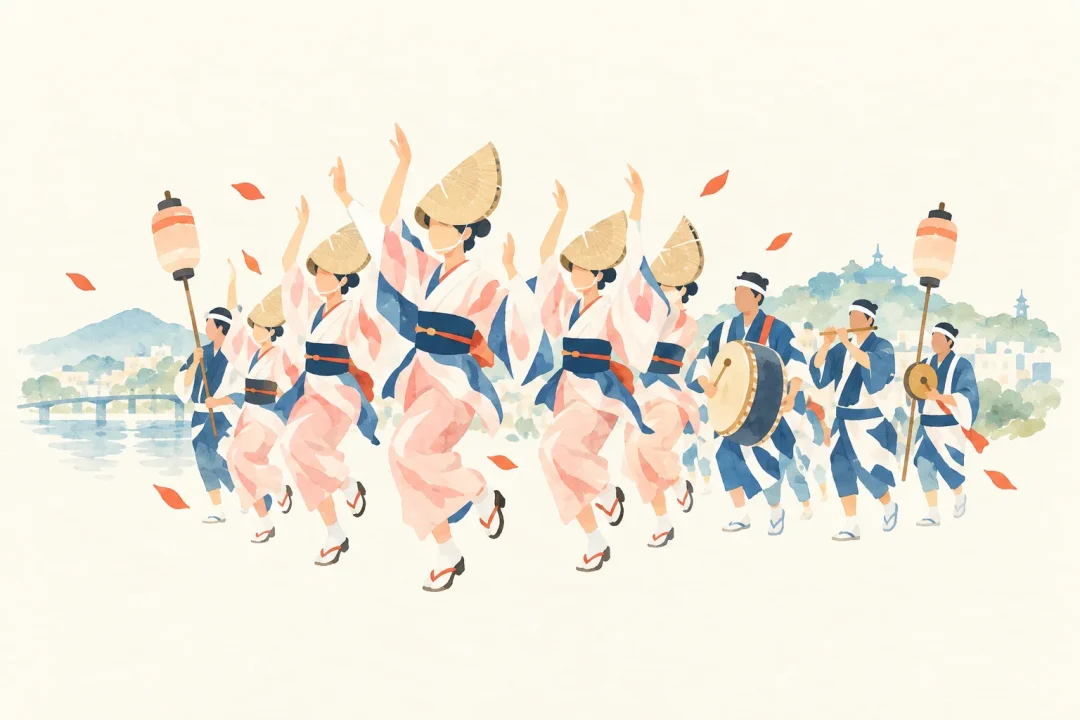
Higashi-Oizumi’s prayers, as the head of the shishimai races through town and sends misfortune to the sea and fire
Higashi-Oizumi no O-kashira Shinji

The 2026 edition of Higashi-Oizumi no O-kashira has ended.
Festival information
EVENT INFORMATION- Dates
- 2026/02/14Ended
- Season / frequency
- The Saturday before day 11 of lunar month 1
- Location
- Sotonaka Shrine, Higashi-Oizumi town, and Chibiki Shrine
- Area
- Mie Prefecture・Ise City(From Tokyo: approx. 2 h 30 min–3 h · bullet train + connecting train)Prefecture-level estimate to a main station or airport, not the venue. Airport access, check-in and onward travel are extra; remote areas and islands can take much longer.
- Wishes behind the festival
- Last updated
- 2026/11/11
Higashi-Oizumi no O-kashira Shinji is a ritual in Higashi-Oizumi, Ise City, in which the head of the parades around town to ward off evil and pray for good health. The program includes an offering dance at a shrine, a ritual sending misfortune out to sea, and “Take-yarai” with a bonfire at night.
About Higashi-Oizumi no O-kashira Shinji
Higashi-Oizumi no O-kashira Shinji is a shishimai ritual performed to ward off evil and pray for good health.
The ritual is led by hereditary performers and takes place within and the districts.
Sotonaka Shrine, Higashi-Oizumi town, and Chibiki Shrine are its settings, and the ritual is preserved as a prefecturally designated intangible folk cultural property passed down in Higashi-Oizumi.
Festival highlights
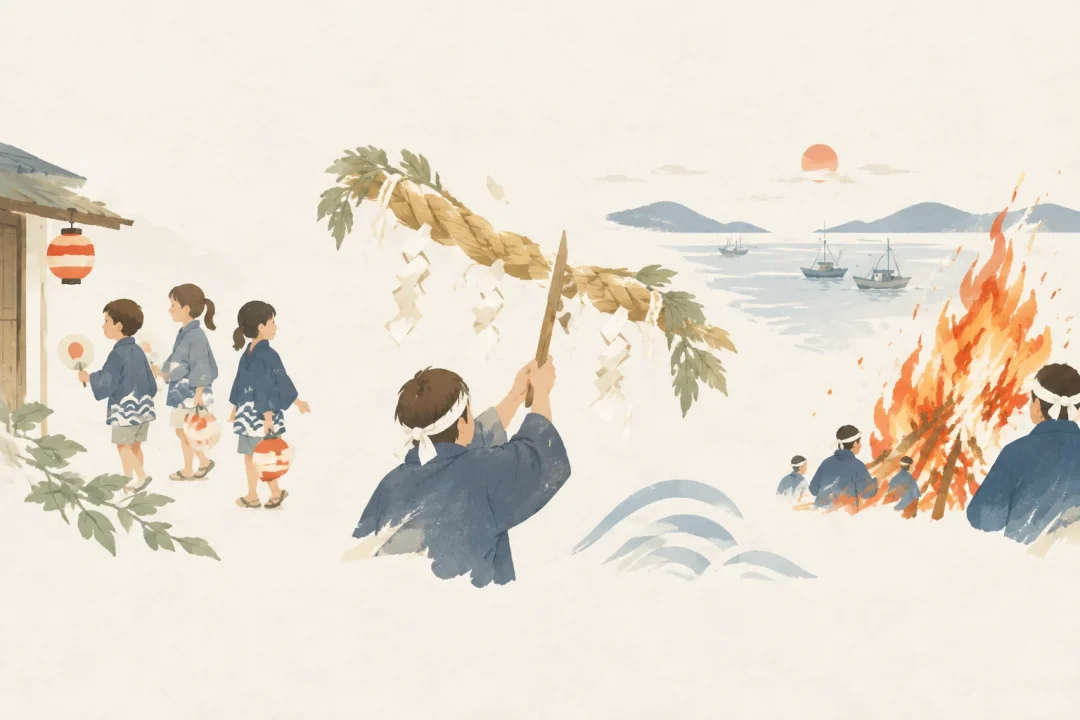
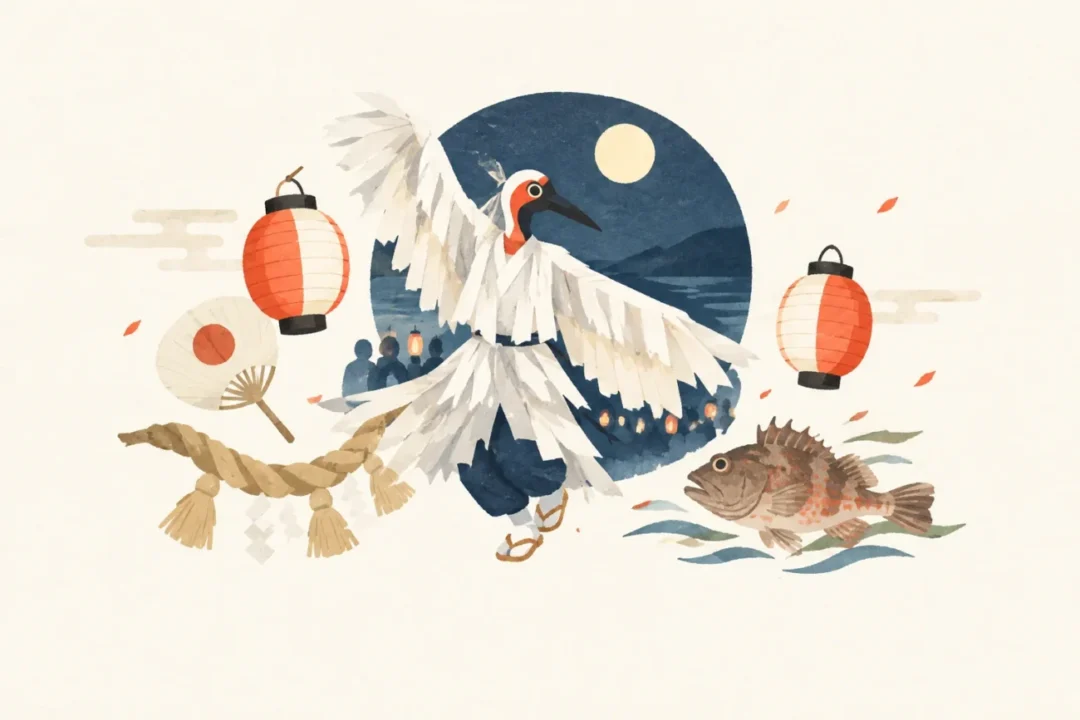
Highlights include the “Nanokoshi” dance performed by the head of the shishimai, “Akuma-barai” at various places around town, and “Hekkomēyai,” which sends misfortune out to sea.
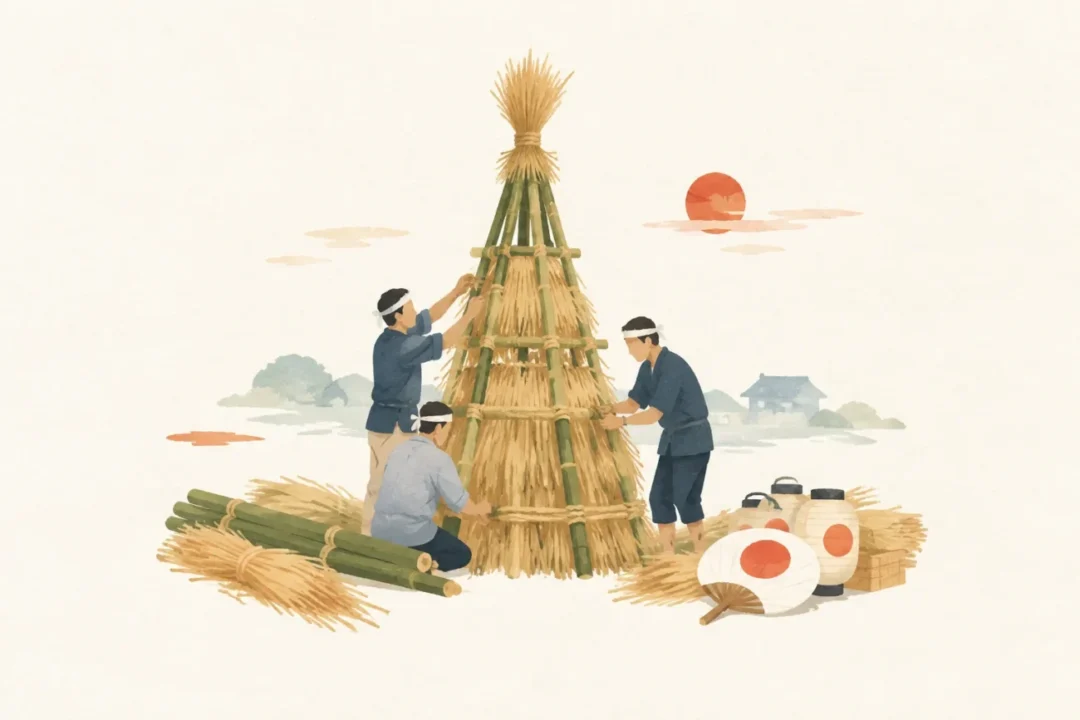
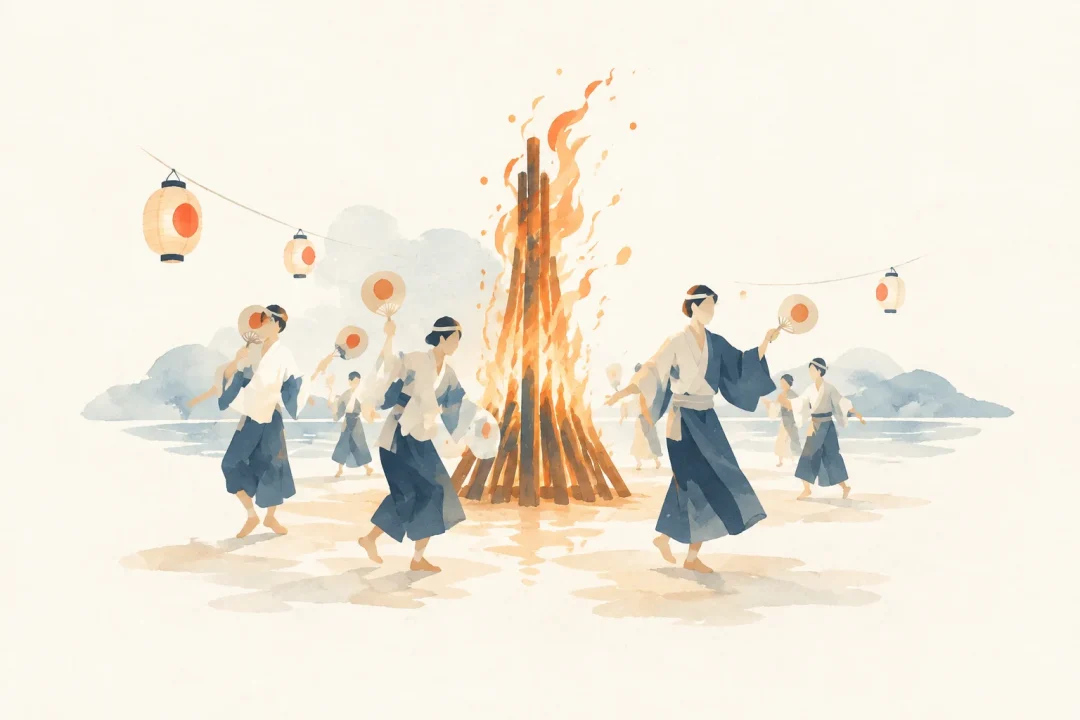
At night, “Take-yarai” is performed beside a bonfire, and the head of the shishimai jumps into the fire.
The final “Akuma-barai” is then performed, bringing the day’s sequence of shishimai dances and fire rituals to a close.
Higashi-Oizumi’s prayers, as the head of the shishimai races through town and sends misfortune to the sea and fire
What to expect
The ceremony is led by hereditary kagura performers. First, the head of the shishimai performs the “Nanokoshi” dance as an offering at Sotonaka Shrine.
The group then performs “Akuma-barai” at various places around town, and the head of the shishimai runs to the sea bearing misfortune before taking part in “Hekkomēyai,” where it is cast away.
At night, the head of the shishimai and villagers perform “Take-yarai” beside a bonfire. After the head of the shishimai jumps into the fire, the final “Akuma-barai” is performed.
Location and access
- Venue and address
Sotonaka Shrine, Higashi-Oizumi town, and Chibiki Shrine / Higashi-Oizumi, Ise City
- Train and bus
About 10 minutes by car from Myōjō Station on the Kintetsu Line
- By car
About 25 minutes by car from the Ise-Nishi IC on the Ise Expressway
Address Higashi-Oizumi, Ise City, Mie 515-0509
Dates and season
2026 event information (the listed dates have passed)
The 2026 event information listed February 14, 2026 (Sat.) as the event date.
Opening hours of 9 a.m. to 8 p.m. are listed.
Individual start times are not provided for the events.
Accommodation and hotels PR
Showing nearby accommodation.
Prices and availability are current at the time of retrieval. For multi-night stays, only the first night’s price is shown. Confirm the final price and directions to the venue with the booking provider. Select your dates again when using the area search link. Search area: within 3 km of Central Mie Prefecture / Ise City (the search is not centered on the festival venue)
Tips for your visit
The venues span Sotonaka Shrine, Higashi-Oizumi town, and Chibiki Shrine.
In addition to “Akuma-barai” at various places around town, “Take-yarai” is held beside a bonfire at night, so the events take place in more than one location and at more than one time of day.
The 2026 event information notes that dates, fees, and other details may change.
Nearby attractions
Near the venues are the remains of the Ono Minato site, Narihira Pine, Oyodo Fureai Campground, and the remains of the Take-Sasaoe Angū Shrine.
Oyodo West Coast Moon Beach Campground and the monument marking the birthplace of Kakechikara are also listed as nearby spots.
These are facilities and historic sites listed near the festival venues.

ともいきの国 伊勢忍者キングダム
三重県伊勢市にあるテーマパーク

ゼロ距離水族館伊勢シーパラダイス
日本の水族館

マコンデ美術館
三重県伊勢市にある美術館

二見興玉神社
三重県伊勢市にある神社

伊勢神宮
日本の天照大御神を祀る最高位の神社

倭姫宮
三重県伊勢市楠部町にある神社
写真:No machine-readable author provided. N yotarou assumed (based on copyright claims). / CC BY 2.5
Photo source ·
土宮
三重県伊勢市豊川町にある神社

多賀宮
三重県伊勢市豊川町にある神社

月夜見宮
三重県伊勢市宮後にある神社

月讀宮
三重県伊勢市中村町にある神社

猿田彦神社
三重県伊勢市にある神社

皇大神宮
三重県伊勢市にある神社
Origins and History of Higashi-Oizumi no O-kashira Shinji
Higashi-Oizumi no O-kashira Shinji is described as a shishimai ritual that has been performed in various places since ancient times.
The sources do not give details about when the present-day festival began.
They also confirm that Higashi-Oizumi Town Association is listed as a tradition bearer and that the ritual was designated an intangible folk cultural property of Mie Prefecture in 1977 (Showa 52)March 28.
Official information
The Ise City official website is listed as the official source of information.
Registration details as a cultural property can be checked in the list of folk cultural properties on the Ise City official website.
Higashi-Oizumi no O-kashira Shinji at a Glance
Higashi-Oizumi no O-kashira Shinji is a shishimai ritual held to ward off evil and pray for good health. It is a prefecturally designated intangible folk cultural property of Higashi-Oizumi.
The ritual proceeds from “Nanokoshi” at Sotonaka Shrine to “Akuma-barai” around town, then to “Hekkomēyai,” which sends misfortune out to sea. At night, “Take-yarai” is performed beside a bonfire.
The venues span Sotonaka Shrine, Higashi-Oizumi town, and Chibiki Shrine.
Sources and references
Japanese Festivals.jp Editorial Team
Celebrating local culture and helping you discover a side of Japan you never knew.
Article updated: 2026/11/11