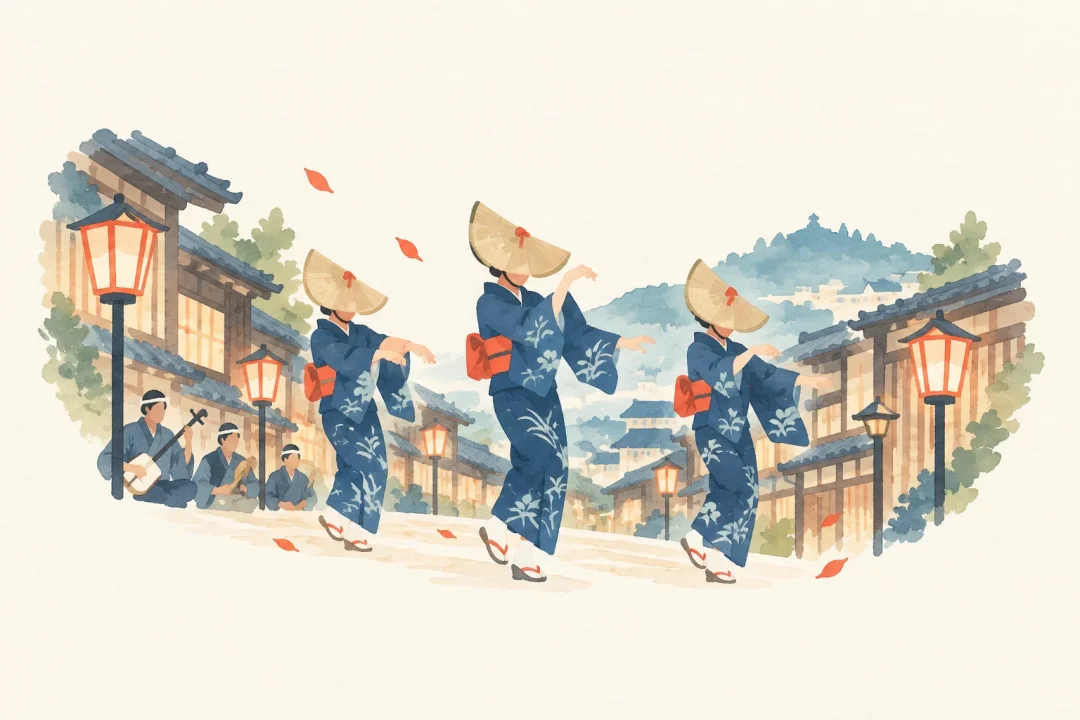
A spring festival in Kanda where yamabushi prayers and farming rituals are passed down
Togakureji no Matsu-e
The 2026 edition of Togakureji no Matsu-e has ended.
Festival information
EVENT INFORMATION- Dates
- 2026/04/19Ended
- Season / frequency
- The third Sunday in April / Every year
- Location
- Hakusan Taga Shrine (Togakureji)
- Area
- Fukuoka Prefecture・Kanda(From Tokyo: approx. 1 h 50 min–2 h 10 min · flight time only)Prefecture-level estimate to a main station or airport, not the venue. Airport access, check-in and onward travel are extra; remote areas and islands can take much longer.
- Features
- Highlights and activities
- Wishes behind the festival
- Participation / viewing
- No spectators allowed
- Last updated
- 2026/11/11
Togakureji no Matsu-e is a traditional event in Kanda that brings together a yamabushi festival and farming rituals. Through the procession, musical dance, and hei-kiri, it expresses prayers for a bountiful harvest and the passing on of local traditions.
About Togakureji no Matsu-e
Togakureji no Matsu-e is a yamabushi festival passed down in the Togakureji district of Kanda, Fukuoka Prefecture.
Held in spring at Hakusan Taga Shrine, it has been passed down by the descendants of yamabushi and local residents as a that prays for a bountiful harvest and divines the autumn harvest.
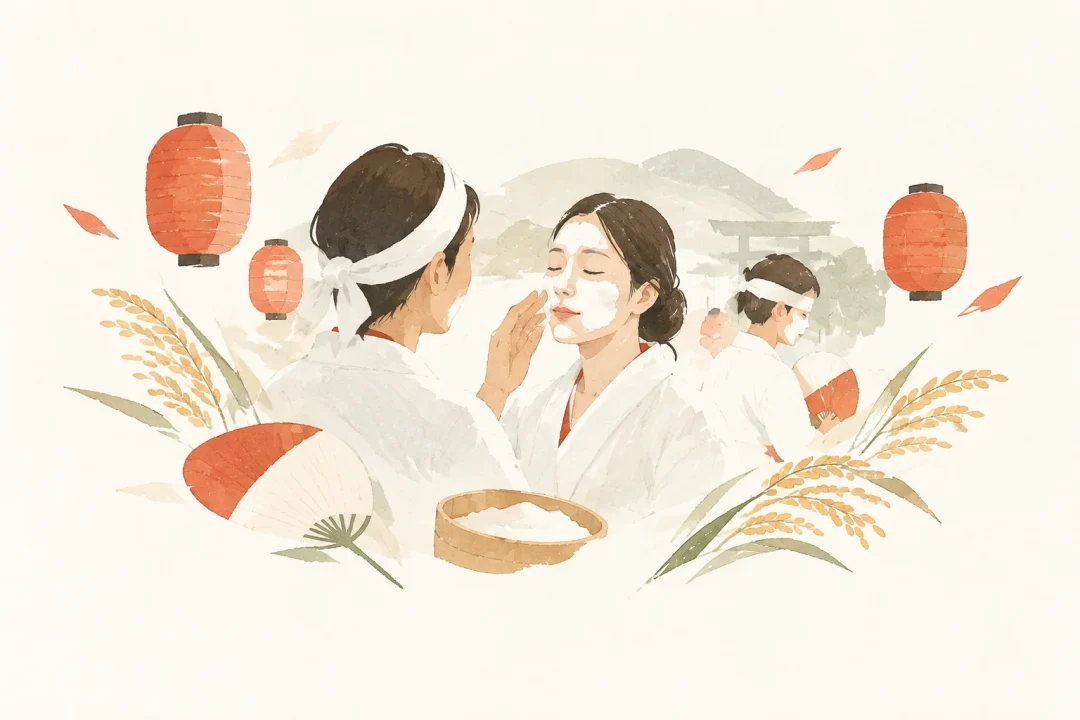
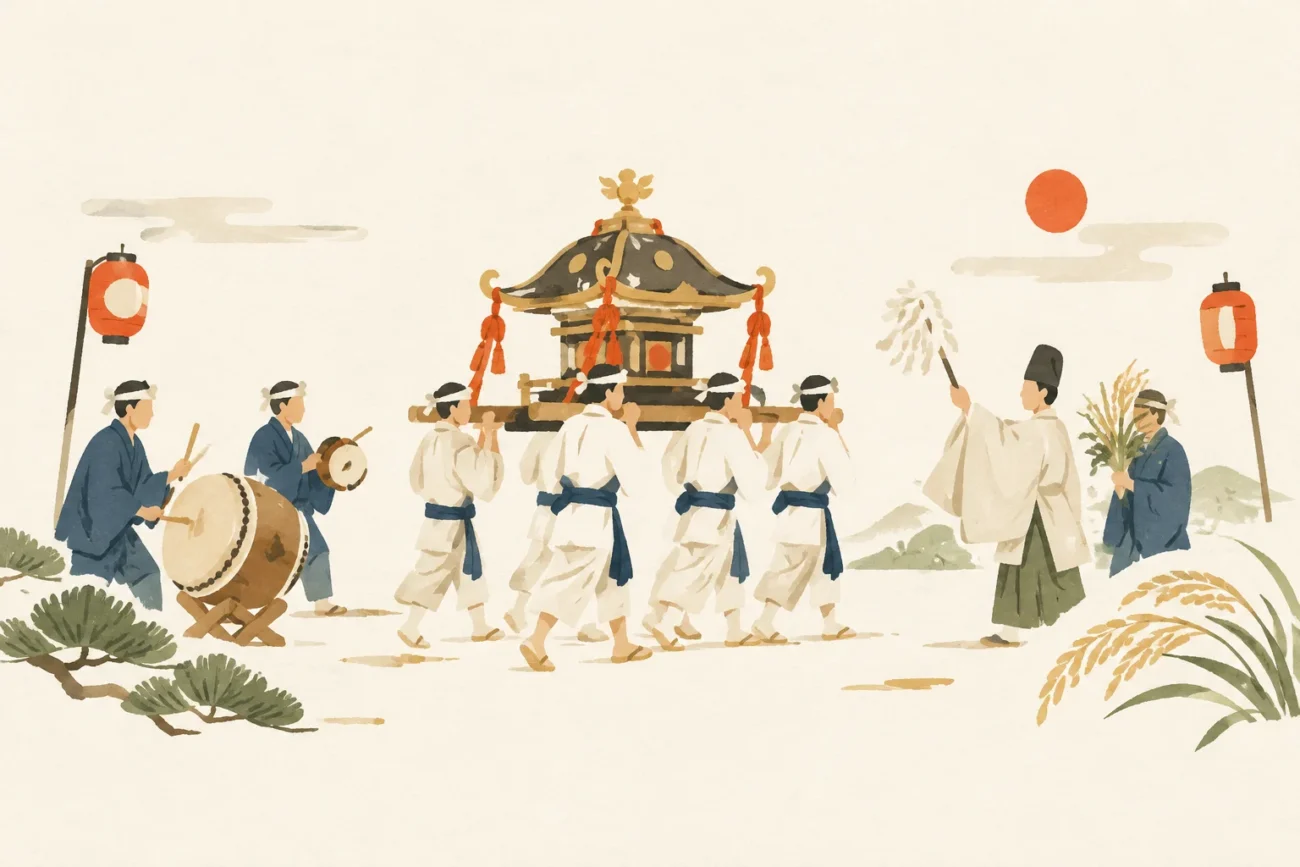
This event brings together farming rituals and mountain ascetic traditions, including a mikoshi procession, sowing seeds, miming rice planting, a musical dance, and hei-kiri.
Festival highlights
The main highlight is hei-kiri, in which the sponsor climbs a pine pole about 10 meters high and cuts down bamboo bearing a with a real sword.
The cut is said to foretell the autumn harvest, marking the climax of the shinji.
Eight shinji have been passed down, including a mikoshi procession, , a field-plowing rite, and . A musical dance is also performed to flute and accompaniment.
A spring festival in Kanda where yamabushi prayers and farming rituals are passed down
What to expect
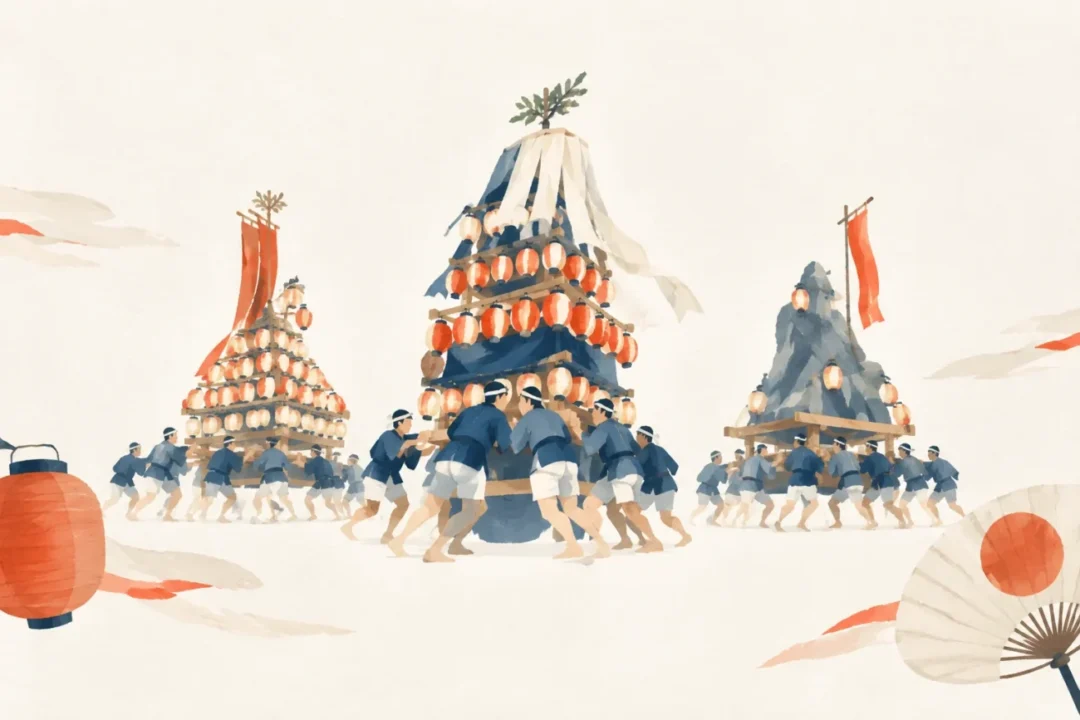
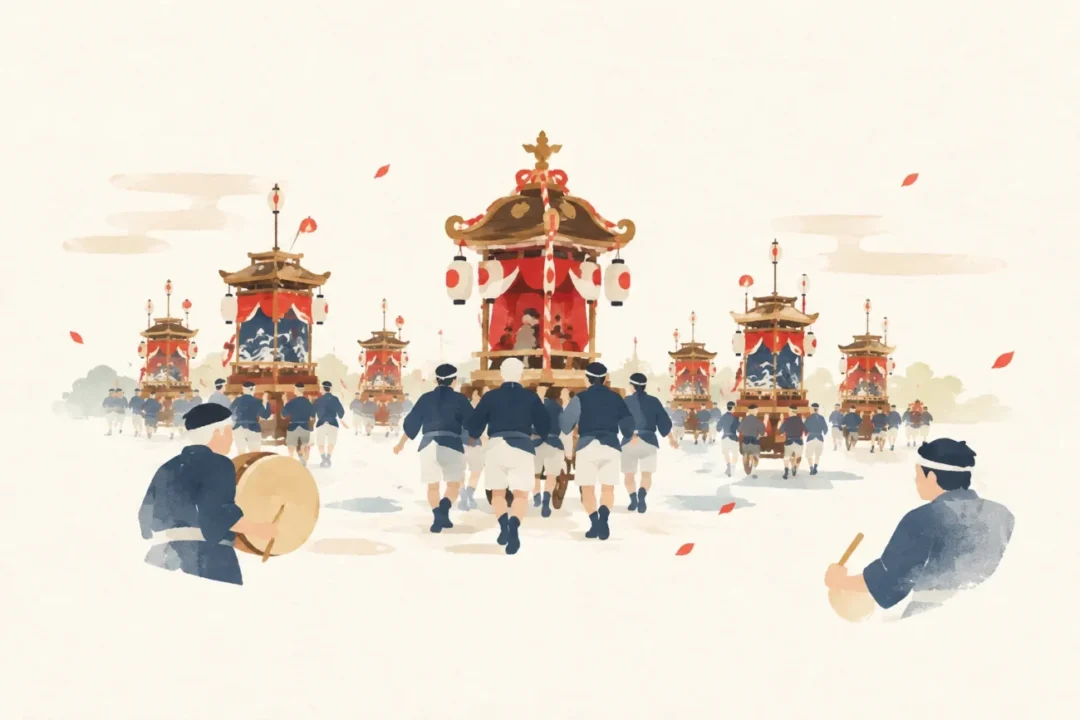
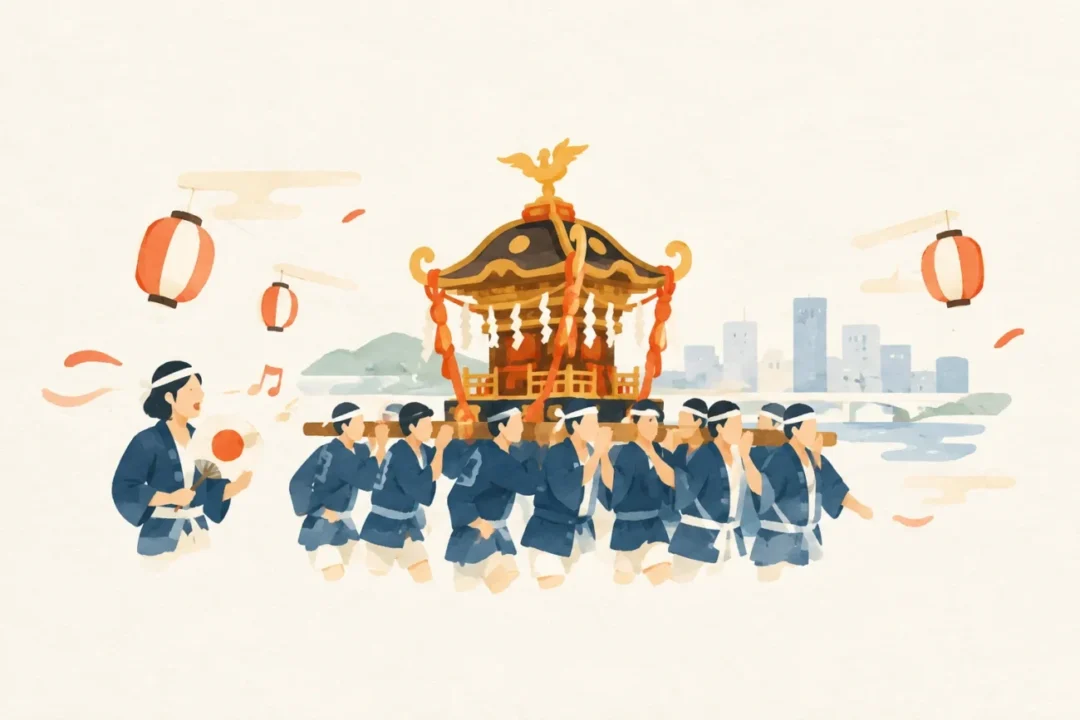
The shinji begins with a mikoshi procession, as the mikoshi is carried from the to the in the pine grove within the shrine grounds.
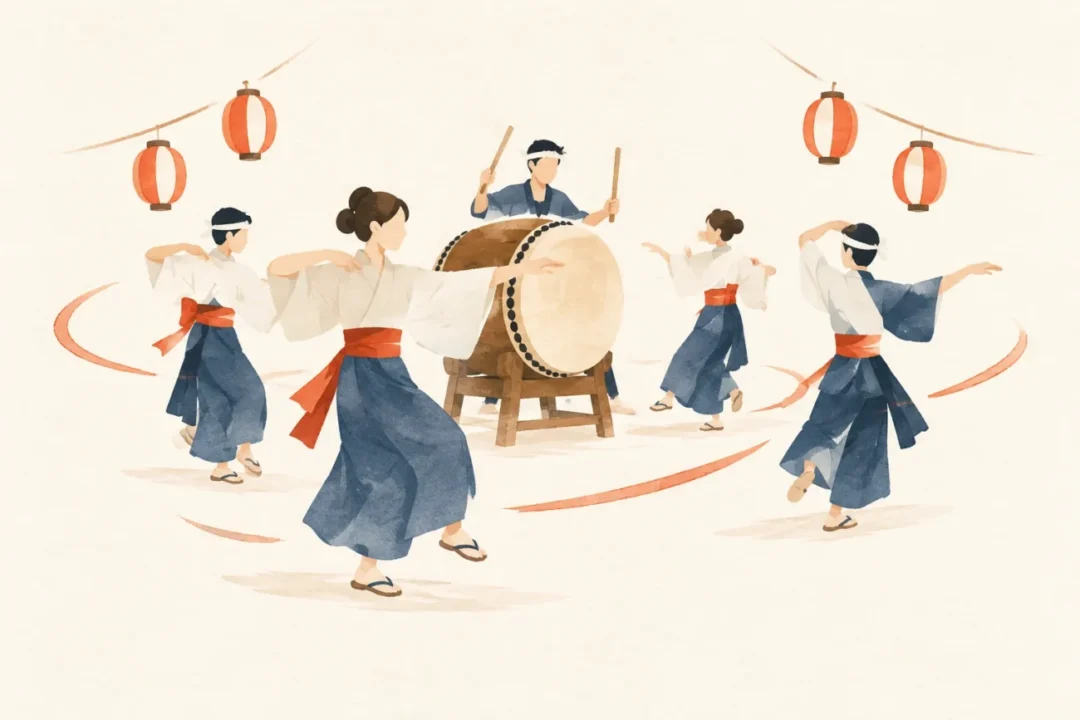
Next come sowing seeds, in which the sponsor scatters rice seeds over the pine grove, treating it as a rice paddy; children from Shirakawa Elementary School mime planting rice; and a musical dance is performed to flute and taiko accompaniment.
Finally, the proceedings move on to hei-kiri, in which the sponsor climbs the pine pole and cuts the bamboo.
How to take part
At the 2026 event, local residents and people originally from the area, along with children from the local Shirakawa Elementary School, performed the traditional shinji.
Public viewing was suspended for 3 consecutive years due to traffic restrictions on nearby roads.
Only limited information is available about how members of the general public can take part in the shinji.
Location and access
- Venue and address
Hakusan Taga Shrine (Togakureji) / Yamaguchi, Kanda
- Train and bus
15 minutes on foot from JR Kanda Station
- By car
25 minutes by car from JR Obase-Nishikodai-mae Station
Address Yamaguchi, Kanda
Dates and season
2026 event information (the listed dates have passed)
In 2026, it was held on April 19, with the shinji performed in this order: a mikoshi procession, sowing seeds, miming rice planting, a musical dance, and hei-kiri.
Public viewing was suspended due to traffic restrictions on nearby roads.
Accommodation and hotels PR
Showing nearby accommodation.
Prices and availability are current at the time of retrieval. For multi-night stays, only the first night’s price is shown. Confirm the final price and directions to the venue with the booking provider. Select your dates again when using the area search link. Search area: within 3 km of Central Fukuoka Prefecture / Kanda (the search is not centered on the festival venue)
Tips for your visit
In 2026, public viewing was suspended due to traffic restrictions on nearby roads.
If you are considering attending in person, check road access conditions and whether public viewing is permitted in advance.
Nearby attractions
In the Togakureji district, where the event is held, the Togakureji terraced rice fields lie at an elevation of 300 meters.
The fields were selected in 1992 for the “100 Beautiful Rural Landscapes of Japan” list, and the scenery of rice planting from late May to early June and rice harvesting from mid-September to early October is featured.
Origins and History of Togakureji no Matsu-e
Togakureji no Matsu-e is said to have been passed down in its present form since the Kamakura period.
The Togakureji district was once a center of mountain asceticism, and Matsu-e has been passed down by the descendants of yamabushi.
In recent years, festival gestures have been passed from one generation of Shirakawa Elementary School pupils to the next, helping preserve the community’s traditional culture.
Togakureji no Matsu-e at a Glance
Togakureji no Matsu-e is a yamabushi festival passed down in the Togakureji district of Kanda.
The proceedings begin with a mikoshi procession, followed by sowing seeds, miming rice planting, and a musical dance, before culminating in hei-kiri, the cutting of bamboo bearing a gohei atop a pine pole.
Passed down by the descendants of yamabushi and local residents, this shinji offers prayers for a bountiful harvest and divines the autumn harvest.
Japanese Festivals.jp Editorial Team
Celebrating local culture and helping you discover a side of Japan you never knew.
Article updated: 2026/11/11