A festival at Tametomo Shrine, where the Tiger Dance is offered, reflecting Uraga’s history
Tametomo Shrine Festival
Festival information
EVENT INFORMATION- Season / frequency
- June 3rd Saturday / Every year
- Location
- Tametomo Shrine
- Area
- Kanagawa Prefecture・Yokosuka City(From Tokyo: approx. 30 min–1 h · train)Prefecture-level estimate to a main station or airport, not the venue. Airport access, check-in and onward travel are extra; remote areas and islands can take much longer.
- Highlights and activities
- Last updated
- 2026/11/11
This festival has been passed down at Tametomo Shrine in Nishi-Uraga, Yokosuka. On the eve of the festival, the Tiger Dance, said to have come from Shimoda in Izu, is offered, with a performance that tells the story of the local area’s history.
About Tametomo Shrine Festival
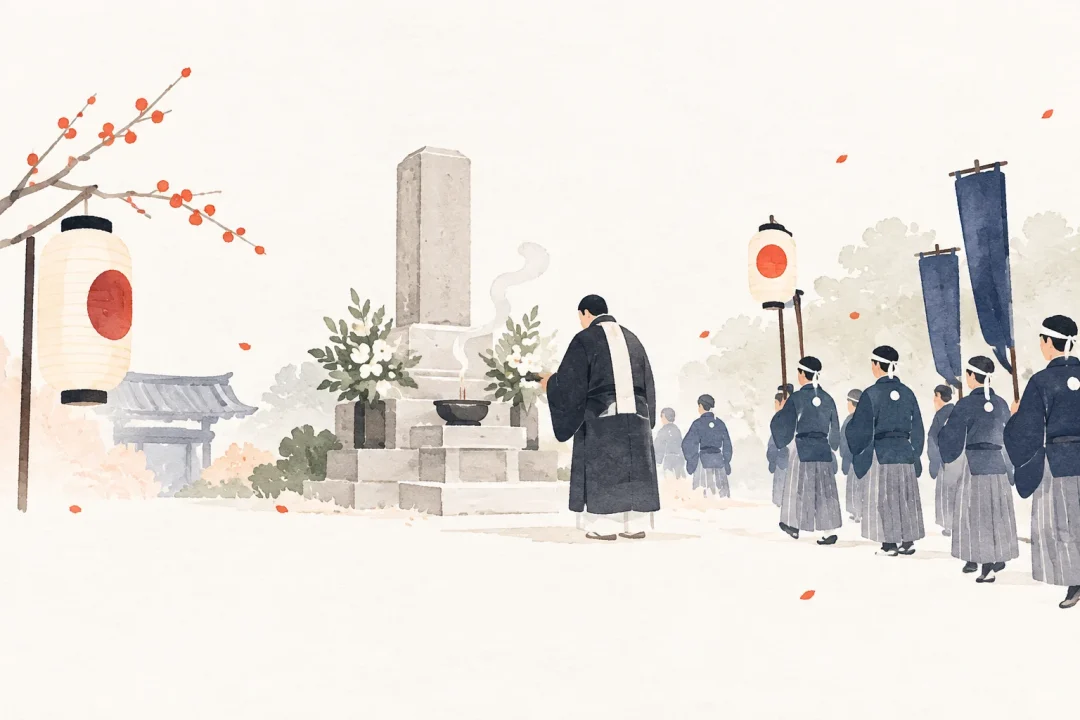
The Tametomo Shrine Festival is held at Tametomo Shrine in Hamamachi, Nishi-Uraga, Yokosuka.
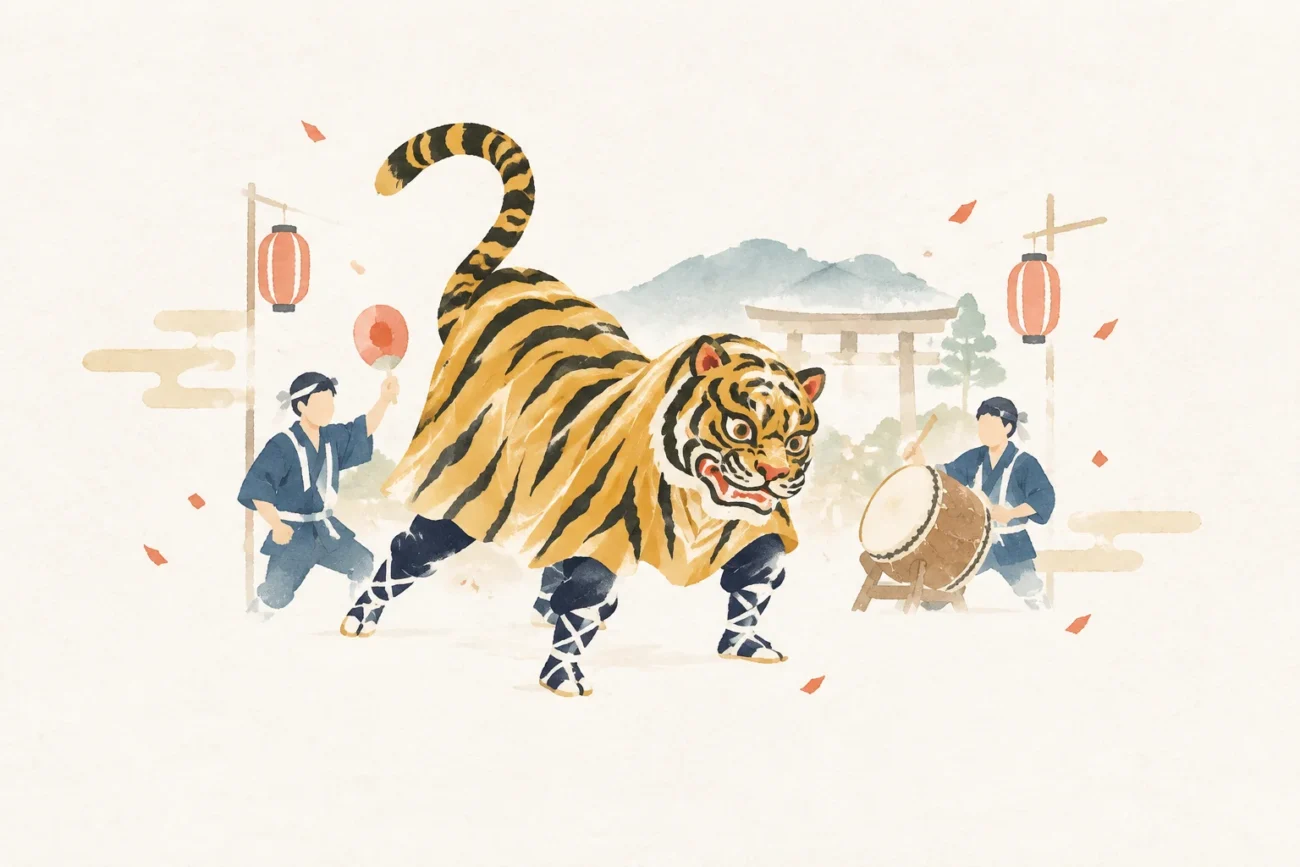
The shrine’s deity is Chinzei Hachirō Minamoto no Tametomo, and each year at the festival in June, the “Tiger Dance,” designated an Intangible Folk Cultural Property by the prefecture, is offered.
The Tiger Dance is a local performing art brought from Shimoda in Izu when the Uraga Bugyōsho (magistrate’s office) was established, making it an event that connects the area’s history with its festival.
Festival highlights
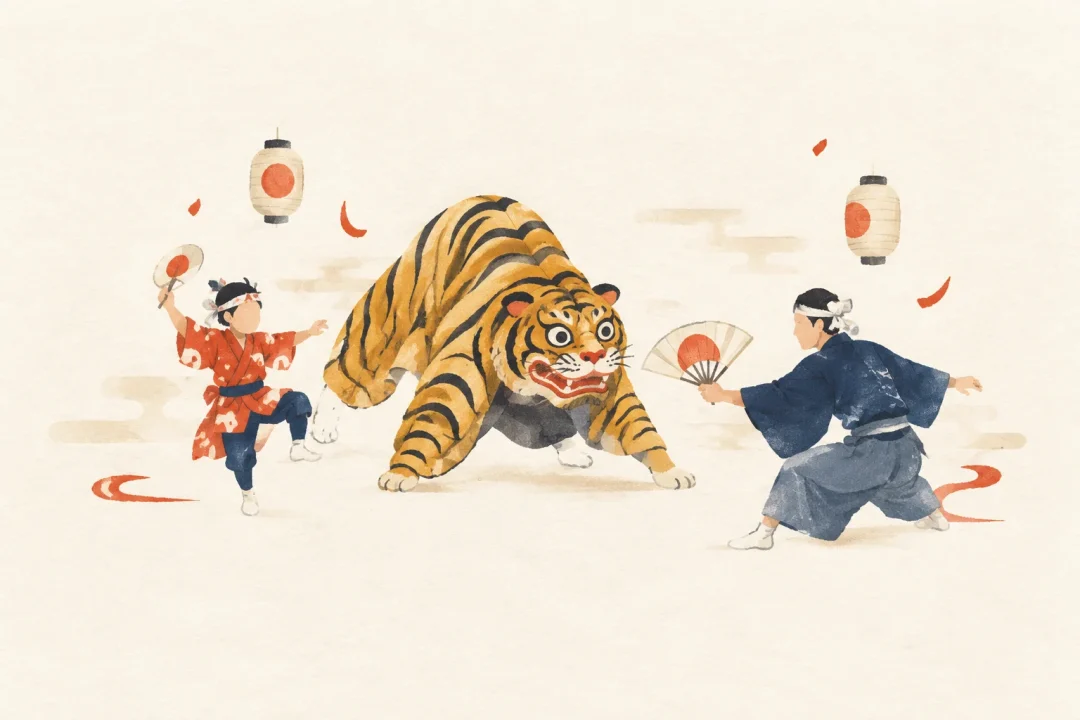
A highlight is the Tiger Dance performed by a mother and cub, Wato-nai, Daitōjin in Chinese-style clothing, and Karako.
2 people enter each tiger costume, moving its front and hind legs to perform 7 routines, such as “Tora-gaeshi” and “Ippon-sugi.”
Along with the singers, shamisen, flute, , and gong accompany the performance, which concludes with Wato-nai restraining the tiger using a talisman from Kannonzaki Shrine.
A festival at Tametomo Shrine, where the Tiger Dance is offered, reflecting Uraga’s history
What to expect
The Tiger Dance is offered on the eve of the Tametomo Shrine Festival.
The mother and cub, Wato-nai, Daitōjin, and Karako dance to songs, shamisen, flute, taiko, and gong accompaniment, acting out the story of a tiger hunt.
The program includes 7 routines, such as “Tora-gaeshi” and “Ippon-sugi,” and ends with Wato-nai restraining the tiger.
Location and access
- Venue and address
Tametomo Shrine, 4-chome, Nishi-Uraga, Yokosuka
Address 4-chome, Nishi-Uraga, Yokosuka, Kanagawa Prefecture
Dates and season
- Season
June 3rd Saturday
- Frequency
Every year
Accommodation and hotels PR
Showing nearby accommodation.
Prices and availability are current at the time of retrieval. For multi-night stays, only the first night’s price is shown. Confirm the final price and directions to the venue with the booking provider. Select your dates again when using the area search link. Search area: within 3 km of Central Kanagawa Prefecture / Yokosuka City (the search is not centered on the festival venue)
Nearby attractions

三笠
大日本帝国海軍の戦艦
Origins and History of Tametomo Shrine Festival
According to tradition, in Kansei 12 (1800), fishermen from Hamamachi brought ashore a wooden statue that had been drifting at sea, placed it in a Jizō hall, and prayed to it.
The shrine is said to have been founded during the Bunsei era (the 1820s), and it attracted worshippers as a deity protecting seafarers and warding off smallpox.
The Tiger Dance is said to have been brought from Shimoda in Izu to Uraga in Kyōhō 5 (1720). It was formerly performed at the festival of Kannonzaki Shrine, but is now performed on the eve of Tametomo Shrine’s festival.
Official information
The annual events for the Tametomo Shrine Festival are listed on the official Kannonzaki Shrine website for Nishi-Uraga, Yokosuka, under “Annual Events.”
The origins, performance details, and timing of the Tiger Dance are also covered in cultural property guides by Yokosuka City and Kanagawa Prefecture.
Tametomo Shrine Festival at a Glance
The Tametomo Shrine Festival is held at a shrine in Nishi-Uraga dedicated to Minamoto no Tametomo, and carries on the area’s history and folk performing arts.
On the eve of the festival each year in June, the Tiger Dance, designated an Intangible Folk Cultural Property by the prefecture and said to have come from Shimoda in Izu, is offered.
Highlights include the tale of a tiger hunt performed by a mother and cub, Wato-nai, Karako, and Daitōjin to the accompaniment of hayashi music, as well as the distinctive performance in which 2 people move inside the tiger costume.
Sources and references
Japanese Festivals.jp Editorial Team
Celebrating local culture and helping you discover a side of Japan you never knew.
Article updated: 2026/11/11