Takatsu’s New Year event, with prayers offered through archery and the handover of the shintai
Takatsu no Hatsukabisha
Festival information
EVENT INFORMATION- Season / frequency
- Every year on January 20 / Every year
- Location
- Takatsu Hime Shrine
- Area
- Chiba Prefecture・Yachiyo City(From Tokyo: approx. 40 min–1 h · train)Prefecture-level estimate to a main station or airport, not the venue. Airport access, check-in and onward travel are extra; remote areas and islands can take much longer.
- Wishes behind the festival
- Last updated
- 2026/11/15
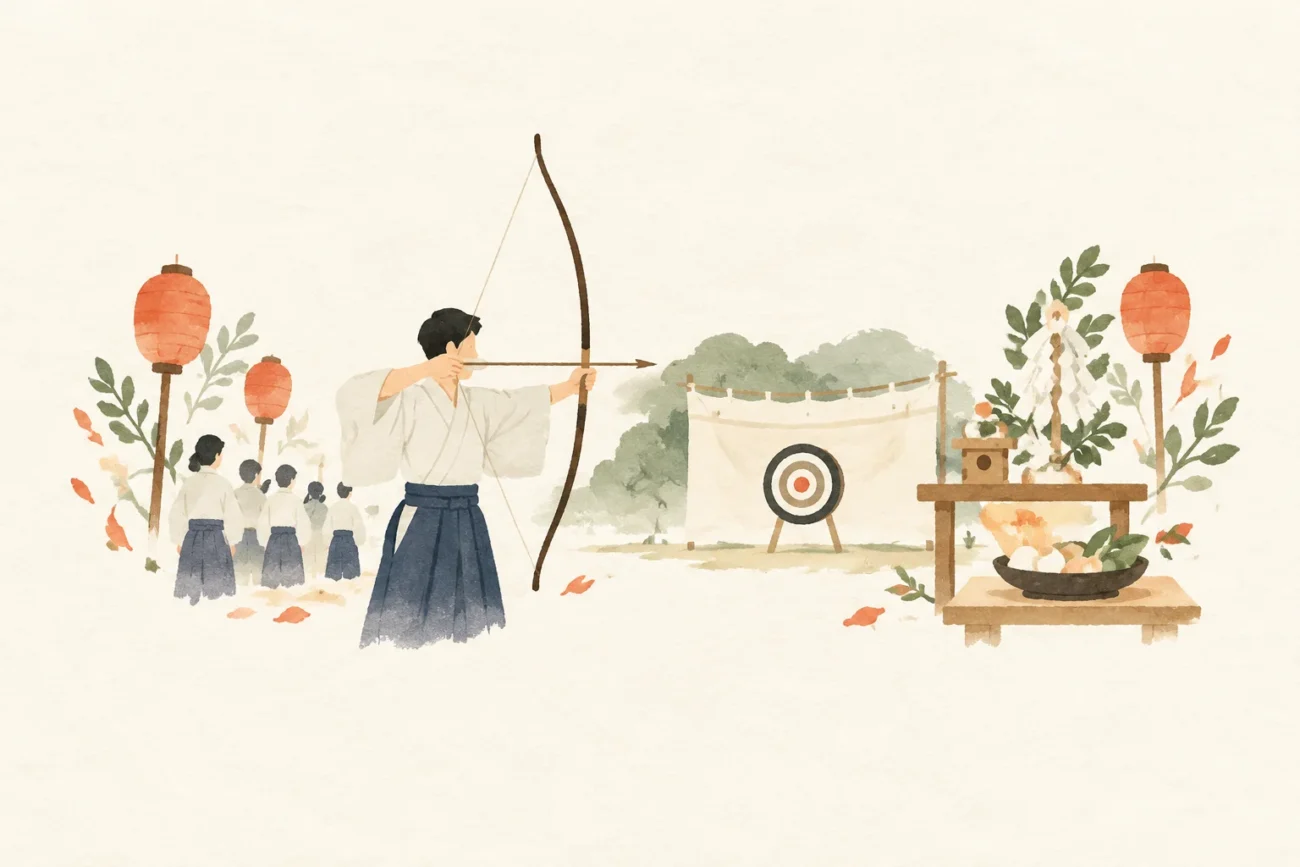
Takatsu no Hatsukabisha is a Takatsu Obisha centered on shooting arrows at a target, followed by the handover of the and a naorai. It has been passed down in the community since long ago as an agricultural ritual held at the beginning of the year to pray for favorable weather and a good, undisturbed harvest.
About Takatsu no Hatsukabisha
Takatsu no Hatsukabisha is an Obisha held every year on January 20 at Takatsu Hime Shrine.
Obisha is considered an agricultural ritual held from the beginning of the year through early spring to pray for favorable weather and a good, undisturbed harvest.
After the ritual of shooting arrows at a target, the Otō (shintai) is handed over, followed by a naorai. This series of rituals passed down in the community has been preserved.
It is a valuable folk event designated as a Yachiyo City Cultural Property.
Festival highlights
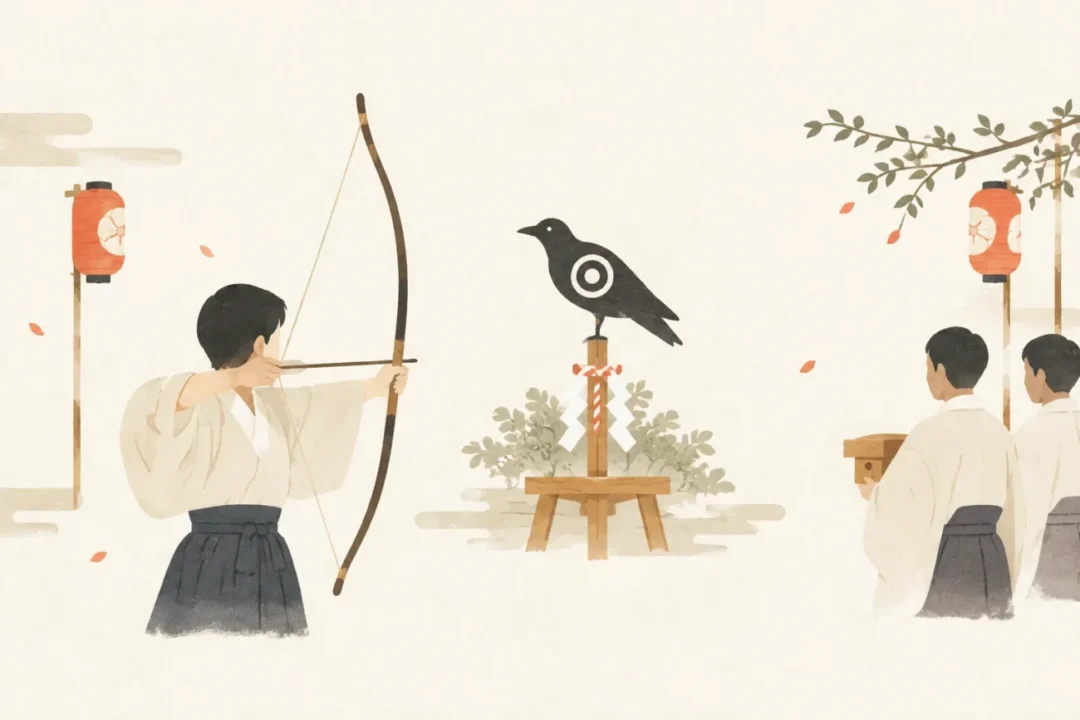
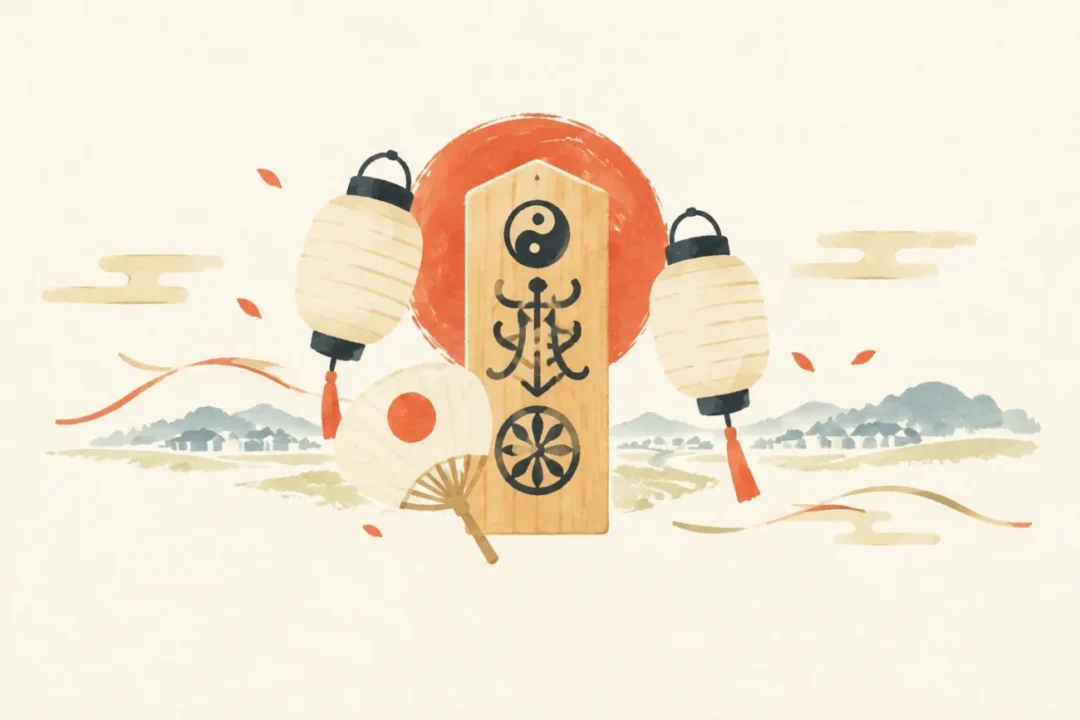
The main highlight is the ritual of shooting arrows at a target marked “甲乙ム.”
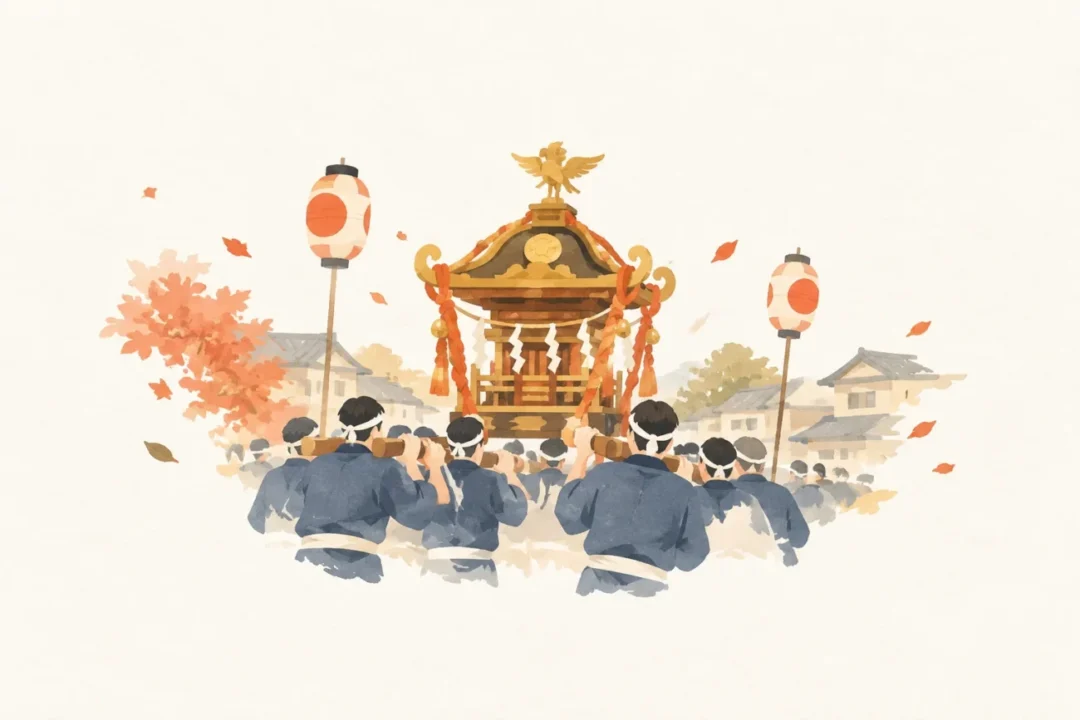
After the archery, the Otō (shintai) is handed over to the next person in charge, passing on the role in the event.
The event then continues with a naorai, so one distinctive feature is that the sequence is passed down as a whole, including the latter part of the ritual, rather than only the archery scene.
The song “Obisha Hanami,” performed by the women, is also an element that brings color to the event.
Takatsu’s New Year event, with prayers offered through archery and the handover of the shintai
What to expect
The event begins with archery at a target at Takatsu Hime Shrine.
After that, the Otō (shintai) is received in a ceremony called uketori, or tōwatashi—the handover.
After moving to another location, the event continues with a naorai, a banquet held after the shrine festival.
“Obisha Hanami,” once sung by the women of the Nenbutsu kō, is now sung by the women in the garden of the person in charge.
Location and access
- Venue and address
Takatsu Hime Shrine, 294 Takatsu, Yachiyo City
Address 294 Takatsu, Yachiyo City
Dates and season
- Season
Every year on January 20
- Frequency
Every year
Accommodation and hotels PR
Showing nearby accommodation.
Prices and availability are current at the time of retrieval. For multi-night stays, only the first night’s price is shown. Confirm the final price and directions to the venue with the booking provider. Select your dates again when using the area search link. Search area: within 3 km of Central Chiba Prefecture / Yachiyo City (the search is not centered on the festival venue)
Origins and History of Takatsu no Hatsukabisha
The precise origins of Takatsu no Hatsukabisha are unclear, but two documents were found in a wooden box containing the shintai of Takatsu Hime Shrine: the “Takatsu Daimyōjin Hōsha-chō” from Hōei 8 (1711) and the “Takatsu Daimyōjin Hōsha Tōban Oboe-chō” from Genbun 2 (1737).
These records show that an Obisha was being held in Takatsu by at least 1711.
“Obisha Hanami,” once performed by the women of the Nenbutsu kō, is now passed down through songs performed by the women in the garden of the person in charge, since the Nenbutsu kō no longer exists.
Official information
The Cultural Properties Section of the Culture and Sports Division, Yachiyo City Board of Education, provides information on it as a designated cultural property.
For inquiries, contact the same section at 047-481-0304.
Takatsu no Hatsukabisha at a Glance
Takatsu no Hatsukabisha is an Obisha designated as a Yachiyo City Cultural Property, held every year on January 20 at Takatsu Hime Shrine.
After praying for favorable weather and a good, undisturbed harvest, participants shoot arrows at a target marked “甲乙ム,” followed by the handover of the shintai and a naorai.
Records from the Edo period show that the event was being held as early as 1711. Today, the valuable sequence of events, from the archery ritual through the naorai, is still passed down.
Japanese Festivals.jp Editorial Team
Celebrating local culture and helping you discover a side of Japan you never knew.
Article updated: 2026/11/15