Suga Hiro’s autumn festival, brought to life by the sound of the sasara and three lions
Suga Hiro Autumn Festival “Sasara”

Festival information
EVENT INFORMATION- Season / frequency
- Every year in October. Local guides place it from early to mid-October. / Every year
- Area
- Saitama Prefecture・Kumagaya City(From Tokyo: approx. 30 min–1 h · train)Prefecture-level estimate to a main station or airport, not the venue. Airport access, check-in and onward travel are extra; remote areas and islands can take much longer.
- Features
- Highlights and activities
- Last updated
- 2026/10/19
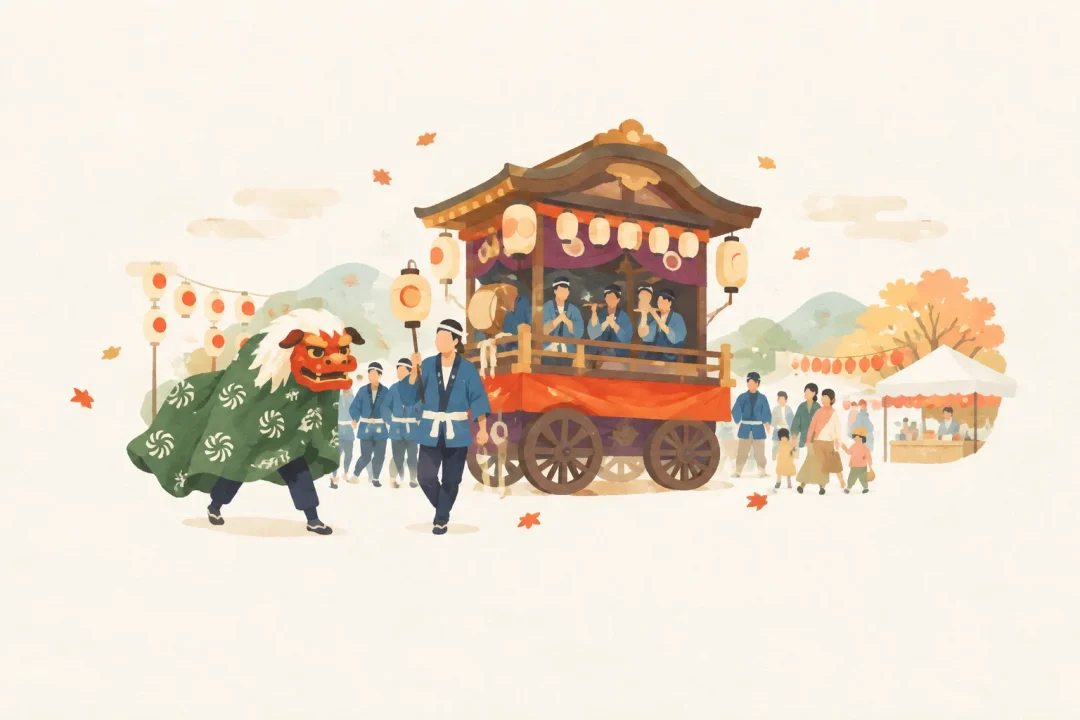
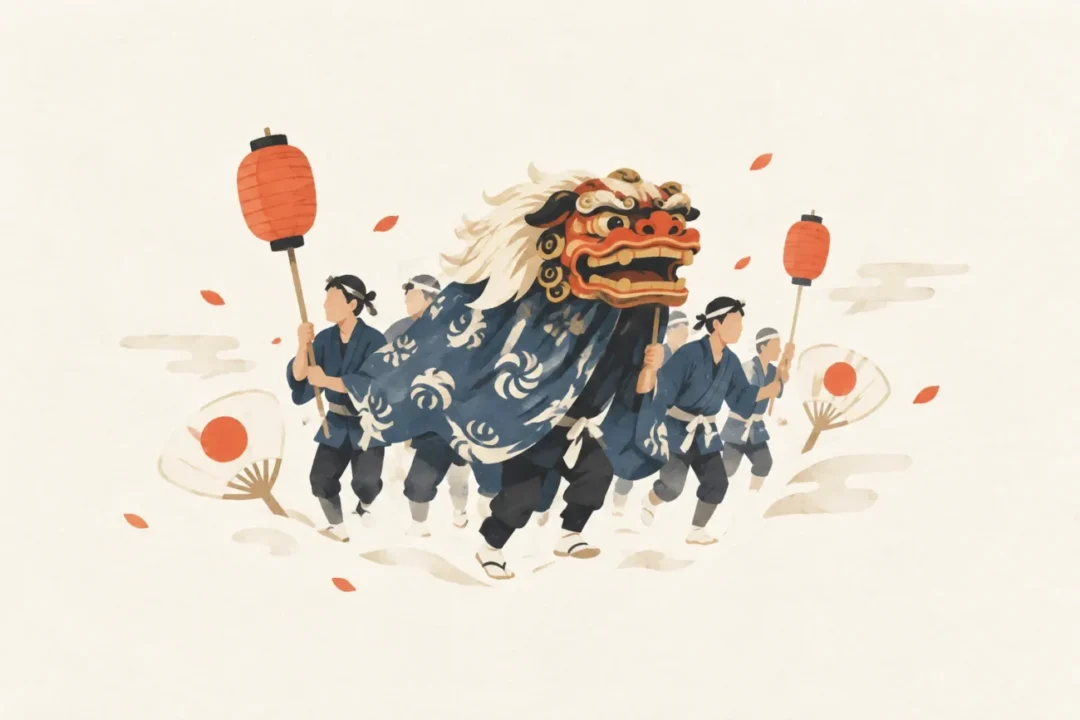
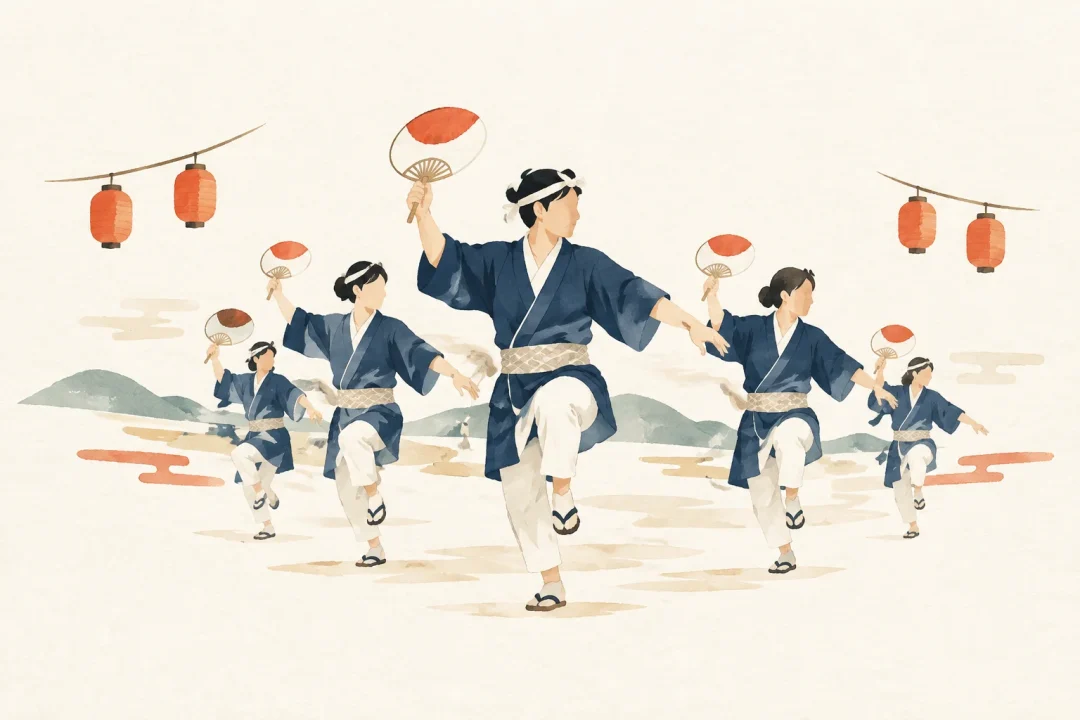
The Suga Hiro Autumn Festival “Sasara,” passed down in Suga Hiro, Kumagaya City, is a lion-dance festival featuring three lions, flower hats, stick performers, and a comic character. The dedication and Muramawari take place to the sounds of the sasara and festival music, carrying on a local performing art that dates back to the mid-Edo period.
About Suga Hiro Autumn Festival “Sasara”
The Suga Hiro Autumn Festival “Sasara” is an autumn festival that has been passed down in the Suga Hiro area of Kumagaya City.
At the festival, a dance performed by three independently costumed lions is dedicated, with a nakadachi, flower hats, stick performers, and a comic character also taking part.
After the , Muramawari (a procession through the village) also takes place, and the performance is carefully passed down as a folk art rooted in the community.
Source: 須賀広ササラ獅子舞(須賀広秋祭り「ササラ」):熊谷市ホームページ
Festival highlights
Highlights include the one-person-per-lion dance performed by three lions, and the cohesive arrangement woven together by flower hats, stick performers, and a comic character.
The sound of the sasara combines with flutes, bells, and the lively melodies of the festival music, creating a distinctive sound on an autumn night.
The comic character’s movements, which appear partway through, and the Muramawari after the dedication also have the distinctive charm of a local festival.
Source: 江南エリア | くまがや市商工会
Suga Hiro’s autumn festival, brought to life by the sound of the sasara and three lions
What to expect
At the festival, the lion dance is first dedicated at the shrine.
The program centers on a dance performed by three independently costumed lions, led by a nakadachi, with flower hats, stick performers, and a comic character joining in.
After the dedication, Muramawari (a procession through the village) takes place, and the sounds of the lion dance and festival music spread through the community.
Location and access
- Address
Kumagaya City
Host municipality 埼玉県熊谷市
This map shows the surrounding area, not the exact venue location.
Dates and season
- Season
Every year in October.
Local guides place it from early to mid-October.
- Frequency
Every year
Accommodation and hotels PR
Showing nearby accommodation.
Prices and availability are current at the time of retrieval. For multi-night stays, only the first night’s price is shown. Confirm the final price and directions to the venue with the booking provider. Select your dates again when using the area search link. Search area: within 3 km of Central Saitama Prefecture / Kumagaya City (the search is not centered on the festival venue)
Tips for your visit
As the lion dance is performed at an autumn night festival, it is a good idea to wear clothing suited to getting around after dark.
To avoid disrupting the dedication or Muramawari, do not block the performers’ or local residents’ routes, and follow the guidance provided while watching.
As venue information differs across sources, check the location for the current year before setting out.
Source: 江南地区の秋祭りのご案内 | 熊谷観光局
Nearby attractions
Onuma Park is introduced as a local attraction in the area around Suga Hiro.
Onuma is a former agricultural reservoir developed into a park, where visitors can enjoy the vermilion bridge to Benten Island and the scenery across the water.
The area is also known for attracting many wild birds and waterfowl, and offers a chance to experience the nature of the Konan area, where the festival is held.

歓喜院
埼玉県熊谷市にある寺院

高城神社
埼玉県熊谷市にある神社
Origins and History of Suga Hiro Autumn Festival “Sasara”
The Suga Hiro lion dance originated with a lion dance dedicated at Suwa Shrine in Haneo, Namegawa Town, Hiki District, which was passed down to the Suga Hiro area and took root there during the mid-Edo period.
The lion dance mask bears an inscription in ink dating from the Genbun era (1736 to 1741).
This record offers a clue that local festival arts from the mid-Edo period have been passed down to the present day.
Official information
The Kumagaya City website introduces the Suga Hiro Sasara Lion Dance as a cultural property designated by the city.
The Konan Cultural Properties Center is listed as the point of contact, where you can learn about the festival’s origins, its performers and structure, and the Muramawari after the dedication.
It is best to check the schedule and venue information for each year against the local guidance for that year.
Suga Hiro Autumn Festival “Sasara” at a Glance
The Suga Hiro Autumn Festival “Sasara” is an autumn festival in which the community continues to preserve a lion dance passed down from the mid-Edo period.
Three independently costumed lions, flower hats, stick performers, and a comic character appear, while the sounds of the sasara and festival music enliven the festival.
Including the Muramawari after the dedication, this event offers a glimpse of the folk performing arts thriving in Suga Hiro, Kumagaya City.
Japanese Festivals.jp Editorial Team
Celebrating local culture and helping you discover a side of Japan you never knew.
Article updated: 2026/10/19
Submit information or a correction Submit photos of this festival