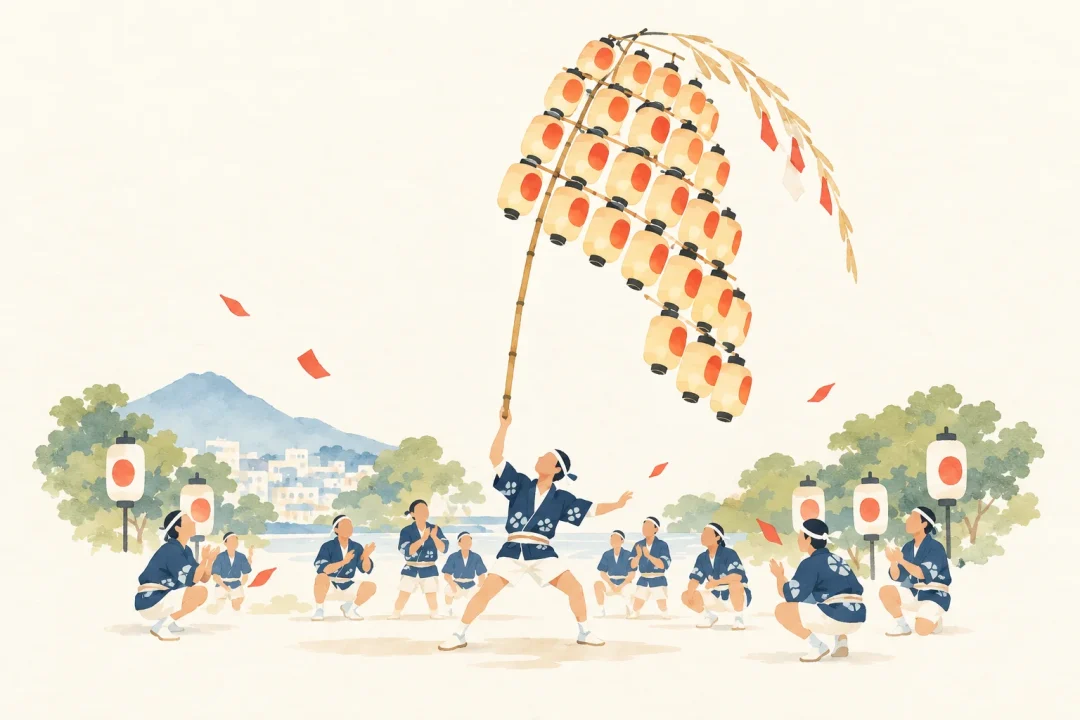
A traditional event in Musashimurayama, where the rhythms of bells and drums accompany the chanting of nenbutsu
Soban Nenbutsu Yakushi Nenbutsu Kane-hari
Festival information
EVENT INFORMATION- Season / frequency
- Every October 8, on the 12th and 22nd / Every year
- Location
- Shuku Yakushido
- Area
- Tokyo Metropolis・Musashimurayama(Within Tokyo: approx. 15 min–1 h by train (central areas))Prefecture-level estimate to a main station or airport, not the venue. Airport access, check-in and onward travel are extra; remote areas and islands can take much longer.
- Highlights and activities
- Last updated
- 2026/11/13
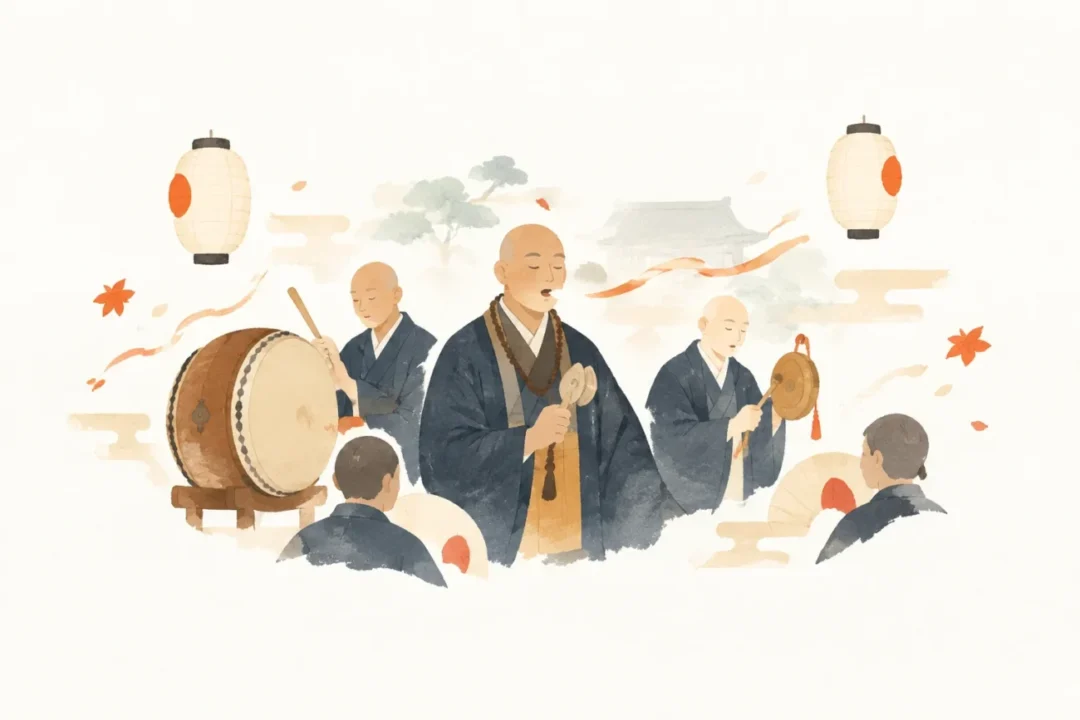
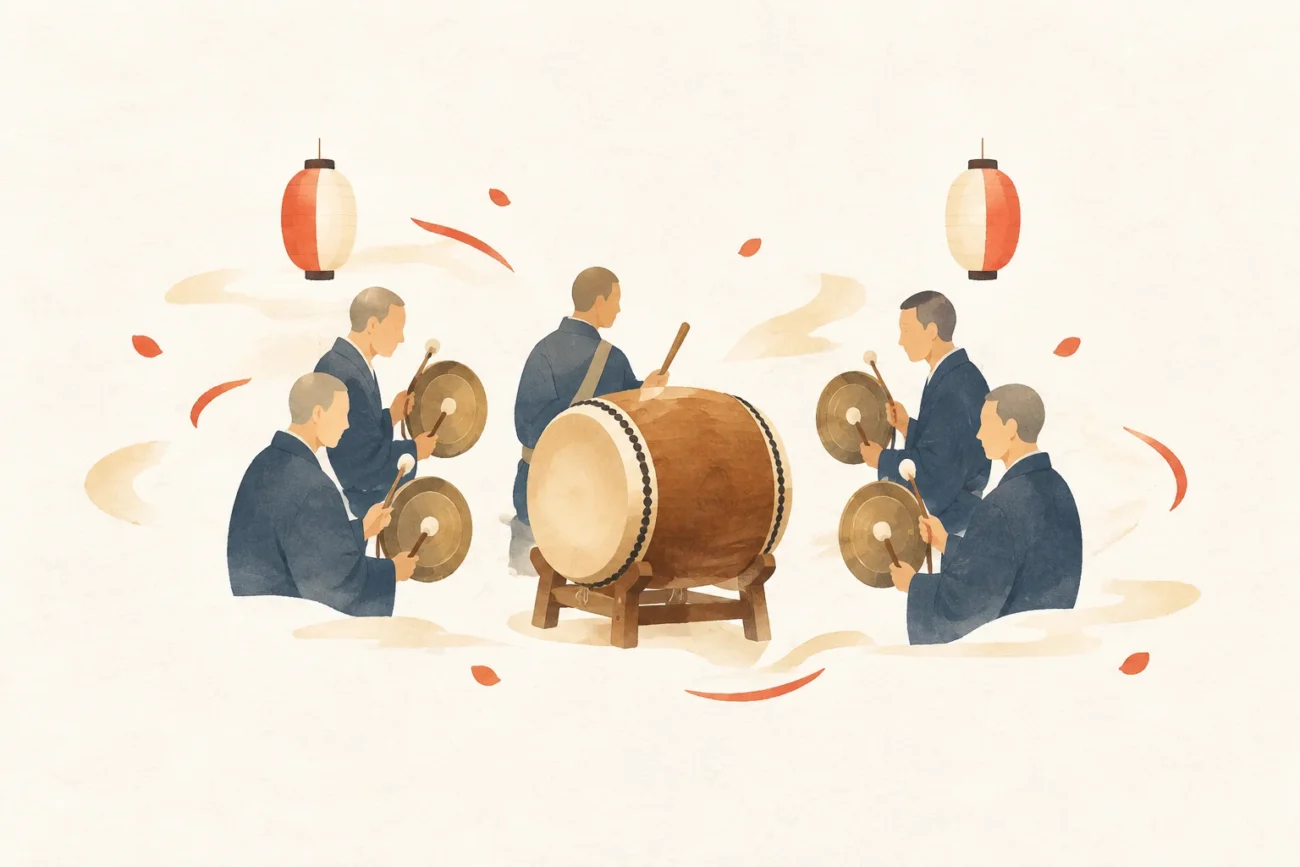
Soban Nenbutsu Yakushi Nenbutsu Kane-hari, passed down at Shuku Yakushido, is a Buddhist event where nenbutsu is chanted to the accompaniment of 4 kane bells and 1 drum.
About Soban Nenbutsu Yakushi Nenbutsu Kane-hari
Soban Nenbutsu Yakushi Nenbutsu Kane-hari is a Buddhist event held at Shuku Yakushido in Musashimurayama.
Participants strike 4 kane bells and 1 drum while chanting nenbutsu to a distinctive melody.
Rooted in the shōmyō nenbutsu tradition dating back to the Heian period, the event was designated a Tokyo Intangible Folk Cultural Property in Heisei 3 March.
Held every October 8, on the 12th and 22nd.
Festival highlights
A highlight is the combination of sounds created by 4 kane bells and 1 drum.
Nenbutsu is chanted to the accompaniment of percussion, with a distinctive melody.
Rather than simply chanting nenbutsu, the event brings together bell and drum playing with call-and-response chanting—a feature unique to this tradition.
At Shuku Yakushido, you can experience a musical tradition passed down through the local community.
A traditional event in Musashimurayama, where the rhythms of bells and drums accompany the chanting of nenbutsu
What to expect
During the event, participants strike 4 kane bells and 1 drum, then chant nenbutsu to a distinctive melody in time with the sound.
The basic progression combines the playing of bells and drums with call-and-response chanting.
Yakushi Nenbutsu Kane-hari is held at Shuku Yakushido, with the 8th, 12th, and 22nd of every October listed as event days.
Location and access
- Venue and address
Shuku Yakushido (3-22-3 Mitsugi)
Address 3-22-3 Mitsugi, Musashimurayama, Tokyo
Dates and season
- Season
Every October 8, on the 12th and 22nd
- Frequency
Every year
Accommodation and hotels PR
Showing nearby accommodation.
Prices and availability are current at the time of retrieval. For multi-night stays, only the first night’s price is shown. Confirm the final price and directions to the venue with the booking provider. Select your dates again when using the area search link. Search area: within 3 km of Central Tokyo Metropolis / Musashimurayama (the search is not centered on the festival venue)
Origins and History of Soban Nenbutsu Yakushi Nenbutsu Kane-hari
Soban nenbutsu is said to have developed from the shōmyō nenbutsu tradition that dates back to the Heian period.
The origins of Yakushi Nenbutsu Kane-hari are believed to date to Bunka 11 (1814), based on an inscription in ink inside the drum’s body.
Until Showa 43, it was passed down by members of the youth association. Since then, the Shuku Yakushi Nenbutsu Kane-hari Preservation Society has worked to preserve and pass it on.
It was designated an Intangible Folk Cultural Property in Heisei 3 March.
Official information
Musashimurayama City Official Website, “Designated Cultural Properties”
Soban Nenbutsu Yakushi Nenbutsu Kane-hari at a Glance
Soban Nenbutsu Yakushi Nenbutsu Kane-hari is a Buddhist event passed down at Shuku Yakushido.
It is distinguished by the way participants strike 4 kane bells and 1 drum while chanting nenbutsu to a distinctive melody.
Its origins are believed to date to Bunka 11 (1814). The responsibility for passing it on has shifted from the youth association to the preservation society that carries it on today.
Held every October 8, on the 12th and 22nd, it was designated an Intangible Folk Cultural Property in Heisei 3 March.
Sources and references
Japanese Festivals.jp Editorial Team
Celebrating local culture and helping you discover a side of Japan you never knew.
Article updated: 2026/11/13