Tago’s traditional Shogatsuyo: linking prayers and preserved food
Shogatsuyo

Festival information
EVENT INFORMATION- Dates
- 2026/12/01 〜 2026/12/31Scheduled
- Season / frequency
- New Year
- Area
- Shizuoka Prefecture・Nishiizu Town(From Tokyo: approx. 1 h–1 h 30 min · bullet train)Prefecture-level estimate to a main station or airport, not the venue. Airport access, check-in and onward travel are extra; remote areas and islands can take much longer.
- Highlights and activities
- Wishes behind the festival
- Last updated
- 2026/11/12
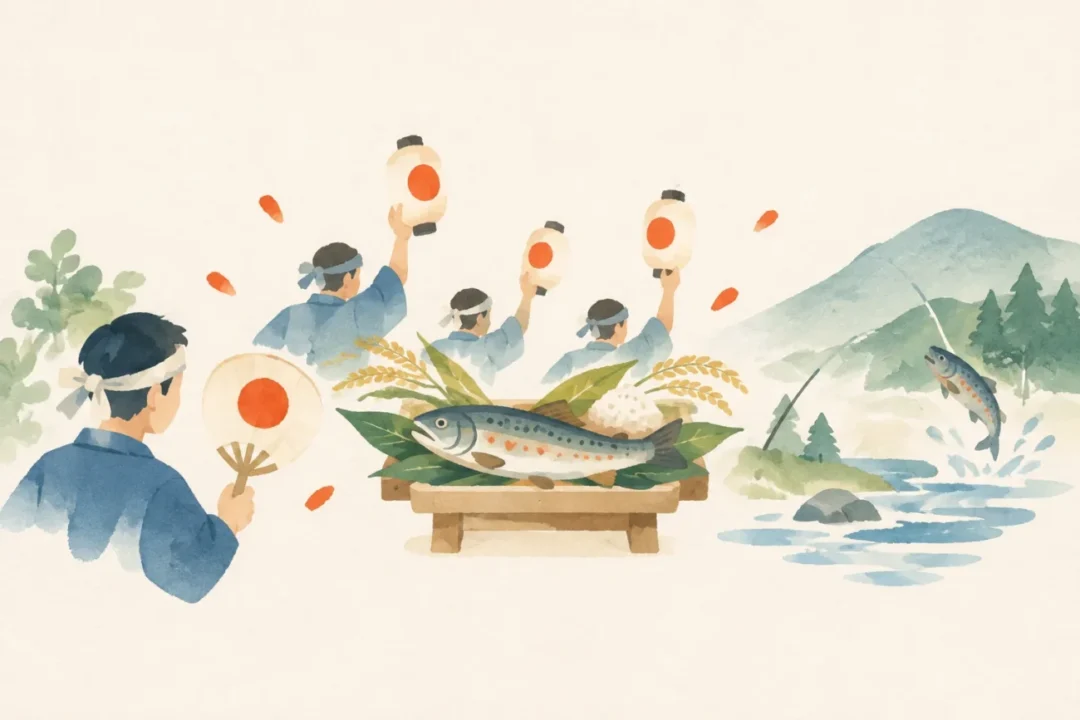
Shogatsuyo is a custom in the Tago district of decorating salted bonito with a straw ornament and offering it at the household altar for New Year. Prayers for safe voyages, abundant catches and harvests, and prosperity for future generations are intertwined with its role as a winter-preserved food.
About Shogatsuyo
Shogatsuyo is a salted-bonito custom passed down in the Tago district of Nishiizu Town.
Salted bonito is decorated with a straw ornament and offered at the household altar for New Year, with prayers for safe voyages, abundant catches and harvests, and prosperity for future generations.
After the first 3 days of the New Year, it is taken down from the household altar and shared with those involved or eaten at home as preserved food.
Festival highlights
A highlight is this distinctive New Year arrangement in Tago: salted bonito decorated with a straw ornament and offered at the household altar.
Although it is an offering for the New Year, after the first 3 days it is shared with others or kept as preserved food, showing how prayers are connected to everyday eating.
It is said that the Tago district is the only place in Japan where Shogatsuyo is still produced.
Tago’s traditional Shogatsuyo: linking prayers and preserved food
What to expect
To welcome the New Year, salted bonito is decorated with a straw ornament and offered at the household altar.
After the first 3 days of the New Year, it is taken down from the household altar and shared with those involved; families also eat it as preserved food.
It was also sometimes used by sailors from the Tago district as an item in their employment contracts at the start of the year.
Location and access
- Venue and address
Tago area, Nishiizu Town
Event venue 静岡県西伊豆町 西伊豆町田子地区
This map uses the venue name. Check the official guide for the event area and entrances.
Dates and season
Scheduled to take place from December 1, 2026 to December 31.
Accommodation and hotels PR
Showing nearby accommodation.
Prices and availability are current at the time of retrieval. For multi-night stays, only the first night’s price is shown. Confirm the final price and directions to the venue with the booking provider. Select your dates again when using the area search link. Search area: within 3 km of Central Shizuoka Prefecture / Nishiizu Town (the search is not centered on the festival venue)
Origins and History of Shogatsuyo
In the Tago district, where bonito fishing once flourished, Shogatsuyo has long been made as winter-preserved food.
This custom of decorating salted bonito with a straw ornament and offering it at New Year has been passed down, and after the first 3 days of the New Year it is eaten as food again.
In the past, it was also used as an item in the New Year employment contracts of sailors from the Tago district, and has long been tied to local work and daily life.
Official information
The Nishiizu Town Office lists “salted bonito” in its event information.
Shogatsuyo at a Glance
Shogatsuyo is a custom in the Tago district of Nishiizu Town of decorating salted bonito with a straw ornament and offering it at the household altar for New Year.
It expresses wishes for safe voyages, abundant catches and harvests, and prosperity for future generations. After the first 3 days of the New Year, it is shared with others or kept as preserved food.
It is a culture rooted in Tago’s way of life and work, having also served as winter-preserved food and an item in sailors’ employment contracts.
Sources and references
Japanese Festivals.jp Editorial Team
Celebrating local culture and helping you discover a side of Japan you never knew.
Article updated: 2026/11/12