Arari’s Hama Segaki: prayers by lantern light, alongside gratitude for the sea’s bounty
Hama Segaki
Festival information
EVENT INFORMATION- Season / frequency
- Every year, in the evening of August 15 / Every year
- Location
- Seaward side of Arari Multipurpose Plaza
- Area
- Shizuoka Prefecture・Nishiizu Town(From Tokyo: approx. 1 h–1 h 30 min · bullet train)Prefecture-level estimate to a main station or airport, not the venue. Airport access, check-in and onward travel are extra; remote areas and islands can take much longer.
- Features
- Highlights and activities
- Wishes behind the festival
- Last updated
- 2026/10/22
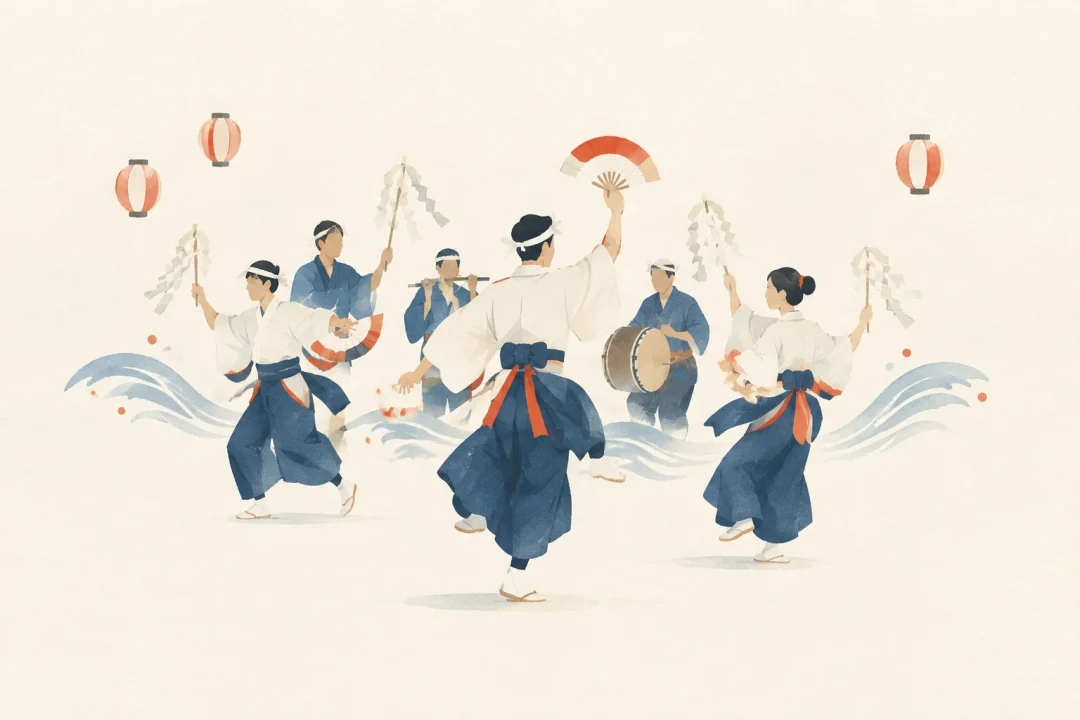
Hama Segaki in Arari is a local observance that offers prayers for hungry ghosts and the unclaimed dead, while also expressing gratitude for the sea’s bounty. Lanterns, a spirit boat, , and sutra recitations create a place of remembrance passed down in this port town.
About Hama Segaki
Hama Segaki brings together the Segaki-e ceremony, in which food and drink are offered to hungry ghosts, prayers for the happiness of the recently deceased, and memorial rites for the unclaimed dead.
In Arari, which has a good harbor, the observance also expresses gratitude for the sea’s bounty and includes prayers for seafood and dolphins.
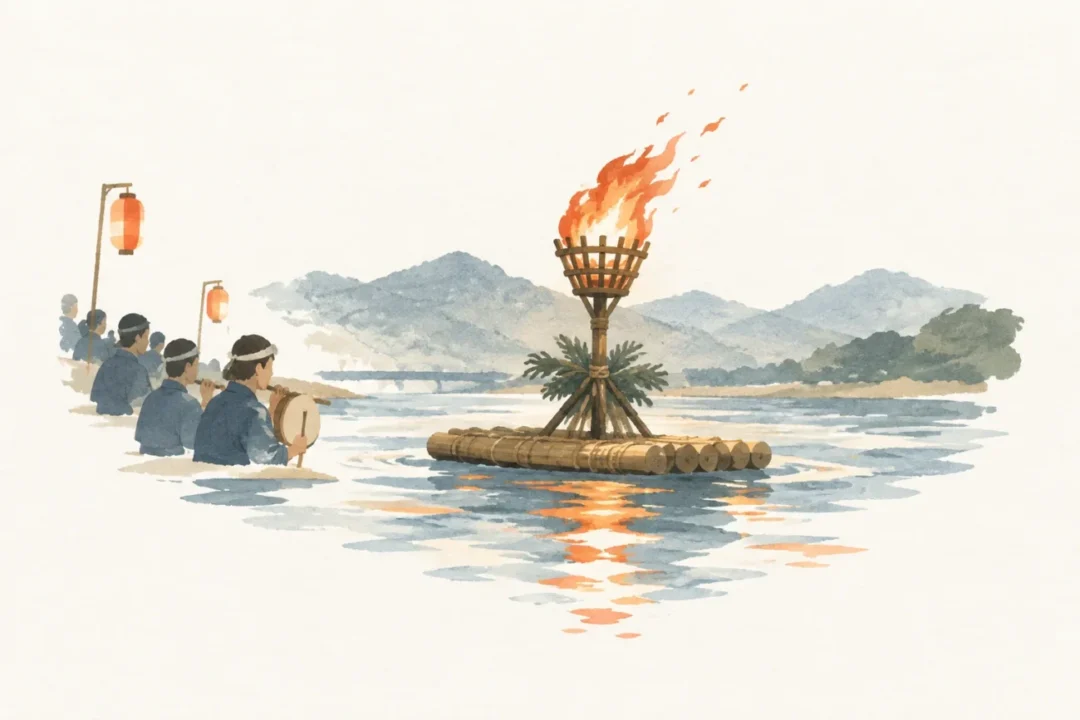
Every year, in the evening of August 15, a spirit boat is placed on the seaward side of the multipurpose plaza, in an observance cherished and passed down by local residents.
Source: opendata.pref.shizuoka.jp
Festival highlights
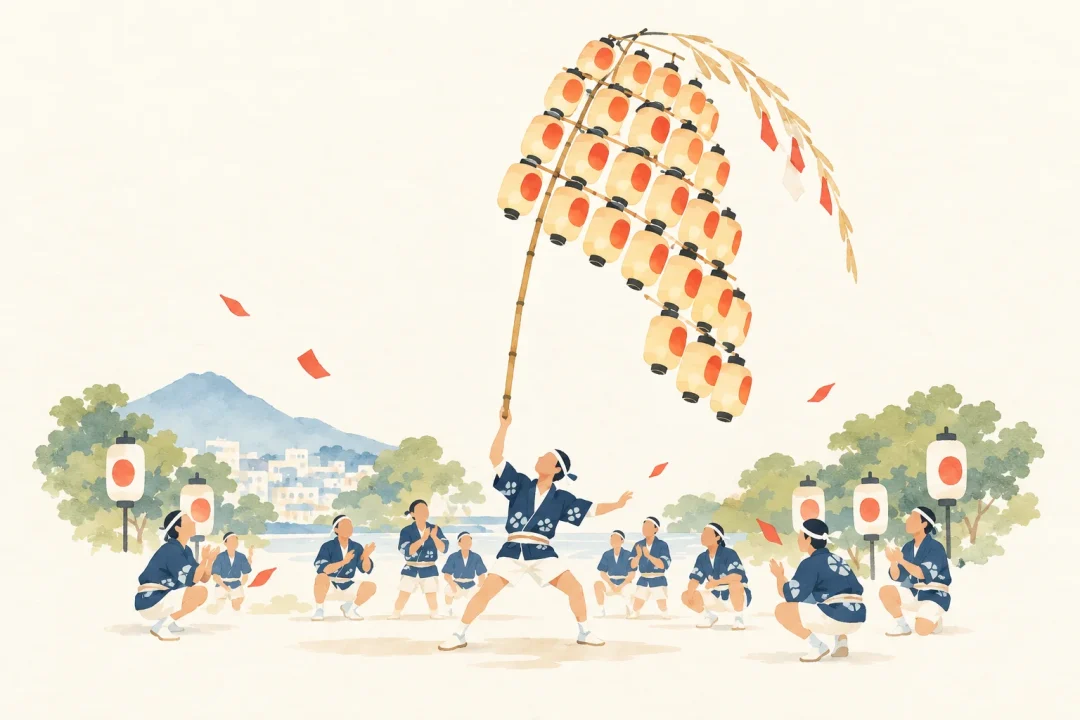
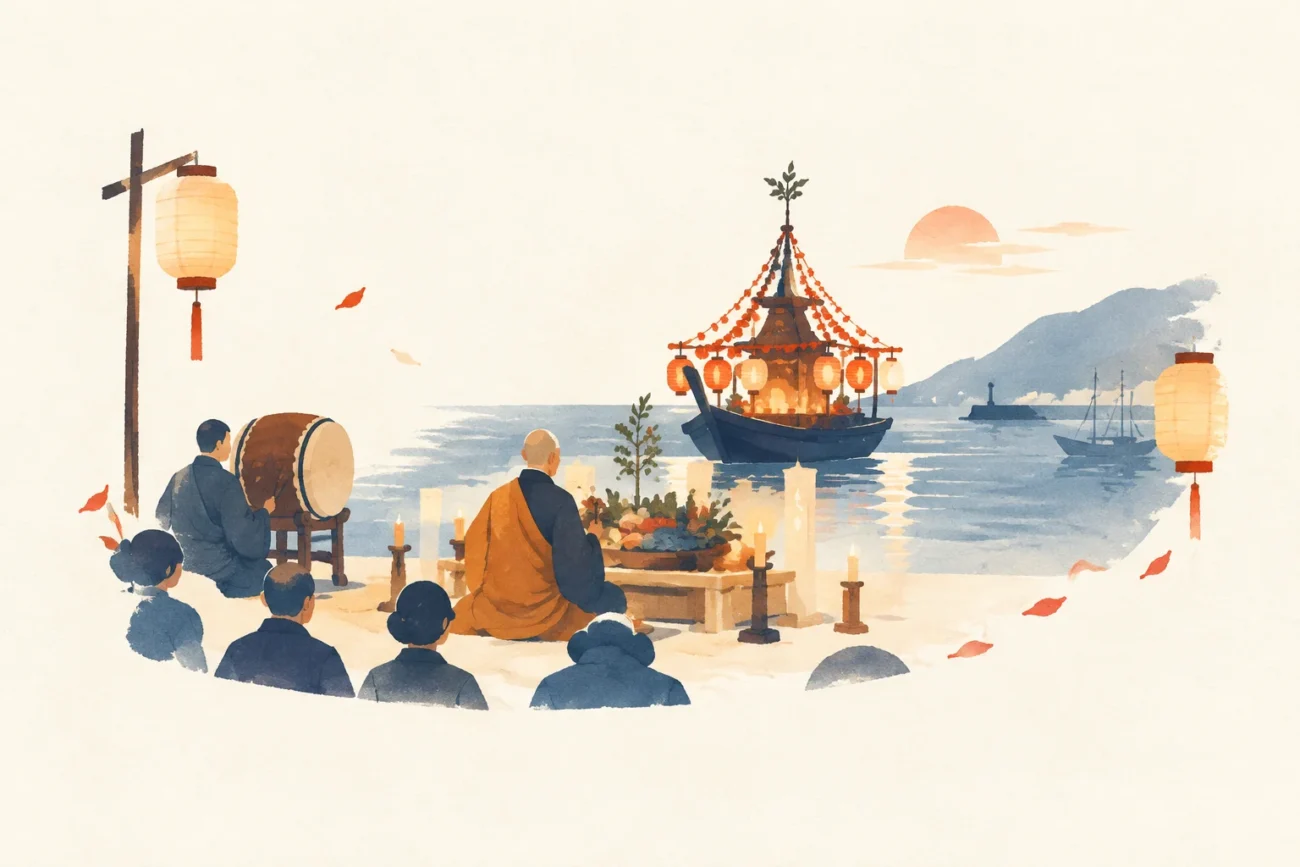
Highlights include several lanterns set up on the seaward side of the multipurpose plaza and 4 bamboo poles, 7–8 meters tall, bearing banners.
A spirit boat carrying offerings is placed inside an enclosure made of bamboo and cedar branches.
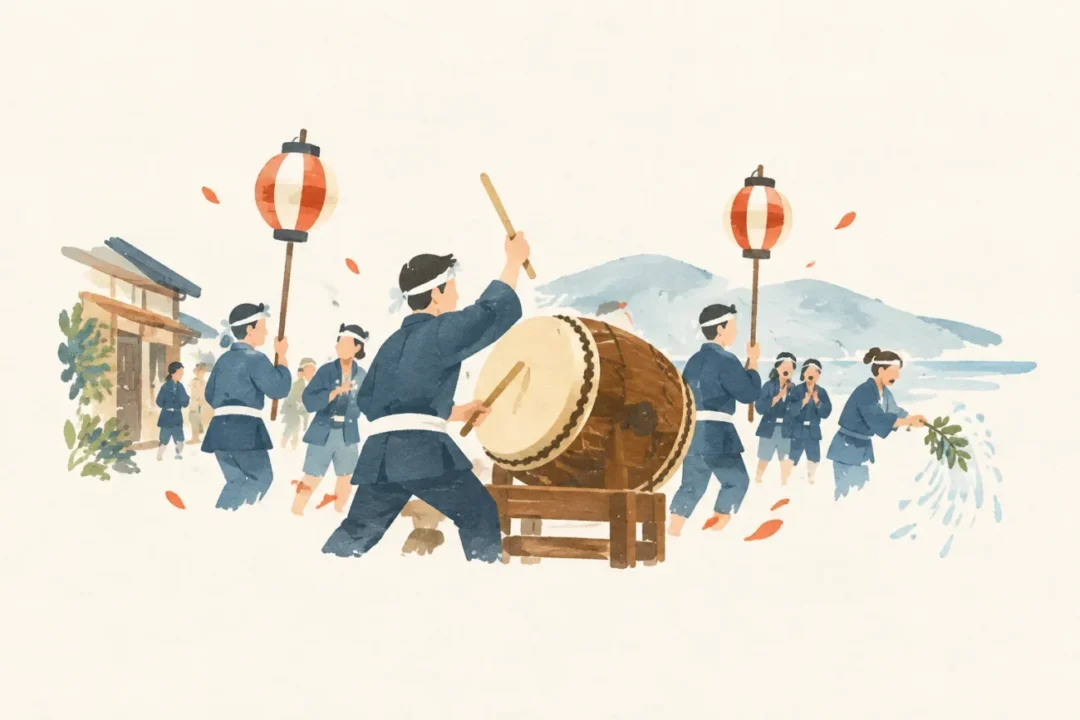
Monks’ sutras ring out to the sounds of the dora, taiko, and bells, expressing both gratitude for the sea’s bounty and prayers for the deceased.
Arari’s Hama Segaki: prayers by lantern light, alongside gratitude for the sea’s bounty
What to expect
The observance begins with lanterns set up on the seaward side of the multipurpose plaza and an area enclosed with bamboo and cedar branches.
A spirit boat carrying offerings is placed inside, while monks recite sutras for the deceased to the sounds of the dora, taiko, and bells.
Alongside the Segaki-e ceremony and memorial rites for the recently deceased and the unclaimed dead, the observance also includes prayers for seafood and dolphins.
Location and access
- Venue and address
Seaward side of Arari Multipurpose Plaza
Address Arari, Nishiizu Town, Shizuoka Prefecture
Dates and season
- Season
Every year, in the evening of August 15
- Frequency
Every year
Accommodation and hotels PR
Showing nearby accommodation.
Prices and availability are current at the time of retrieval. For multi-night stays, only the first night’s price is shown. Confirm the final price and directions to the venue with the booking provider. Select your dates again when using the area search link. Search area: within 3 km of Central Shizuoka Prefecture / Nishiizu Town (the search is not centered on the festival venue)
Origins and History of Hama Segaki
The origins of Hama Segaki bring together several Buddhist meanings: offering food and drink to hungry ghosts, praying for the happiness of the recently deceased, and performing memorial rites for the unclaimed dead.
In Arari, gratitude for the sea’s bounty is also part of the observance, which includes prayers for seafood and dolphins.
It is recorded that this observance, cherished by local residents, has continued every year without fail to the present day.
Hama Segaki at a Glance
Hama Segaki is a memorial observance that has been held in Arari every year on the evening of August 15.
Lanterns, bamboo, and cedar branches are used to create an area on the seaward side of the multipurpose plaza, where a spirit boat carrying offerings is placed.
As the dora, taiko, bells, and monks’ sutras ring out, prayers are offered to hungry ghosts and the unclaimed dead, alongside expressions of gratitude for the sea’s bounty, including seafood and dolphins.
Japanese Festivals.jp Editorial Team
Celebrating local culture and helping you discover a side of Japan you never knew.
Article updated: 2026/10/22
Submit information or a correction Submit photos of this festival