Passing down the story held in the tiger’s head at Shirotori Shrine’s autumn festival
Shirotori Toragashira-mai

The 2026 edition of Shirotori Toragashira-mai has ended.
Festival information
EVENT INFORMATION- Dates
- 2026/10/06 〜 2026/10/08Ended
- Season / frequency
- Usually October 6–8 / Every year
- Location
- Shirotori Shrine
- Area
- Kagawa Prefecture・Higashikagawa City(From Tokyo: approx. 1 h 15 min–1 h 35 min · flight time only)Prefecture-level estimate to a main station or airport, not the venue. Airport access, check-in and onward travel are extra; remote areas and islands can take much longer.
- Highlights and activities
- Participation / viewing
- Spectators welcome
- Last updated
- 2026/10/19
This is a tiger-themed performed as an offering at the autumn grand festival of Shirotori Shrine in Higashikagawa City. A dance incorporating a story about defeating a tiger, offerings by the yakko, and a Matsubara performance bring color to the autumn festival.
About Shirotori Toragashira-mai
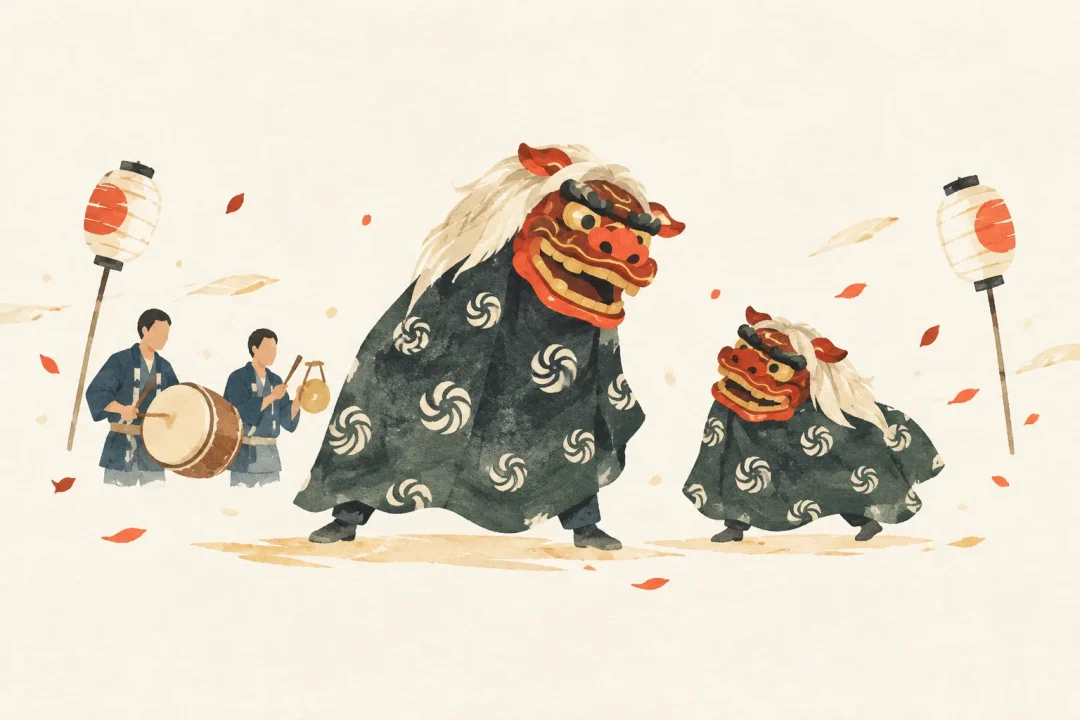
Shirotori Toragashira-mai is a lion dance passed down in the Shirotori district of Higashikagawa City and performed as an offering at the autumn grand festival of Shirotori Shrine.
Its distinctive feature is a head modeled on a tiger, and it is known as one of the few dances of its kind in Kagawa Prefecture.
In the national cultural properties database, it is classified as folk performing arts and furyu, with the Higashikagawa City Shirotori Toragashira-mai Preservation Association listed as its preservation group.
You can see this traditional performing art, passed down through the generations, at the autumn festival.
Source: 四季のイベント | 東かがわ市観光情報サイト / 国指定文化財等データベース / 【香川県指定民俗文化財】白鳥神社の虎獅子『虎頭の舞』 – [Kagawa] The Tiger Dance of Shirotori shrine | 物語を届けるしごと
Festival highlights
The main highlight is a dance performed with a head representing a tiger rather than a typical lion.
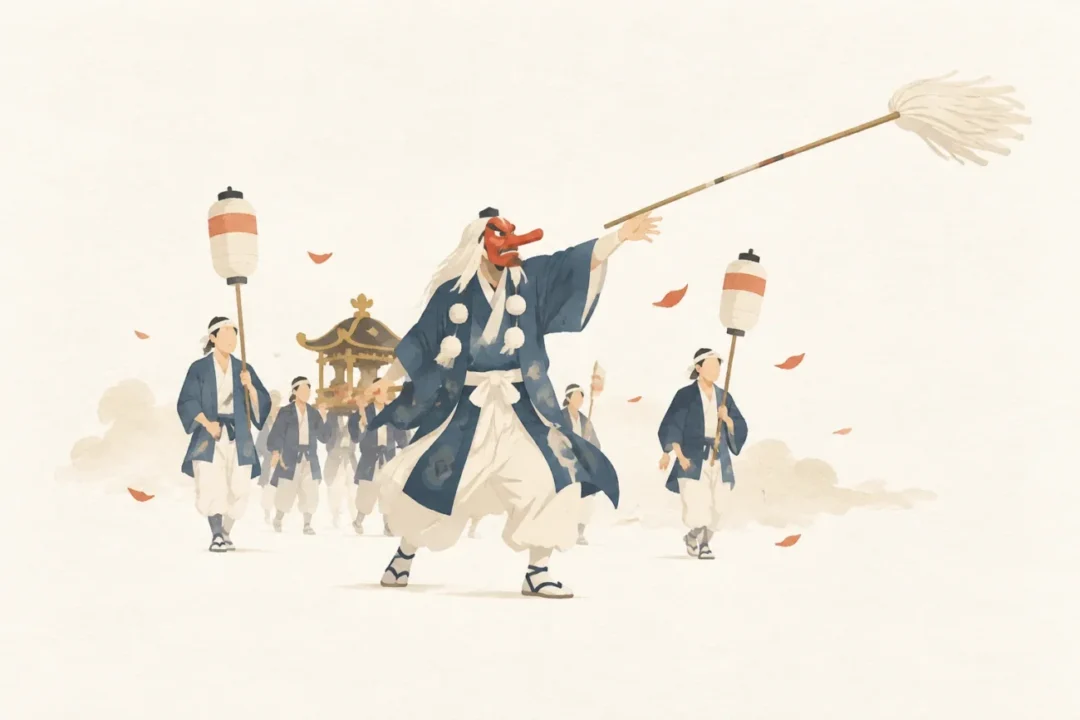
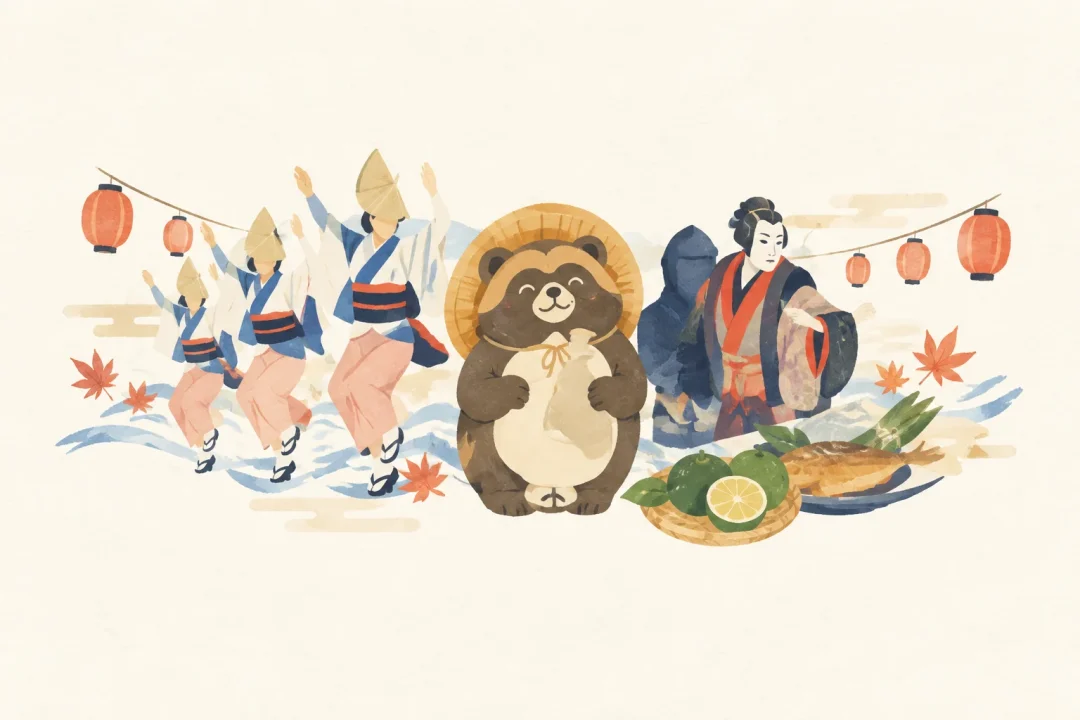
The tiger lion dance incorporates a story in which the boy Watonai defeats a tiger, and it has been passed down as a narrative offering performance.
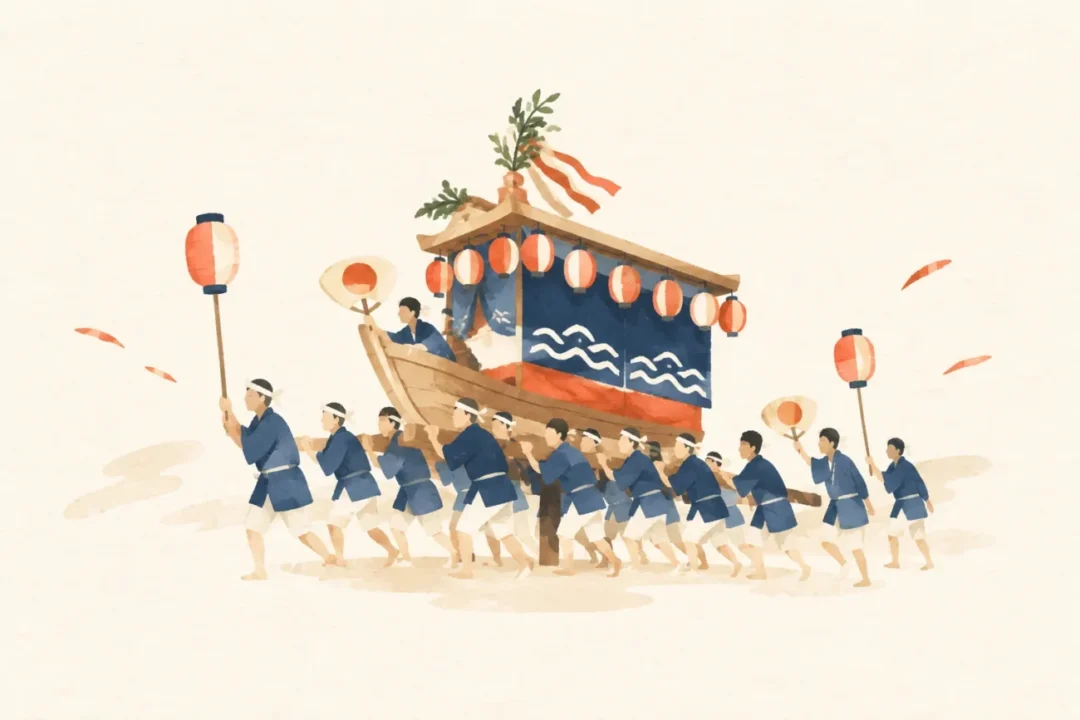
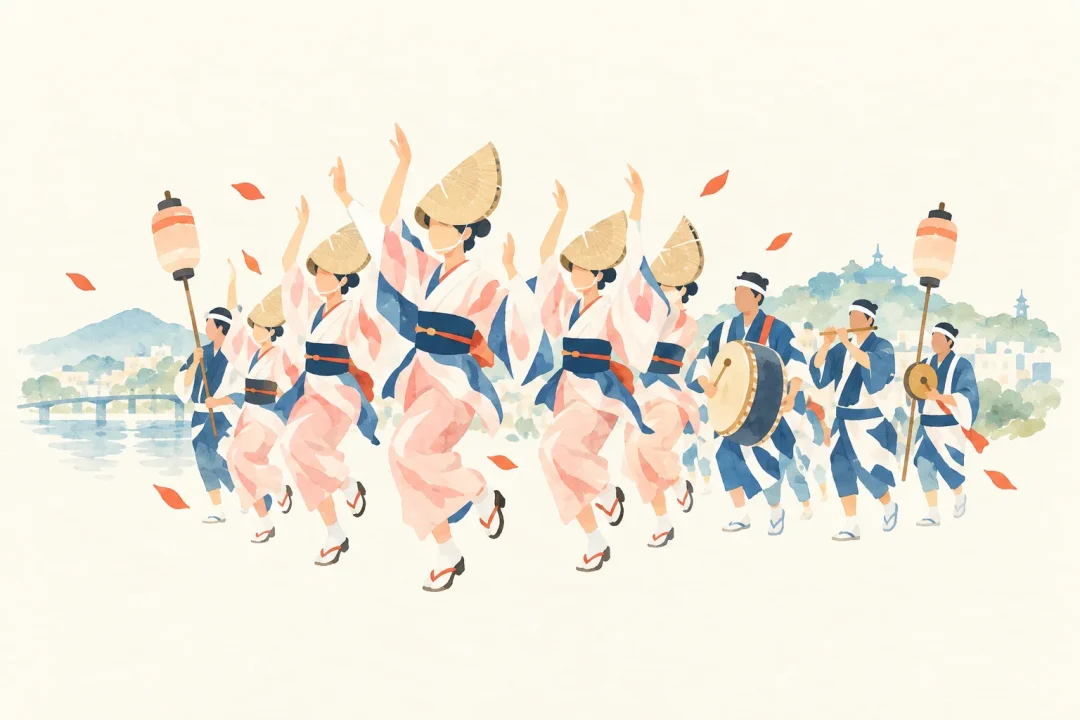
The autumn grand festival features not only Toragashira-mai, but also other lion dances, offerings by the yakko, and a Matsubara Taiko performance.
Its appeal lies in the chance to enjoy both a rare tiger-themed lion dance and other festival performing arts.
Passing down the story held in the tiger’s head at Shirotori Shrine’s autumn festival
What to expect
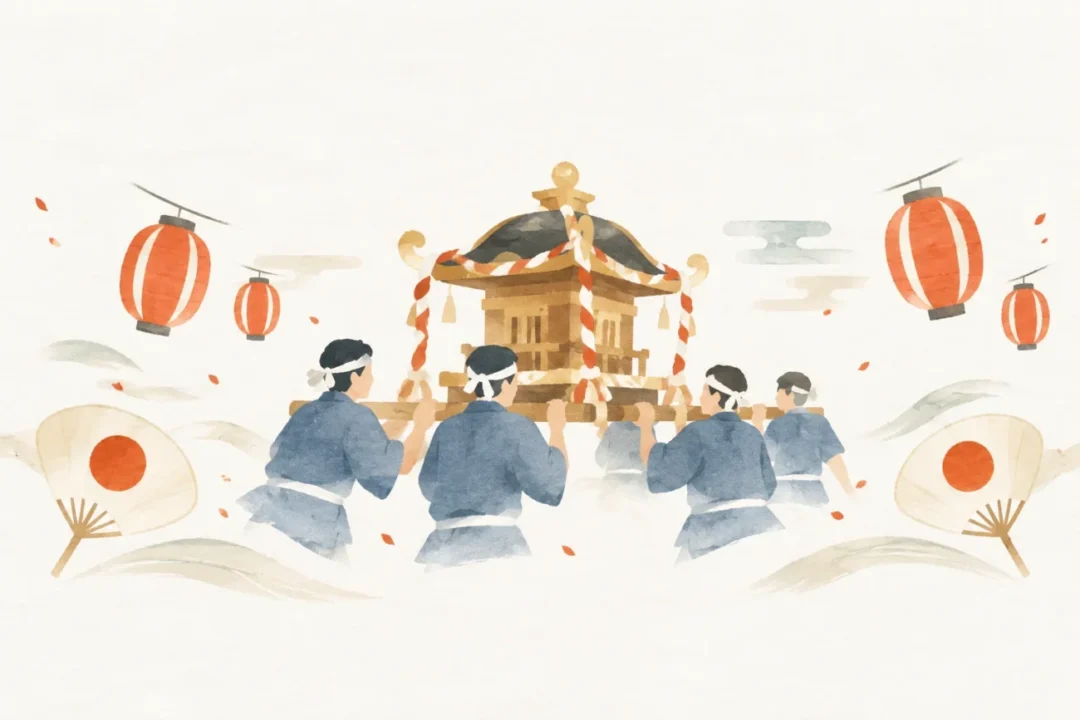
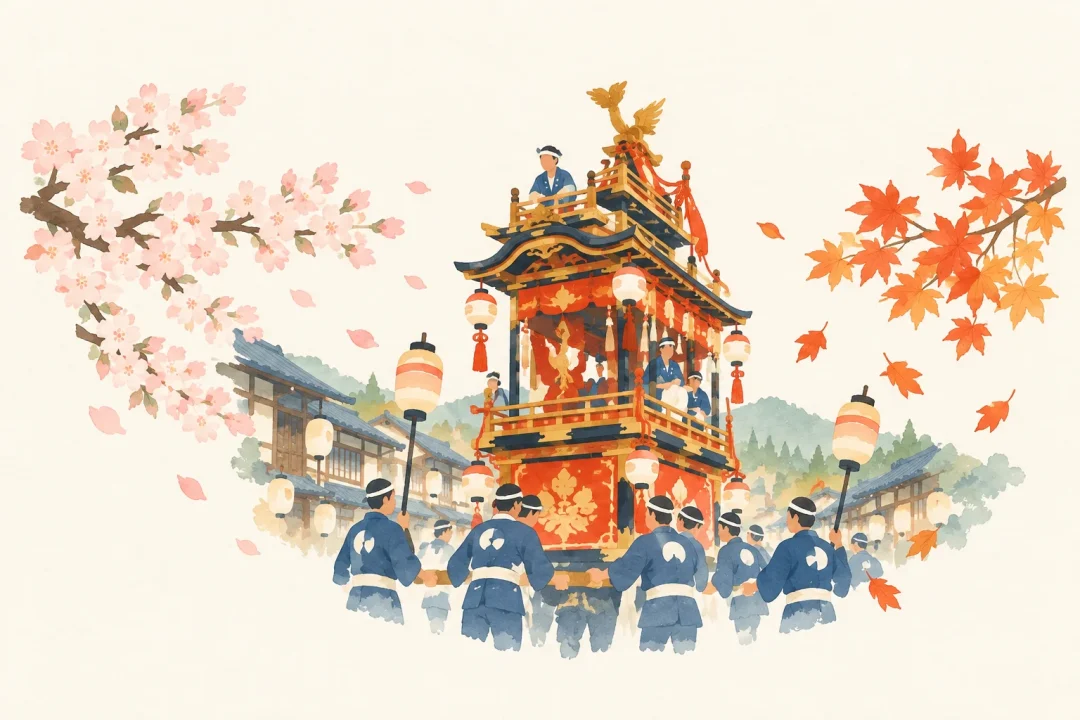
At the autumn grand festival, lion dances, including Toragashira-mai, and offerings by the yakko take place at Shirotori Shrine.
Toragashira-mai is passed down as a type of lion dance that accompanies the shrine procession at Shirotori Shrine’s autumn festival.
Along with offerings of traditional performing arts, the festival also features a Matsubara Taiko performance, a tradition of the Shirotori district.
Visitors can enjoy the event by watching dances and listening to music connected with the shrine’s rituals.
How to take part
Visitors can watch the event.
Location and access
- Venue and address
Shirotori Shrine (Higashikagawa City).
Event venue 香川県東かがわ市 白鳥神社
This map uses the venue name. Check the official guide for the event area and entrances.
Dates and season
2026 event information (the listed dates have passed)
The 2026 autumn grand festival at Shirotori Shrine was announced as scheduled to take place from October 6 through October 8.
The usual dates are also listed as running from October 6 through the 8th, as an autumn festival.
Toragashira-mai is an offering event included in this autumn grand festival.
Accommodation and hotels PR
Showing nearby accommodation.
Prices and availability are current at the time of retrieval. For multi-night stays, only the first night’s price is shown. Confirm the final price and directions to the venue with the booking provider. Select your dates again when using the area search link. Search area: within 3 km of Central Kagawa Prefecture / Higashikagawa City (the search is not centered on the festival venue)
Nearby attractions
Shirotori Shrine, the venue, has the Tsuru no Gomon gate, main hall, and , which evoke the atmosphere of the Edo period.
Highlights within the include Oyama, which is 3.6 meters high; a camphor tree that is 800 years old and 30 meters tall; and the Inokuma residence.
The surrounding temple-town area has many retro-style buildings and is worth exploring along with the shrine.
Source: 白鳥神社 | 東かがわ市観光情報サイト
Origins and History of Shirotori Toragashira-mai
Toragashira-mai is described as having been brought from Kyoto when Shirotori Shrine was restored during the Edo period.
It is said to have later changed by incorporating that story against the backdrop of the popularity of Chikamatsu Monzaemon’s kabuki play The Battles of Coxinga during the Genroku era.
It is also said that young people from Shirotori Nakagumi created a lion dance using a tiger head brought back from Kyoto by the first chief priest of Shirotori Shrine.
In 1969, it was designated an intangible cultural property of Kagawa Prefecture, and in 2006 it was selected as an intangible folk cultural property for which measures such as the creation of records should be undertaken by the national government.
Official information
The dates and venue can be confirmed in the autumn events guide on the Higashikagawa City tourism information website.
The name, category, municipality of location, and preservation group for the cultural property are listed in the Agency for Cultural Affairs’ Database of Nationally Designated Cultural Properties.
The Higashikagawa City Shirotori Toragashira-mai Preservation Association is listed as the preservation group, showing that this performing art is passed down locally.
Source: 第54回文化審議会文化財分科会議事要旨 | 文化庁
Shirotori Toragashira-mai at a Glance
Shirotori Toragashira-mai is a distinctive tiger-themed lion dance performed as an offering at the autumn grand festival of Shirotori Shrine in Higashikagawa City.
In 2026, lion dances, offerings by the yakko, and a Matsubara Taiko performance are scheduled from October 6 through the 8th.
The dance has been passed down since the Edo period and has a narrative linked to kabuki; it is also documented as a cultural property.
Japanese Festivals.jp Editorial Team
Celebrating local culture and helping you discover a side of Japan you never knew.
Article updated: 2026/10/19
Submit information or a correction Submit photos of this festival