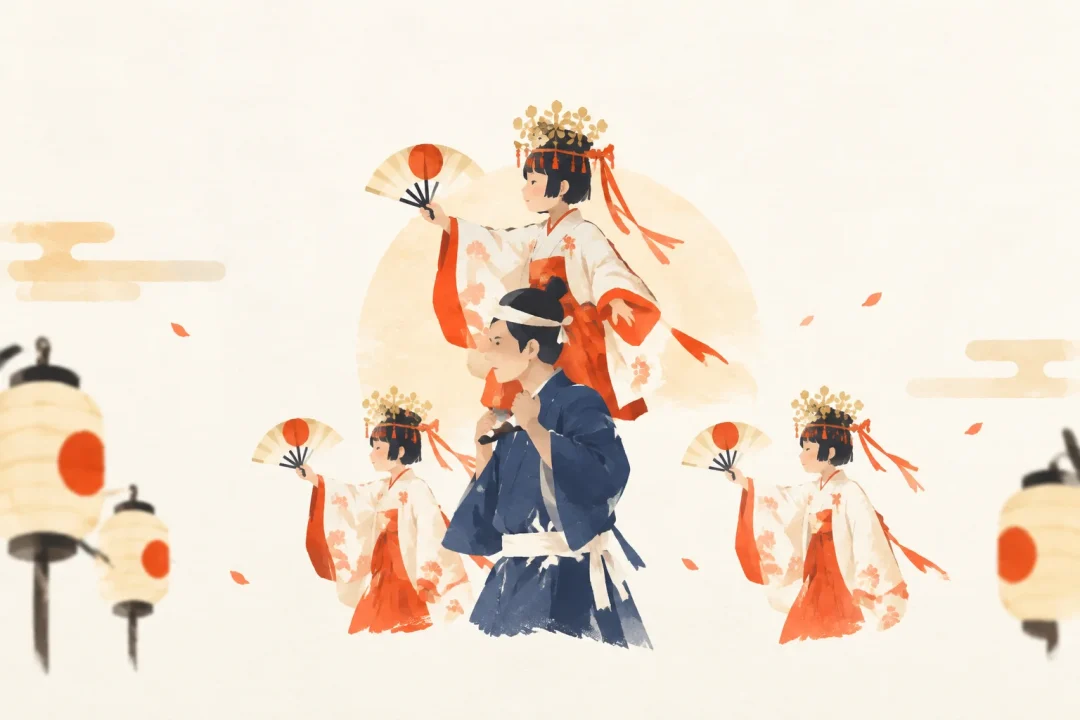
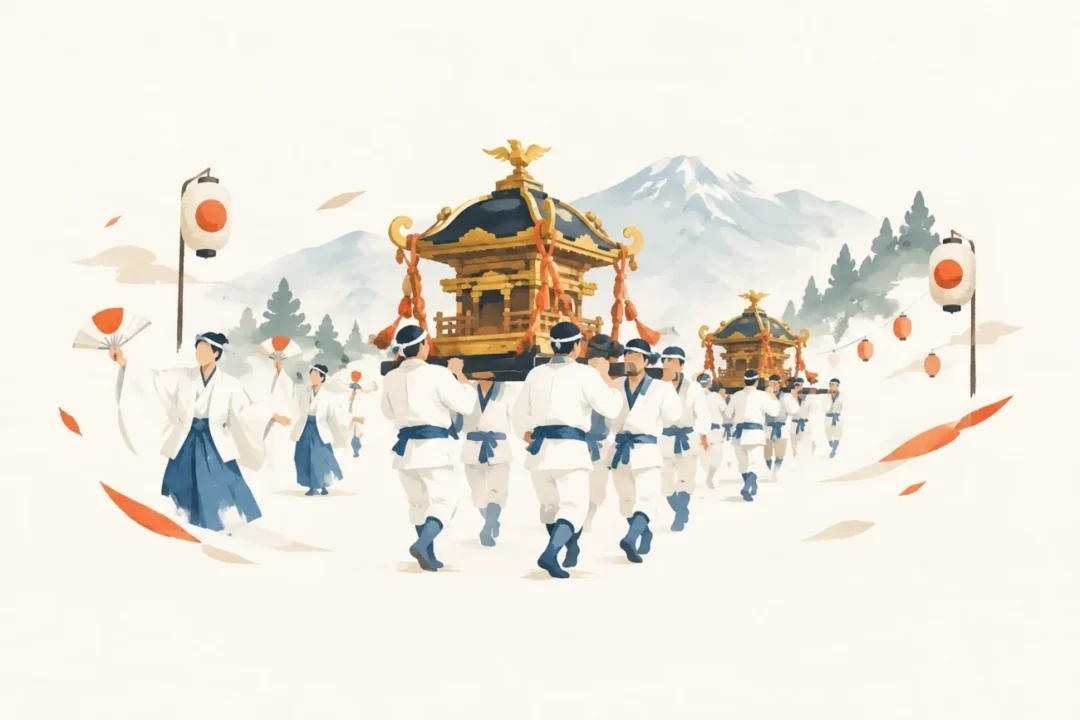
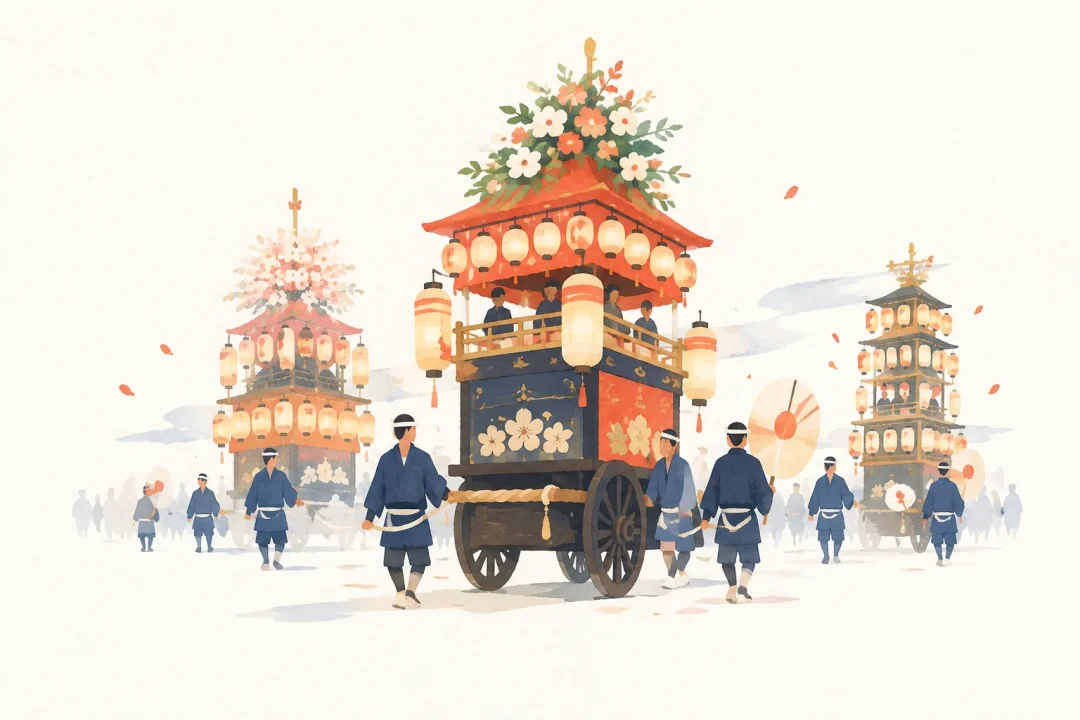
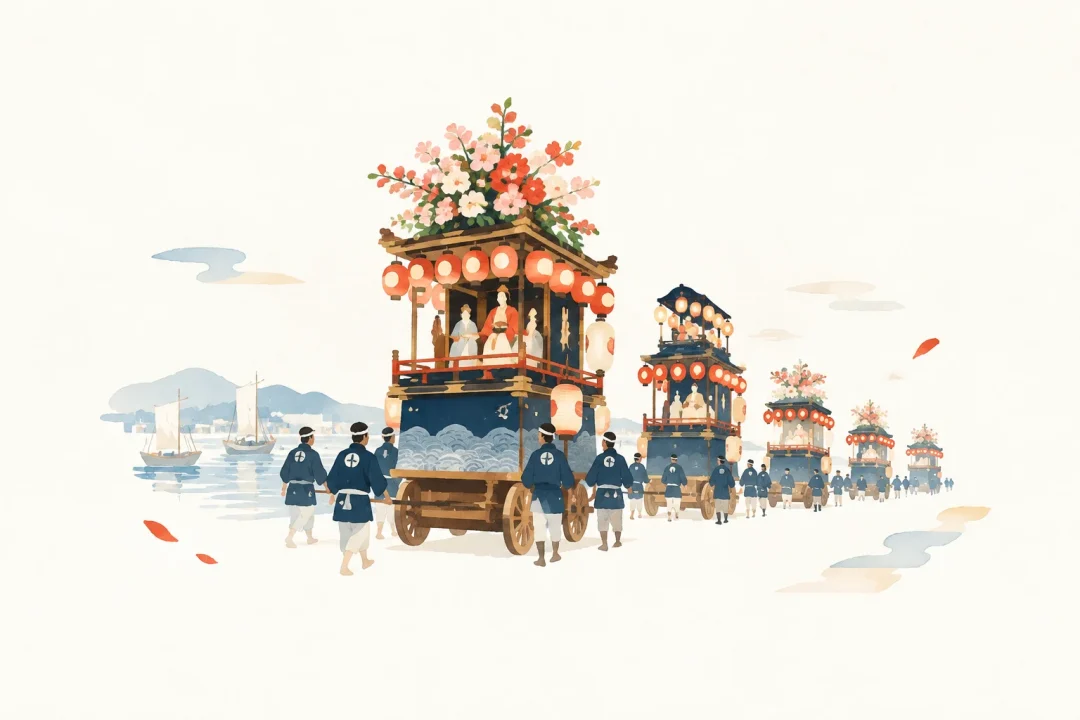
Toyama’s early summer, brought to life by mikoshi, shishimai, and glowing yatai
Sanno Festival (Toyama City)

The 2026 edition of Sanno Festival (Toyama City) has ended.
Festival information
EVENT INFORMATION- Dates
- 2026/05/31 〜 2026/06/02Ended
- Season / frequency
- Every year, May 31–June 2 / Every year
- Location
- Hie Shrine and its surroundings
- Area
- Toyama Prefecture・Toyama City(From Tokyo: approx. 2 h 10 min–2 h 40 min · bullet train)Prefecture-level estimate to a main station or airport, not the venue. Airport access, check-in and onward travel are extra; remote areas and islands can take much longer.
- Highlights and activities
- Wishes behind the festival
- Participation / viewing
- Spectators welcome
- Participation fee
- Free
- Last updated
- 2026/10/19
At the Sanno Festival, and travel through central Toyama City, centered around Hie Shrine. As dusk falls, the light up, and you can enjoy the early-summer city along with local Toyama festival foods.
About Sanno Festival (Toyama City)
The Sanno Festival is a spring grand festival held at Hie Shrine in central Toyama City.
Locals affectionately call it “Sanno-san” or “Sanno-san no san,” and its mikoshi processions and shishimai travel through the parishioner districts.
Numerous yatai line the area around the shrine and the city center, making this an early-summer event where local religious traditions and the bustle of the city come together.
Source: 5/31-6/2 山王まつり(日枝神社春季例大祭) - 富山市公式観光サイト / 山王まつり(日枝神社春季例大祭) | 富山市の山王さん 日枝神社
Festival highlights
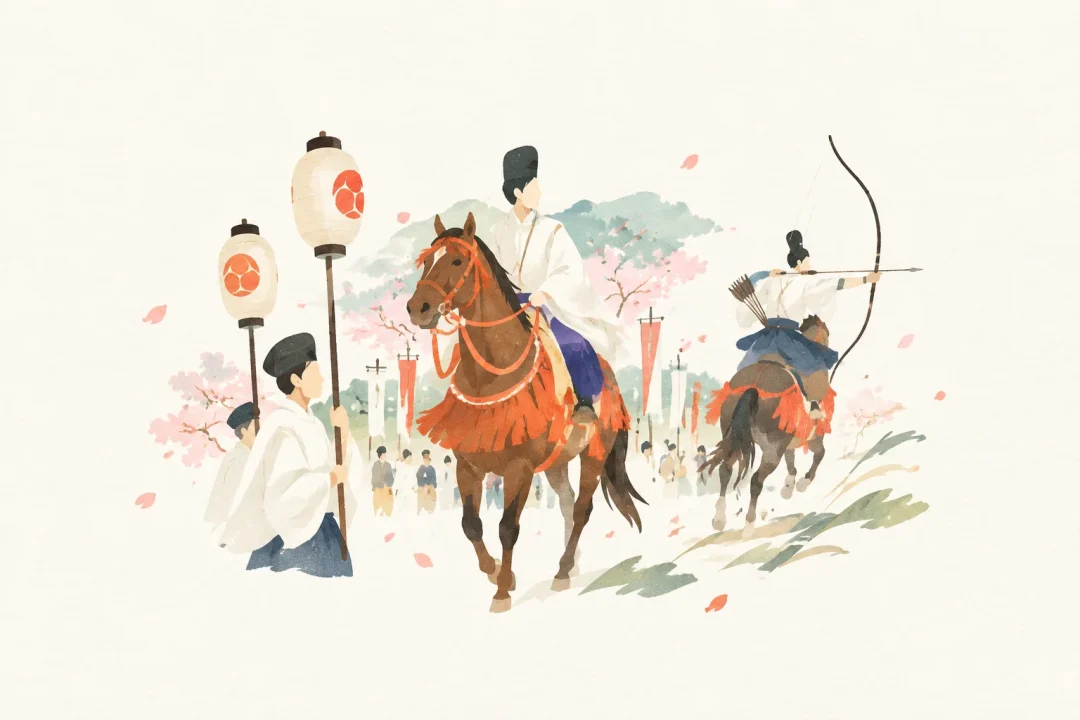
The main highlight is the procession through the parishioner districts, with the mikoshi and shishimai accompanied by shrine priests.
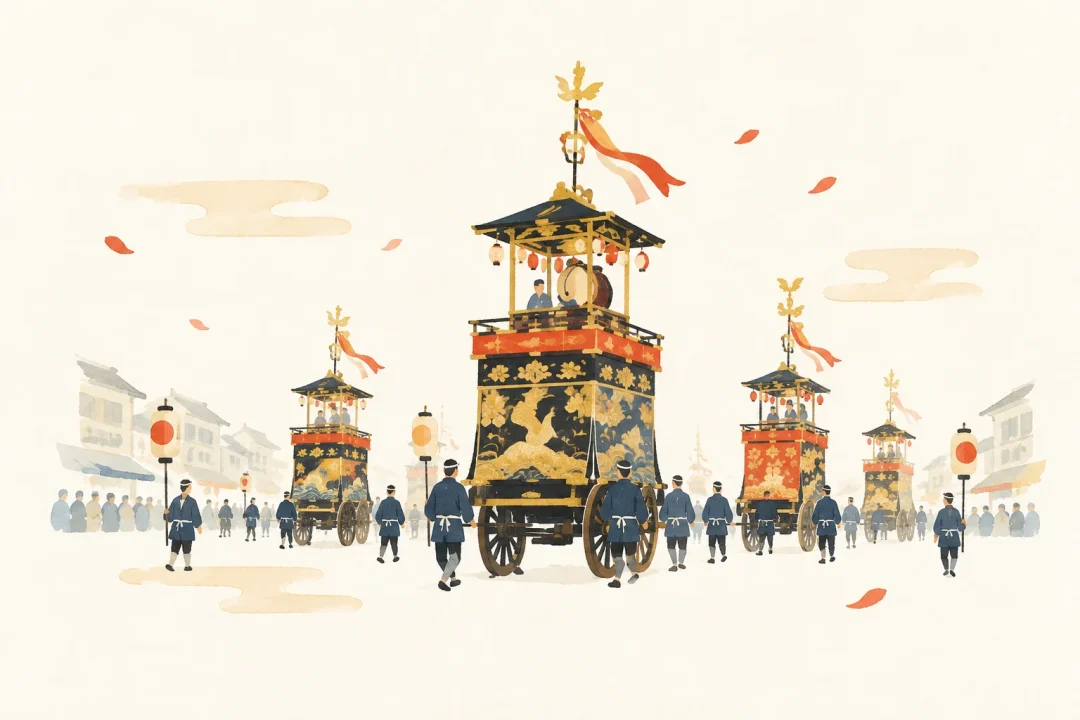
At dusk, a procession to the sound of flutes and drums makes its way along streets lined with stalls.
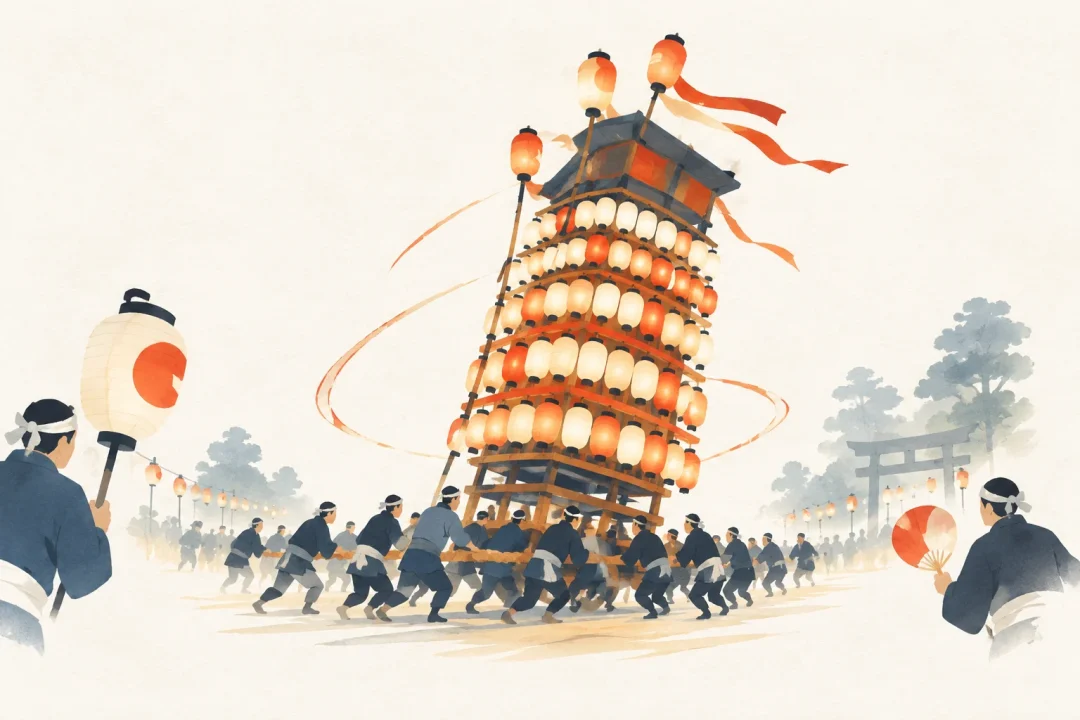
Among the approximately 500 yatai, you can find local Toyama festival foods such as anbayashi and dondon-yaki, and enjoy how the city’s atmosphere changes from day to night.
Toyama’s early summer, brought to life by mikoshi, shishimai, and glowing yatai
What to expect
During the festival, the mikoshi and shishimai depart from the shrine and process through the parishioner districts, returning to the shrine around evening.
The route is scheduled to cover the western parishioner districts on May 31 and the eastern districts on June 1.
At the and nearby yatai, you can enjoy street food and shopping, taking in both the daytime procession and the glow of the stalls after dusk.
How to take part
Visitors can watch the event.
参加費:無料
Location and access
- Venue and address
Hie Shrine and its surroundings (4-12 Sanno-machi, Toyama City).
- Train and bus
From the south exit of Toyama Station, take the tram to Nishicho stop, then walk about 5 minutes.
Alternatively, take the loop line to Grand Plaza-mae stop, then walk about 5 minutes.
Take a bus from Toyama Station to Sogawa, then walk about 5 minutes.
It is about a 15-minute walk from the south exit of Toyama Station.
- By car
About 15 minutes toward the city center from the Toyama IC on the Hokuriku Expressway.
Traffic restrictions are in place in the surrounding area during the festival.
- Parking
Many parking areas around the shrine are unavailable.
Notices indicate that Sanno Parking Lot is not open to the general public during the festival.
Source: 山王まつり(日枝神社大祭) | イベント | 【公式】富山県の観光/旅行サイト「とやま観光ナビ」
Address 4-12 Sanno-machi, Toyama City, Toyama Prefecture
Dates and season
2026 festival information (the listed dates have passed)
The 2026 schedule indicated that the festival would be held from May 31 (Sun) to June 2 (Tue).
It is also held annually over 3 days, from May 31 to June 2.
The mikoshi procession takes place on May 31 and June 1, covering the western parishioner districts on May 31 and the eastern districts on June 1.
Accommodation and hotels PR
Showing nearby accommodation.
Prices and availability are current at the time of retrieval. For multi-night stays, only the first night’s price is shown. Confirm the final price and directions to the venue with the booking provider. Select your dates again when using the area search link. Search area: within 3 km of Central Toyama Prefecture / Toyama City (the search is not centered on the festival venue)
Tips for your visit
Traffic restrictions and one-way pedestrian routes are in place around Hie Shrine during the festival, so if you come by car, pay attention to conditions on the surrounding roads.
The shrine grounds and surrounding area may become one-way when crowded.
When enjoying the food stalls and togyo, follow the directions around you so as not to obstruct the procession, and consider using public transportation for peace of mind.
Source: 山王まつり (富山市) - Wikipedia
Nearby attractions
Nearby attractions include the Toyama Glass Art Museum and Shusui Museum of Art.
The Toyama city tram, CENTRAM, is also listed as a nearby amenity, making it possible to combine getting around the city with sightseeing.
If you plan to visit alongside the festival, check each venue’s opening status and visitor information when planning your trip.

ギャルリ・ミレー
富山県富山市にある美術館

佐藤記念美術館
富山県富山市の富山城址公園内にある美術館

富山市ガラス美術館
富山県富山市にある美術館

富山市ファミリーパーク
富山県の公園・庭園のスポットです。

富山市民俗民芸村
富山県富山市にある、博物館や資料館・美術館などを集積した集落

富山市科学博物館
富山県の博物館・美術館のスポットです。

富山市郷土博物館
富山県富山市の富山城址公園内にある博物館

富山県中央植物園
富山県の公園・庭園のスポットです。

富山県埋蔵文化財センター
富山県富山市にある埋蔵文化財の調査・研究、展示を行う施設

富山県水墨美術館
富山県富山市にある美術館

富山県美術館
富山県富山市にある美術館

富岩運河環水公園
富山県富山市にある公園
Origins and History of Sanno Festival (Toyama City)
The Sanno Festival is said to have become lively in its present form during the Edo period. As Hie Shrine was the Toyama Domain’s principal tutelary shrine, tradition holds that the entire castle town took part in the festival.
In 1690, Maeda Masatoshi, lord of the Toyama Domain, is said to have donated 2 mikoshi, beginning the custom of processions through the parishioner districts.
The mikoshi were destroyed in wartime fires, but the procession continues today with 1 mikoshi.
Official information
Official information is available in Hie Shrine’s Sanno Festival guide.
It includes information on the festival’s origins, mikoshi procession dates, traffic restrictions, and more.
Sanno Festival (Toyama City) at a Glance
The Sanno Festival is Toyama City’s spring grand festival, featuring mikoshi processions, shishimai, and approximately 500 yatai centered around Hie Shrine.
Enjoy the history of a festival dating back to the Edo period alongside the food and shopping bustle of the city center.
When visiting, check for traffic restrictions; using public transportation is convenient.
Japanese Festivals.jp Editorial Team
Celebrating local culture and helping you discover a side of Japan you never knew.
Article updated: 2026/10/19
Submit information or a correction Submit photos of this festival