A traditional festival in Konoura, Shodoshima, that welcomes a taikodai from the sea
Oshikomi
The 2026 edition of Oshikomi has ended.
Festival information
EVENT INFORMATION- Dates
- 2026/10/16Ended
- Season / frequency
- October 16
- Location
- The shore and riding-ground area around the Kameyama Hachimangu Shrine Grand Festival (from the landing place for the Konoura district taikodai to its entry into the shrine)
- Area
- Kagawa Prefecture・Shodoshima Town(From Tokyo: approx. 1 h 15 min–1 h 35 min · flight time only)Prefecture-level estimate to a main station or airport, not the venue. Airport access, check-in and onward travel are extra; remote areas and islands can take much longer.
- Highlights and activities
- Participation / viewing
- Spectators welcome
- Last updated
- 2026/10/19
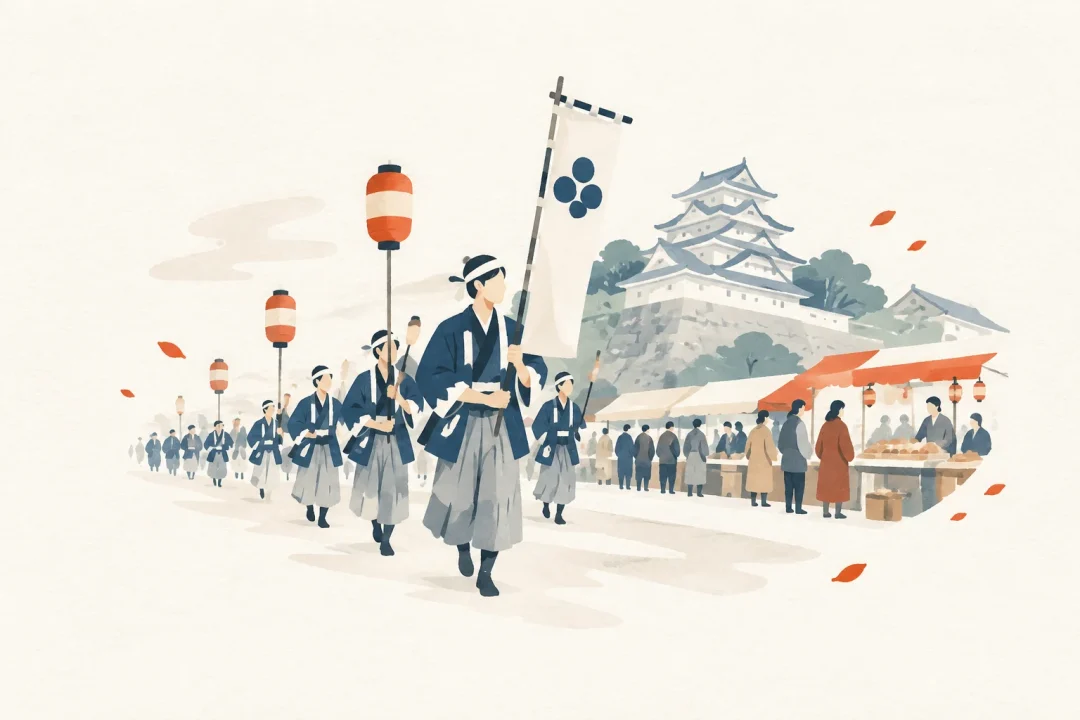
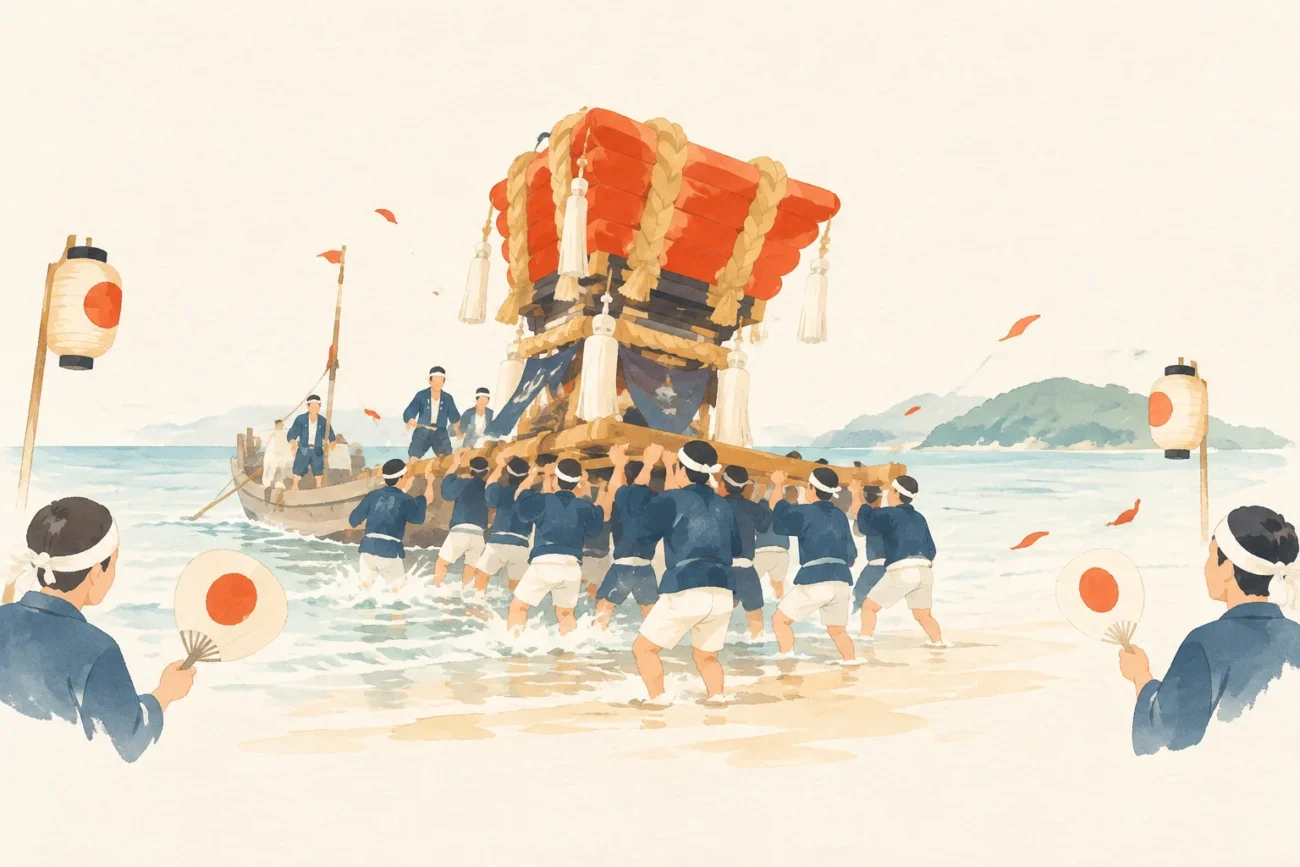
This event, passed down in the Konoura district as part of the Kameyama Hachimangu Shrine Grand Festival, involves bringing a taikodai ashore from a boat and taking it into the shrine.
About Oshikomi
Oshikomi is an event that signals the start of the Kameyama Hachimangu Shrine Grand Festival and is designated an Intangible Folk Cultural Property by Shodoshima Town.
The distinctive tradition of carrying the taikodai by traditional Japanese boat, bringing it ashore, and taking it into the shrine has been passed down.
It is now held in the Konoura district, and the heart of the festival is the sight of the taikodai being carried from Ikeda Bay to the shore in front of the shrine.
Source: 文化について/小豆島町
Festival highlights
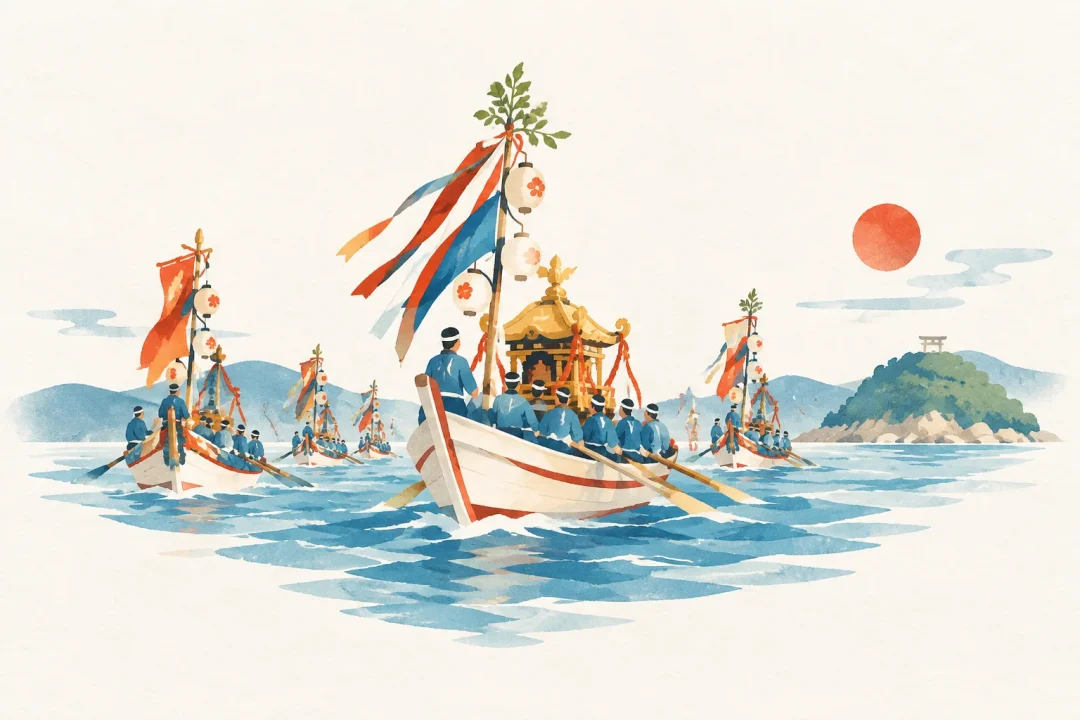
A highlight is the boat carrying the taikodai as it travels from near Bentenjima in Ikeda Bay toward the gate on the shore.
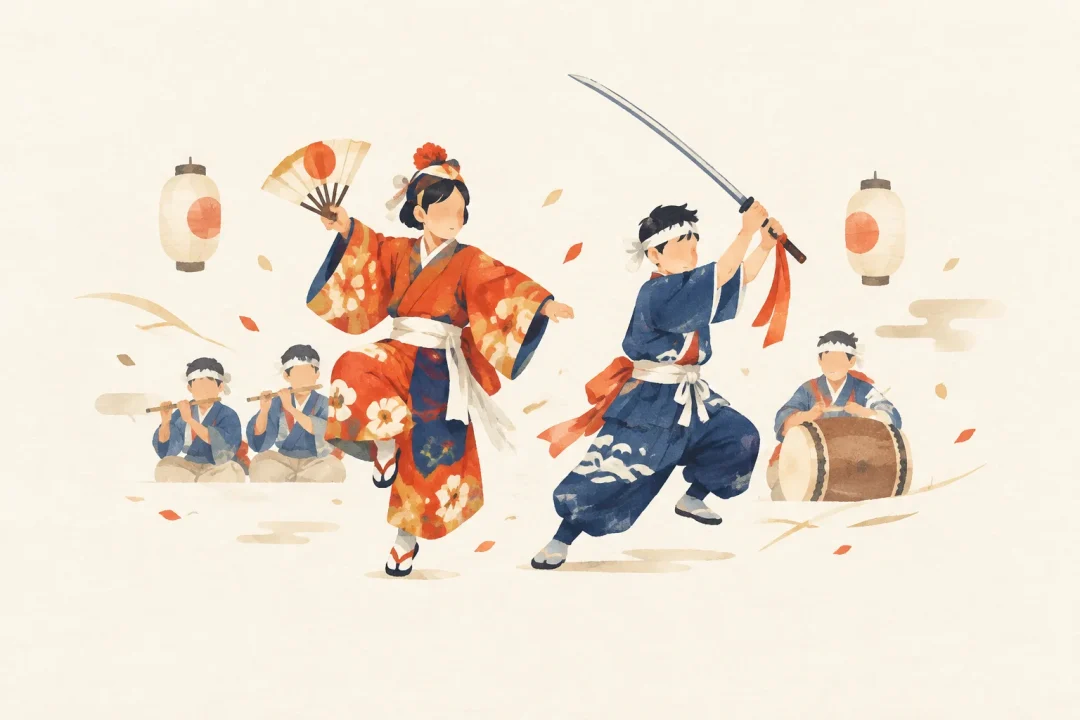
Drums sound aboard the boat, the rowers sing, and at the bow, dancers in brightly colored nagajuban robes dance with ritual wands.
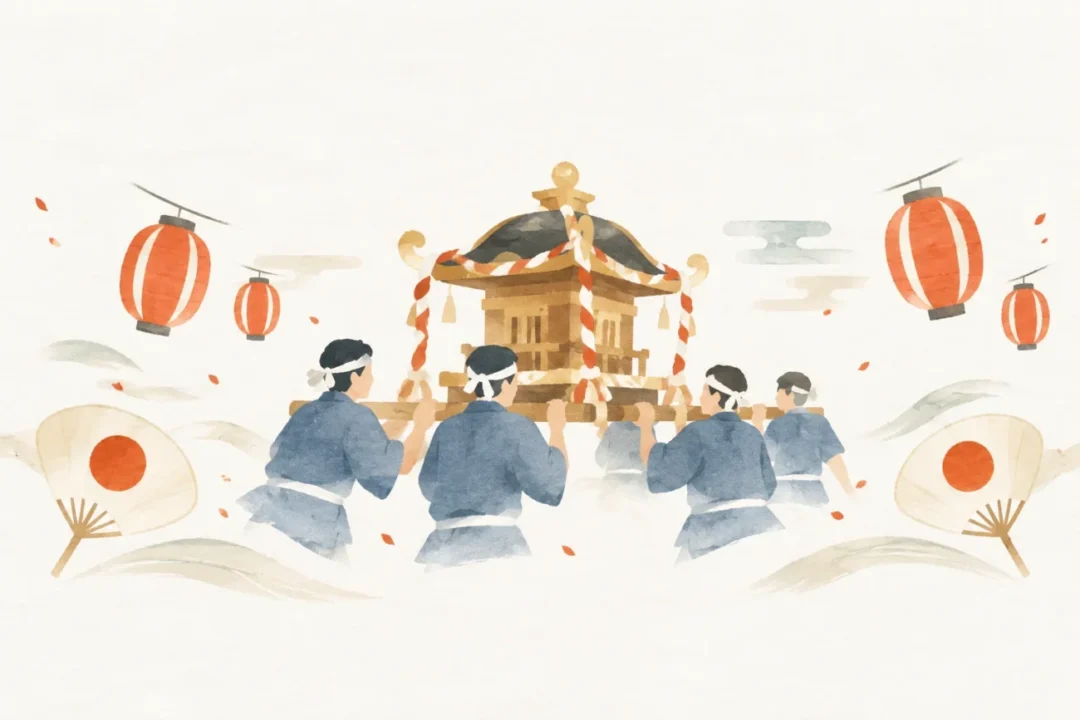
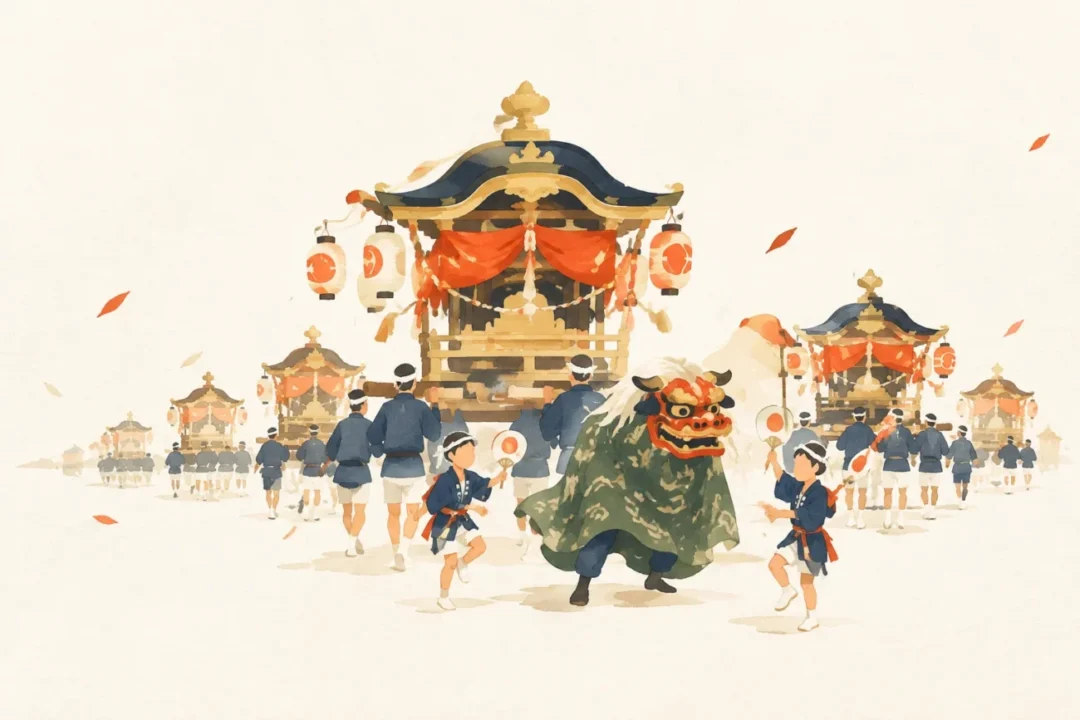
Once the boat docks, the taikodai is quickly brought ashore, and carriers make a spirited push to take it to the riding ground.
Source: 観光コンテンツ | 小豆島観光協会【公式】
A traditional festival in Konoura, Shodoshima, that welcomes a taikodai from the sea
What to expect
During the event, the taikodai is loaded onto a boat and rowed toward the torii gate on the shore using 6 pairs of oars.
After drumming, singing, and dancing aboard the boat, the carriers bring the taikodai ashore once the boat docks and transport it to the riding ground.
It then enters the shrine grounds, where drums are dedicated and the participants pay their respects.
Source: 亀山八幡宮の秋祭(小豆島町)|香川県
How to take part
Oshikomi is a festival in which a taikodai is carried by boat from the Konoura district and brought ashore to be dedicated at Kameyama Hachimangu Shrine.
Local people fill the festival roles, including carriers, rowers, and dancers.
Visitors can watch the drumming and dancing aboard the boat, as well as the taikodai being carried ashore after it docks.
The central event of the festival is the dedication of a taikodai from the Konoura district, carried by boat.
The boat sets out from near Bentenjima in Ikeda Bay and heads for the torii gate on the shore, propelled by 2 people working each pair of oars.
No sign-up or application process for visitors is listed. In general, visitors watch from along the route or around the shore.
Location and access
- Venue and address
The event takes place from the Konoura district to the area around Kameyama Hachimangu Shrine in the Ikeda district.
The boat heads from near Bentenjima in Ikeda Bay toward the torii gate on the shore. After it docks, the taikodai is carried to the riding ground.
Address The Konoura district through the Ikeda district and the area around Kameyama Hachimangu Shrine, Shodoshima Town, Shozu District, Kagawa Prefecture
Dates and season
2026 event information (the listed dates have passed)
The 2026 event is scheduled for October 16.
Oshikomi is an event associated with the Kameyama Hachimangu . It transports the taikodai from the Kamiura district by boat and brings it from the shore into the shrine precincts.
Source: イベントカレンダー | 小豆島観光協会【公式】
Accommodation and hotels PR
Showing nearby accommodation.
Prices and availability are current at the time of retrieval. For multi-night stays, only the first night’s price is shown. Confirm the final price and directions to the venue with the booking provider. Select your dates again when using the area search link. Search area: within 3 km of Central Kagawa Prefecture / Shodoshima Town (the search is not centered on the festival venue)
Tips for your visit
Highlights include the drums sounding aboard the boat, the rowers singing, and dancers at the bow dancing with ritual wands.
After docking, the taikodai is carried all the way from the shore to the riding ground, so what visitors see differs between the scenes aboard the boat and the dedication on land.
Nearby attractions

二十四の瞳映画村
香川県小豆島にあるテーマパーク
Origins and History of Oshikomi
Oshikomi is said to have begun in the early Meiji period, when it was difficult to bring the taikodai to the shrine overland.
The event later ceased for a time, but was revived in Showa 54 (1980).
A votive tablet from Bunka 9 (1812) depicts drums, theatrical performances, boat racing, and other scenes from the Kameyama Hachimangu Shrine festival. This shows that a festival connected to the one held today was already taking place in the first half of the 19th century.
Official information
Shodoshima Town lists Oshikomi as a town-designated Intangible Folk Cultural Property.
Kagawa Prefecture also lists the Kameyama Hachimangu Shrine autumn festival and Oshikomi among the prefecture’s festivals, events, and folk performing arts.
Information about the date and local arrangements can be found in notices from Shodoshima Town, Kagawa Prefecture, and the Shodoshima Tourism Association.
Oshikomi at a Glance
Oshikomi is a distinctive event in the Kameyama Hachimangu Shrine Grand Festival. A taikodai from the Konoura district is carried by traditional Japanese boat from Ikeda Bay, brought ashore by carriers, and taken into the shrine.
Drumming, singing, and dancing take place aboard the boat, and after it docks, the carriers take the taikodai to the riding ground.
The event began in the early Meiji period, was revived in Showa 54 (1980), and is designated an Intangible Folk Cultural Property by the town.
Japanese Festivals.jp Editorial Team
Celebrating local culture and helping you discover a side of Japan you never knew.
Article updated: 2026/10/19
Submit information or a correction Submit photos of this festival