A festival of boat races and Oyama Taoshi, steeped in traditions of the sea and boats
Oshima Suimon Festival
Festival information
EVENT INFORMATION- Area
- Wakayama Prefecture・Kushimoto Town(From Tokyo: approx. 3 h 30 min–4 h · bullet train + connecting train)Prefecture-level estimate to a main station or airport, not the venue. Airport access, check-in and onward travel are extra; remote areas and islands can take much longer.
- Highlights and activities
- Last updated
- 2026/11/11
The Oshima Suimon Festival is held at Oshima Port, which thrived as a place where ships sailing the Kumano-nada Sea waited for favorable winds. Events passed down since the Edo period, including the oar-boat race and Oyama Taoshi, are still carried on today.
About Oshima Suimon Festival
The Oshima Suimon Festival is linked to the history of Oshima Port, where ships sailing the Kumano-nada Sea would lie at anchor for days while waiting for favorable winds.
It is said to have begun when boats went out to welcome Empress Jingu as she landed on Tsuyajima, offering her a bounty of mountain and sea delicacies.
Many events passed down since the Edo period are still carried on today, including Omato, Ozā, , Tōbune, the oar-boat race, Tsuruba, and Oyama Taoshi.
Festival highlights
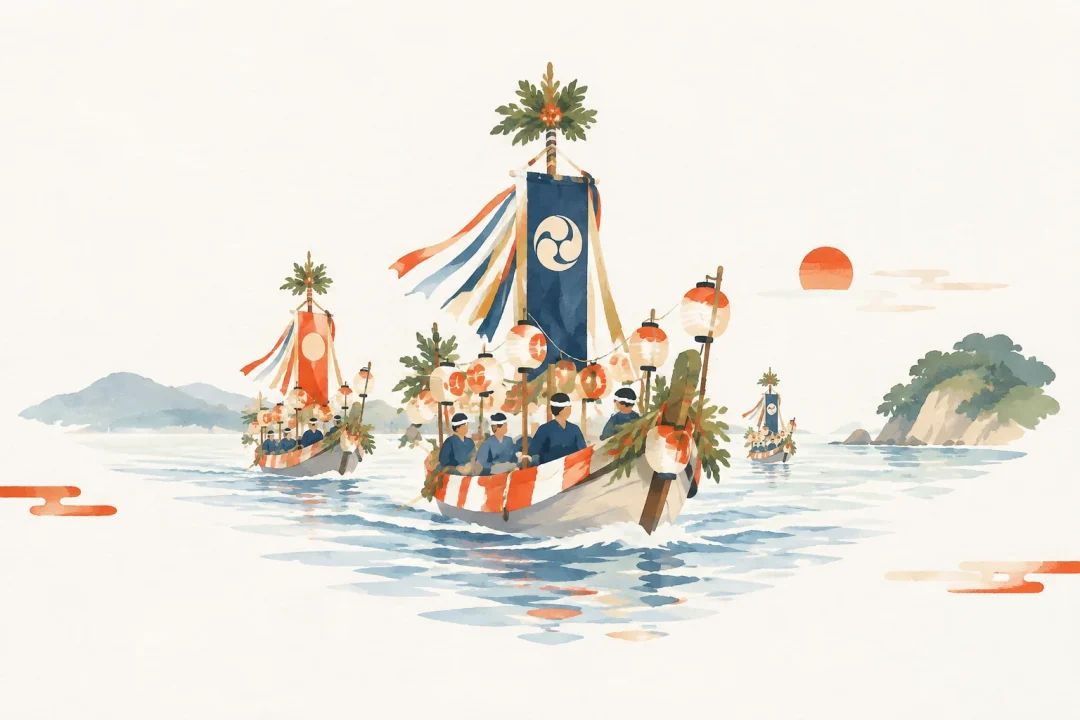
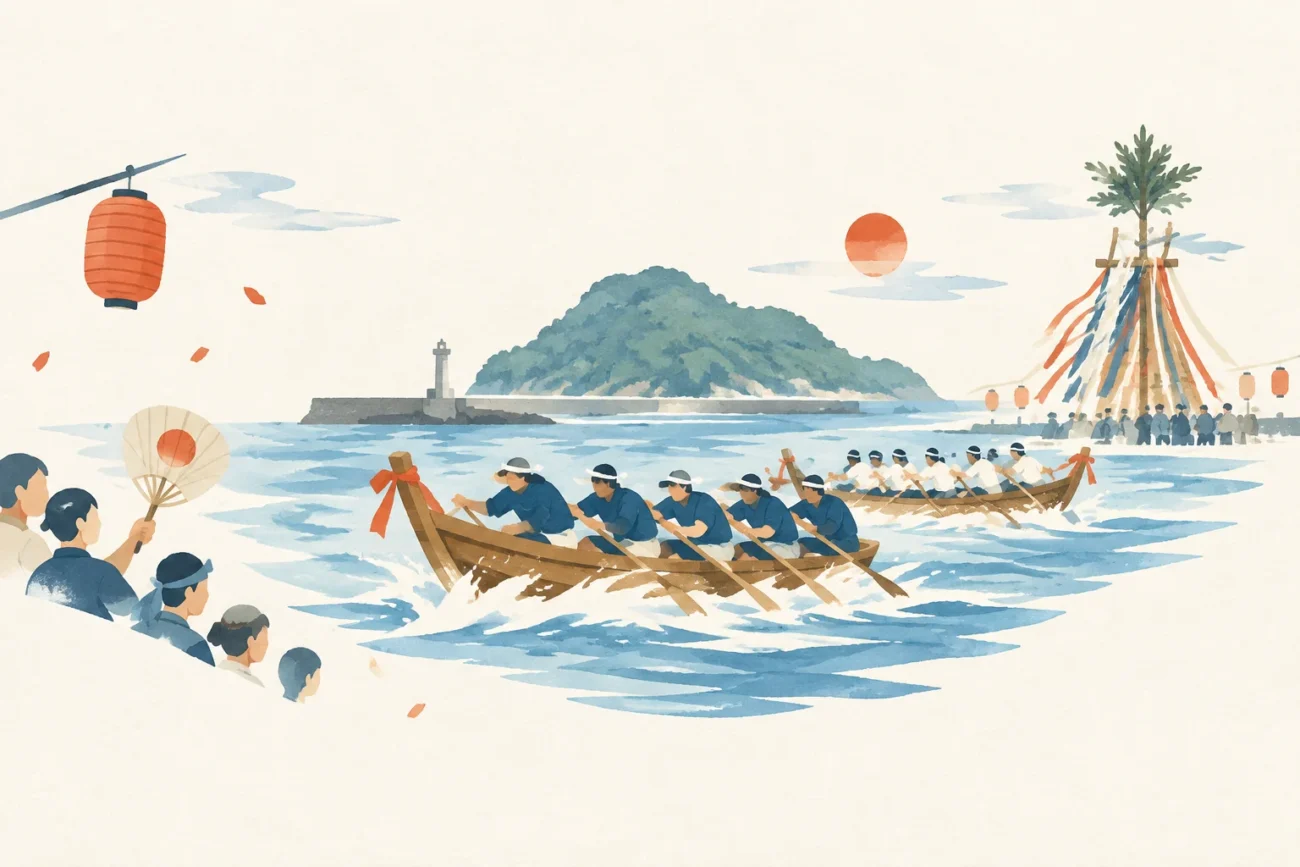
The main highlight is the oar-boat race.
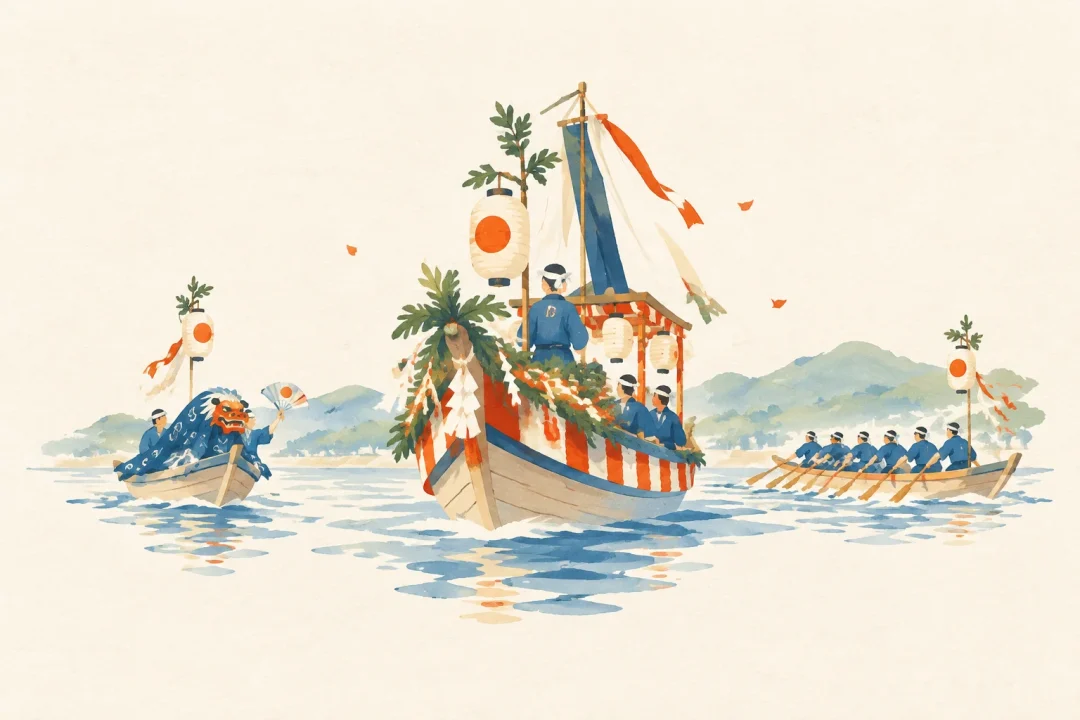
Bare-chested young men split into 2 boats, Ōtori and Hayabusa, and race back and forth to Kushimoto through the cold winds.
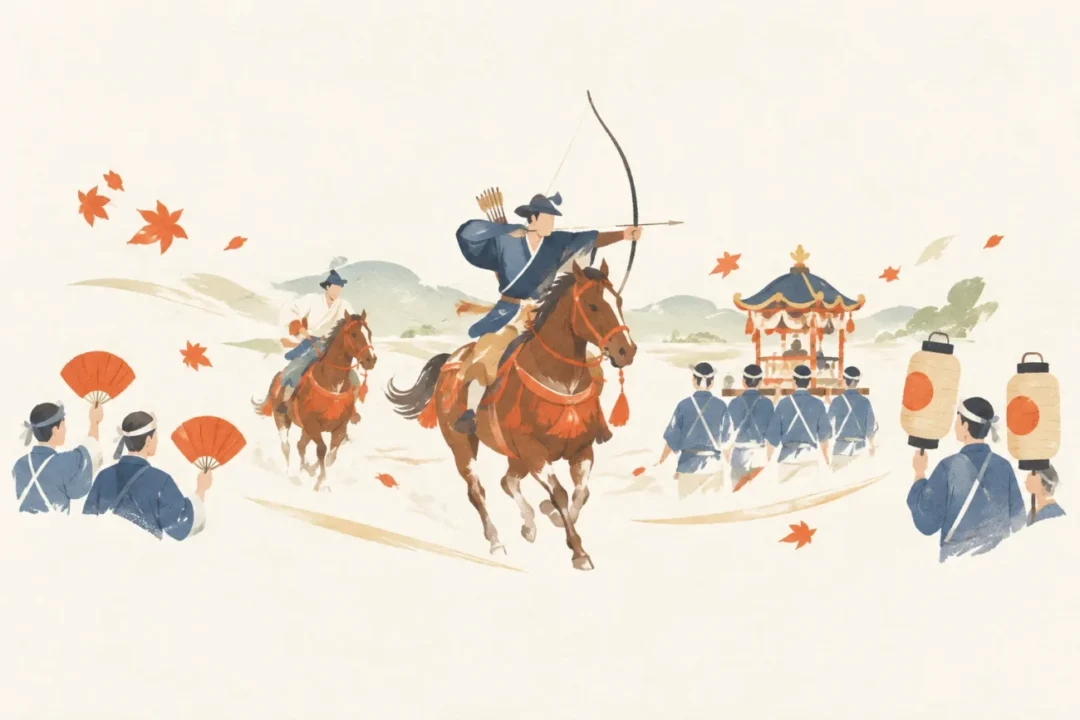
At the end of the festival, participants compete for a mirror fixed to the top of a tall pole in an event called “Oyama Taoshi,” which offers a different kind of excitement from the oar-boat race.
A festival of boat races and Oyama Taoshi, steeped in traditions of the sea and boats
What to expect
The festival features events such as Omato, Ozā, Togyo, Tōbune, the oar-boat race, Tsuruba, and Oyama Taoshi.
In the oar-boat race, 2 boats, Ōtori and Hayabusa, race back and forth to Kushimoto.
In the final Oyama Taoshi, participants compete to take the mirror at the top of a tall pole.
Location and access
- Venue and address
Oshima, Kushimoto Town, Higashimuro District
Address Oshima, Kushimoto Town, Higashimuro District
Accommodation and hotels PR
Showing nearby accommodation.
Prices and availability are current at the time of retrieval. For multi-night stays, only the first night’s price is shown. Confirm the final price and directions to the venue with the booking provider. Select your dates again when using the area search link. Search area: within 3 km of Central Wakayama Prefecture / Kushimoto Town (the search is not centered on the festival venue)
Nearby attractions

串本応挙芦雪館
和歌山県串本町にある美術館

日米修交記念館
和歌山県串本町の紀伊大島にある博物館
Origins and History of Oshima Suimon Festival
The festival is said to have begun when boats went out to welcome Empress Jingu as she landed on Tsuyajima, offering her a bounty of mountain and sea delicacies.
Oshima Port also flourished as a place where ships sailing the Kumano-nada Sea stayed while waiting for favorable winds.
Events such as Omato, Ozā, Togyo, Tōbune, the oar-boat race, Tsuruba, and Oyama Taoshi have been held since the Edo period.
Official information
The Oshima Suimon Festival is a prefecturally designated intangible folk cultural property of Wakayama.
It was designated on Showa 47April 13.
Oshima Suimon Festival at a Glance
The Oshima Suimon Festival is rooted in the history of Oshima Port, which bustled with ships waiting for favorable winds, and in traditions associated with Empress Jingu.
Among the many events passed down since the Edo period, the distinctive ones are the oar-boat race, in which 2 boats, Ōtori and Hayabusa, race back and forth, and Oyama Taoshi, in which participants compete for a mirror at the end.
The festival is also designated as an intangible folk cultural property by Wakayama Prefecture.
Sources and references
Japanese Festivals.jp Editorial Team
Celebrating local culture and helping you discover a side of Japan you never knew.
Article updated: 2026/11/11