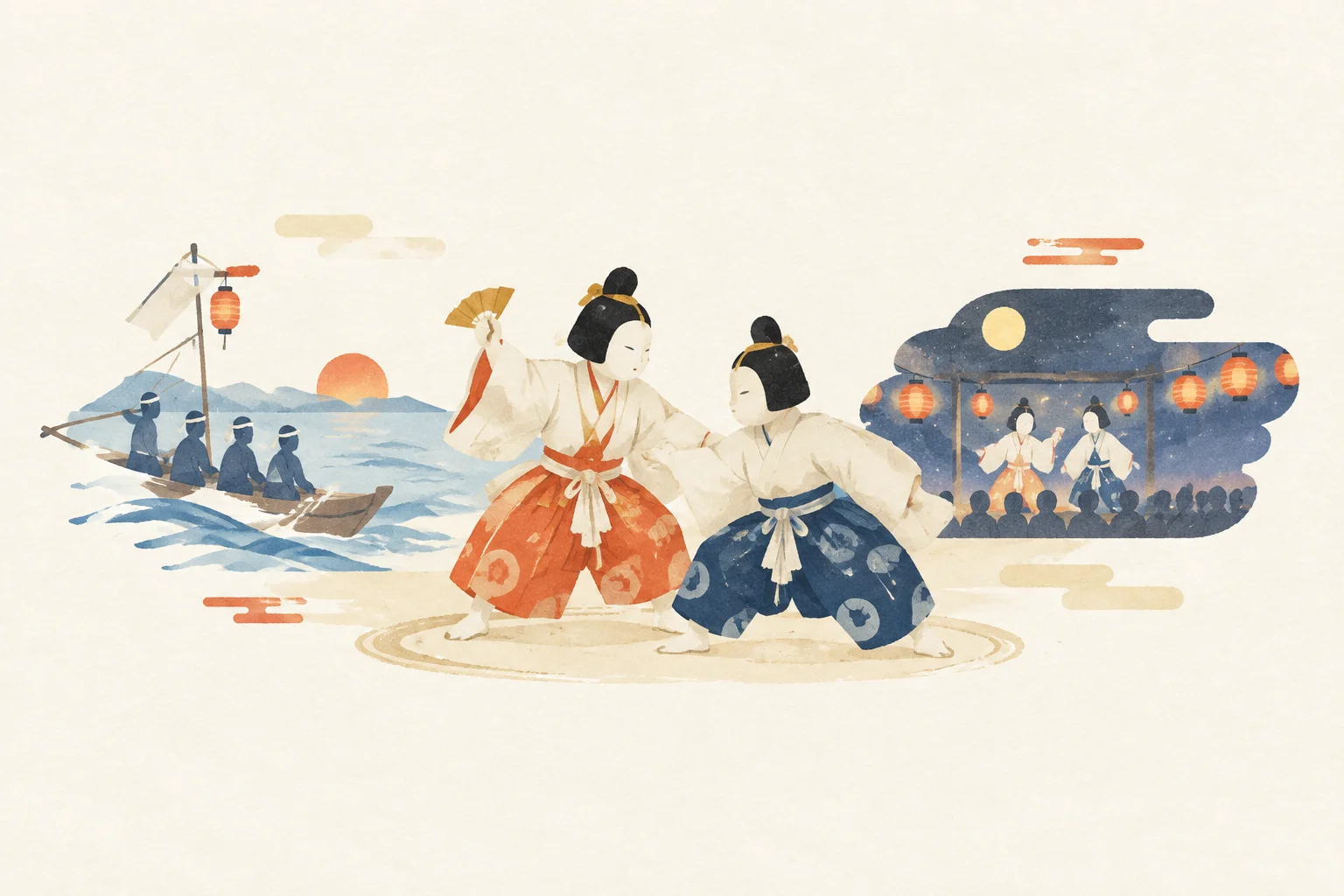
A traditional Yoshitomi Town performance in which deity dolls dance and perform sumo
Hosoyamai and Kami-zumo
Festival information
EVENT INFORMATION- Season / frequency
- August 6 or the night of the 7th / Once every 4 years
- Area
- Fukuoka Prefecture・Yoshitomi Town(From Tokyo: approx. 1 h 50 min–2 h 10 min · flight time only)Prefecture-level estimate to a main station or airport, not the venue. Airport access, check-in and onward travel are extra; remote areas and islands can take much longer.
- Features
- Highlights and activities
- Participation / viewing
- Spectators welcome
- Last updated
- 2026/10/19
This puppet-based sacred performance, passed down in Yoshitomi Town, features deity dolls performing dances and sumo. It has been handed down through two settings: sacred rites at sea and puppet plays at night.
About Hosoyamai and Kami-zumo
Hosoyamai and Kami-zumo are puppet-based sacred performances passed down in Yoshitomi Town, Chikujo District, Fukuoka Prefecture.
The performance is divided into two parts: Hosoyamai, performed by statue-like dolls, and Kami-zumo, performed by sumo-style dolls.
As a puppet play passed down at Hachiman Koshio Shrine, it preserves the form of an old performing art.
Source: 国指定文化財等データベース
Festival highlights
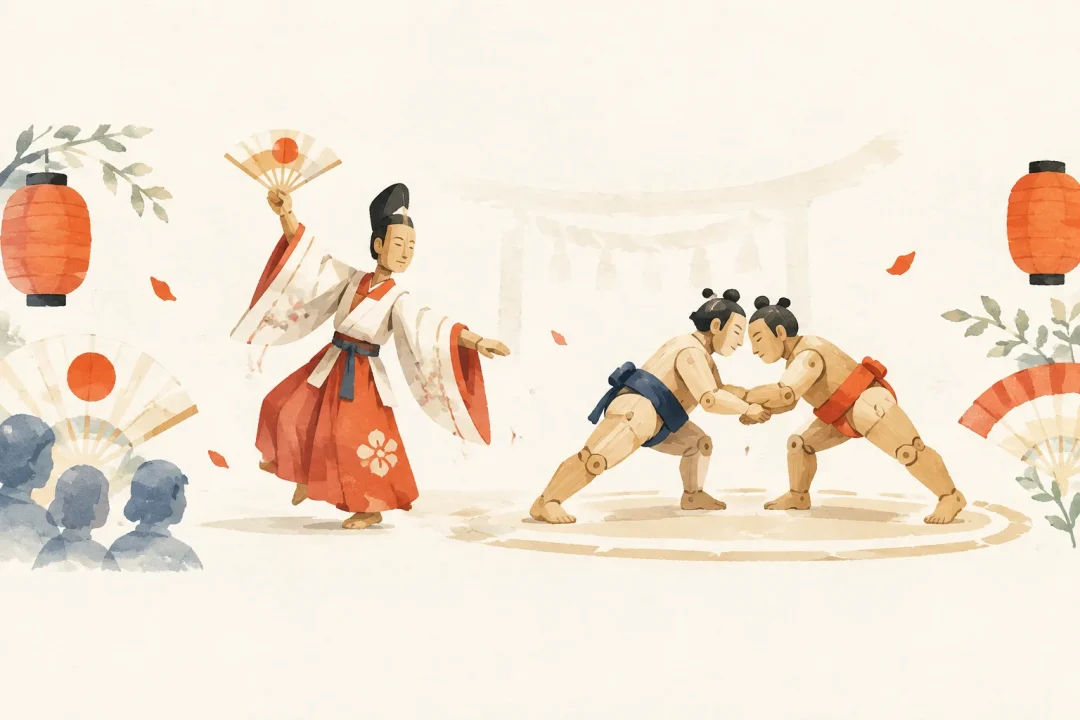
A highlight is the sight of wooden deity dolls performing dances and sumo.
Simple movements accompany the unadorned deity dolls, which perform statue-like dances and sumo-style pushing bouts.
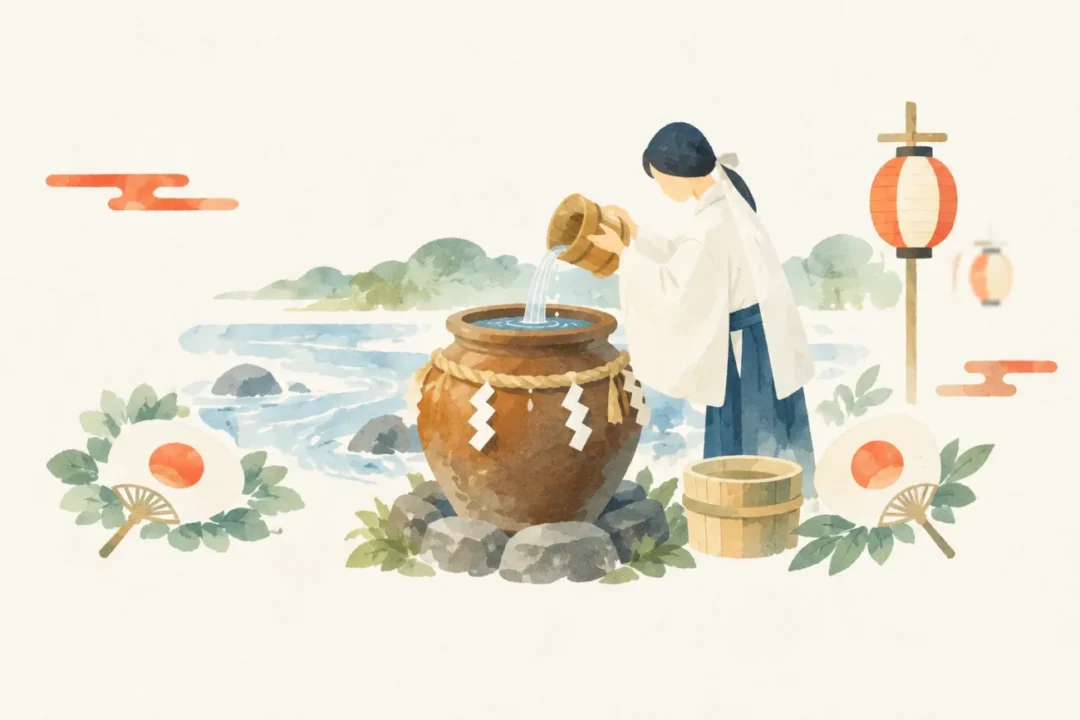
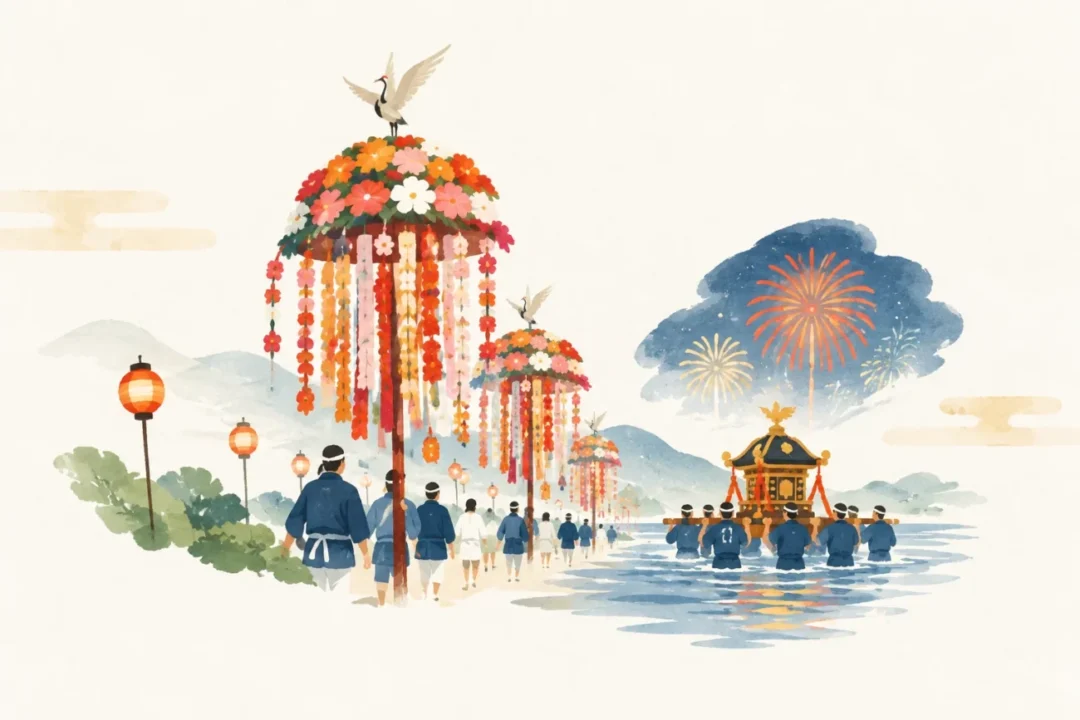
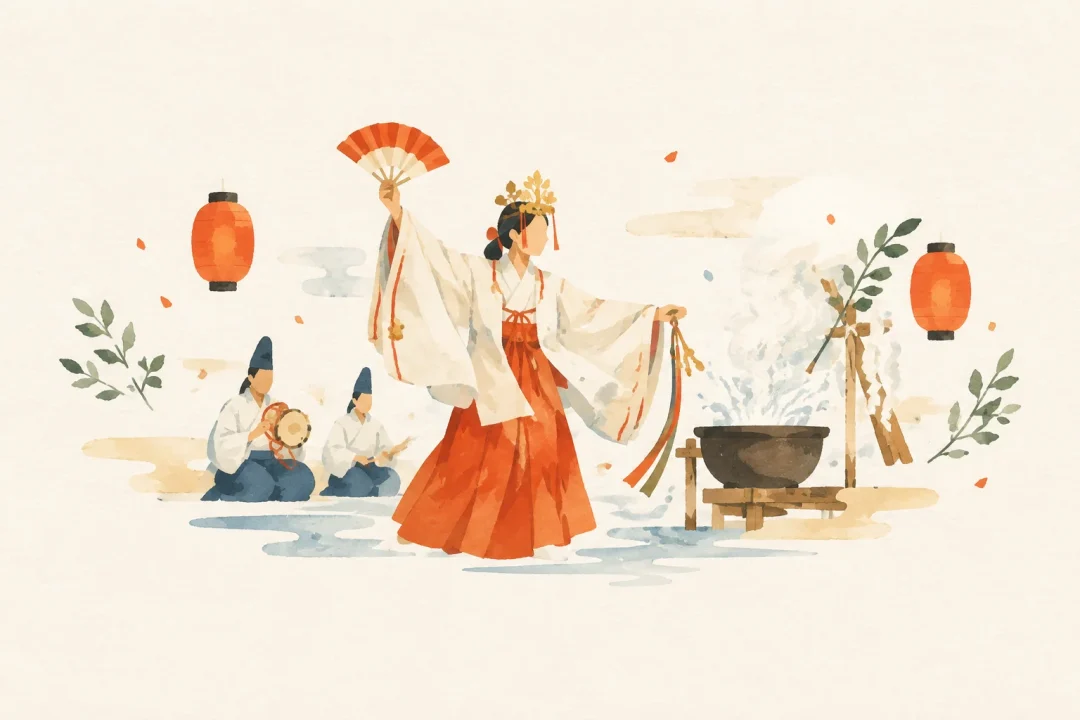
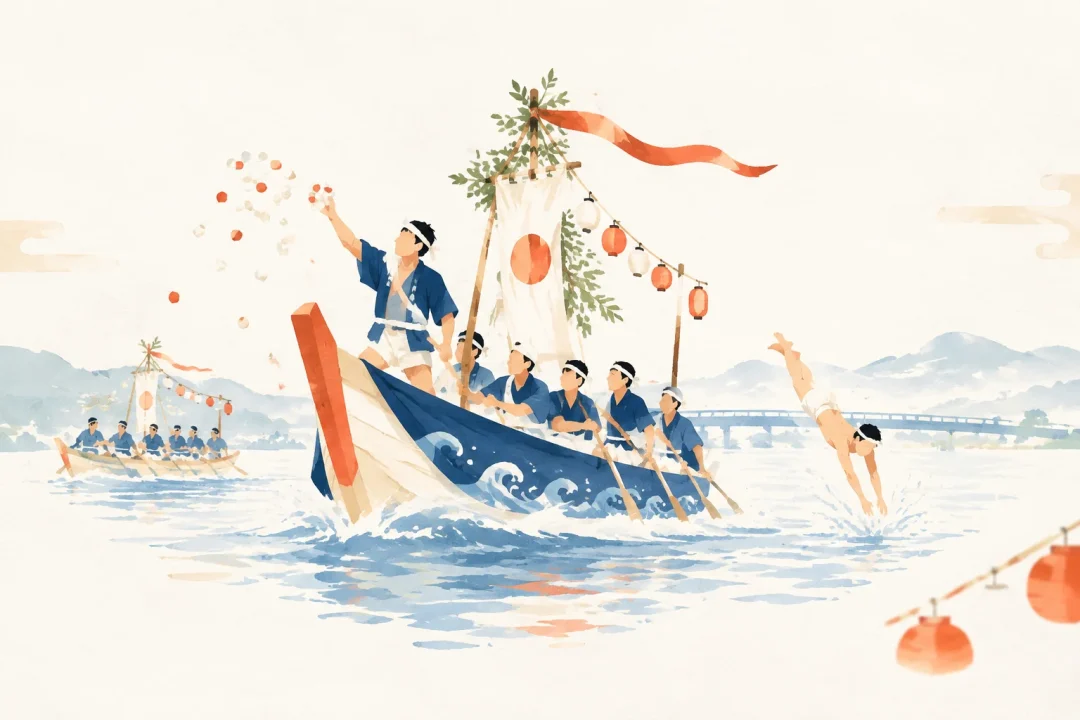
Boats carrying musicians playing drums and other instruments, along with the sacred rites at sea, are also defining features of this performance.
Source: きらめきマイタウン 吉富町 2/2|グラフふくおか(2017 夏号)
A traditional Yoshitomi Town performance in which deity dolls dance and perform sumo
What to expect
As part of the event, boats are launched from the Yamakuni River in the morning, led by one carrying a platform for the deities. At sea, priests recite prayers and shrine maidens perform dances.
A hōjō-e ceremony, in which shellfish are released into the sea, is also said to have been held.
At night, Hosoyamai and Kami-zumo are performed with puppet dolls at Hachiman Koshio Shrine.
How to take part
Visitors can watch the event.
Location and access
- Address
Yoshitomi Town
Host municipality 福岡県吉富町
This map shows the surrounding area, not the exact venue location.
Dates and season
- Season
August 6 or the night of the 7th
- Frequency
Once every 4 years
Accommodation and hotels PR
Showing nearby accommodation.
Prices and availability are current at the time of retrieval. For multi-night stays, only the first night’s price is shown. Confirm the final price and directions to the venue with the booking provider. Select your dates again when using the area search link. Search area: within 3 km of Central Fukuoka Prefecture / Yoshitomi Town (the search is not centered on the festival venue)
Origins and History of Hosoyamai and Kami-zumo
According to tradition, this performance originated when, during the hōjō-e ceremony once held at the floating sanctuary on the shore of Wama Beach at Usa Hachimangu, puppeteers were sent by boat from Koshio Shrine and Koyo Shrine to offer dances from the sea.
Today, it is passed down mainly at Koshio Shrine.
In 1974, it was selected as an Intangible Folk Cultural Property for which measures such as documentation should be undertaken.
Official information
You can find explanations of Hosoyamai and Kami-zumo, as well as cultural property information, in the National Database of Cultural Properties and the Cultural Heritage Online website.
Source: 細男舞・神相撲 文化遺産オンライン
Hosoyamai and Kami-zumo at a Glance
Hosoyamai and Kami-zumo are puppet-based sacred performances passed down at Hachiman Koshio Shrine in Yoshitomi Town.
The program centers on statue-like dolls performing dances and sumo-style dolls performing Kami-zumo, and also includes sacred rites at sea and a hōjō-e ceremony.
A distinctive feature of this performance is the sight of wooden deity dolls depicting traditional dances and sumo.
Japanese Festivals.jp Editorial Team
Celebrating local culture and helping you discover a side of Japan you never knew.
Article updated: 2026/10/19
Submit information or a correction Submit photos of this festival