Kitami’s snake-repelling tradition, embodied in sacred talismans and spoken incantations
Kitami’s Mamushi Repellent
Festival information
EVENT INFORMATION- Season / frequency
- Spring
- Location
- Villages around Kitami
- Area
- Tokyo Metropolis・Setagaya City(Within Tokyo: approx. 15 min–1 h by train (central areas))Prefecture-level estimate to a main station or airport, not the venue. Airport access, check-in and onward travel are extra; remote areas and islands can take much longer.
- Highlights and activities
- Wishes behind the festival
- Last updated
- 2026/11/19
A custom passed down in Kitami in spring, involving sacred talismans and spoken incantations to ward off snakes. Records document practical knowledge for protecting everyday life, including making ofuda and the art of dispelling poison passed down through generations.
About Kitami’s Mamushi Repellent
“Kitami’s Mamushi Repellent” is an intangible folk cultural property designated by Setagaya City (customs and practices).
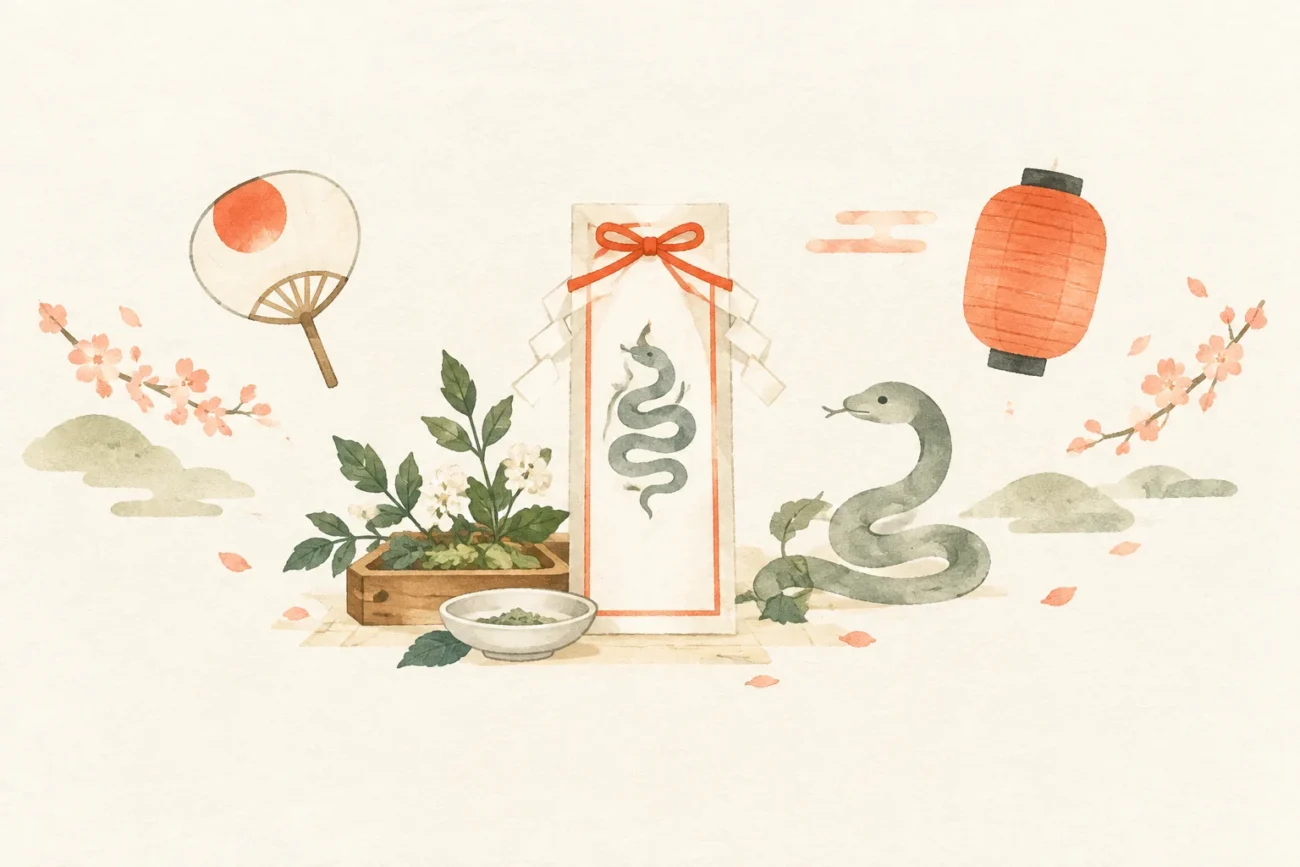
In the villages around Kitami, people had a custom of receiving sacred talismans to ward off snakes around the time Japanese rat snakes and mamushi emerged in spring.
It is said that people put the sacred talismans in their pockets when going out to the fields or posted them in places where snakes might appear.
Festival highlights
What makes this tradition distinctive is that, alongside sacred talismans for warding off snakes, spoken incantations and songs sung by children have also been passed down.
It is said that people walking through thickets and grassy areas would chant “Iemon, Iemon,” while children sang songs about driving away snakes and mamushi.
A poison-neutralizing ritual performed for people who came after being bitten by a mamushi was also passed down through generations of the head of the family.
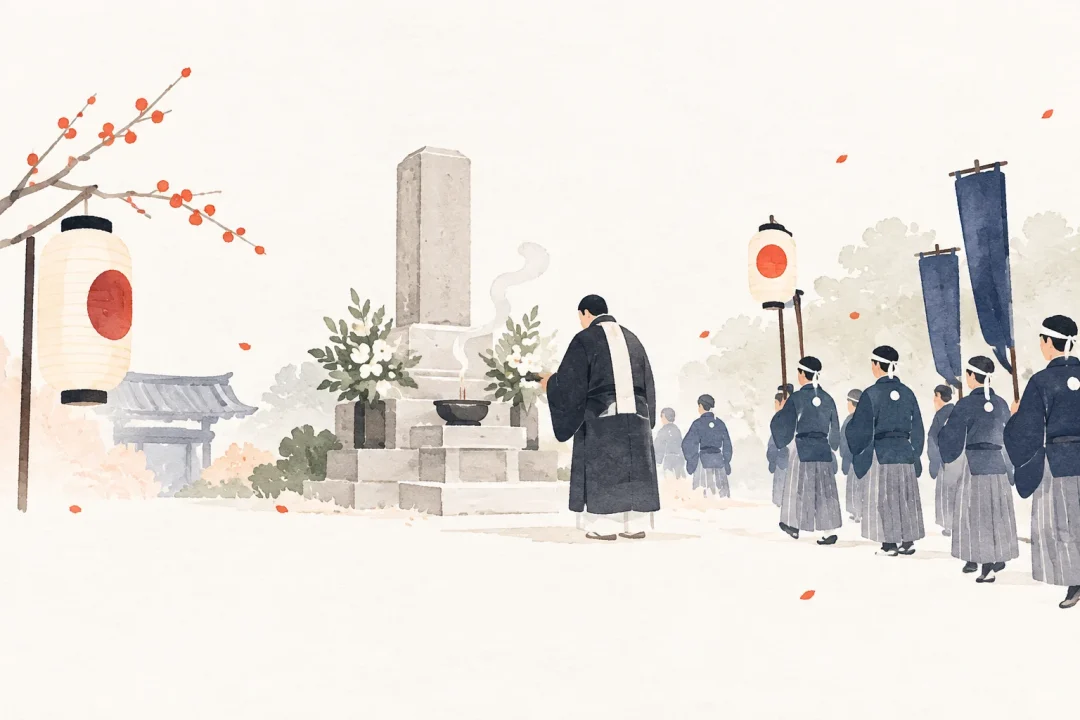
Kitami’s snake-repelling tradition, embodied in sacred talismans and spoken incantations
What to expect
A recorded video introduces “making ofuda” and “the art of dispelling poison” by the current head of the family.
According to records of mamushi repellent, sacred talismans were issued and either carried when going out to the fields or posted in places where snakes might appear.
Words spoken in thickets and grassy areas, as well as songs sung by children, are also part of what makes up this tradition.
Location and access
- Venue and address
Around Kitami (location not publicly disclosed)
Address Kitami (location not publicly disclosed)
Dates and season
- Season
Spring
Accommodation and hotels PR
Showing nearby accommodation.
Prices and availability are current at the time of retrieval. For multi-night stays, only the first night’s price is shown. Confirm the final price and directions to the venue with the booking provider. Select your dates again when using the area search link. Search area: within 3 km of Central Tokyo Metropolis / Setagaya City (the search is not centered on the festival venue)
Nearby attractions

Origins and History of Kitami’s Mamushi Repellent
A custom of using sacred talismans to ward off snakes in spring has been passed down in the villages around Kitami.
In addition to issuing sacred talismans, a poison-neutralizing ritual for people bitten by mamushi has been passed down through generations of the head of the family.
On March 25, 1987, it was designated an intangible folk cultural property by Setagaya City (customs and practices).
Official information
Setagaya Digital Museum features it as an intangible folk cultural property designated by Setagaya City (customs and practices).
A recorded video covering “making ofuda” and “the art of dispelling poison” by the current head of the family is also available.
Kitami’s Mamushi Repellent at a Glance
“Kitami’s Mamushi Repellent” is a custom in the area around Kitami that used sacred talismans to ward off snakes in spring.
Words spoken in thickets and grassy areas, songs by children, and a poison-neutralizing ritual passed down through generations of the head of the family all convey the culture of mamushi repellent.
It became an intangible folk cultural property designated by Setagaya City in 1987, and a recorded video introduces the making of ofuda and the art of dispelling poison.
Sources and references
Japanese Festivals.jp Editorial Team
Celebrating local culture and helping you discover a side of Japan you never knew.
Article updated: 2026/11/19