Setagaya’s Hari Kuyo: entrusting old needles to tofu and carrying on respect for tools
Hari Kuyo at Morigansan Temple
Festival information
EVENT INFORMATION- Season / frequency
- Every year February 8 / Every year
- Location
- Awashima-do Hall (Morigansan Temple)
- Area
- Tokyo Metropolis・Setagaya City(Within Tokyo: approx. 15 min–1 h by train (central areas))Prefecture-level estimate to a main station or airport, not the venue. Airport access, check-in and onward travel are extra; remote areas and islands can take much longer.
- Last updated
- 2026/11/11
Morigansan Temple’s Hari Kuyo is an event held at Awashima-do Hall to honor old and broken needles and pass on the importance of treating tools with care.
About Hari Kuyo at Morigansan Temple
Morigansan Temple’s Hari Kuyo is an event in which sewing is set aside and broken or old needles are honored.
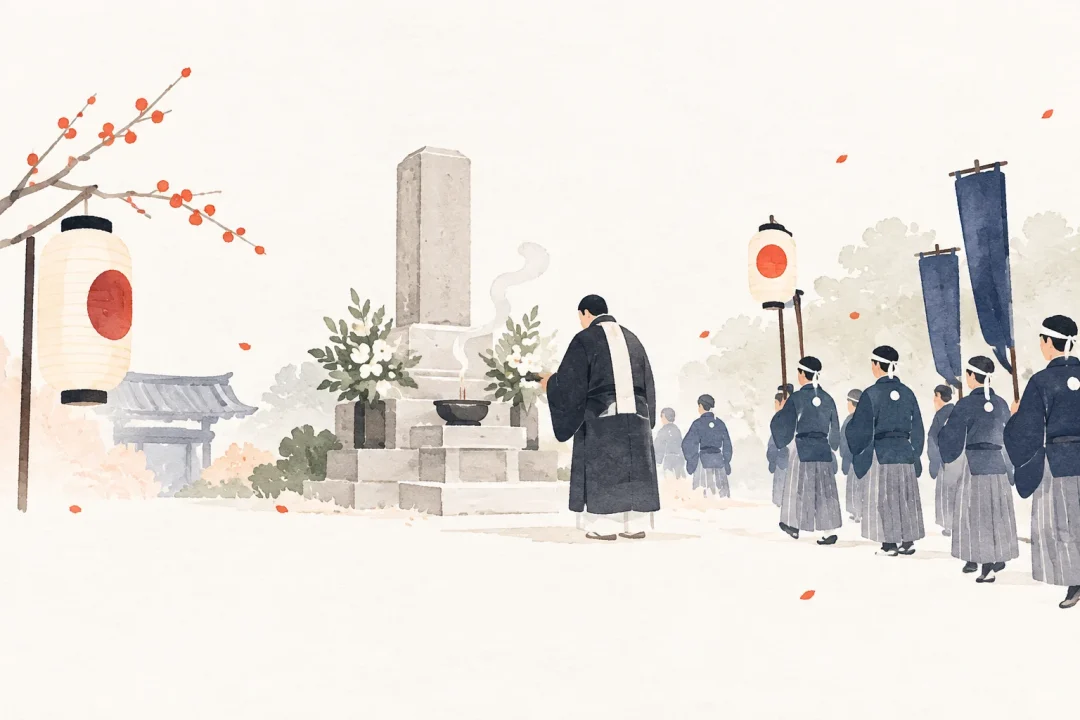
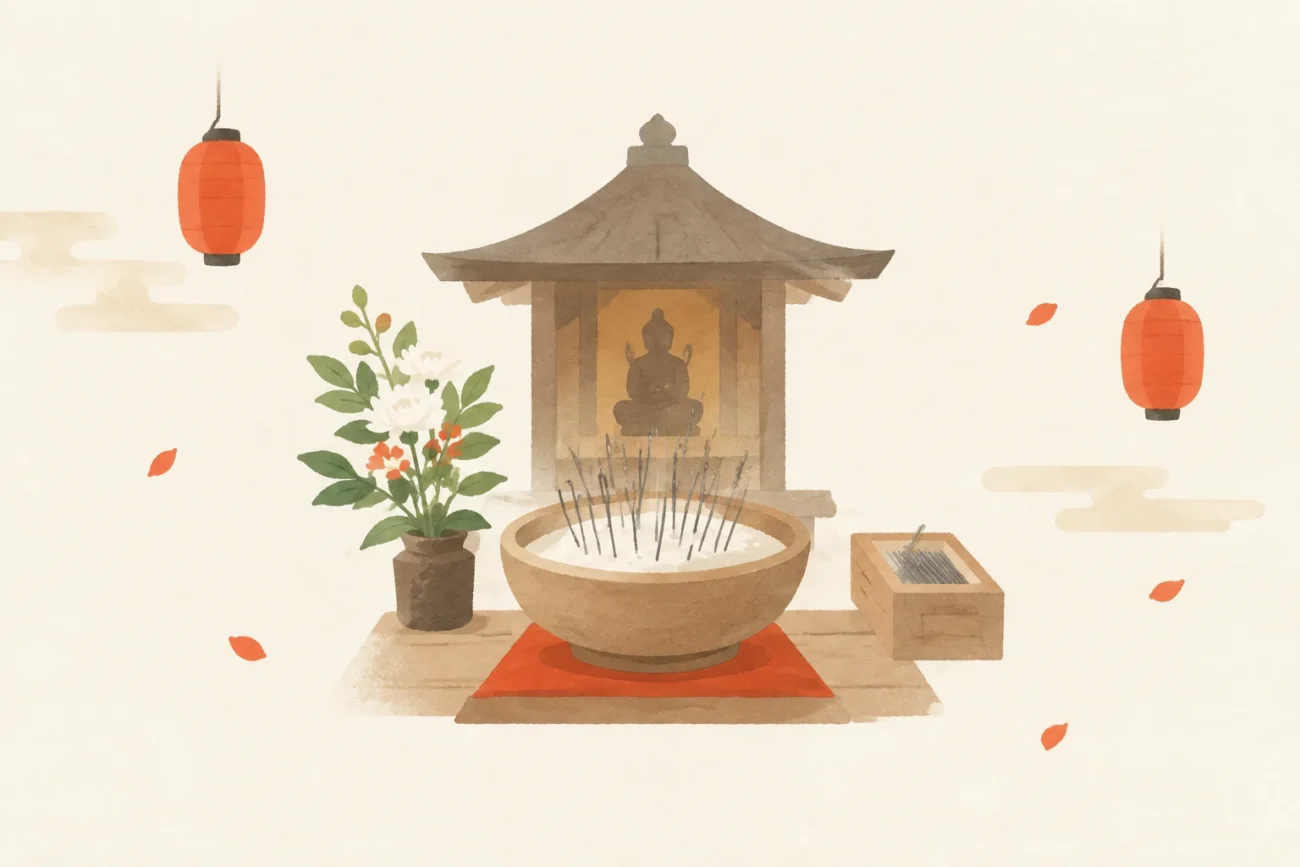
At Morigansan Temple, the event is held every year on February 8 at Awashima-do Hall. Old needles are stuck into tofu inside the hall, and the head priest and others perform a memorial service.
After the service, the needles are removed from the tofu and placed in the stone sarcophagus in front of Awashima-do Hall.
It is also designated an Intangible Folk Cultural Property of Setagaya City (customs and practices).
Festival highlights
A highlight is the sequence of actions in which old needles are stuck into tofu placed inside the hall and the head priest and others perform a memorial service.
Afterward, the needles are removed from the tofu and placed in the stone sarcophagus in front of Awashima-do Hall.
A distinctive feature of this event is the careful way an everyday sewing tool—the needle—is honored with tofu, a memorial service, and a stone sarcophagus.
It is regarded as a way of passing on widely practiced folk beliefs and the ideas of earlier generations, who treated their tools with care.
Setagaya’s Hari Kuyo: entrusting old needles to tofu and carrying on respect for tools
What to expect
The event begins with old needles being stuck into tofu placed inside Awashima-do Hall.
Next, the head priest and others perform a memorial service. Once the service is complete, the needles are removed from the tofu.
Finally, the needles are placed in the stone sarcophagus in front of Awashima-do Hall.
The purpose of Hari Kuyo—setting aside sewing work to honor broken and old needles—is expressed through a specific sequence of steps.
Location and access
- Venue and address
Awashima-do Hall, Morigansan Temple
Address Morigansan Temple, 3-27-1 Daizawa, Setagaya City, Tokyo
Dates and season
- Season
Every year February 8
- Frequency
Every year
Accommodation and hotels PR
Showing nearby accommodation.
Prices and availability are current at the time of retrieval. For multi-night stays, only the first night’s price is shown. Confirm the final price and directions to the venue with the booking provider. Select your dates again when using the area search link. Search area: within 3 km of Central Tokyo Metropolis / Setagaya City (the search is not centered on the festival venue)
Nearby attractions

Origins and History of Hari Kuyo at Morigansan Temple
The origins of Hari Kuyo at Morigansan Temple are unknown.
However, the 1856 publication Kyoka Edo Meisho Zue includes a comic verse related to the temple’s Hari Kuyo.
It is therefore explained that Hari Kuyo was held here by the Ansei period at the latest and was known alongside moxibustion.
In Heisei 11, it was designated an Intangible Folk Cultural Property of Setagaya City (customs and practices).
Hari Kuyo at Morigansan Temple at a Glance
Morigansan Temple’s Hari Kuyo is an event held every year on February 8 at Awashima-do Hall to honor old and broken needles.
Needles are stuck into tofu as a memorial service is held. Afterward, the needles are removed and placed in the stone sarcophagus in front of Awashima-do Hall.
Although its origins are unknown, records show that it was held here during the Ansei period. Designated an Intangible Folk Cultural Property of Setagaya City, it conveys both folk beliefs and the idea of treating tools with care.
Sources and references
Japanese Festivals.jp Editorial Team
Celebrating local culture and helping you discover a side of Japan you never knew.
Article updated: 2026/11/11