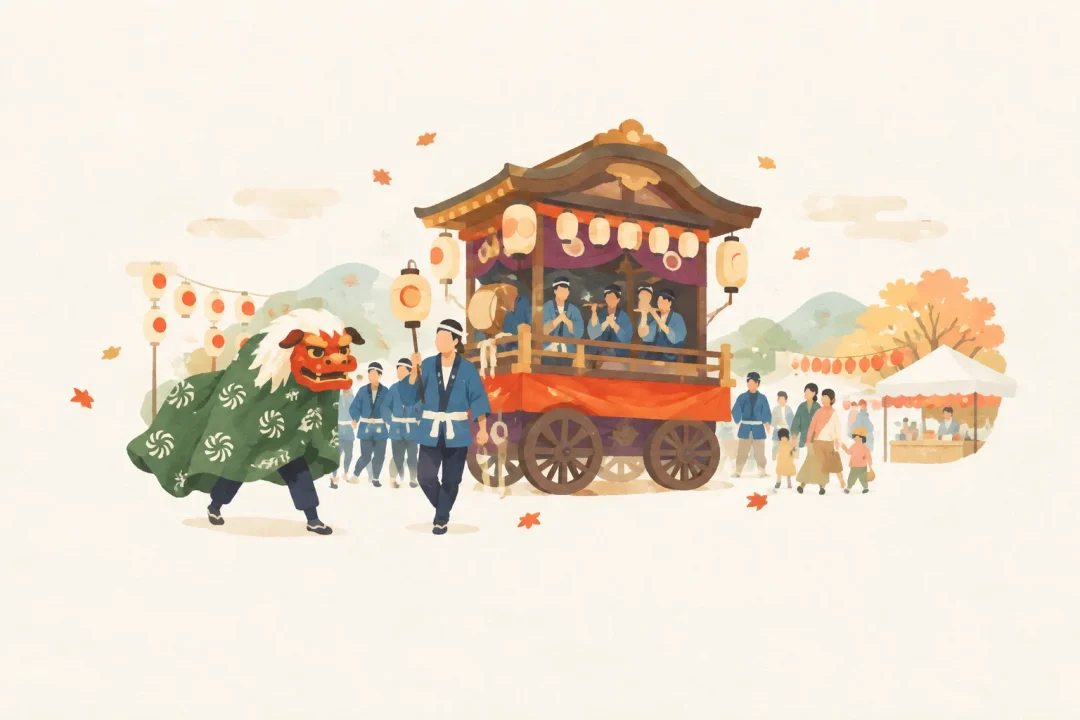
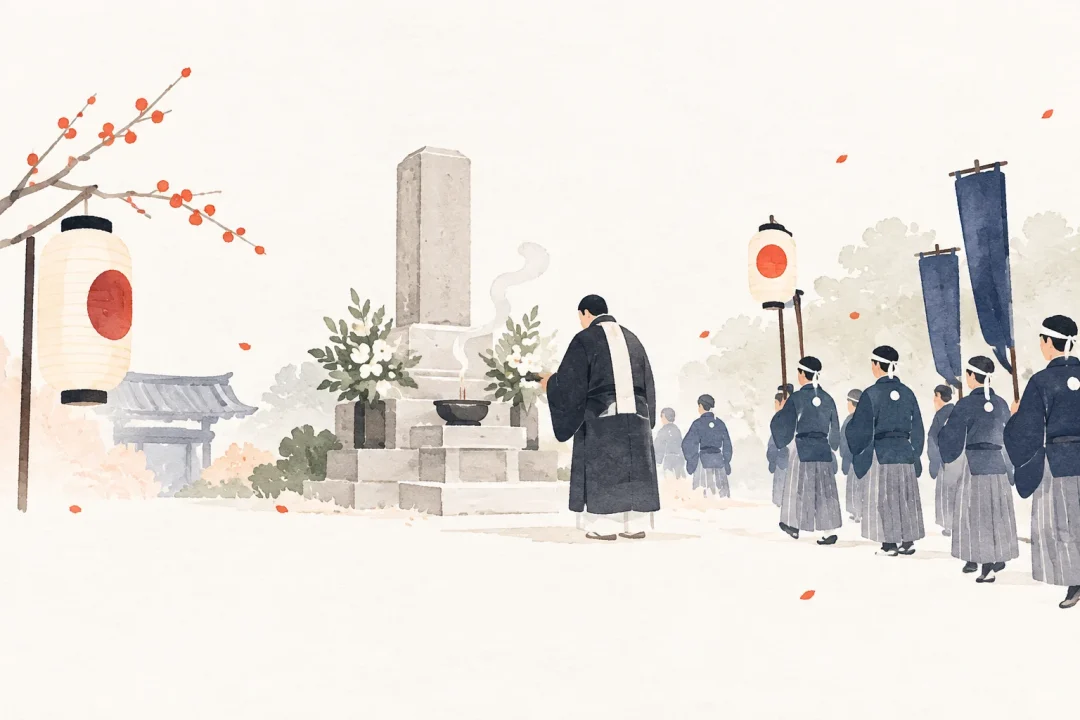
An Inari festival in Sagami-Ono, where prayers for sericulture were entrusted to ema
Kokomori Inari Festival
Festival information
EVENT INFORMATION- Season / frequency
- April 17 / Every year
- Location
- Kokomori Inari (an Inari shrine in Sagami-Ono, Minami Ward)
- Area
- Kanagawa Prefecture・Sagamihara City(From Tokyo: approx. 30 min–1 h · train)Prefecture-level estimate to a main station or airport, not the venue. Airport access, check-in and onward travel are extra; remote areas and islands can take much longer.
- Wishes behind the festival
- Last updated
- 2026/10/19
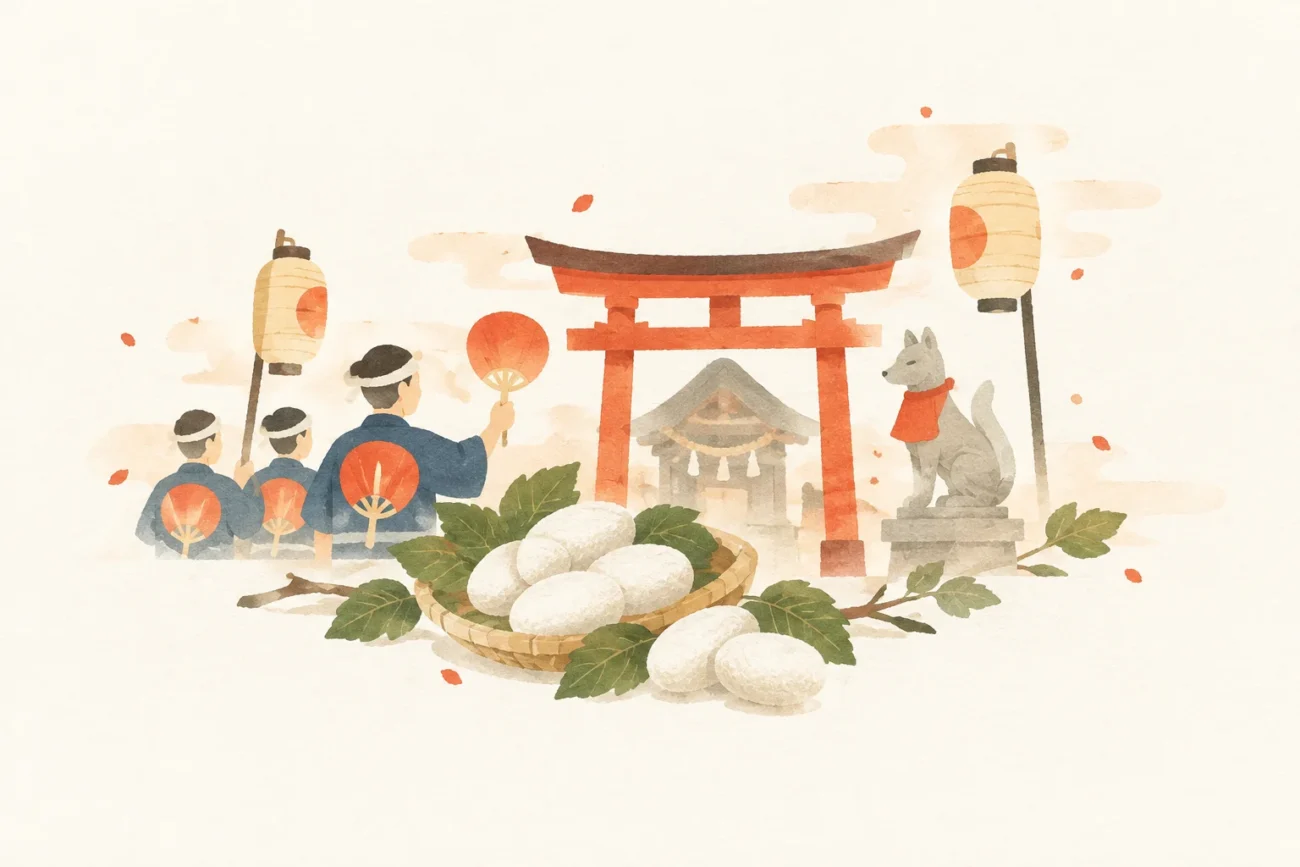
The Kokomori Inari Festival, handed down in Sagami-Ono, Minami Ward, Sagamihara, is rooted in Inari worship and prayers for safe silkworm rearing and abundant cocoons.
About Kokomori Inari Festival
The Kokomori Inari Festival is a religious celebration related to sericulture, traditionally held at an Inari shrine in Sagami-Ono, Minami Ward, Sagamihara.
Linked to local prayers for silkworms to produce many high-quality cocoons, Kokomori Inari was also called “the Inari shrine of Taniguchi.”
In the past, mainly women visited the festival known as the Daidaimoku on April 17.
Source: 「写真で見る相模原~昭和・平成の生活と民俗~」(No55・養蚕の祈願②) | 相模原市立博物館の職員ブログ
Festival highlights
One distinctive custom was receiving an ema to display in the silkworm-rearing room.
It was believed that displaying an ema would bring good luck to the silkworms—in other words, help them thrive. Each year, visitors returned their old ema and received new ones.
A highlight of this festival is how sericulture and faith in the shrine were connected through ema.
An Inari festival in Sagami-Ono, where prayers for sericulture were entrusted to ema
What to expect
The practice involved visiting the Inari shrine to pray for the silkworms’ growth and a good cocoon harvest, and receiving an ema to display in the silkworm-rearing room.
It was customary to return an old ema and receive a new one when visiting the shrine.
Information about the festival’s specific ceremonies and offerings is limited.
How to take part
In the past, mainly women visited as part of this religious practice related to sericulture.
Location and access
- Venue and address
An Inari shrine in Sagami-Ono, Minami Ward (Kokomori Inari).
Event venue 神奈川県相模原市 蚕守稲荷
This map uses the venue name. Check the official guide for the event area and entrances.
Dates and season
- Season
April 17
- Frequency
Every year
Accommodation and hotels PR
Showing nearby accommodation.
Prices and availability are current at the time of retrieval. For multi-night stays, only the first night’s price is shown. Confirm the final price and directions to the venue with the booking provider. Select your dates again when using the area search link. Search area: within 3 km of Central Kanagawa Prefecture / Sagamihara City (the search is not centered on the festival venue)
Tips for your visit
If you plan to visit as part of the festival, bear in mind its connection to sericulture beliefs and the ema custom, and approach your visit to the local shrine quietly and respectfully.
Nearby attractions

亀ヶ池八幡宮
神奈川県相模原市中央区にある神社

氷川神社
神奈川県相模原市中央区にある神社

神明大神宮
神奈川県相模原市緑区にある神社
Origins and History of Kokomori Inari Festival
Sericulture was one of Sagamihara’s important industries, and events and religious practices praying for abundant, high-quality cocoons took place throughout the area.
Among these, the Inari shrine in Sagami-Ono, Minami Ward, was known as a place to visit when raising silkworms. It was called Kokomori Inari or “the Inari shrine of Taniguchi.”
Records taken in Showa 62 (1987)April 17 describe the custom of returning an ema and receiving a new one.
Official information
A staff blog from the Sagamihara City Museum introduces Kokomori Inari, prayers for sericulture, and local customs involving ema.
Kokomori Inari Festival at a Glance
The Kokomori Inari Festival is a celebration of Inari worship linked to Sagamihara’s sericulture culture.
At the Daidaimoku on April 17, mainly women visited the shrine, returned old ema, received new ones, and displayed them in silkworm-rearing rooms to pray for an abundant cocoon harvest.
The prayers entrusted to the ema offer a glimpse into the close relationship between local livelihoods and faith.
Japanese Festivals.jp Editorial Team
Celebrating local culture and helping you discover a side of Japan you never knew.
Article updated: 2026/10/19
Submit information or a correction Submit photos of this festival