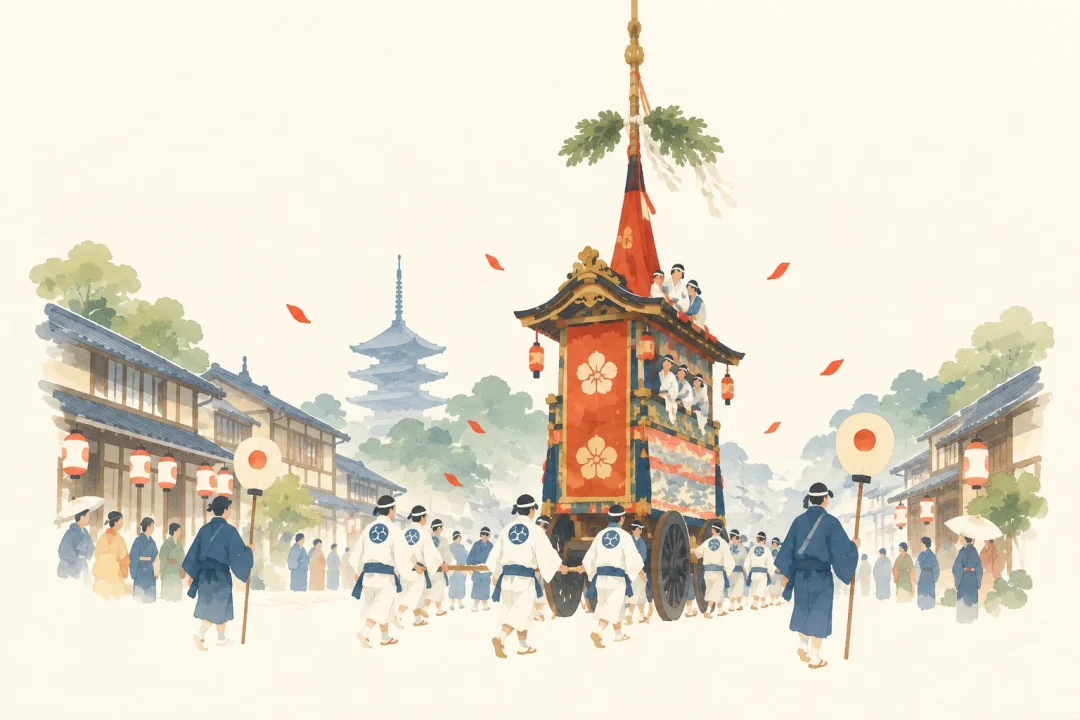
A Gion festival in Imai, Yukuhashi, where renga and dashi traditions thrive
Imai Gion Festival events
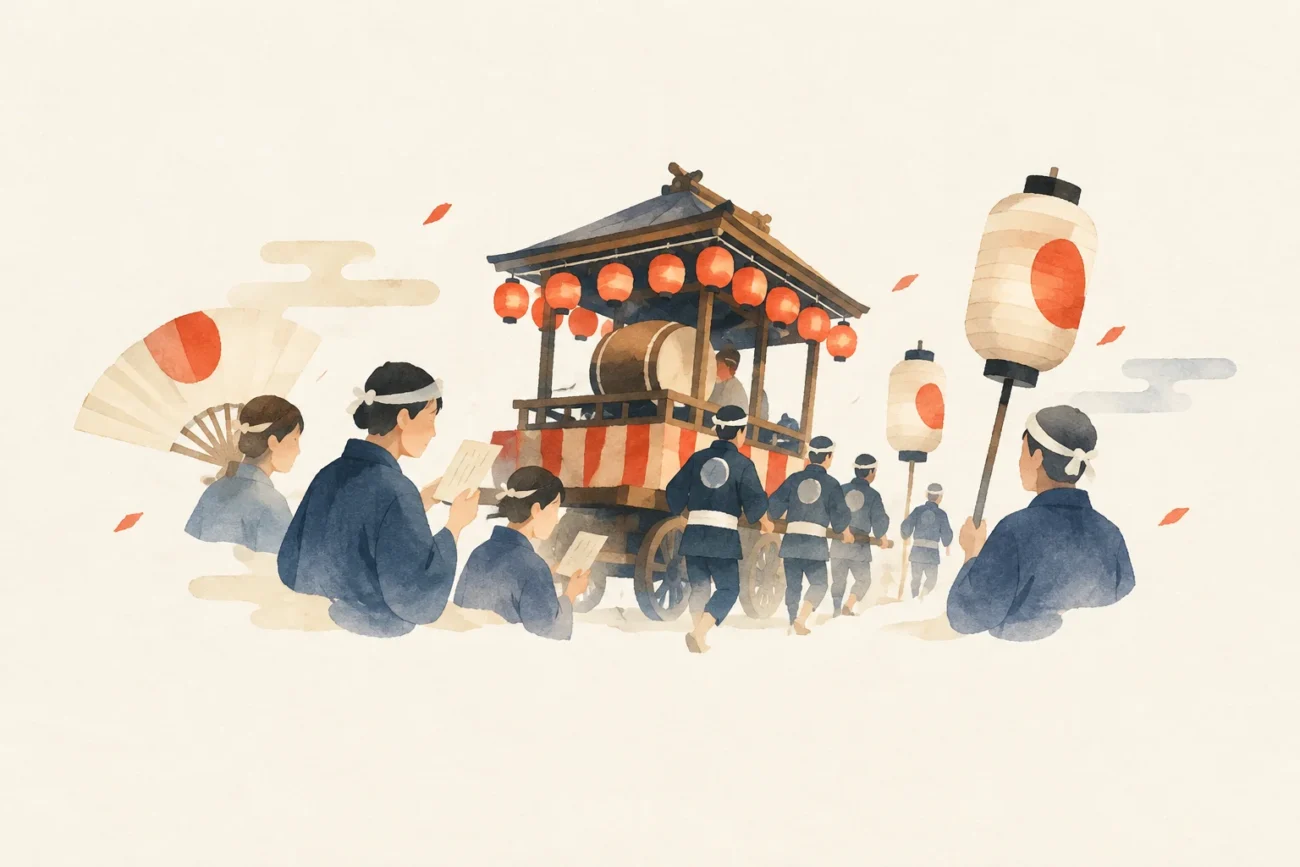
The 2026 edition of Imai Gion Festival events has ended.
Festival information
EVENT INFORMATION- Dates
- 2026/08/01Ended
- Season / frequency
- Mid-July to early August / Every year
- Location
- Imai-tsu Susa Shrine, in front of Imai-tsu Susa Shrine, Imai Nishi Community Center
- Area
- Fukuoka Prefecture・Yukuhashi City(From Tokyo: approx. 1 h 50 min–2 h 10 min · flight time only)Prefecture-level estimate to a main station or airport, not the venue. Airport access, check-in and onward travel are extra; remote areas and islands can take much longer.
- Features
- Highlights and activities
- Wishes behind the festival
- Participation / viewing
- Open to public participation
- Last updated
- 2026/11/11
A summer festival passed down in Imai and Motonaga, Yukuhashi City, distinguished by renga and .
About Imai Gion Festival events
The Imai Gion Festival events are a summer festival held in Imai and Motonaga, centered around Imai-tsu Susa Shrine.
It is said to have begun in 1254, when a divided spirit from Kyoto’s Gion Shrine was welcomed and enshrined during an epidemic. From the following year, the Gion Festival was offered.
The main events are renga, dashi, and offerings. The festival is counted among the three great Gion festivals of Buzen, along with Kokura Gion and Nakatsu Gion.
Festival highlights
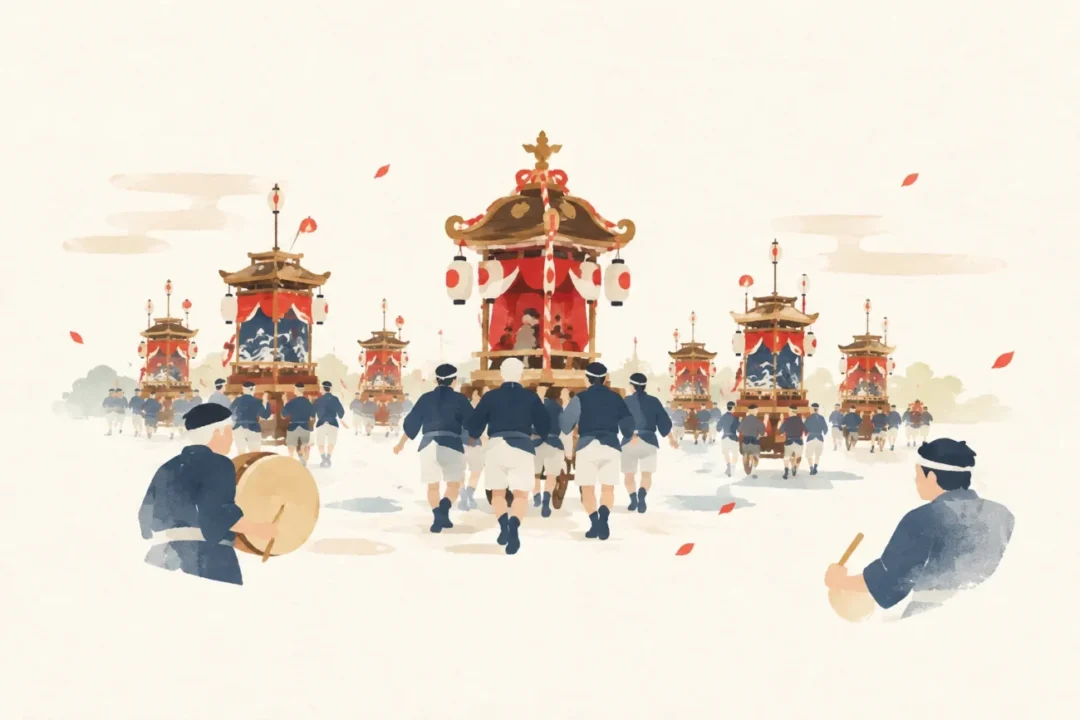
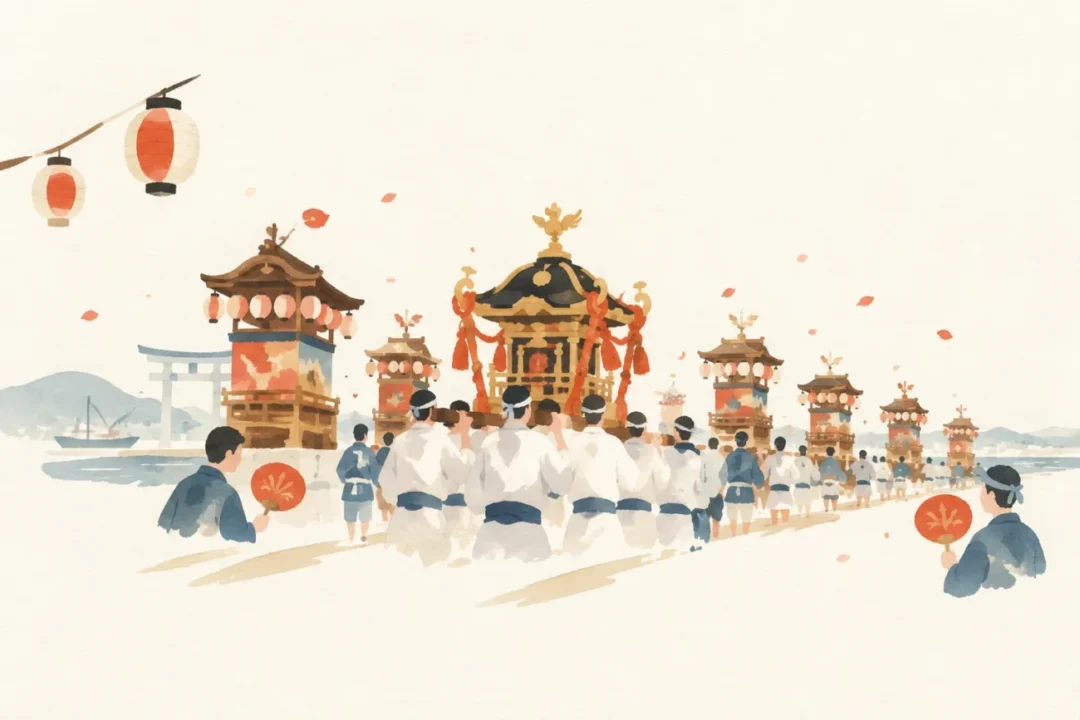
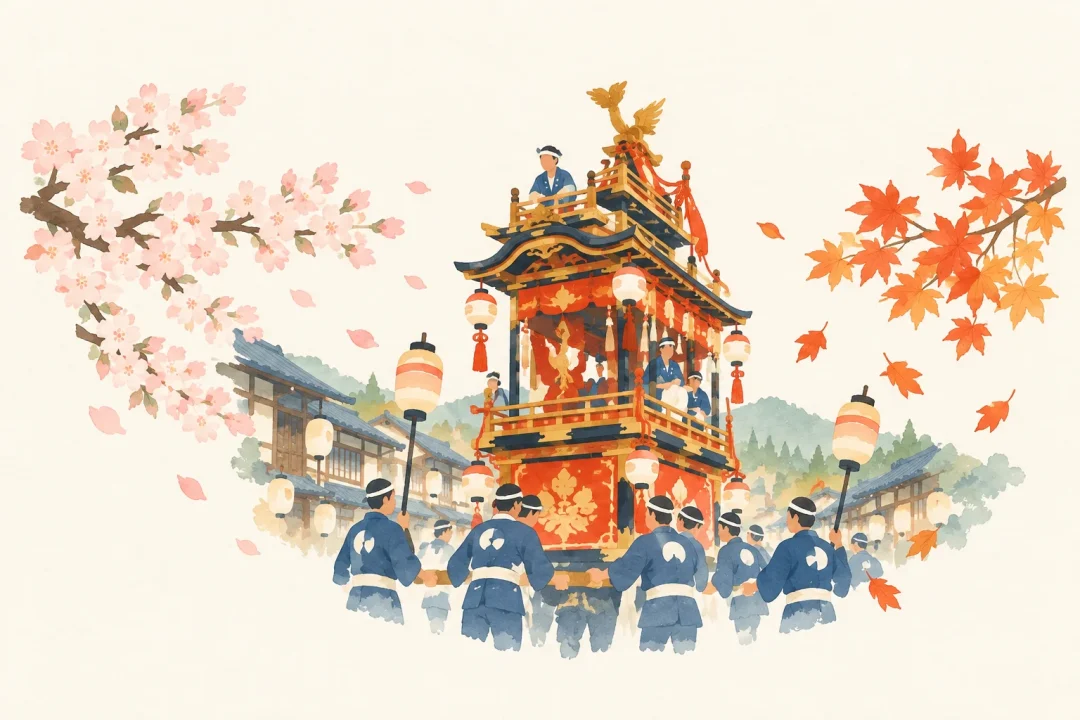
A highlight is the of Imai Nishimachi, which takes on two different appearances: a banner-decorated float by day and a lantern-lit float at night.
It features two shinoki trees approximately 15 meters tall and wheels made of camphor wood, 1 meter 50 centimeters in diameter and 50 centimeters thick.
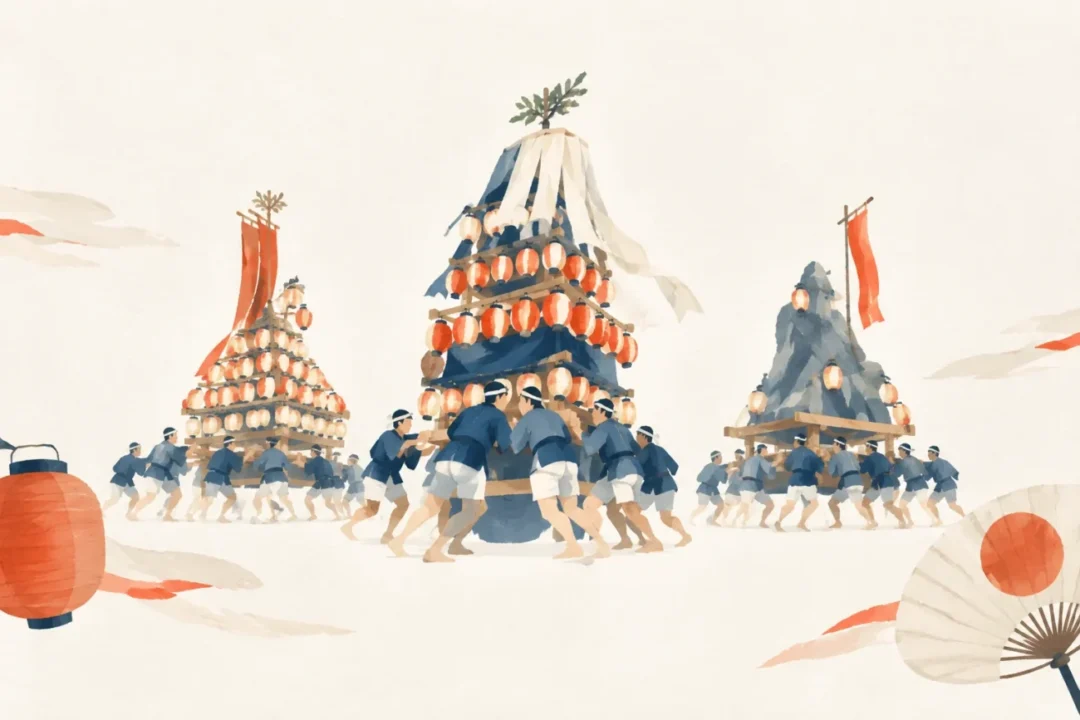
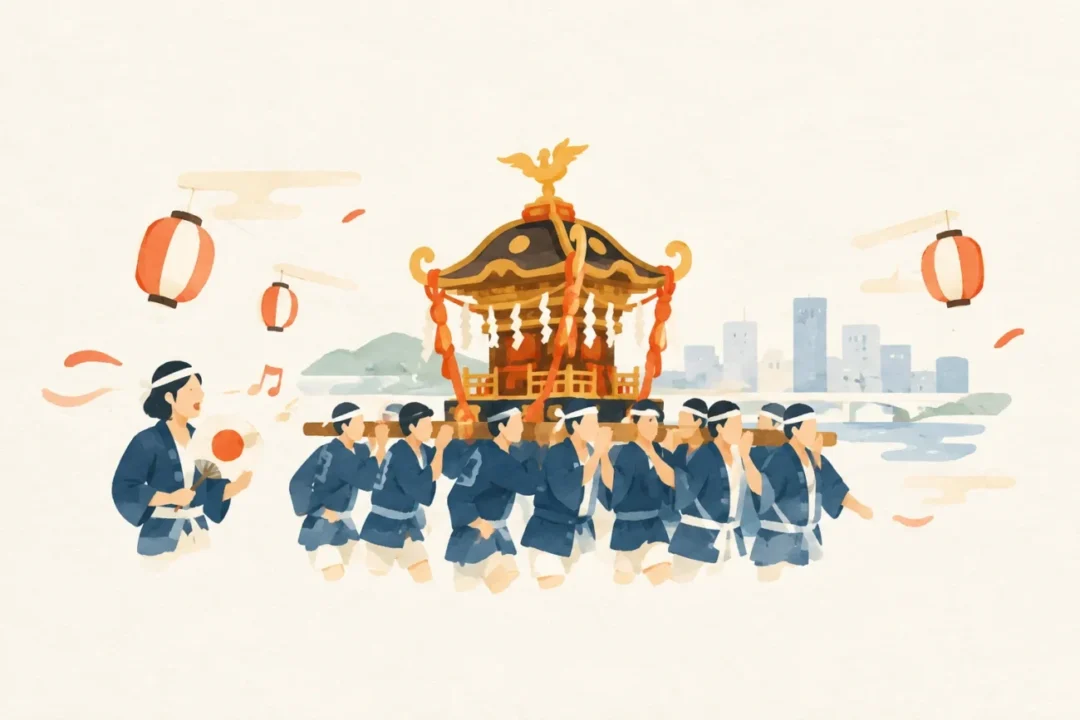
During the evening kuruma-jo renga, members of the public can join in spontaneously to compose a verse. The Motonaga Yamagasa has no wheels, and 120 people lift and carry the approximately 5.5-ton structure.
A Gion festival in Imai, Yukuhashi, where renga and dashi traditions thrive
What to expect
The event features renga, in which several people take turns composing and linking long 5-7-5-syllable verses and short 7-7-syllable verses.
The dashi include the wheeled hikiyama of Imai Nishimachi and the Motonaga Yamagasa, which is carried along in procession. At the offering ceremony, a large and the central flower of a flower parasol are offered to Susa Shrine.
Kuruma-jo renga takes place after sunset and carries on the tradition of kasa-gi renga, a form of linked verse noted for its high degree of anonymity.
How to take part
At kuruma-jo renga, members of the public can join in spontaneously to compose a verse.
Kuruma-jo renga is a format in which members of the public can join in spontaneously to compose a verse.
No information was provided about advance registration or participation fees.
Location and access
- Venue and address
Imai-tsu Susa Shrine, 1299 Motonaga, Yukuhashi City / Imai Nishi Community Center, 2144 Imai, Yukuhashi City
Address 1299 Motonaga, Yukuhashi City / 2144 Imai, Yukuhashi City
Dates and season
2026 event information (the dates listed have passed)
The 2026 event was announced as scheduled for August 1.
The evening Gion event was scheduled to begin around 5 p.m., the Motonaga Yamagasa around 6 p.m., and kuruma-jo renga around 8 p.m.
For fiscal 2026, the lantern dashi procession and decorated dashi procession were announced as canceled, and the schedule may change or the event may be canceled due to weather or other circumstances.
Accommodation and hotels PR
Showing nearby accommodation.
Prices and availability are current at the time of retrieval. For multi-night stays, only the first night’s price is shown. Confirm the final price and directions to the venue with the booking provider. Select your dates again when using the area search link. Search area: within 3 km of Central Fukuoka Prefecture / Yukuhashi City (the search is not centered on the festival venue)
Tips for your visit
For fiscal 2026, the lantern dashi procession and decorated dashi procession were announced as canceled due to major repairs to the dashi.
The schedule may change or the event may be canceled depending on weather and other circumstances.
Origins and History of Imai Gion Festival events
The Imai Gion Festival events are said to have begun in 1254, when a divided spirit from Kyoto’s Gion Shrine was welcomed.
Renga has been offered every year for approximately 500 years, since 1530, and has also been called “Renga Gion.”
The Motonaga Yamagasa was suspended following the Pacific War, but local volunteers restored it using funds, materials, and old photographs, and it was revived in the Reiwa era.
Official information
Yukuhashi City website, “Imai Gion Festival Events”
Imai Gion Festival events at a Glance
The Imai Gion Festival events originated in the Gion Festival, which was held to pray for protection from epidemics, and continue the traditions of renga, dashi, and offerings.
Highlights include a hikiyama featuring shinoki trees approximately 15 meters tall, the Motonaga Yamagasa carried by 120 people, and kuruma-jo renga, where visitors can join in spontaneously to compose a verse.
For 2026, the evening Gion event, Motonaga Yamagasa, and kuruma-jo renga were announced as scheduled for August 1, while the two dashi processions were announced as canceled.
Sources and references
Japanese Festivals.jp Editorial Team
Celebrating local culture and helping you discover a side of Japan you never knew.
Article updated: 2026/11/11