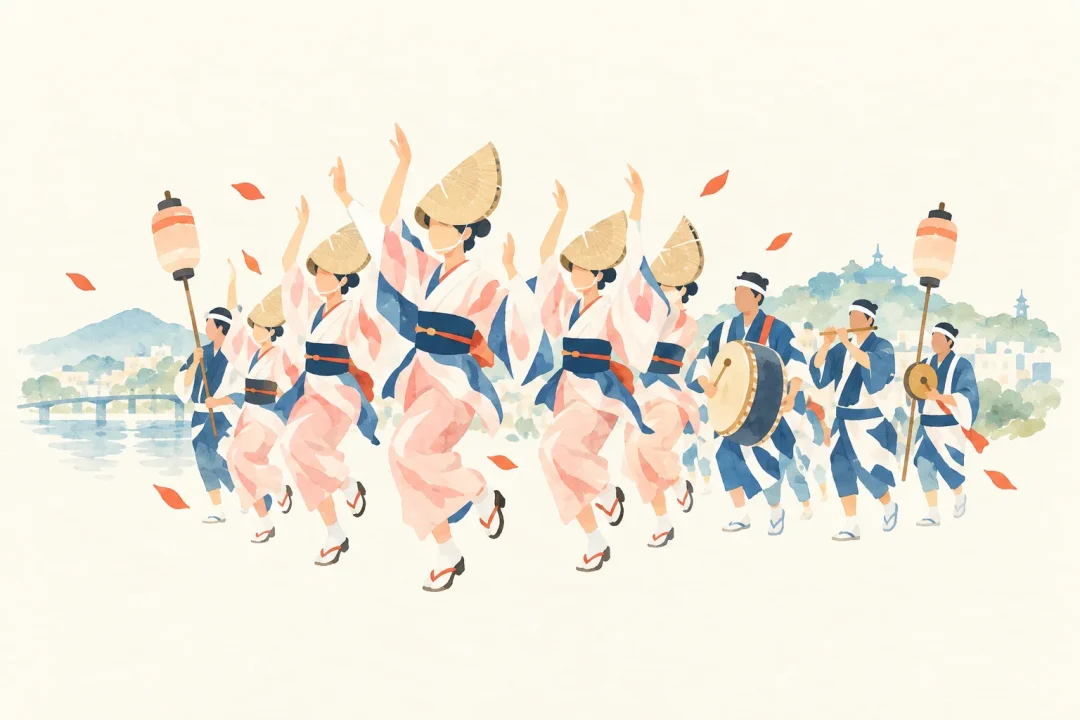
Hinata’s Shugendo tradition of yamabushi prayers and tree climbing
Hojo-bo Spring Grand Festival
Festival information
EVENT INFORMATION- Season / frequency
- Every year April 15 / Every year
- Location
- Hojo-bo (Hinata Yakushi)
- Area
- Kanagawa Prefecture・Isehara City(From Tokyo: approx. 30 min–1 h · train)Prefecture-level estimate to a main station or airport, not the venue. Airport access, check-in and onward travel are extra; remote areas and islands can take much longer.
- Highlights and activities
- Wishes behind the festival
- Last updated
- 2026/11/11
At the Hojo-bo Spring Grand Festival in Hinata, Isehara City, the Shinboku Nobori continues the prayers of Shugendo. This series of events includes a question-and-answer exchange with yamabushi, climbing a Japanese chinquapin tree, a goma fire ritual, and mochi throwing.
About Hojo-bo Spring Grand Festival
At the Hojo-bo Spring Grand Festival, the “Shinboku Nobori” (sacred tree climb) continues a ritual in which practitioners prayed for safety before and after entering the mountains.
Ryozenji, the predecessor of Hojo-bo, was a center of Hinata Shugendo and a training ground where many practitioners trained.
Today, local volunteers carry on the tradition, and the event proceeds through the yamabushi’s entrance, a question-and-answer exchange, prayers, goma fire ritual, and mochi throwing.
Festival highlights
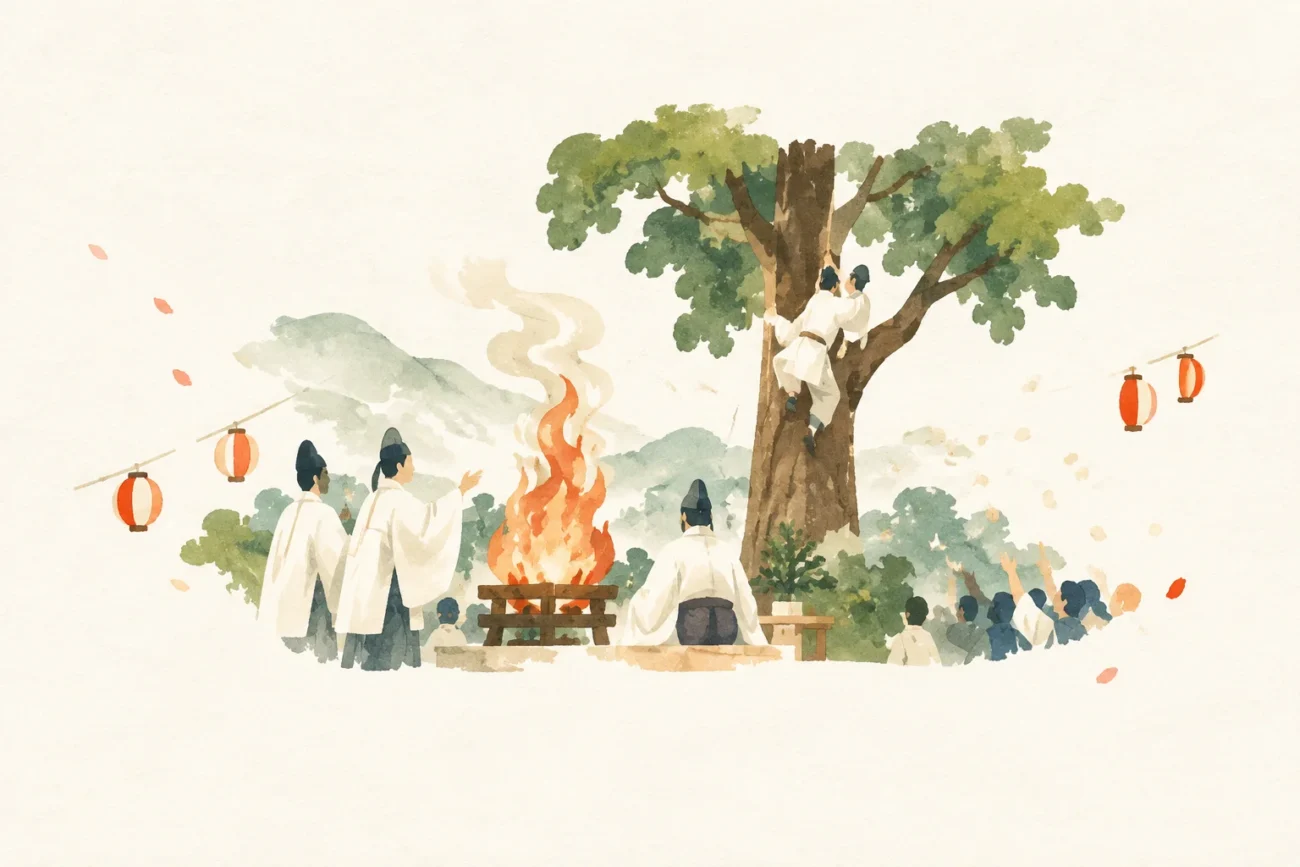
The highlight is the yamabushi climbing the Japanese chinquapin tree set up in front of the main hall and offering prayers.
Yamabushi enter while blowing conch shells and also take part in a question-and-answer exchange with yamabushi from elsewhere.
The event’s distinctive sequence includes driving away evil with a mountain sword, performing a goma fire ritual, and concluding with mochi throwing.
Hinata’s Shugendo tradition of yamabushi prayers and tree climbing
What to expect
The event begins with yamabushi entering while blowing conch shells, followed by a question-and-answer exchange with yamabushi from elsewhere.
Then they climb the Japanese chinquapin tree in front of the main hall and pray, before using a mountain sword to drive away evil.
After the goma fire ritual, mochi are thrown to conclude the event.
Location and access
- Venue and address
Hojo-bo (Hinata Yakushi) — 1644 Hinata, Isehara City
Address 1644 Hinata, Isehara City, Kanagawa Prefecture
Dates and season
- Season
Every year April 15
- Frequency
Every year
Accommodation and hotels PR
Showing nearby accommodation.
Prices and availability are current at the time of retrieval. For multi-night stays, only the first night’s price is shown. Confirm the final price and directions to the venue with the booking provider. Select your dates again when using the area search link. Search area: within 3 km of Central Kanagawa Prefecture / Isehara City (the search is not centered on the festival venue)
Origins and History of Hojo-bo Spring Grand Festival
The origins of the sacred tree climb are unclear, but it appears in the 1817 “Illustrated Guide to Famous Places in Edo,” suggesting it was already a well-known ritual at the time.
“Shigitate” ceased after the ban on Shugendo in the early Meiji period.
It was revived as “Shinboku Nobori” in 1974, and local volunteers continue to pass it on today.
Official information
Isehara City: “Shinboku Nobori at Hojo-bo (Hinata Yakushi)”
Hojo-bo Spring Grand Festival at a Glance
The Hojo-bo Spring Grand Festival features the Shinboku Nobori, a sacred tree climb rooted in Shugendo.
Its distinctive sequence includes the yamabushi’s entrance and question-and-answer exchange, climbing a Japanese chinquapin tree and praying, using a mountain sword, a goma fire ritual, and mochi throwing.
It appears in records from 1817, was interrupted by the Meiji-era ban on Shugendo, and was revived in 1974.
Sources and references
Japanese Festivals.jp Editorial Team
Celebrating local culture and helping you discover a side of Japan you never knew.
Article updated: 2026/11/11