Shimokairaden’s unusual festival, carrying a huge sacred object and praying for abundance and good fortune
Hodare Festival

The 2026 edition of Hodare Festival has ended.
Festival information
EVENT INFORMATION- Dates
- 2026/03/08Ended
- Season / frequency
- The second Sunday of March each year / Once a year
- Location
- Hodare Daijin-mae Square
- Area
- Niigata Prefecture・Nagaoka City(From Tokyo: approx. 1 h 40 min–2 h 10 min · bullet train)Prefecture-level estimate to a main station or airport, not the venue. Airport access, check-in and onward travel are extra; remote areas and islands can take much longer.
- Highlights and activities
- Wishes behind the festival
- Participation / viewing
- Open to public participation / spectators welcome
- Participation fee
- Free
- Last updated
- 2026/10/19
Held in Shimokairaden, in the Tochio area of Nagaoka City, this festival is dedicated to Hodare-sama, a dosojin (roadside deity), and features prayers for a good harvest, children, and safe childbirth. It is a distinctive local event, passed down through generations, in which a huge sacred object is carried as a .
About Hodare Festival
The Hodare Festival is held in Shimokairaden, in the Tochio area of Nagaoka City, where people pray to Hodare-sama, a dosojin (roadside deity), for bountiful harvests, children, and safe childbirth.
The festival centers on a phallic-shaped sacred object that stands 2.2 meters tall and weighs about 600 kilograms.
It is known as one of Echigo’s unusual festivals for its distinctive procession, in which a newlywed bride rides on the sacred object as it is carried.
Source: ほだれ祭|新潟のイベント|【公式】新潟県のおすすめ観光・旅行情報!にいがた観光ナビ / Hodare Festival
Festival highlights
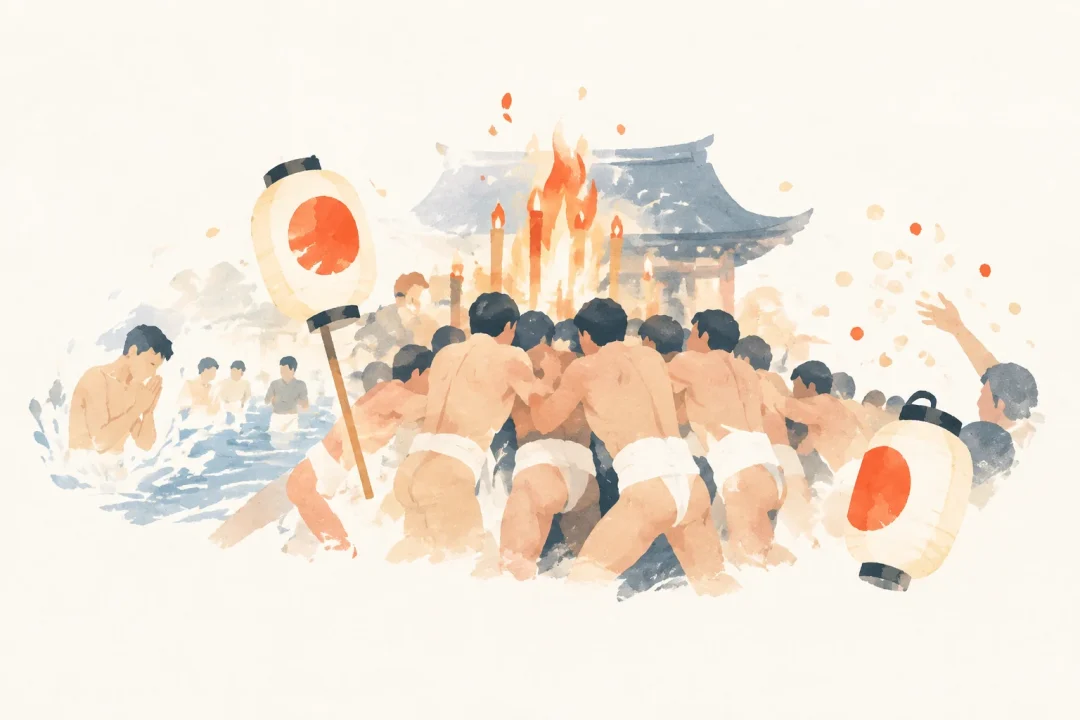
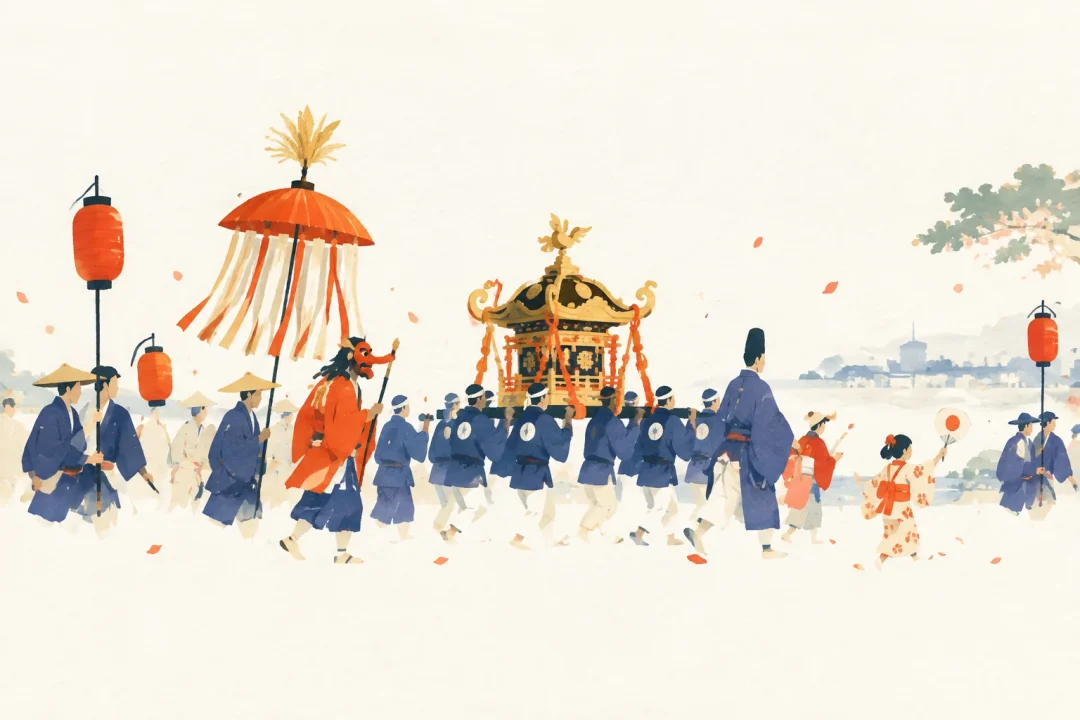
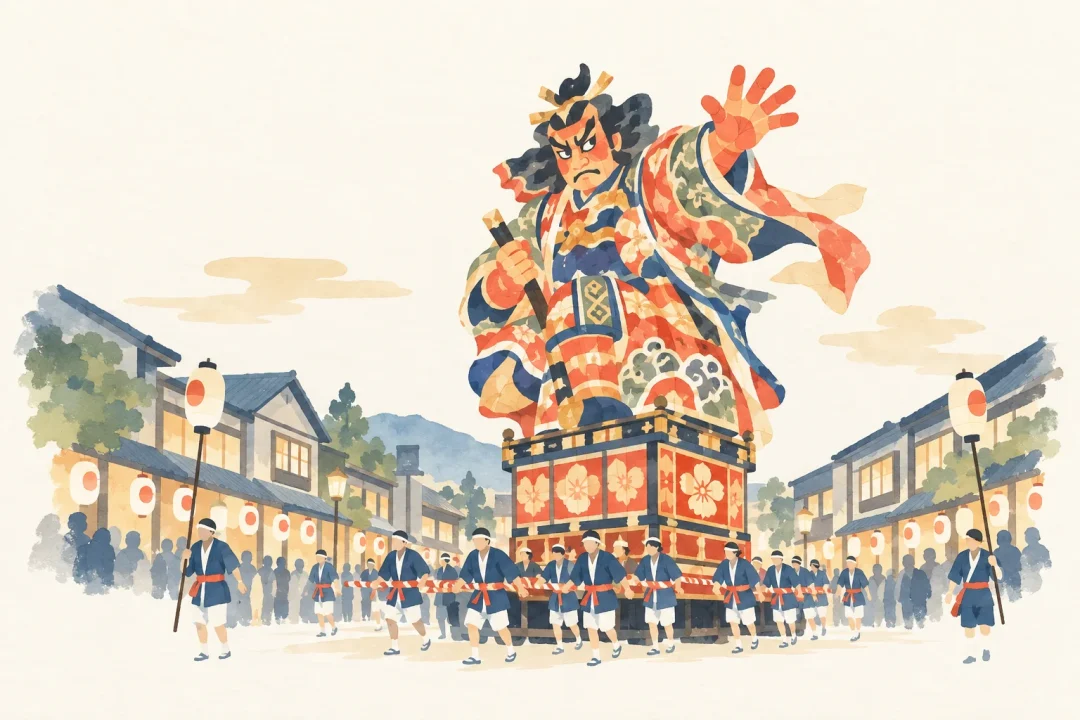
The main highlight is the procession, in which a huge sacred object is carried as a mikoshi through the district.
A distinctive feature of the festival is the sight of a newlywed bride riding on the sacred object, which stands 2.2 meters tall and weighs about 600 kilograms.
The festival includes prayers for bountiful harvests, children, and safe childbirth, and customs involving touching or riding on the sacred object are also described.
Source: ほだれ祭 - Wikipedia / ほだれ祭り|検索詳細|地域観光資源の多言語解説文データベース
Shimokairaden’s unusual festival, carrying a huge sacred object and praying for abundance and good fortune
What to expect
The festival begins around 11 a.m. and includes the dedication of specially made prayer beads by women, as well as visits and prayers by pregnant women.
Afterward, many men carry the sacred object, tied with a , out of the shrine, place it on a mikoshi, and parade it through the streets.
stalls selling food and souvenirs, offering lotteries, and making fukumochi are also set up at the venue, letting visitors enjoy both the festival rites and local activities.
How to take part
The festival is open to the general public to watch.
During the procession, women visiting the festival are invited to take part by touching or riding on the shintai.
However, the ritual held at the shrine before the procession is limited to local residents, so the extent to which visitors can participate varies by occasion.
Location and access
- Venue
Hodare Daijin-mae Square
- Address
Shimokairaden, Nagaoka City, Niigata Prefecture
Address Shimokairaden, Nagaoka City, Niigata Prefecture
Dates and season
2026 event information (the listed dates have passed)
In 2026, it was scheduled for March 8 (Sunday), from 11 a.m. to 1 p.m.
It is held on the second Sunday of March each year.
There is currently no information available to confirm whether the 2026 event has taken place.
Accommodation and hotels PR
Showing nearby accommodation.
Prices and availability are current at the time of retrieval. For multi-night stays, only the first night’s price is shown. Confirm the final price and directions to the venue with the booking provider. Select your dates again when using the area search link. Search area: within 3 km of Central Niigata Prefecture / Nagaoka City (the search is not centered on the festival venue)
Tips for your visit
The festival’s main events include a procession carrying a sacred object weighing about 600 kilograms.
If you wish to touch or ride on the sacred object, please follow the guidance provided.
The rites at the shrine before the procession are limited to local residents, so visitors should distinguish these from the parts they can take part in and observe accordingly.
Nearby attractions
Nearby attractions around the festival venue include the Raiden Tenjin Prayer Festival for Success, Kuriyamasawa Weeping Cherry Blossoms, and Kido Shrine.
If you’d like to explore local products from the Tochio area, the roadside station “R290 Tochio,” its local products shop, and Tochio temari are also options.
These are listed as nearby spots within Nagaoka City, the same city where the festival is held.

国営越後丘陵公園
新潟県長岡市にある国営公園

宝徳山稲荷大社
長岡市にある神社

悠久山公園
新潟県長岡市にある都市公園

新潟県立歴史博物館
新潟県長岡市にある博物館

長岡市馬高縄文館
新潟県の博物館・美術館のスポットです。
写真:photo: Qurren ( talk ) Taken with Canon IXY 430F (Digital IXUS 245 HS) / CC BY-SA 3.0
Photo source ·Origins and History of Hodare Festival
The origins of the Hodare Festival are said to date back to the Edo period.
According to information from Nagaoka City, villagers gathered even then and paraded the sacred object through the village to the sounds of conch shells and drums.
Later, hoping to revitalize the area as its population declined, the local youth association started the festival around 1979. By 2024, it had been held 45 times.
Official information
For inquiries, contact the Tochio Tourism Association, a general incorporated association.
Details about the festival are available on the Tochio Tourism Association’s official website under “Hodare Festival.”
Nagaoka City’s tourism and traditional events page also lists the venue, event date and time, and transportation information.
Hodare Festival at a Glance
The Hodare Festival is a traditional event centered on Hodare-sama, a dosojin (roadside deity) in Shimokairaden, where people pray for abundant harvests, children, and safe childbirth.
The procession carrying a sacred object weighing about 600 kilograms as a mikoshi has become an iconic sight of the festival.
Learn about the difference between the rites at the shrine and the procession, which visitors can also watch, and enjoy the event while respecting local beliefs and the flow of the rituals.
Japanese Festivals.jp Editorial Team
Celebrating local culture and helping you discover a side of Japan you never knew.
Article updated: 2026/10/19
Submit information or a correction Submit photos of this festival