A Buddhist observance in Hagura, held twice a year in spring and fall
Hagura no Okōbutsu-sama
Festival information
EVENT INFORMATION- Season / frequency
- Spring and fall (twice a year) / Twice a year
- Location
- The valleys of the 6 districts in the Hagura area (taking turns as hosts)
- Area
- Hiroshima Prefecture・Mihara City(From Tokyo: approx. 3 h 50 min–4 h 20 min · bullet train)Prefecture-level estimate to a main station or airport, not the venue. Airport access, check-in and onward travel are extra; remote areas and islands can take much longer.
- Highlights and activities
- Last updated
- 2026/11/11
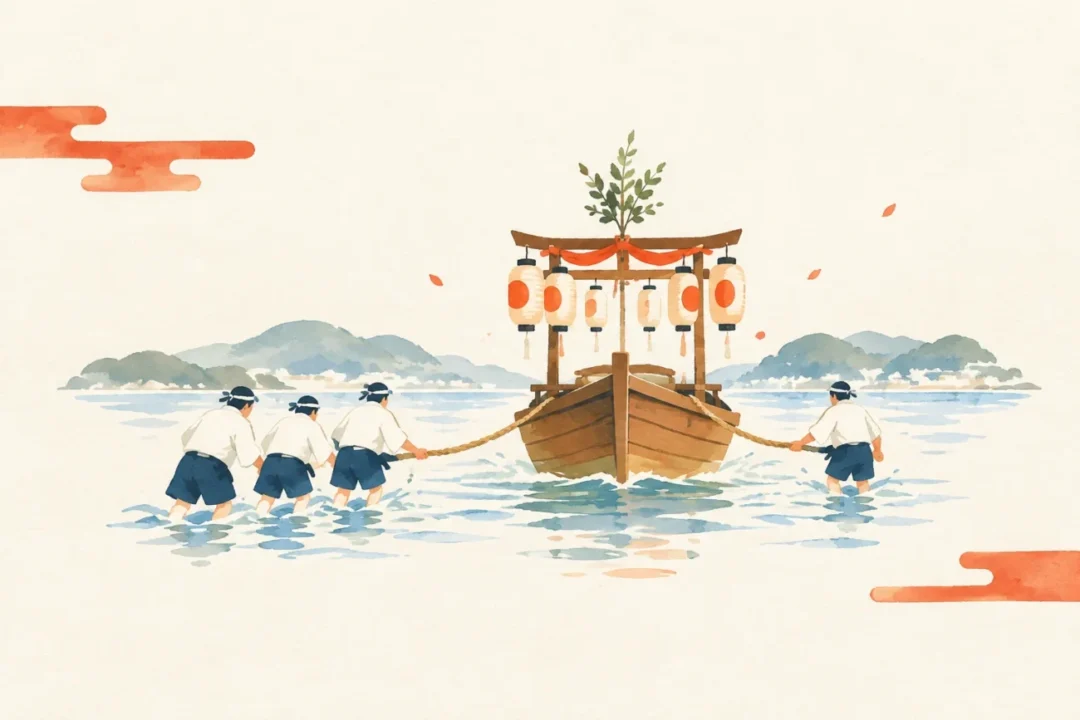
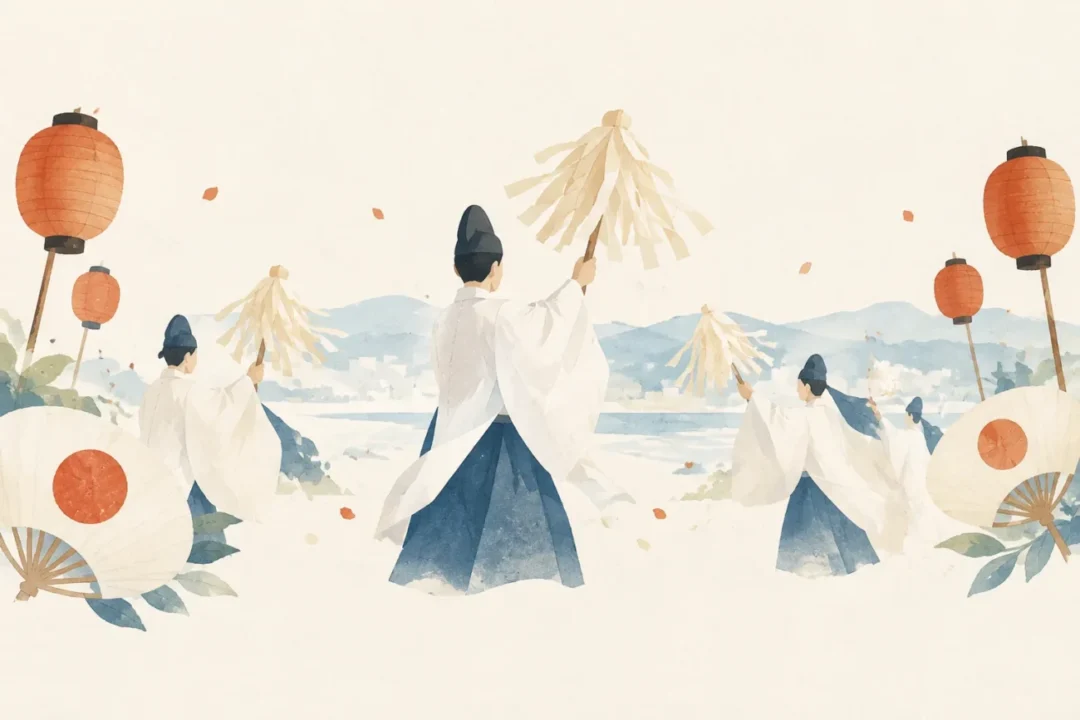
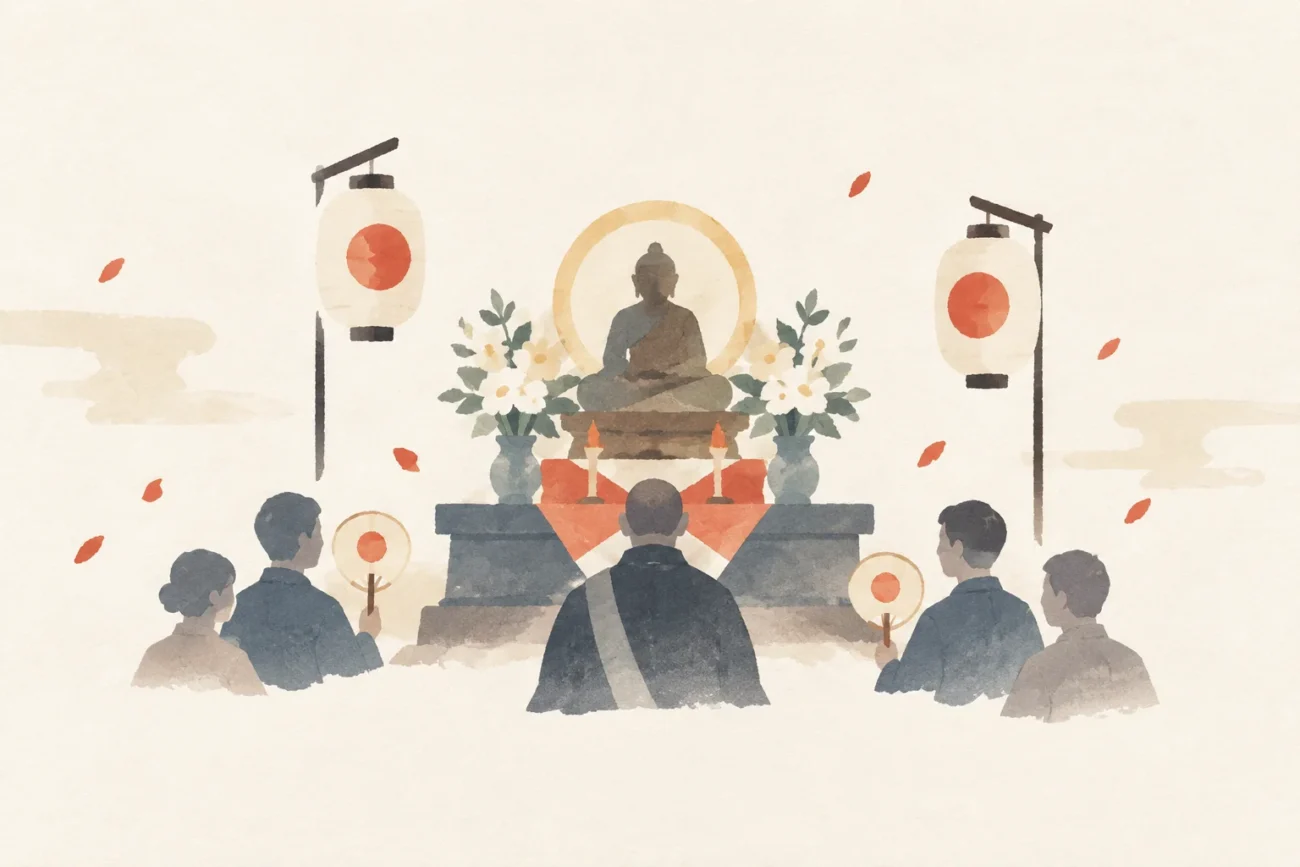
Hagura no Okōbutsu-sama is a Buddhist observance in the Hagura area that dates back to the Edo period. The 6 districts take turns hosting a local Buddhist service in spring and fall.
About Hagura no Okōbutsu-sama
Hagura no Okōbutsu-sama is a Buddhist observance passed down in the Hagura area.
It has been traditionally carried on by local people from the Edo period to the present day.
From around the end of the Edo period, the 6 districts have taken turns hosting a local Buddhist service twice a year, in spring and fall.
Festival highlights
A key feature is that the 6 districts in the Hagura area take turns hosting the event.
A Buddhist service is held in both spring and fall, making this a community tradition that is not confined to a single location.
Its designation by the city as an intangible folk cultural property and its classification as a folk performing art are also cultural points of interest.
A Buddhist observance in Hagura, held twice a year in spring and fall
What to expect
For the event, the valleys of the 6 districts in the Hagura area take turns hosting a local Buddhist service.
Its background lies in the Tanigoza, which was held enthusiastically from the middle of the Edo period.
It is evident that local people have carried on their Buddhist faith and continued holding the service twice a year, in spring and fall.
How to take part
The event is generally not open to the public.
Since it is not possible to give a blanket answer about whether the public may participate or watch, anyone wishing to attend should check the local arrangements.
Location and access
- Venue and address
Hagura, Kui-cho, Mihara City (the 6 districts in the Hagura area take turns hosting)
- Train and bus
About 18 km north of JR Mihara Station
Address Hagura, Kui-cho, Mihara City
Dates and season
It is held twice a year, every year, in spring and fall.
The valleys of the 6 districts take turns hosting a local Buddhist service.
No specific dates or times have been announced.
Accommodation and hotels PR
Showing nearby accommodation.
Prices and availability are current at the time of retrieval. For multi-night stays, only the first night’s price is shown. Confirm the final price and directions to the venue with the booking provider. Select your dates again when using the area search link. Search area: within 3 km of Central Hiroshima Prefecture / Mihara City (the search is not centered on the festival venue)
Tips for your visit
The event is generally not open to the public.
If you are considering attending, do not treat it as an event open to the general public; check the local arrangements regarding public access.
Nearby attractions

広島県立中央森林公園
広島県三原市にある森林公園
Origins and History of Hagura no Okōbutsu-sama
In the Hagura area, the Tanigoza was held enthusiastically from the middle of the Edo period.
Around the end of the Edo period, it developed into a local Buddhist service held twice a year, in spring and fall, with 6 districts taking turns as hosts.
The Hongwanji learned of the community’s dedication, sincerity, and perseverance, and the group came to receive commendations from the head temple in Kyoto, including an honorary title, a letter of commendation, and rules.
Official information
Mihara City’s cultural property materials introduce Hagura no Okōbutsu-sama as a city-designated intangible folk cultural property.
The same source also provides the location, public access status, transportation information, origins, and history.
Hagura no Okōbutsu-sama at a Glance
Hagura no Okōbutsu-sama is a Buddhist observance in the Hagura area that dates back to the Edo period.
The valleys of 6 districts take turns hosting a local Buddhist service twice a year, in spring and fall.
It is designated by the city as an intangible folk cultural property and is generally not open to the public.
Sources and references
Japanese Festivals.jp Editorial Team
Celebrating local culture and helping you discover a side of Japan you never knew.
Article updated: 2026/11/11