Ninomiya’s traditions of welcoming the ancestors through sand mounds and Bon Odori
Obon
Festival information
EVENT INFORMATION- Season / frequency
- Around August 13 / Every year during the season
- Location
- Households and communities throughout Ninomiya Town
- Area
- Kanagawa Prefecture・Ninomiya Town(From Tokyo: approx. 30 min–1 h · train)Prefecture-level estimate to a main station or airport, not the venue. Airport access, check-in and onward travel are extra; remote areas and islands can take much longer.
- Wishes behind the festival
- Last updated
- 2026/10/19
Ninomiya Town’s Obon is a summer folk tradition that reflects the community’s spirit of welcoming ancestors through practices such as making sand mounds by the entrance and passing down .
About Obon
“Obon” in Ninomiya Town is a folk event that includes household customs observed in the lead-up to Obon and Bon Odori passed down in the community.
Around August 13, sand mounds are made by the entrances to welcome the ancestors.
Sand mounds have different local names, such as “morisuna,” “tsuji,” and “Mount Fuji,” and their shapes and decorations vary from household to household.
Source: 民俗・伝統行事 | 二宮町
Festival highlights
A highlight is the variety of sand mounds set up by household entrances.
Some are made by putting sand in a box, some by piling it beneath the post at the entrance, and others by coating and hardening it with mud. In some cases, they are decorated with straw horses, Buddhist flowers, taro leaves, eggplants, and other items.
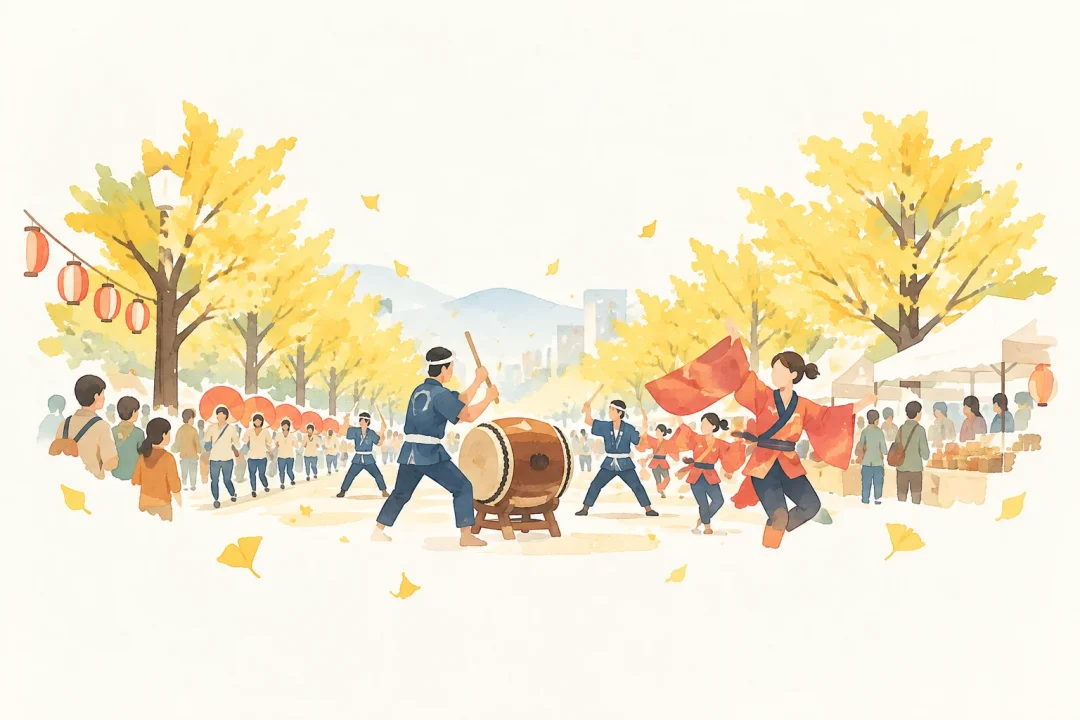
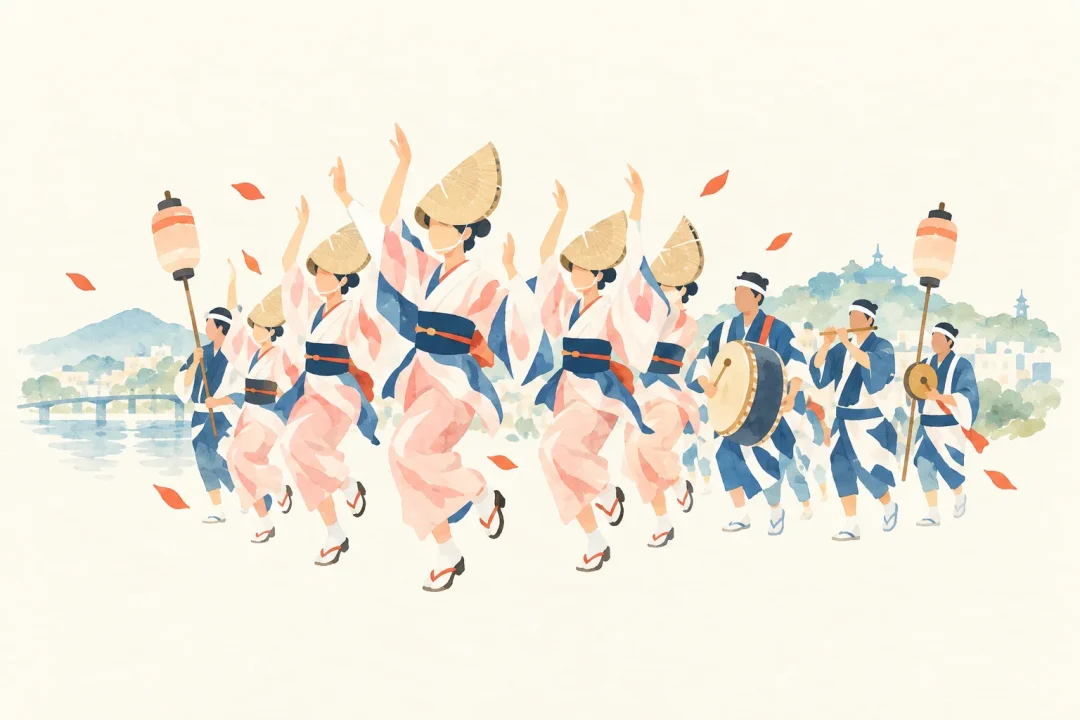
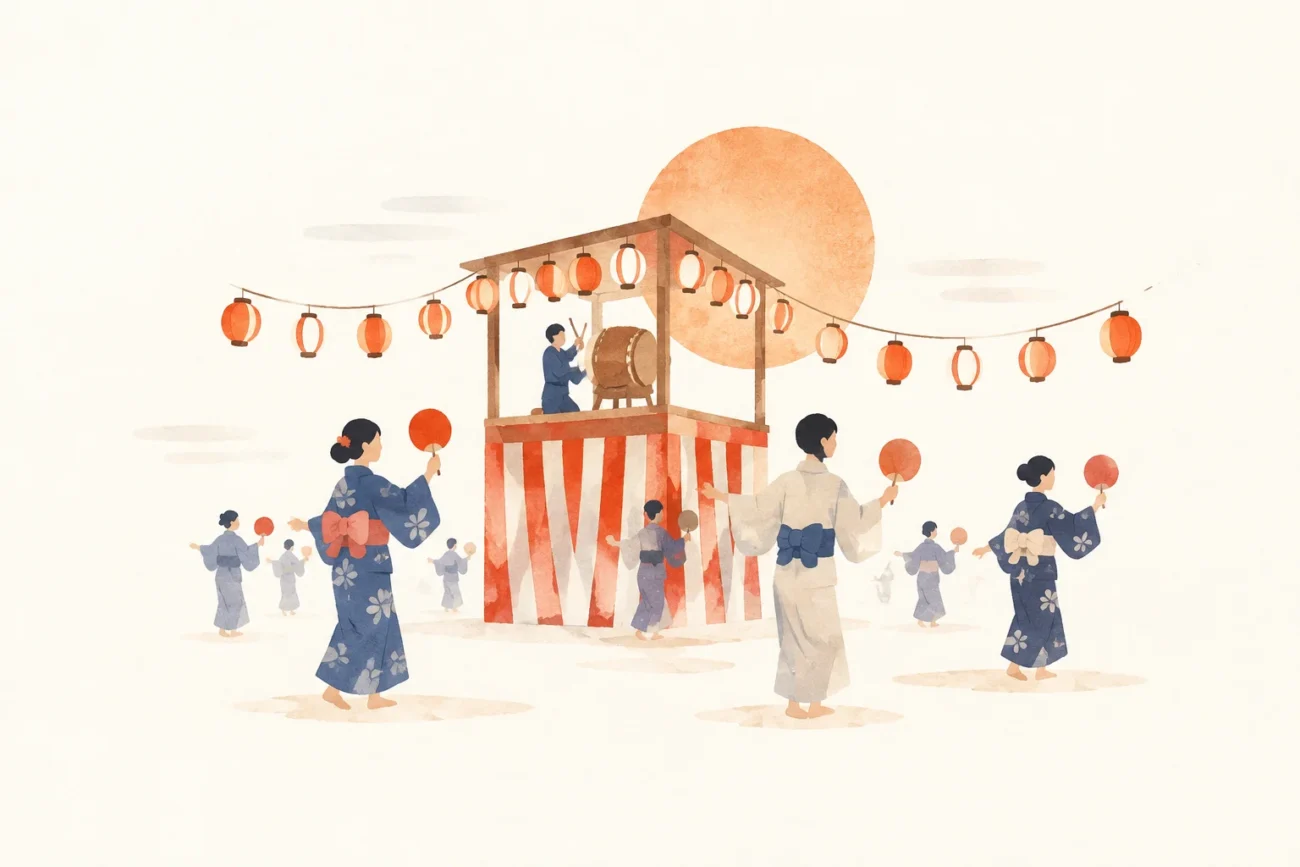
There are also records of dance songs passed down since around the end of the Meiji era being sung on Bon nights, linking local life with honoring the ancestors.
Ninomiya’s traditions of welcoming the ancestors through sand mounds and Bon Odori
What to expect
During the Obon season, each household piles sand by its entrance and adds flowers, leaves, eggplants, and other items to welcome the ancestors.
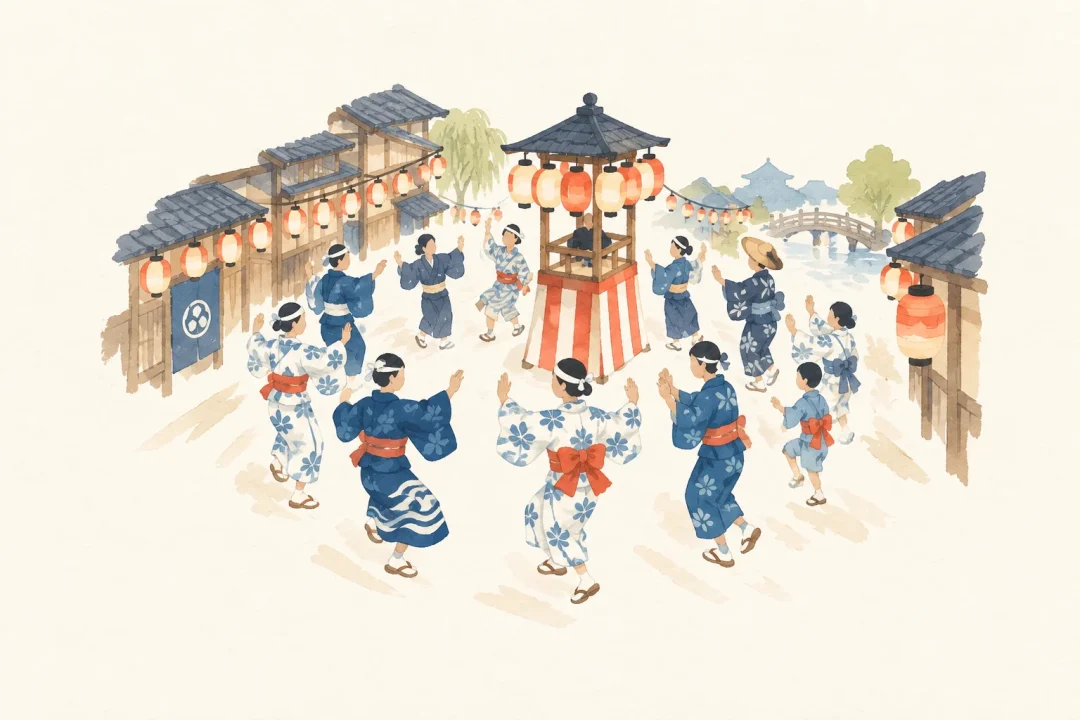
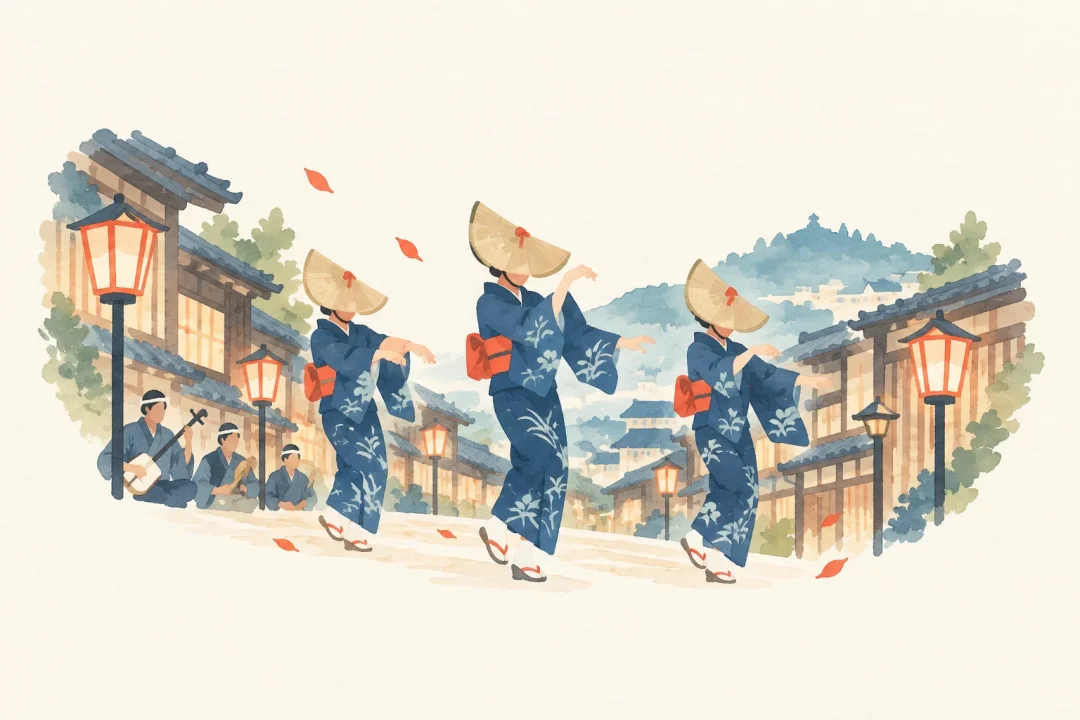
In the past, girls would sing and dance in kimono, sometimes stopping in front of homes observing their first Obon after a death.
The dance is said to have been developed and spread by someone who brought it from Shitamachi to Nakazato, and is one example of local culture associated with Obon.
How to take part
Sand mounds are an Obon custom made by individual households; they are not presented as an event in which visitors generally participate together.
Records tell of local girls once singing and dancing Bon Odori.
Check the event information for details on whether the public can participate now and whether any opportunities to join are open to visitors.
Location and access
- Venue
Households and communities throughout Ninomiya Town
Event venue 神奈川県二宮町 二宮町内の各家
This map uses the venue name. Check the official guide for the event area and entrances.
Dates and season
- Season
Around August 13
- Frequency
Every year during the Obon season
Accommodation and hotels PR
Showing nearby accommodation.
Prices and availability are current at the time of retrieval. For multi-night stays, only the first night’s price is shown. Confirm the final price and directions to the venue with the booking provider. Select your dates again when using the area search link. Search area: within 3 km of Central Kanagawa Prefecture / Ninomiya Town (the search is not centered on the festival venue)
Origins and History of Obon
Ninomiya’s Bon Odori is said to have been performed in the three streets of the town toward the end of the Meiji era.
On Bon nights, girls wearing long-sleeved kimono would sing and dance, visiting homes observing their first Obon after a death.
Later, no one remained in the original area who remembered the dance. A person who moved from Shitamachi to Nakazato is said to have added dance movements and spread it.
Official information
The “Folk Customs and Traditional Events” section of the Ninomiya Town official website introduces Obon customs passed down in Ninomiya, including sand mounds and Bon Odori songs.
The shape and decorations of the sand mounds, along with traditions surrounding Bon Odori, offer clues to local customs.
Obon at a Glance
Ninomiya Town’s Obon is an event that offers a sense of the local culture of welcoming the ancestors, through sand mounds made by households around August 13 and memories of Bon Odori passed down in the community.
Sand mounds vary in form, including box-shaped ones and those hardened with mud, and their decorations reflect the character of each area and household.
Bon Odori traditions in Ninomiya date back to around the end of the Meiji era, offering insight into the town’s folk culture.
Japanese Festivals.jp Editorial Team
Celebrating local culture and helping you discover a side of Japan you never knew.
Article updated: 2026/10/19
Submit information or a correction Submit photos of this festival