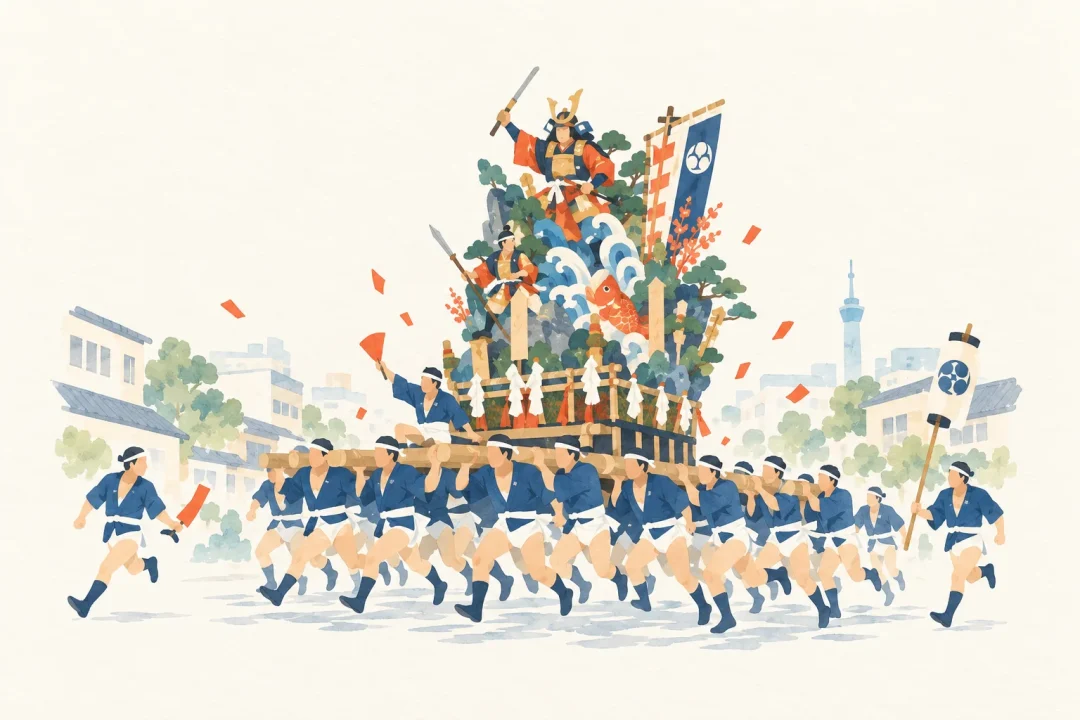
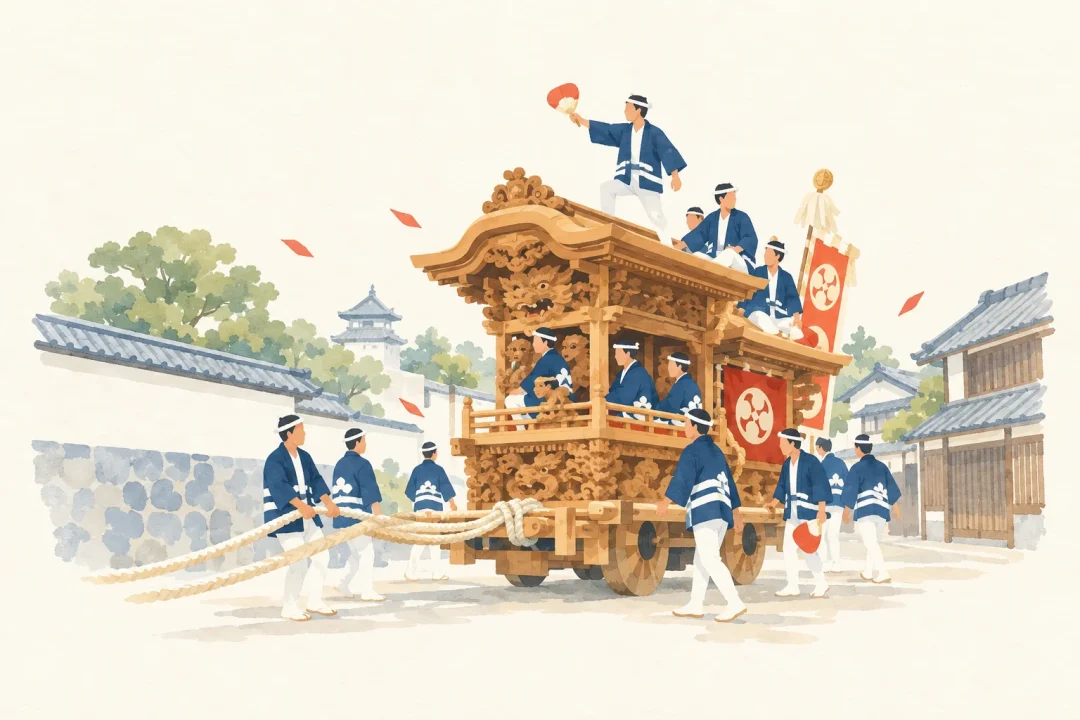
The Ta no Kami Festival: children’s mikoshi chants ring out across the village after rice planting
Ta no Kami Festival

Festival information
EVENT INFORMATION- Season / frequency
- Late May–early July
- Location
- Within Obama City and Wakasa Town (15 settlements in the Kitagawa River basin, Kaminaka area of Wakasa Town)
- Area
- Fukui Prefecture・Obama City(From Tokyo: approx. 2 h 50 min–3 h 20 min · bullet train)Prefecture-level estimate to a main station or airport, not the venue. Airport access, check-in and onward travel are extra; remote areas and islands can take much longer.
- Features
- Highlights and activities
- Last updated
- 2026/11/11
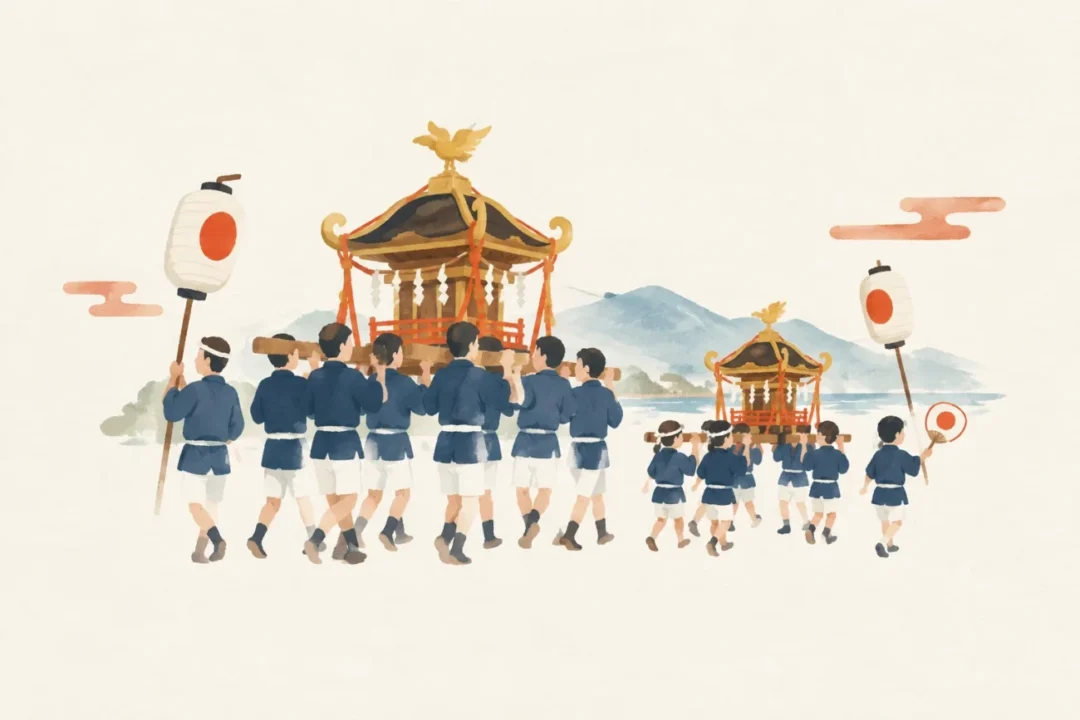
A traditional event held in communities after rice planting, in which children carry the through houses and rice fields, calling out distinctive chants as they go.
About Ta no Kami Festival
The Ta no Kami Festival is an event passed down in the Kitagawa River basin, from within Obama City to the Kaminaka area of Wakasa Town, to celebrate the successful completion of rice planting.
The children take center stage, and in some settlements the event is also called “Yasumunagyo.”
The festival is carried on in several settlements and is held in connection with local farming activities.
Festival highlights
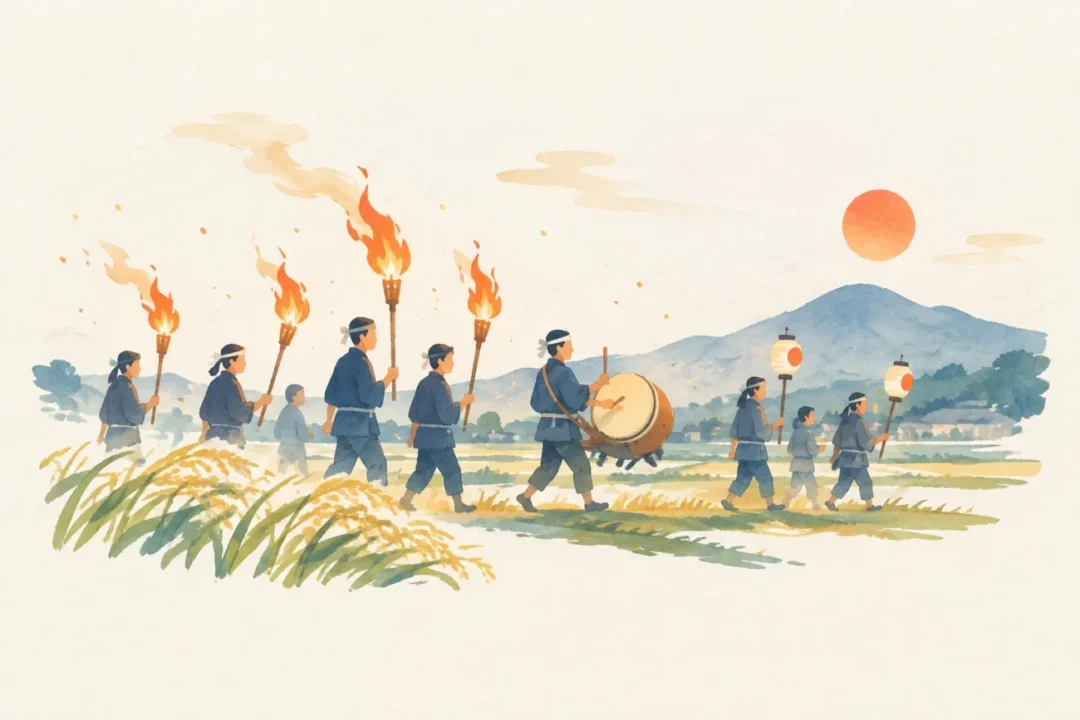
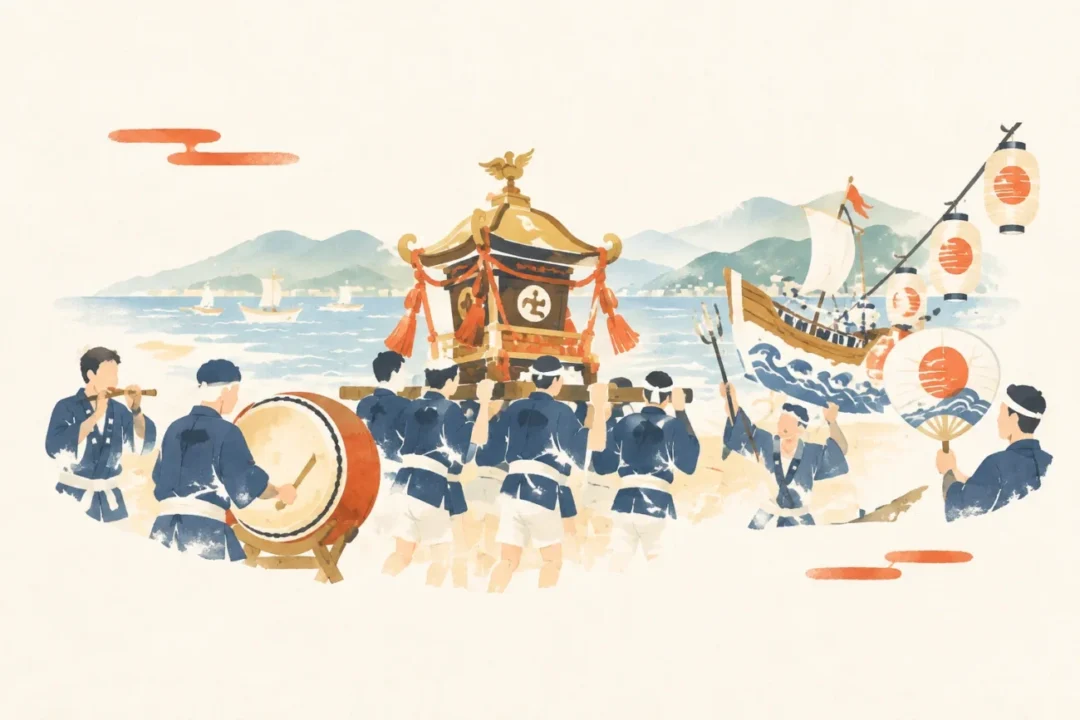
A highlight is watching children carry the mikoshi through houses and rice fields, calling out distinctive chants as they go.
Chants such as “Sanyo-re, sanyo-re” shape the impression of the event.
The festival’s distinctive character lies in its route through the settlement’s daily life and rice fields, rather than remaining within the .
The Ta no Kami Festival: children’s mikoshi chants ring out across the village after rice planting
What to expect
During the event, children carry the mikoshi through their settlement, calling out distinctive chants as they go.
The mikoshi visits houses and rice fields to celebrate this milestone for the community after rice planting is complete.
It is held in 15 settlements along the Kitagawa River basin, from within Obama City to the Kaminaka area of Wakasa Town. In some settlements, it is also called “Yasumunagyo.”
Location and access
- Venue and address
Within Obama City and Wakasa Town (15 settlements in the Kitagawa River basin, Kaminaka area of Wakasa Town)
Event venue 福井県小浜市 若狭町内
This map uses the venue name. Check the official guide for the event area and entrances.
Dates and season
- Season
Late May–early July
Accommodation and hotels PR
Showing nearby accommodation.
Prices and availability are current at the time of retrieval. For multi-night stays, only the first night’s price is shown. Confirm the final price and directions to the venue with the booking provider. Select your dates again when using the area search link. Search area: within 3 km of Central Fukui Prefecture / Obama City (the search is not centered on the festival venue)
Nearby attractions

山川登美子記念館
福井県小浜市にある文学館

御食国若狭おばま食文化館
福井県小浜市にある博物館

福井県立若狭歴史博物館
福井県小浜市にある博物館
Origins and History of Ta no Kami Festival
Many of Obama City’s traditional events are still held at the settlement level. The Ta no Kami Festival and children’s mikoshi are introduced as events that have been preserved along the Kitagawa River.
Passed down alongside local life, these events are said to foster strong community ties.
By carrying the mikoshi from house to house and out to the rice fields at the turning point of the rice-planting season, the event keeps alive the connection between farming and the local community.
Official information
Fukui Prefecture’s “Fukui Shiki no Shiawase Tsuzuri” introduces the timing, area, and details of the Ta no Kami Festival and children’s mikoshi.
Ta no Kami Festival at a Glance
The Ta no Kami Festival celebrates the successful completion of rice planting. Children carry the mikoshi through houses and rice fields.
It is held in 15 settlements along the Kitagawa River basin, from within Obama City to the Kaminaka area of Wakasa Town, and distinctive chants and settlement-specific names have been passed down.
It is usually held from late May to early July.
Japanese Festivals.jp Editorial Team
Celebrating local culture and helping you discover a side of Japan you never knew.
Article updated: 2026/11/11