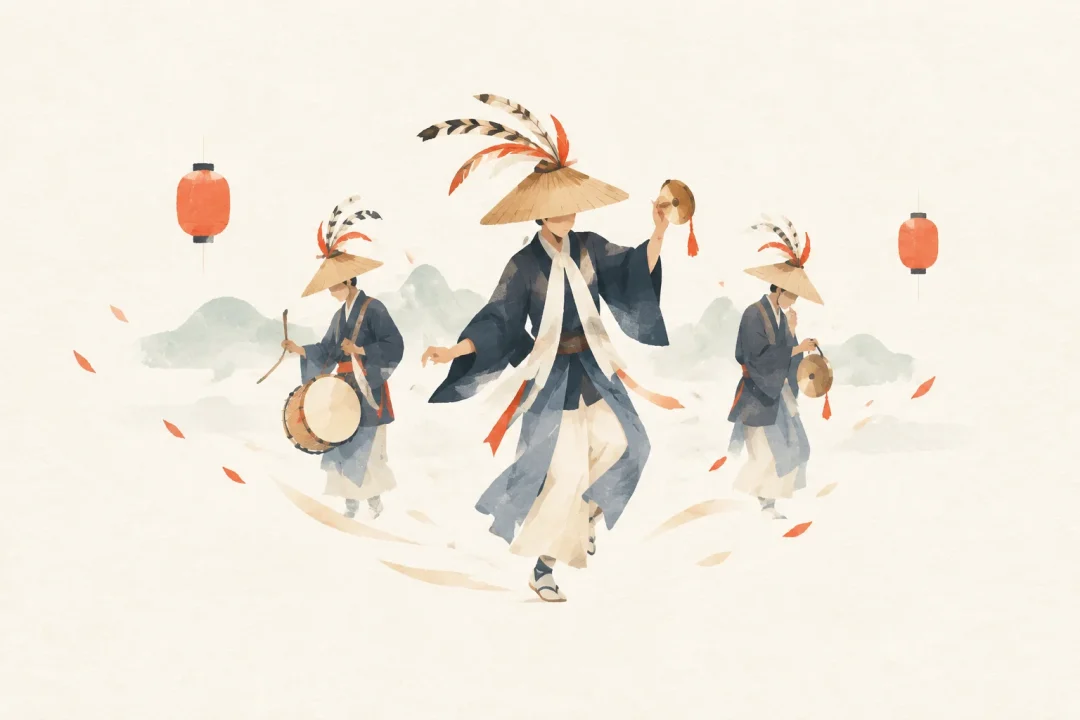
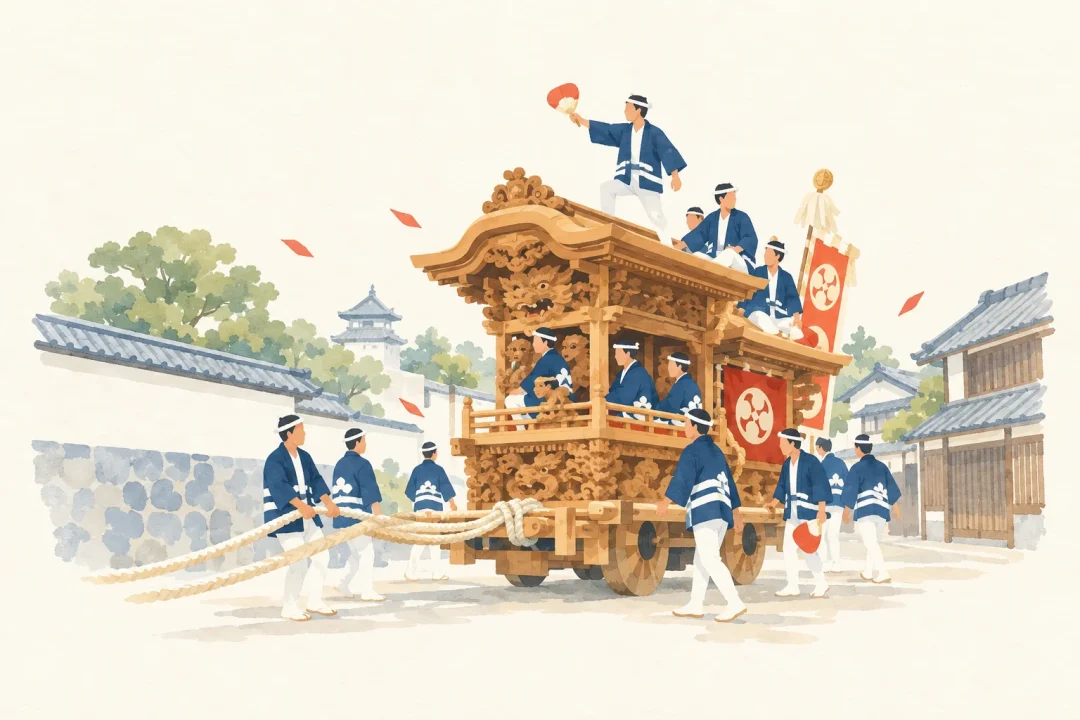
The Sannō festival handed down in Uto, where people process through the settlement with sake bottles
Sano Sannō Festival (Sannō-san Festival)
Festival information
EVENT INFORMATION- Season / frequency
- Day of the Monkey in lunar calendar: November
- Location
- Sano Sannō Shrine
- Area
- Kumamoto Prefecture・Uto City(From Tokyo: approx. 1 h 50 min–2 h 10 min · flight time only)Prefecture-level estimate to a main station or airport, not the venue. Airport access, check-in and onward travel are extra; remote areas and islands can take much longer.
- Highlights and activities
- Wishes behind the festival
- Last updated
- 2026/11/11
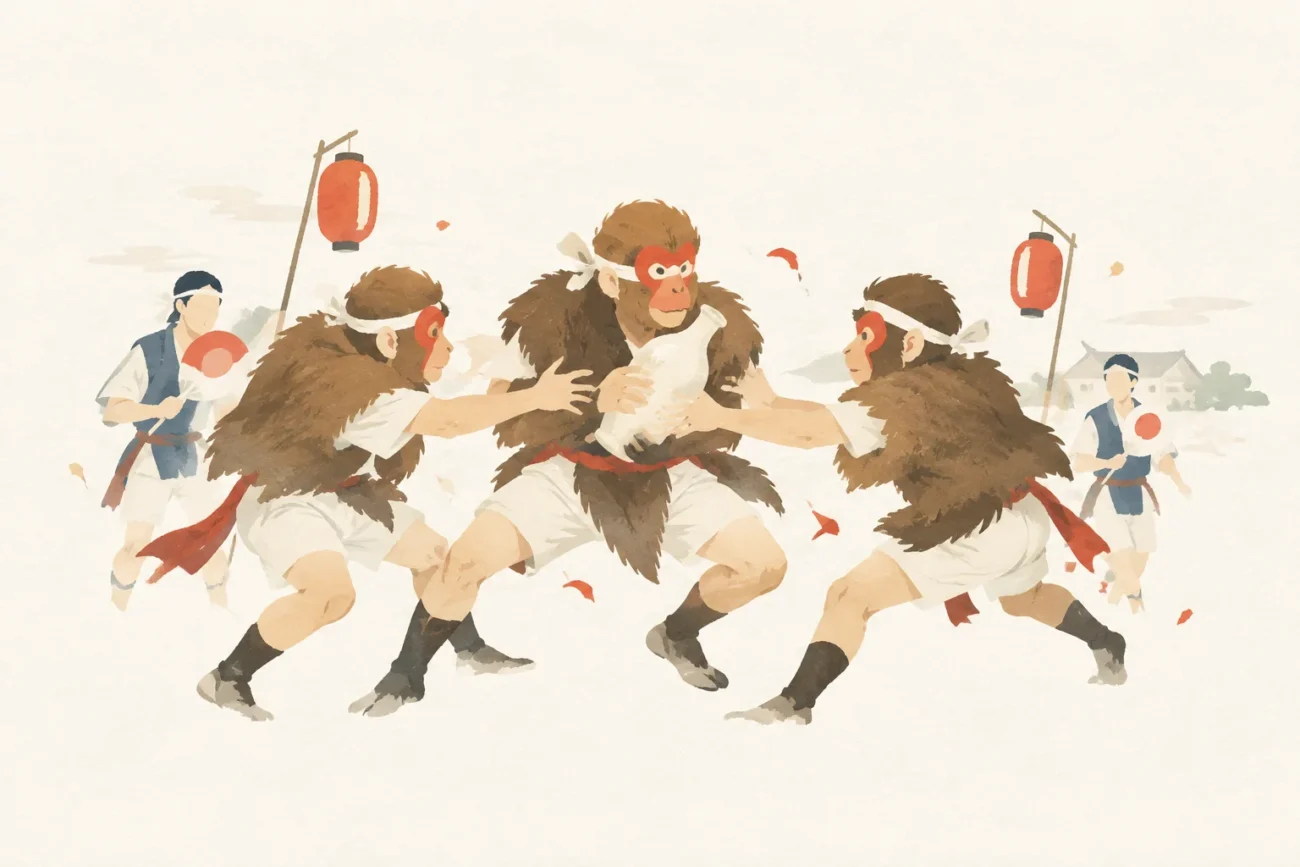
A festival handed down at Sano Sannō Shrine in Hanazono-machi, Uto City, where young people dressed as monkeys compete for sake bottles and process through the settlement.
About Sano Sannō Festival (Sannō-san Festival)
The Sano Sannō Festival is a festival handed down at Sano Sannō Shrine in Hanazono-machi, Uto City. It is also called the “Sannō-san Festival” or the “Amazake Festival.”
It is said to have a 700-year history and has been held on the Day of the Monkey in lunar calendar: November.
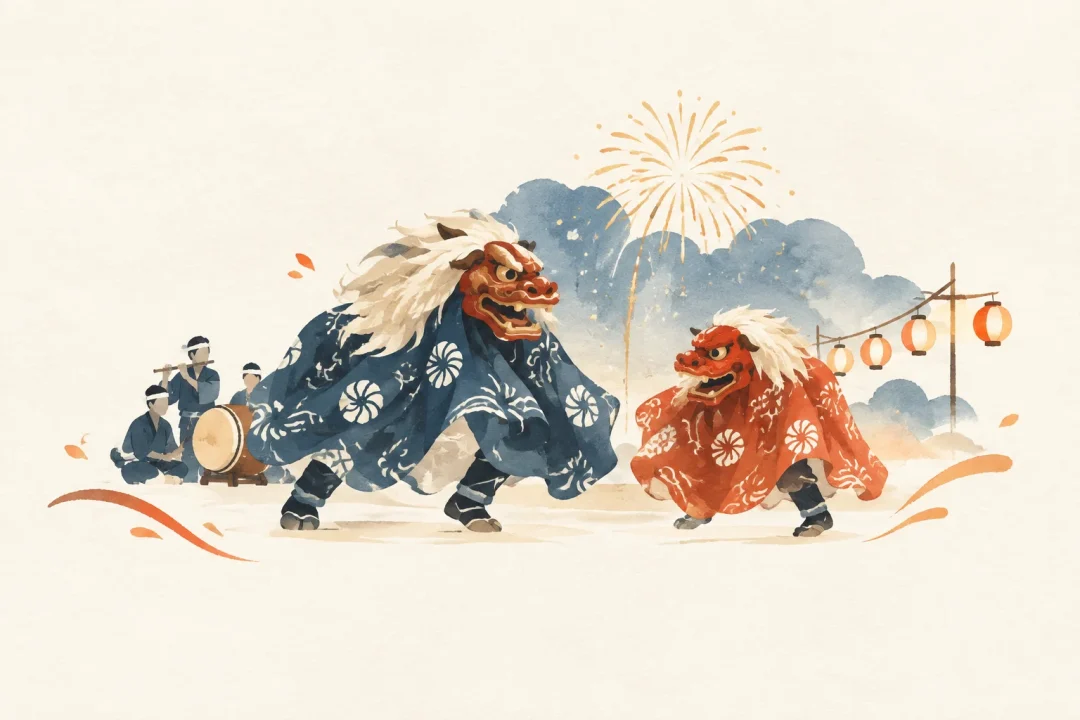
Young people dressed as monkeys process through the settlement, performing ritual actions involving the sake bottles.
Festival highlights
A highlight is the moment when young people dressed as monkeys compete for the sake bottles, calling out “Horai, Horai!”
They process through the settlement, splashing sake on one another, and finally throw the empty bottles away from the mountaintop.
This distinctive festival brings together the contest over the bottles and the procession in one continuous sequence.
The Sannō festival handed down in Uto, where people process through the settlement with sake bottles
What to expect
First, young people dressed as monkeys gather at Sannō Shrine and call out, “Horai, Horai!”
They compete for the sake bottles and process through the settlement, splashing sake on one another.
Finally, they throw the empty bottles away from the mountaintop.
Location and access
- Venue and address
Sano Sannō Shrine (Hanazono-machi, Uto City)
Address Hanazono-machi, Uto City
Dates and season
- Season
Day of the Monkey in lunar calendar: November
Accommodation and hotels PR
Showing nearby accommodation.
Prices and availability are current at the time of retrieval. For multi-night stays, only the first night’s price is shown. Confirm the final price and directions to the venue with the booking provider. Select your dates again when using the area search link. Search area: within 3 km of Central Kumamoto Prefecture / Uto City (the search is not centered on the festival venue)
Origins and History of Sano Sannō Festival (Sannō-san Festival)
The Sano Sannō Festival is said to have a 700-year history and has been handed down at Sannō Shrine in the Sano district.
The sake bottles are regarded as vessels containing a divine spirit, and the festival is described as a Shimotsuki harvest ritual in which the spirit associated with rice cultivation is sent to the mountain.
The festival is held on the Day of the Monkey in lunar calendar: November; in years when the month has more than one Day of the Monkey, the middle or first one is said to be chosen.
Official information
Inquiries about cultural properties: Uto City Board of Education, Culture Division, Cultural Properties Section TEL 0964-23-0156
Sano Sannō Festival (Sannō-san Festival) at a Glance
The Sano Sannō Festival is a festival handed down at Sano Sannō Shrine in Hanazono-machi, Uto City.
Young people dressed as monkeys compete for the sake bottles, splash sake on one another as they process through the settlement, and finally throw the empty bottles away from the mountaintop.
It is a harvest ritual held on the Day of the Monkey in lunar calendar: November, and it is said that anyone splashed with sake will enjoy a year free of illness and misfortune.
Sources and references
Japanese Festivals.jp Editorial Team
Celebrating local culture and helping you discover a side of Japan you never knew.
Article updated: 2026/11/11