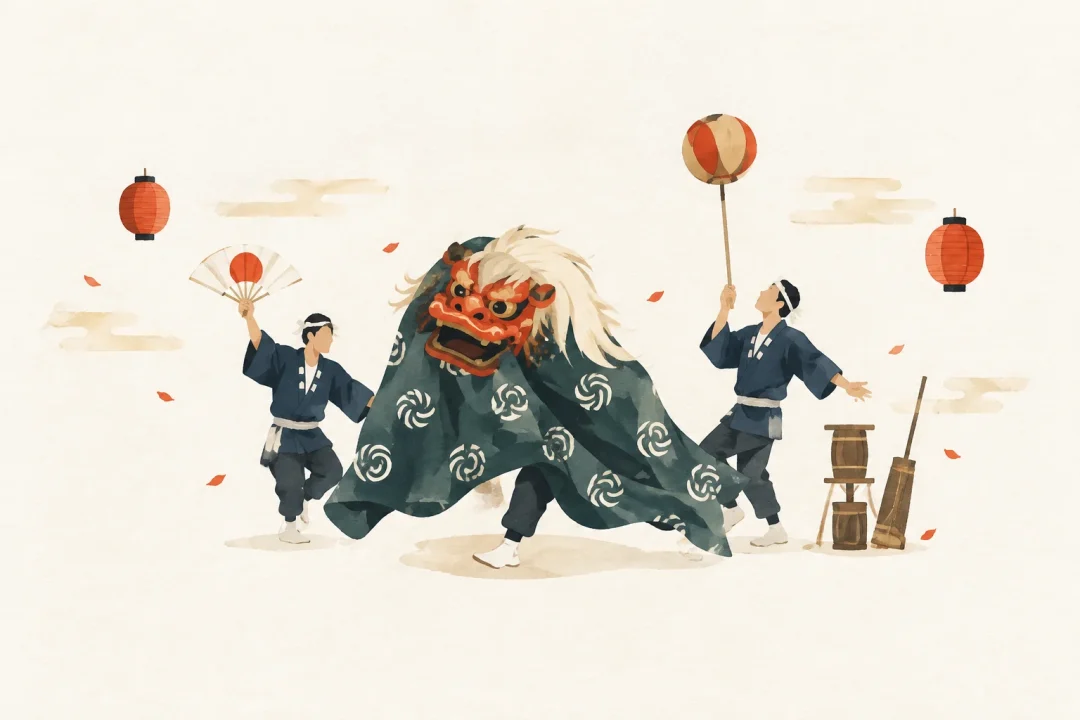
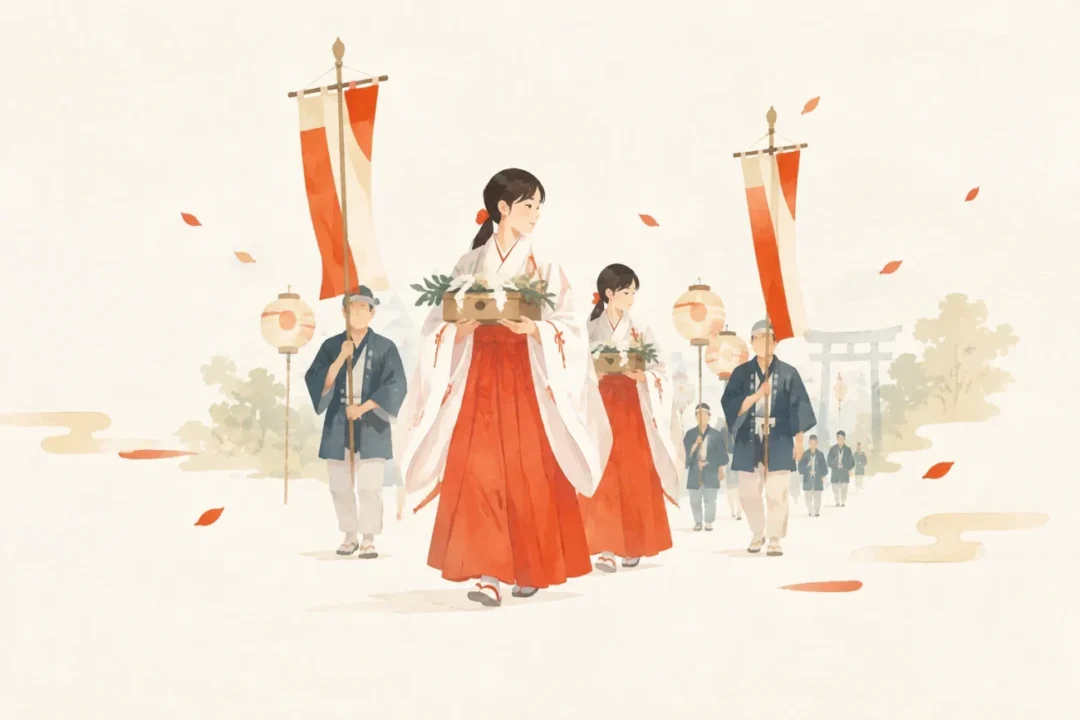
A festival in western Owari where prayers and tradition meet around okowa offerings
The Okowa Festival of western Owari

Festival information
EVENT INFORMATION- Season / frequency
- At Shibata, every year on the second Sunday of March; at Shimonomori, every year on February 11 / Once a year (held at each venue)
- Area
- Aichi Prefecture・Aisai City, Ama City(From Tokyo: approx. 1 h 40 min–2 h · bullet train)Prefecture-level estimate to a main station or airport, not the venue. Airport access, check-in and onward travel are extra; remote areas and islands can take much longer.
- Highlights and activities
- Wishes behind the festival
- Last updated
- 2026/10/19
The Okowa Festival of western Owari is a traditional event in which barrels or chests containing okowa offered before the deity are smashed, and worshippers compete to take the mochi-like okowa. It is held at Shibata Shrine and Shimonomori Hachiman Shrine to pray for abundant harvests and good health.
About The Okowa Festival of western Owari
An annual event passed down in western Owari, centered on okowa offered as a sacred food.
After okowa packed in a barrel or chest is offered at the shrine, the container is struck until it breaks, and worshippers compete to take the mochi-like okowa.
This event involves sharing food offered to the local guardian deity, and is held to pray for abundant harvests and good health. It is closely connected to local agriculture and religious beliefs.
Today, the tradition is carried on at Shibata Shrine in Shibata, Aisai City, and Hachiman Shrine in Shimonomori, Shippo-cho.
Source: 国指定文化財等データベース
Festival highlights
The main highlight is the scene of a barrel or chest wrapped in woven straw being repeatedly struck against a stone wall or large stones in the shrine precincts.
When the container breaks, the okowa inside becomes mochi-like, and worshippers all reach in at once to compete for it.
At Shibata, a procession accompanied by branches and forms up from the host household to the shrine. At Shimonomori, men observing their unlucky years and children carry the woven straw covering around the shrine building.
There are also traditions about the pieces of the container: they are said to strengthen teeth and ward off lightning.
A festival in western Owari where prayers and tradition meet around okowa offerings
What to expect
At Shibata, the host household and the annual organizer pack white okowa into a barrel, wrap it in woven straw, thread it onto a green bamboo pole, and parade through the district.
On arriving at the shrine, they offer okowa before the deity and perform the ritual. Afterward, they strike the barrel, still wrapped in its woven straw covering, against stones and other objects in the shrine precincts.
Once the barrel breaks, worshippers begin competing for the okowa, taking it by hand and eating it.
At Shimonomori, too, after offering okowa before the deity and performing a ritual procession around the shrine building, they break open the chest and compete to take the okowa.
How to take part
The main participants are the shukimoto and annual festival organizers in Shibata, and the annual organizers and men in their unlucky year in Shimonomori.
However, accounts describe worshippers joining the scramble for the okowa after the container is broken.
In Shimonomori, children also have a role: carrying woven straw mats as they circle the shrine building.
Location and access
- Venue and address
The event is held at Shibata Shrine in Shibata and Hachiman Shrine in Shimonomori.
Shimonomori Hachiman Shrine is located in Shimonomori, Shippo-cho.
Event venue 愛知県愛西市、あま市 勝幡の勝幡神社
This map uses the venue name. Check the official guide for the event area and entrances.
Dates and season
At Shibata Shrine, it is held every year on the second Sunday of March; at the Hachiman Shrine in Shimonomori, it is held every year on February 11.
As the two venues hold their events at different times, check the relevant local guidance before visiting.
Tips for your visit
One of the main highlights is the moment when the container is struck until it breaks and worshippers scramble for the okowa.
The venues and proceedings differ between Shibata and Shimonomori, so it’s best to check in advance which event you plan to visit.
The dates differ: Shibata holds its event on the second Sunday of March, while Shimonomori holds it on February 11. Please follow local guidance for details on the day and how to observe the event.
Origins and History of The Okowa Festival of western Owari
The Okowa Festival was once held in several parts of western Owari, but today 2 known examples of the tradition remain, in Shibata and Shimonomori.
In the past, which district took the okowa was also used to divine whether that year's crops would fare well or poorly.
In recent years, changes have included cases where okowa is purchased, difficulties in making a new straw covering every year, and changes in the people who carry on the tradition. The event itself is also changing.
In 2007, it was selected as an Intangible Folk Cultural Property for which measures such as documentation should be undertaken.
Official information
The Agency for Cultural Affairs' Database of Nationally Designated Cultural Properties and Other Items lists the name, place where the tradition is carried on, time of year, event details, and the meaning of the prayers.
The Shibata Okowa Festival Preservation Society and the Shimonomori district are listed as the preservation groups.
For details about the event date and information on the day, visitors are advised to check with the relevant municipal board of education or similar authority.
The Okowa Festival of western Owari at a Glance
The Okowa Festival of western Owari is a distinctive annual event in which the container holding okowa offered before the deity is smashed, and worshippers compete to take the mochi-like okowa.
The tradition is carried on at Shibata Shrine and Shimonomori Hachiman Shrine, and embodies wishes for abundant harvests, good health, and protection from misfortune.
The dates vary by venue, so please check information from the relevant area before visiting.
Japanese Festivals.jp Editorial Team
Celebrating local culture and helping you discover a side of Japan you never knew.
Article updated: 2026/10/19
Submit information or a correction Submit photos of this festival