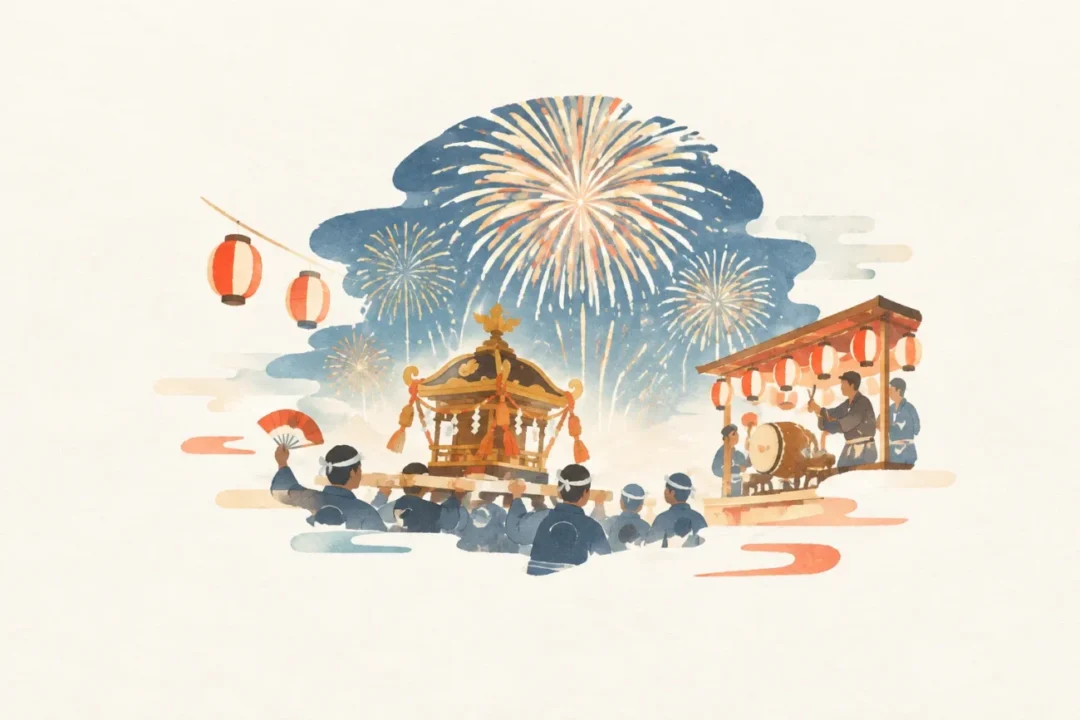
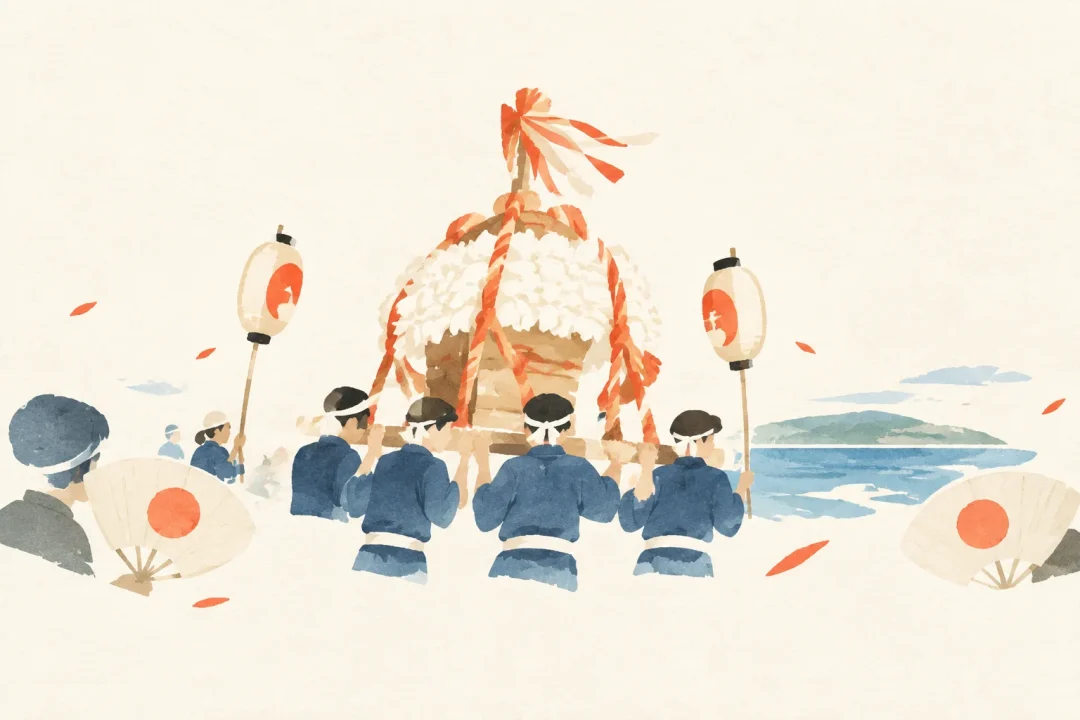
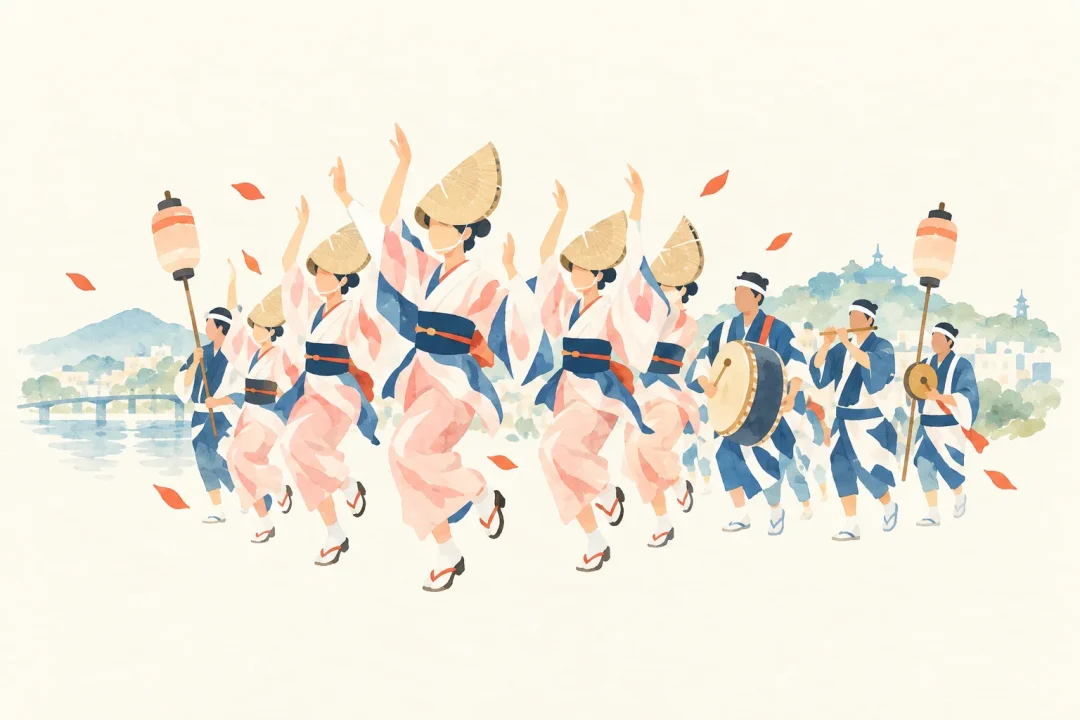
A rich variety of performances passed down in Shirahama, held every 3 years
Odo Hatsuma Festival
Festival information
EVENT INFORMATION- Season / frequency
- The Saturday and Sunday closest to March 1 / Every 3 years
- Location
- Inari Shrine
- Area
- Chiba Prefecture・Minamiboso City(From Tokyo: approx. 40 min–1 h · train)Prefecture-level estimate to a main station or airport, not the venue. Airport access, check-in and onward travel are extra; remote areas and islands can take much longer.
- Features
- Highlights and activities
- Last updated
- 2026/11/12
This festival, held at Inari Shrine in Shirahama, Minamiboso City, carries on a rich variety of dedicated performances, including and Sanbasō.
About Odo Hatsuma Festival
The Odo Hatsuma Festival showcases performances passed down in the community at Inari Shrine in Shirahama, Shirahama Town, Minamiboso City.
According to oral tradition, the festival dates back to the late Edo period and is designated an Intangible Folk Cultural Property of Minamiboso City.
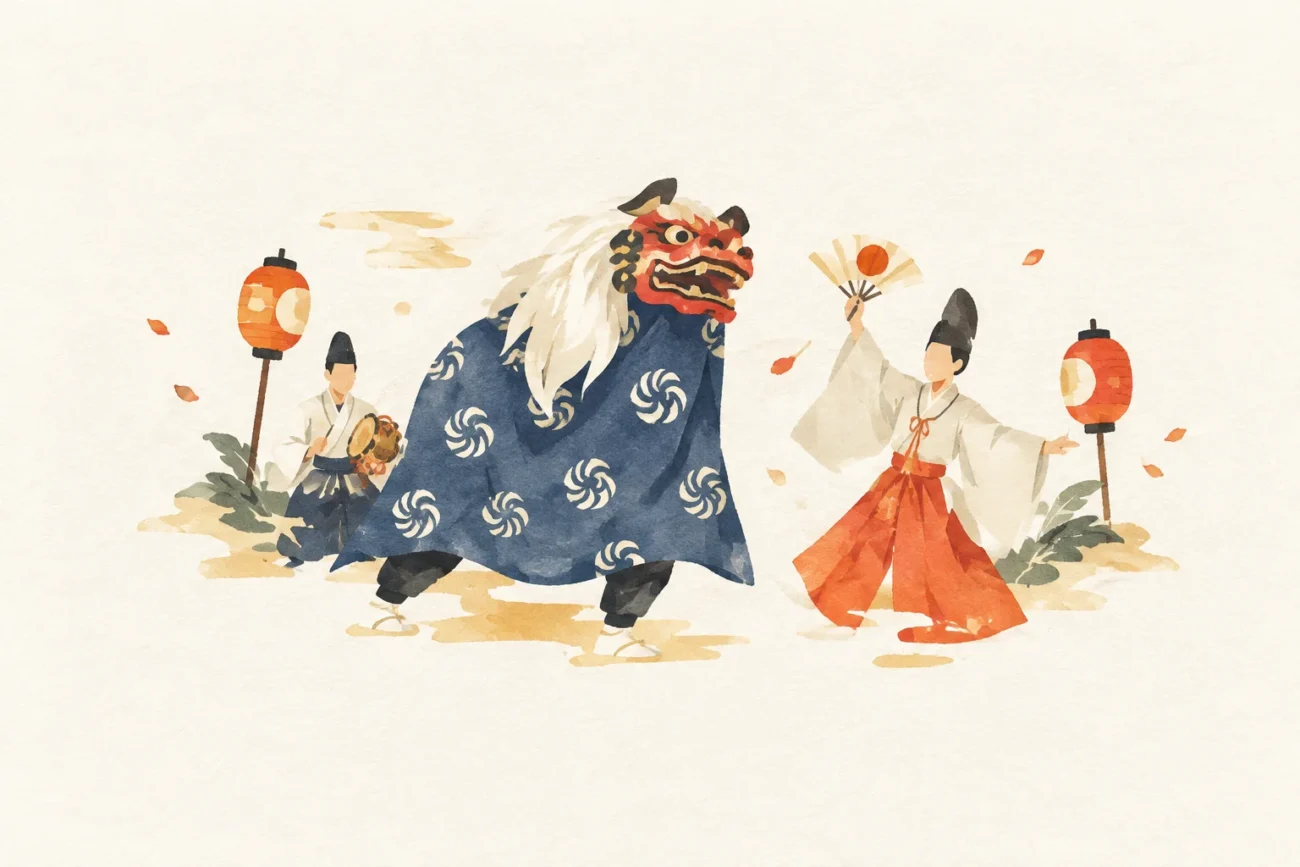
The festival spans 2 days, the Yama Festival and the Hama Festival, and features a rich variety of performances, including kagura shishimai, Torisashi Dance, and Sanbasō.
Festival highlights
Highlights include a rich variety of dedicated performances, such as kagura shishimai, Torisashi Dance, and Sanbasō.
Performances also include Konu, Onu, Noge no Yama, Kappore, Ise Ondo, Okame Maetachi, Kitsune Okasagi, manzai comedy, and Tama-jishi.
Kagura performances include Oni Shoki and Inchō Yakumori. On the first day, performances are presented in the precincts of Inari Shrine; on the second day, known as the Hama Festival, they are offered on a different stage.
A rich variety of performances passed down in Shirahama, held every 3 years
What to expect
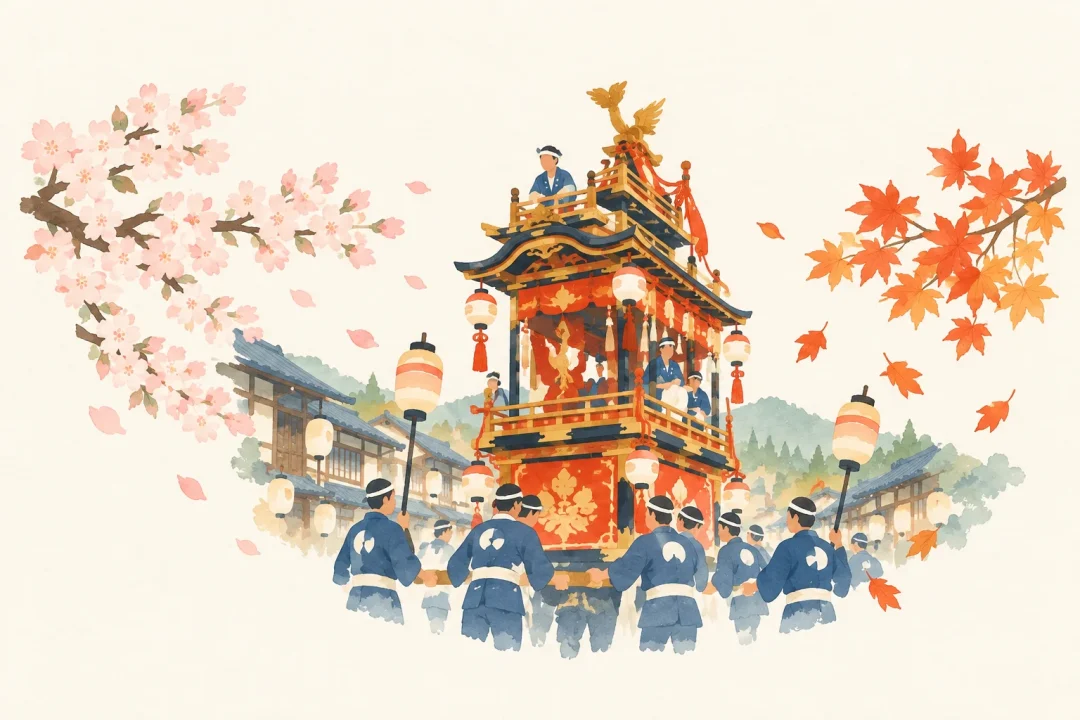
Performances are presented over 2 days. On the first day, known as the Yama Festival, they take place on a stage in the precincts of Inari Shrine.
The program includes kagura shishimai, Torisashi Dance, Sanbasō, dance, music, manzai comedy, and kagura kyogen.
The second day is called the Hama Festival, and the same types of performances as on the first day are offered.
One account says the venue moved from a stage by the coast to Shirahama Community Center.
Location and access
- Venue and address
Inari Shrine (Shirahama, Shirahama Town, Minamiboso City)
- Parking
Yes
Event venue 千葉県南房総市 稲荷神社
This map uses the venue name. Check the official guide for the event area and entrances.
Dates and season
- Season
The Saturday and Sunday closest to March 1
- Frequency
Every 3 years
Accommodation and hotels PR
Showing nearby accommodation.
Prices and availability are current at the time of retrieval. For multi-night stays, only the first night’s price is shown. Confirm the final price and directions to the venue with the booking provider. Select your dates again when using the area search link. Search area: within 3 km of Central Chiba Prefecture / Minamiboso City (the search is not centered on the festival venue)
Nearby attractions

野島埼灯台
千葉県南房総市にある灯台
写真:ガウス at Japanese Wikipedia / CC BY-SA 3.0
Photo source ·Origins and History of Odo Hatsuma Festival
According to oral tradition, the Odo Hatsuma Festival has been held since the late Edo period.
It was suspended and revived 3 times in the past, and in Heisei 4 it was decided that it would be held every 3 years.
Flute performances and manzai comedy were revived in Heisei 7, preserving the traditional program of performances.
In Heisei 17April 1, it was designated an Intangible Folk Cultural Property of Minamiboso City.
Official information
Minamiboso City lists the Odo Hatsuma Festival among its city-designated cultural properties.
It is held at Inari Shrine, 3208 Shirahama, Shirahama Town. The Odo-ku Hatsuma Preservation Society is the owner, administrator, and tradition bearer. It was designated on Heisei 17April 1.
Odo Hatsuma Festival at a Glance
The Odo Hatsuma Festival is an Intangible Folk Cultural Property passed down at Inari Shrine in Shirahama, Shirahama Town, Minamiboso City.
According to oral tradition, the festival dates back to the late Edo period. After periods of suspension and revival, it was decided in Heisei 4 that it would be held every 3 years.
Over the 2 days of the Yama and Hama festivals, a rich variety of dedicated performances are presented, including kagura shishimai, Torisashi Dance, Sanbasō, and kagura kyogen.
Sources and references
Japanese Festivals.jp Editorial Team
Celebrating local culture and helping you discover a side of Japan you never knew.
Article updated: 2026/11/12