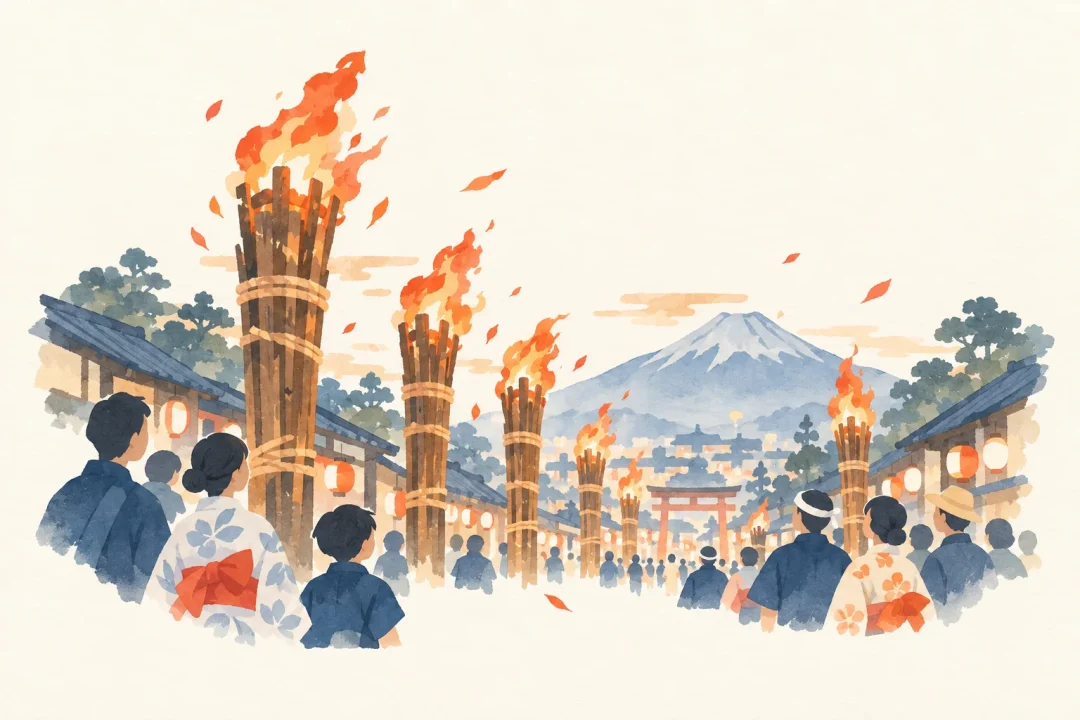
Masked visiting deities go from house to house, upholding Noto’s turning-point traditions
Noto no Amamehagi
Festival information
EVENT INFORMATION- Season / frequency
- Depending on the region, on the night of January 6, on January 14 or the 20th, or on the night of Setsubun in February / It is said to take place each year on a set date in each region.
- Location
- Homes in Minazuki, Monzen-machi, Wajima City; Wajimaizaki-machi and Kawai-machi, Wajima City; and Akiyoshi, Noto Town
- Area
- Ishikawa Prefecture・Noto Town, Wajima City(From Tokyo: approx. 2 h 30 min–3 h · bullet train)Prefecture-level estimate to a main station or airport, not the venue. Airport access, check-in and onward travel are extra; remote areas and islands can take much longer.
- Features
- Highlights and activities
- Wishes behind the festival
- Last updated
- 2026/11/11
Noto no Amamehagi is a folk tradition of the Noto Peninsula in which masked visiting deities go from house to house to ward off misfortune. Different masks and rites have been passed down in Wajima City, Noto Town, and other areas.
About Noto no Amamehagi
Noto no Amamehagi is a visiting-deity ritual passed down on the Noto Peninsula.
Also known as Amamehagi and Mensama, it features masked people visiting homes and interacting with villagers through gestures intended to ward off misfortune.
The tradition is found in Minazuki, Monzen-machi, Wajima City; Wajimaizaki-machi and Kawai-machi in Wajima City; and the Akiyoshi area of Noto Town, among other places. It is designated an Important Intangible Folk Cultural Property.
In Heisei 30November 29, it was inscribed on UNESCO’s Representative List of the Intangible Cultural Heritage of Humanity as one of the “Raihoshin, ritual visits of deities in masks and costumes.”
Festival highlights
A highlight is seeing the visiting deities arrive in masks and costumes that vary by region.
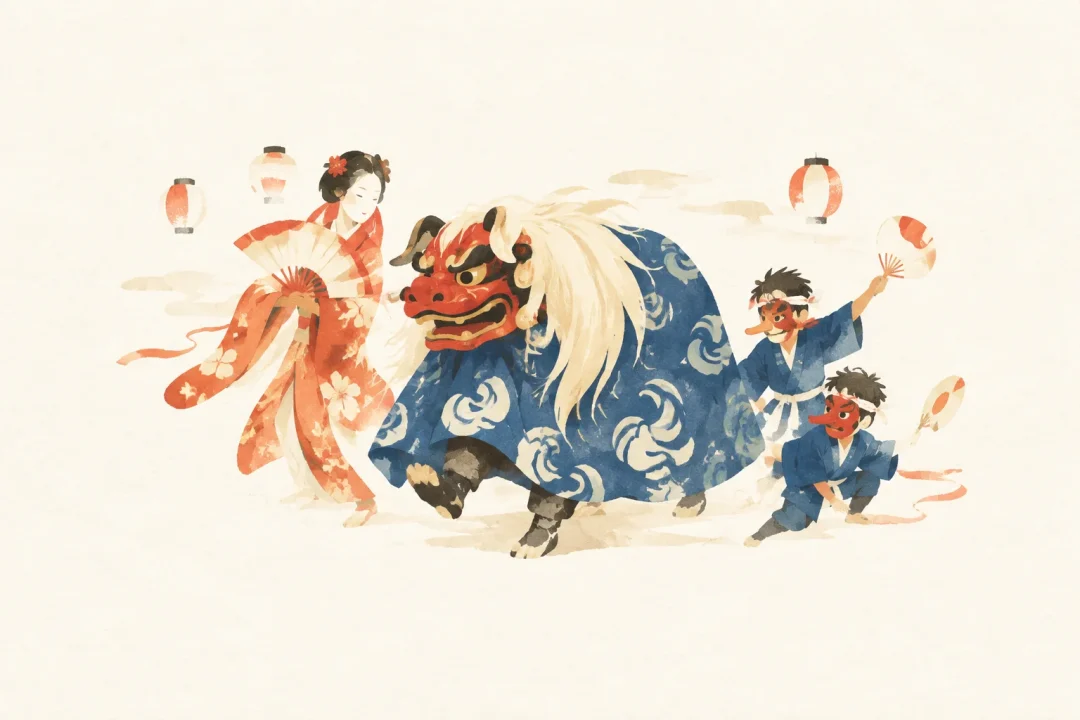
The Agency for Cultural Affairs’ description mentions tengu, hanabecha, monkey, male, and female masks.
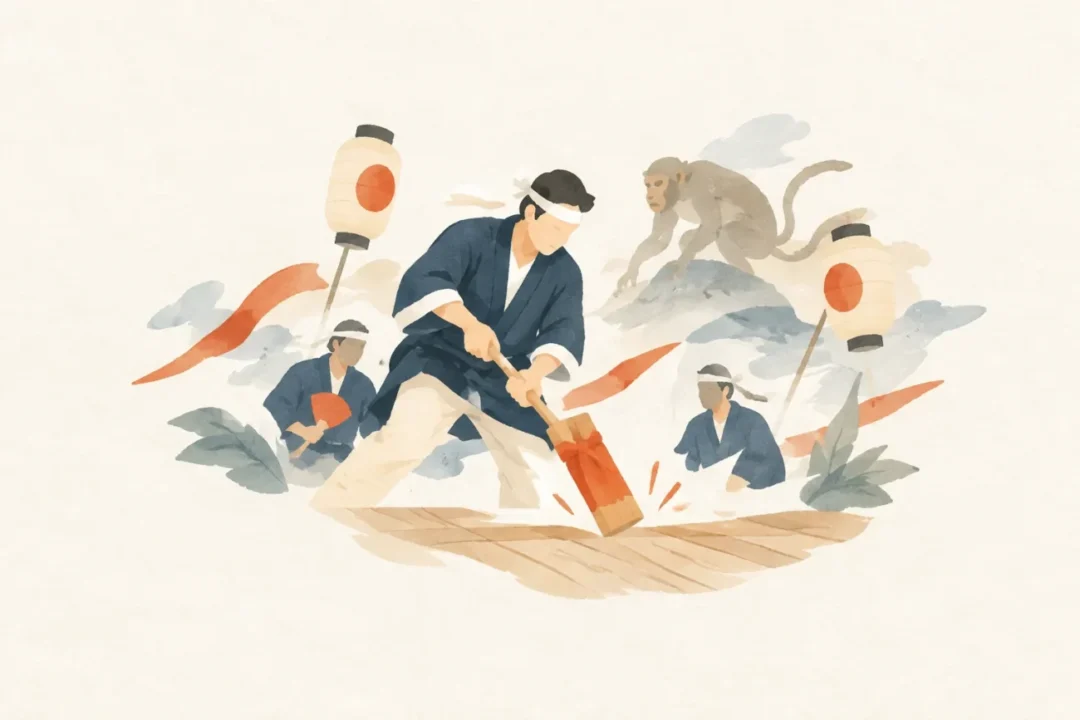
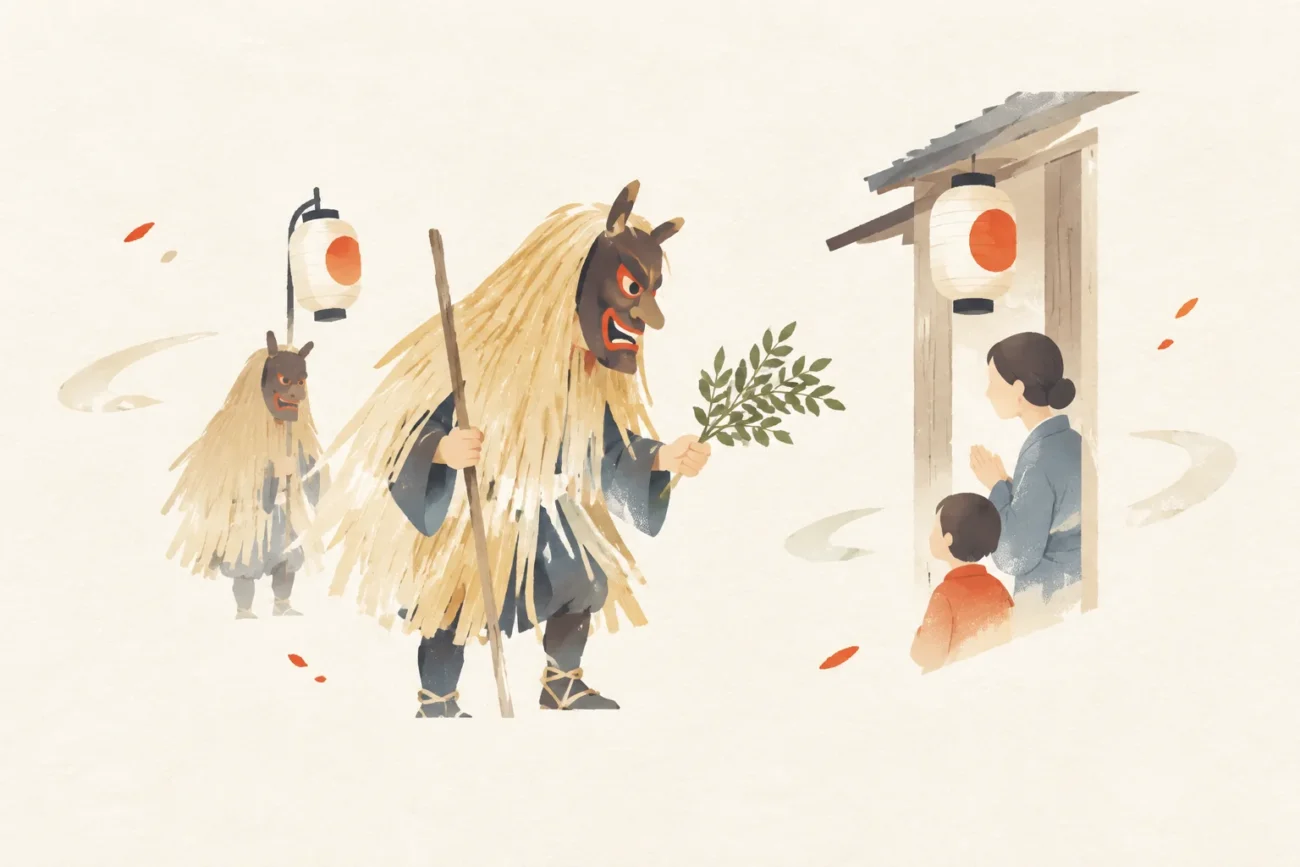
In Minazuki, Monzen-machi, Wajima City, young men wearing tengu and other masks visit homes, while in Akiyoshi, Noto Town, boys wearing oni masks and straw rain capes visit.
At Men-sama Nento in Wajima City, boys wear the shrine’s male and female masks and go from house to house.
Masked visiting deities go from house to house, upholding Noto’s turning-point traditions
What to expect
During the ritual, masked people visit homes in the area and perform purification rites.
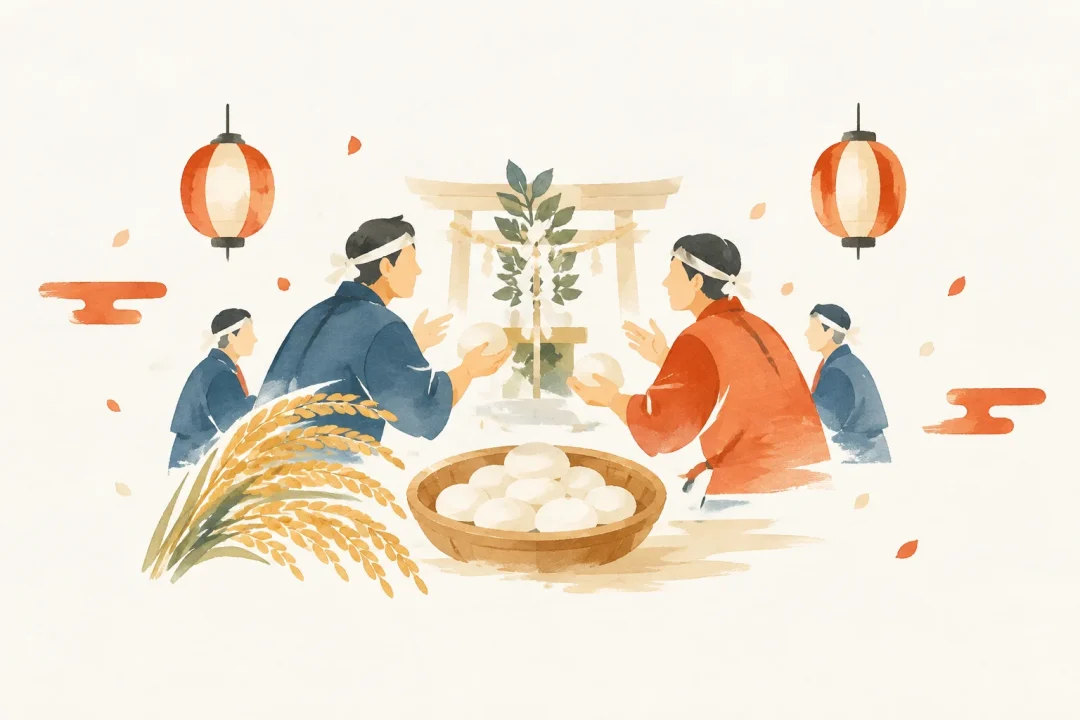
In Minazuki, Monzen-machi, Wajima City, young men frighten children to admonish them against laziness, then take rice cakes from the household and leave.
In Akiyoshi, Noto Town, boys wearing oni masks and straw rain capes perform a similar ritual.
At Men-sama Nento in Wajima City, boys wear the shrine’s male and female masks and go around performing purification rites.
Location and access
- Venue and address
Minazuki, Monzen-machi, Wajima City / Wajimaizaki-machi and Kawai-machi, Wajima City / Akiyoshi, Noto Town
Address Minazuki, Monzen-machi, Wajima City; Wajimaizaki-machi and Kawai-machi, Wajima City; Akiyoshi, Noto Town
Dates and season
- Season
Depending on the region, on the night of January 6, on January 14 or the 20th, or on the night of Setsubun in February
- Frequency
It is said to take place each year on a set date in each region.
Origins and History of Noto no Amamehagi
Amamehagi and Men-sama Nento have been passed down as rituals associated with the day marking the turn of the year.
Rooted in an old belief that a deity visits at a turning point in the year and bestows blessings, people wearing masks visit homes and perform purification rites.
Masks, costumes, dates of visits, and ways of admonishing children vary by region.
Noto no Amamehagi was designated an Important Intangible Folk Cultural Property in Showa 54February 3.
Official information
The Agency for Cultural Affairs’ Cultural Heritage Online and Ishikawa Prefecture’s cultural property guide provide information on the distribution, ritual details, preservation groups, and designation of Noto no Amamehagi.
Noto no Amamehagi at a Glance
Noto no Amamehagi is a visiting-deity ritual passed down in Wajima City, Noto Town, and other areas.
People wearing tengu, oni, male, female, and other masks visit homes to perform purification rites and admonitions.
The date of the visits, costumes, and details of the rites differ by region. The tradition conveys the belief that a deity visits at a turning point in the year and bestows blessings.
It is an Important Intangible Folk Cultural Property and is also inscribed on UNESCO’s Representative List of the Intangible Cultural Heritage of Humanity.
Sources and references
Japanese Festivals.jp Editorial Team
Celebrating local culture and helping you discover a side of Japan you never knew.
Article updated: 2026/11/11