A story-rich Noto lion dance featuring a female-role performer and tengu
Futamata River Shishimai

Festival information
EVENT INFORMATION- Season / frequency
- Summer festival in July
- Location
- Futamata River district
- Area
- Ishikawa Prefecture・Wajima City(From Tokyo: approx. 2 h 30 min–3 h · bullet train)Prefecture-level estimate to a main station or airport, not the venue. Airport access, check-in and onward travel are extra; remote areas and islands can take much longer.
- Highlights and activities
- Required number of participants
- 4 adults fit inside the lion costume.
- Last updated
- 2026/10/19
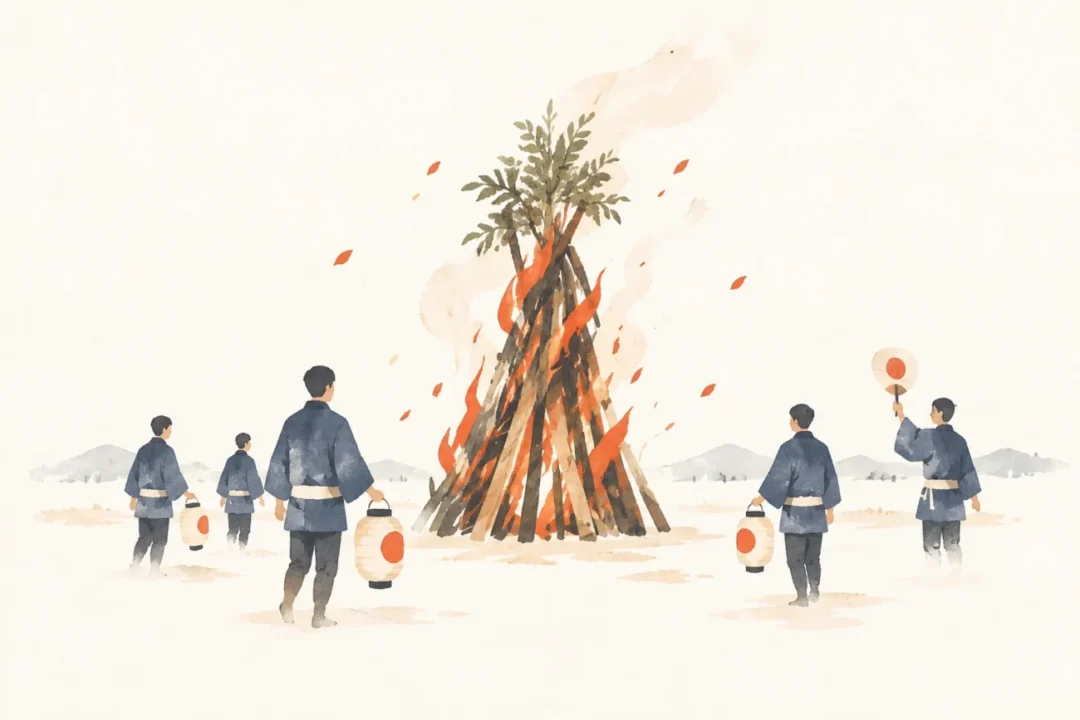
At the Futamata River summer festival, a story-rich is performed, featuring Anesama, a female-role performer, and children playing tengu.
About Futamata River Shishimai
Futamata River Shishimai is a lion dance performed at the summer festival in the Futamata River district of Monzen-machi, Wajima City, Ishikawa Prefecture.
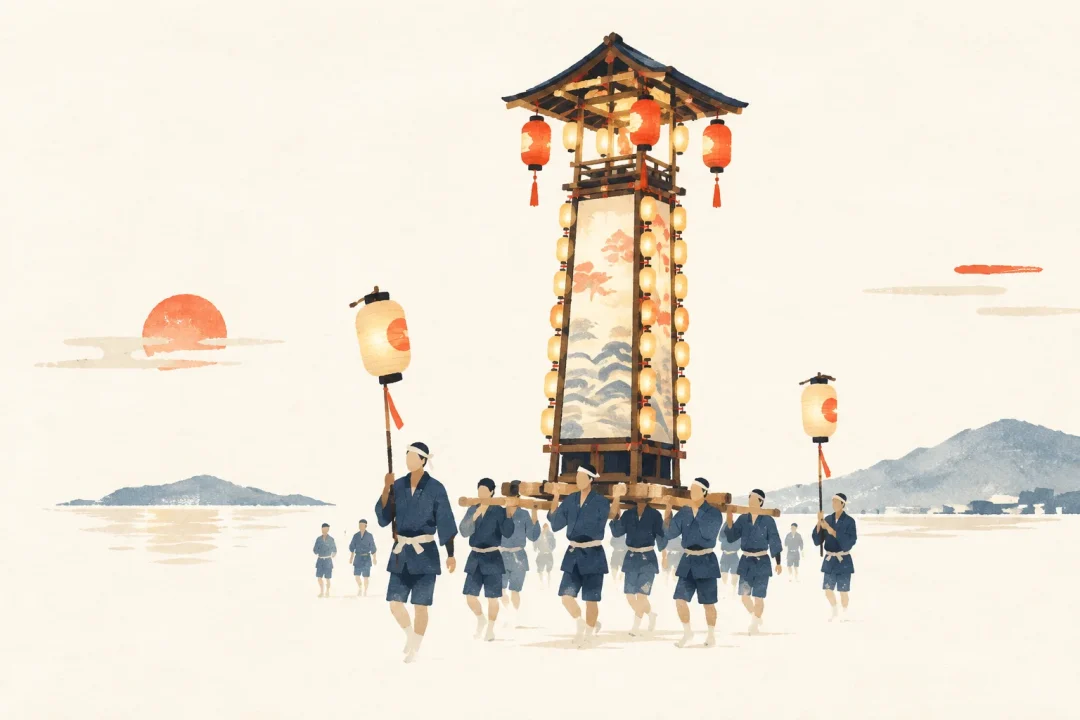
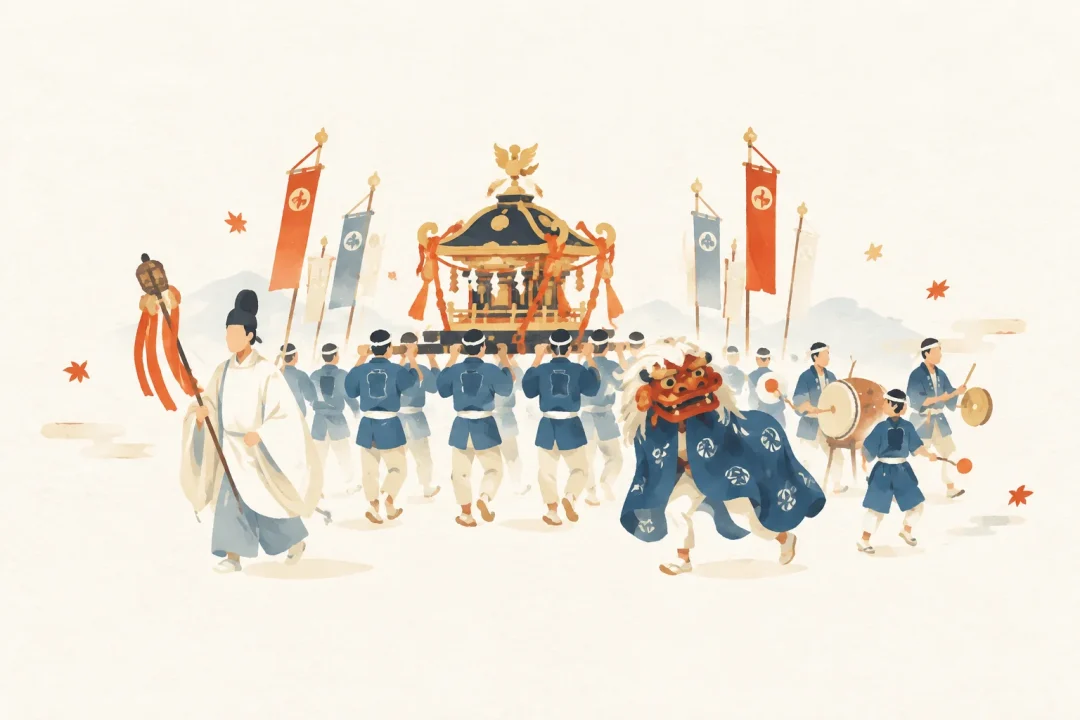
It has traditionally led the procession, clearing the way for the in the Futamata River district.
It is performed by a youth group made up mainly of young people aged 16 and over, supporting the local festival.
Source: 二又川獅子舞 - Wikipedia
Festival highlights
The appeal lies not only in the lion’s movements but also in the staging, which features a female-role performer called Anesama and children dancing as tengu.
The performance is shaped by the characteristic movements of Noto shishimai and story-driven acts.
A series of acts featuring different props and movements—including a hatchet, two staffs, a nosā, and tamawari—culminates in an act in which the lion is cut down with a sword.
A story-rich Noto lion dance featuring a female-role performer and tengu
What to expect
The dance unfolds as the lion and performers face one another through a series of acts.
The acts unfold in distinct scenes using different props: movements that mimic cutting the lion’s legs with a small hatchet, distracting it with two staffs, and thrusting a spear at its eyes.
In another dance, performers use a long wooden tub to splash the lion with sake and make it drink; toward the end, the performance moves on to an act featuring a great tengu and Anesama.
How to take part
必要人数:獅子には大人4人が入る
Location and access
- Venue and address
Futamata River district, Monzen-machi, Wajima City, Ishikawa Prefecture.
Address Futamata River district, Monzen-machi, Wajima City, Ishikawa Prefecture
Dates and season
- Season
Summer festival in July
Accommodation and hotels PR
Showing nearby accommodation.
Prices and availability are current at the time of retrieval. For multi-night stays, only the first night’s price is shown. Confirm the final price and directions to the venue with the booking provider. Select your dates again when using the area search link. Search area: within 3 km of Central Ishikawa Prefecture / Wajima City (the search is not centered on the festival venue)
Nearby attractions

永井豪記念館
石川県輪島市にある博物館

石川県輪島漆芸美術館
石川県輪島市にある漆芸専門美術館

重蔵神社
石川県輪島市河井町にある神社
Origins and History of Futamata River Shishimai
The exact origins of Futamata River Shishimai are unclear, but it is said to have been performed for more than 100 years.
Even after all this time, its role as the procession’s vanguard, clearing the way for the mikoshi at the Futamata River summer festival, remains unchanged.
Its connection to the lion-dance culture that spread around Monzen-machi is also noted. Rather than layering multiple conjectures about how this particular tradition began, it is worth appreciating the continuity of the tradition itself.
Source: 能登半島 獅子舞、中心周辺伝播論 - 稲村行真 Yukimasa Inamura ブログ「旅してみんか」
Futamata River Shishimai at a Glance
Futamata River Shishimai is a lion dance passed down through the summer festival in the Futamata River district of Monzen-machi, Wajima City.
The performance is characterized by Anesama in a female role, children as tengu, varied acts using different props, and the lion’s story-driven movements.
Although its exact origins are unknown, it has a history of more than 100 years and continues to serve as a mikoshi procession’s vanguard.
Japanese Festivals.jp Editorial Team
Celebrating local culture and helping you discover a side of Japan you never knew.
Article updated: 2026/10/19
Submit information or a correction Submit photos of this festival