A Gion festival where bonfires and bontō lanterns race through Nanao at night
Nanao Gion Festival
The 2026 edition of Nanao Gion Festival has ended.
Festival information
EVENT INFORMATION- Dates
- 2026/07/11Ended
- Season / frequency
- 2nd Saturday of July / Every year
- Location
- Oojinushi Shrine, temporary shrine at Minatomachi 1-chome, eastern Nanao city center
- Area
- Ishikawa Prefecture・Nanao City(From Tokyo: approx. 2 h 30 min–3 h · bullet train)Prefecture-level estimate to a main station or airport, not the venue. Airport access, check-in and onward travel are extra; remote areas and islands can take much longer.
- Features
- Highlights and activities
- Wishes behind the festival
- Participation / viewing
- Spectators welcome
- Last updated
- 2026/10/19
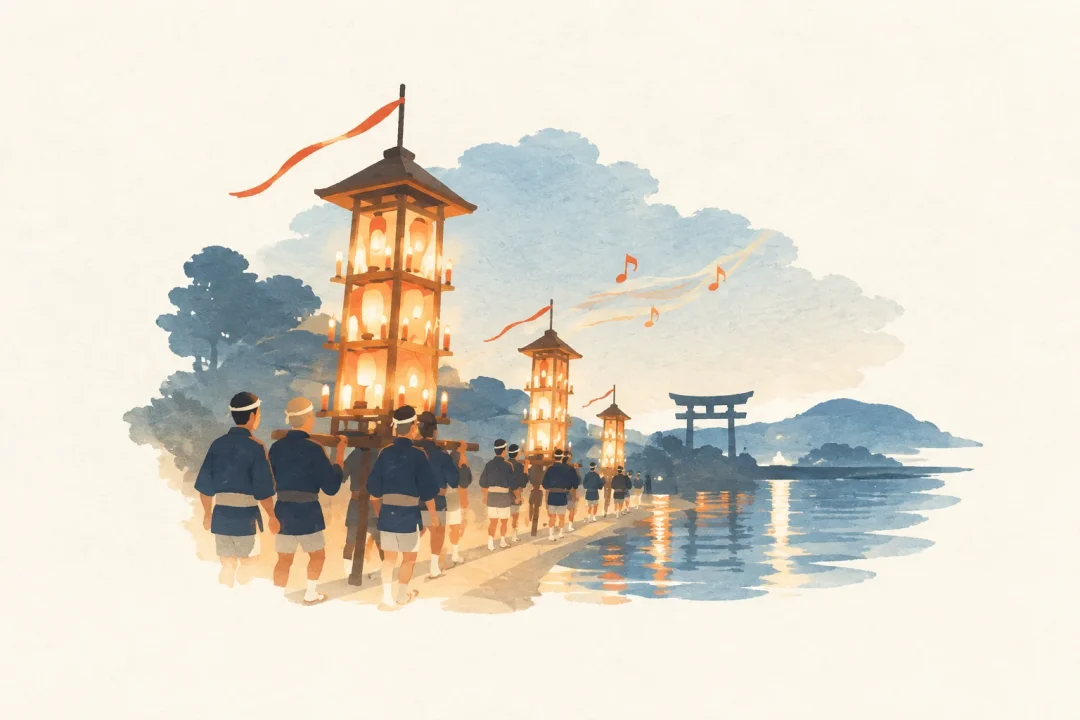
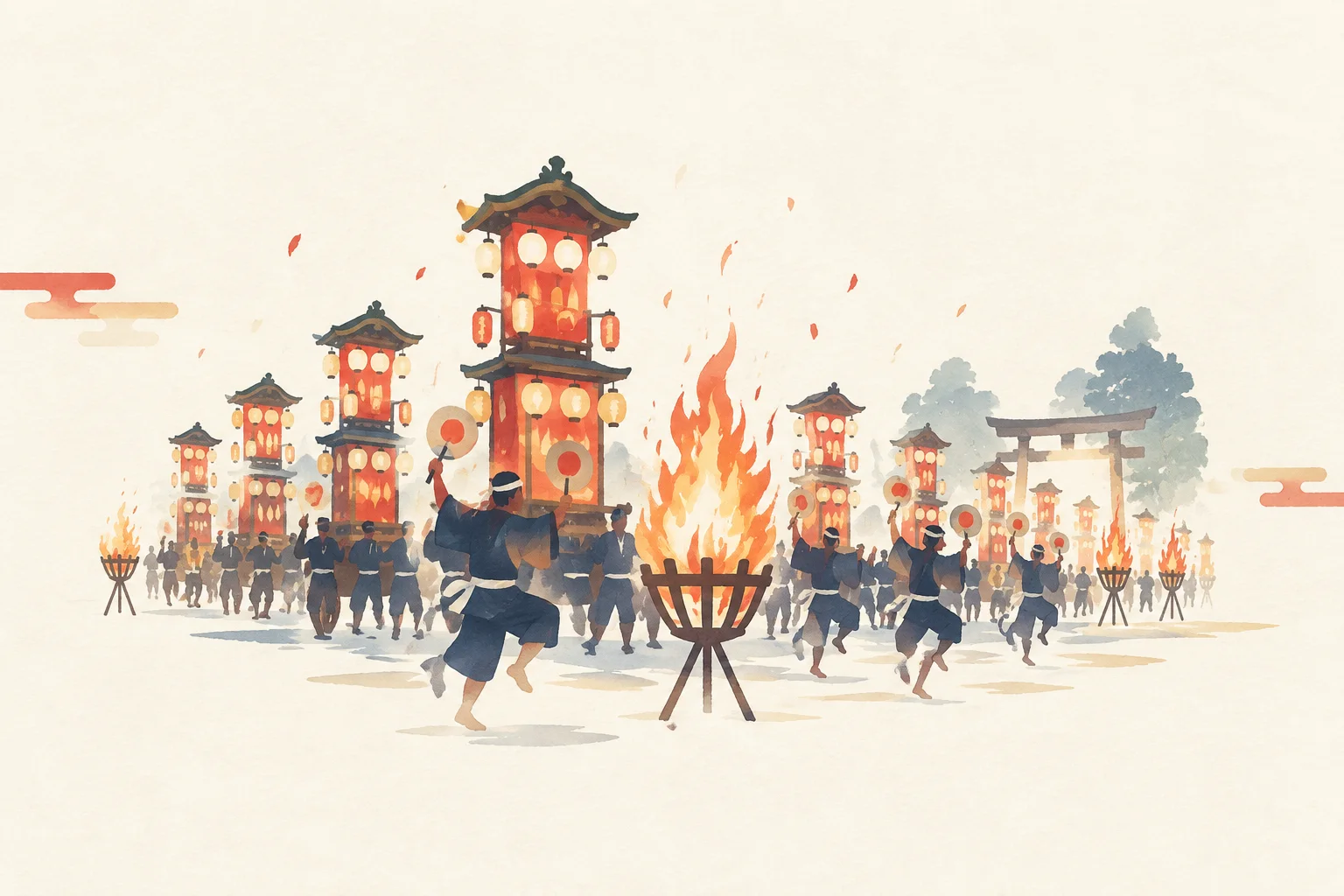
At the Nanao Gion Festival, dedicated to Oojinushi Shrine in Nanao City, 11 bontō lanterns proceed from the temporary shrine to the main shrine and dance mightily around bonfires.
About Nanao Gion Festival
The Nanao Gion Festival is a summer festival dedicated to Oojinushi Shrine in Sanno-machi, Nanao City.
It is also called the “O-suzumi Festival” because the enshrined deity is transferred by to a temporary shrine by the sea.
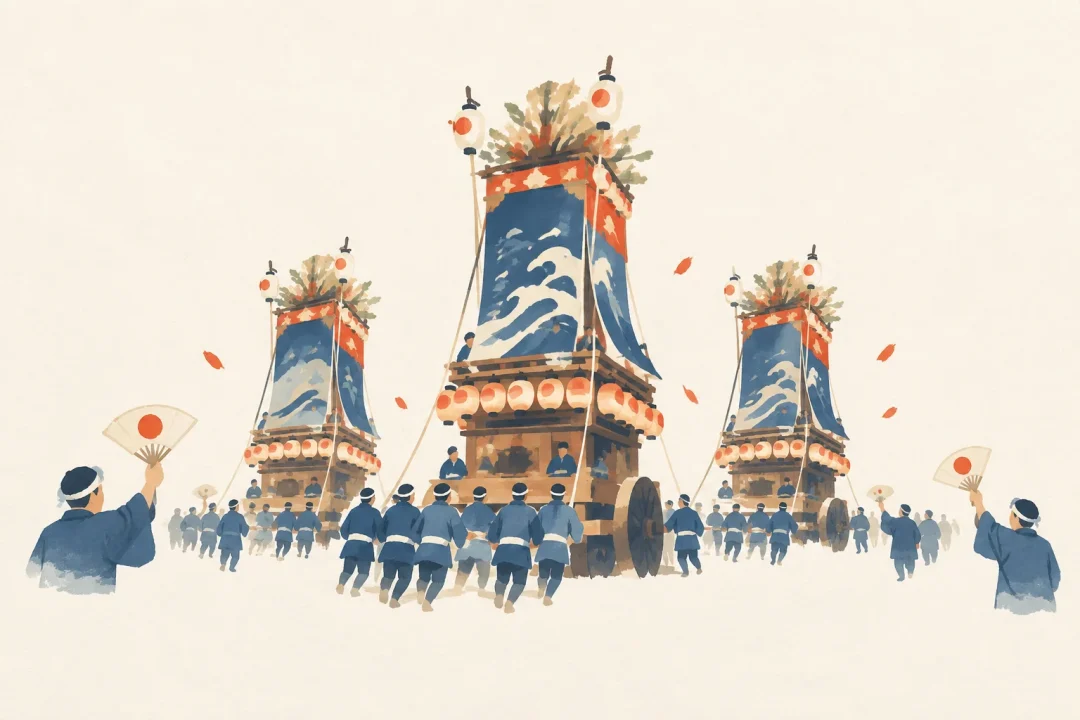
11 large and small bontō lanterns (kiriko) are carried out from the parishioner neighborhoods in the eastern part of the city, embodying prayers to ward off disease and misfortune.
It is passed down as one of Nanao’s signature kiriko festivals in Noto.
Source: 七尾祇園祭|七尾・中能登公式観光サイト / 大地主神社 山王奉賛会/夏の祭禮,七尾祇園祭
Festival highlights
The highlight is the lively dance of the bontō lanterns in the grounds of Oojinushi Shrine at night.
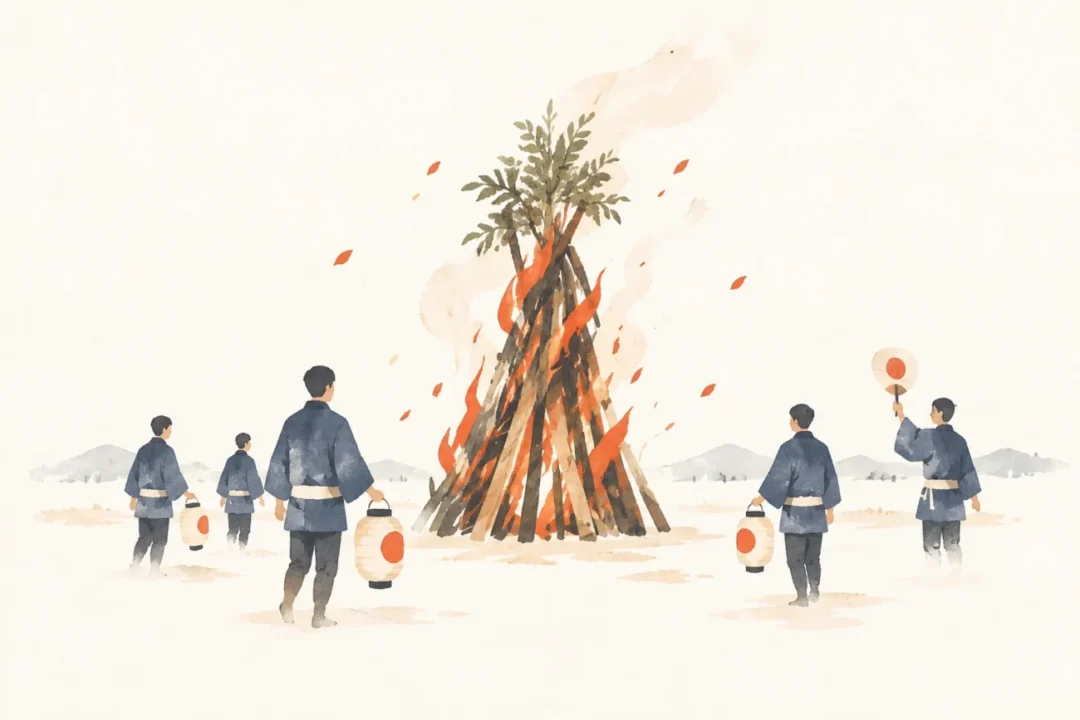
11 bontō lanterns circle bonfires, racing and moving to the calls and music of flutes, gongs, and drums.
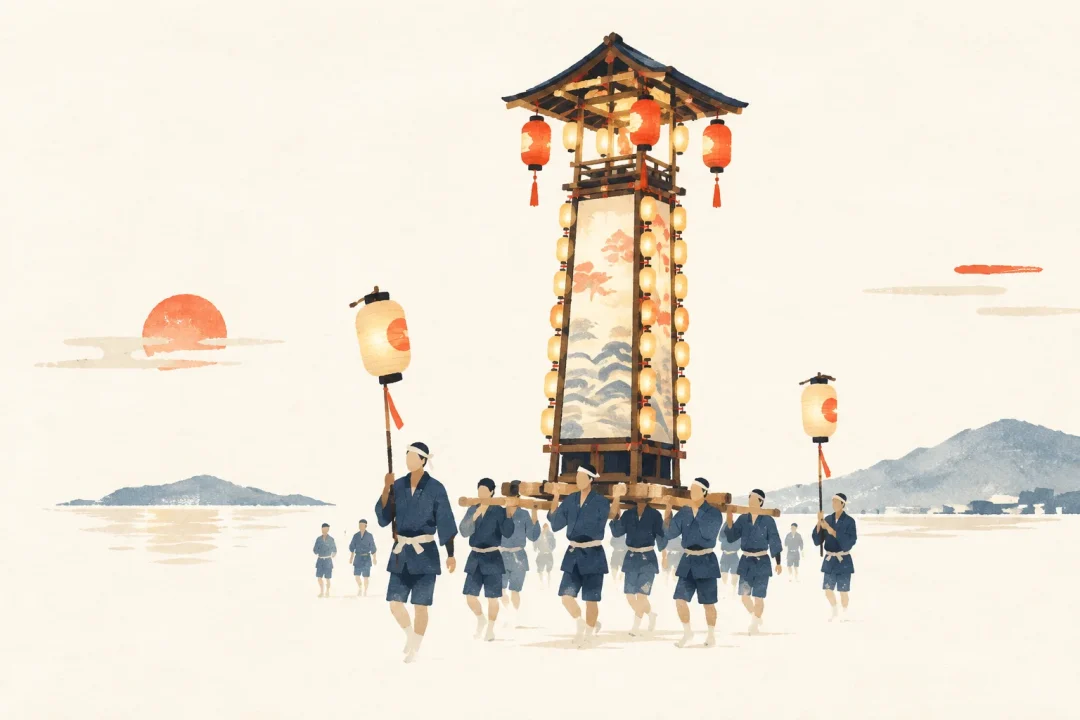
The bontō lanterns are decorated with calligraphy and warrior paintings, which glow against the night when lit.
The festival concludes with a performance of the traditional celebratory song “Nanao Madara.”
Source: 2026年七尾祇園祭 – 七尾市和倉温泉お祭り会館
A Gion festival where bonfires and bontō lanterns race through Nanao at night
What to expect
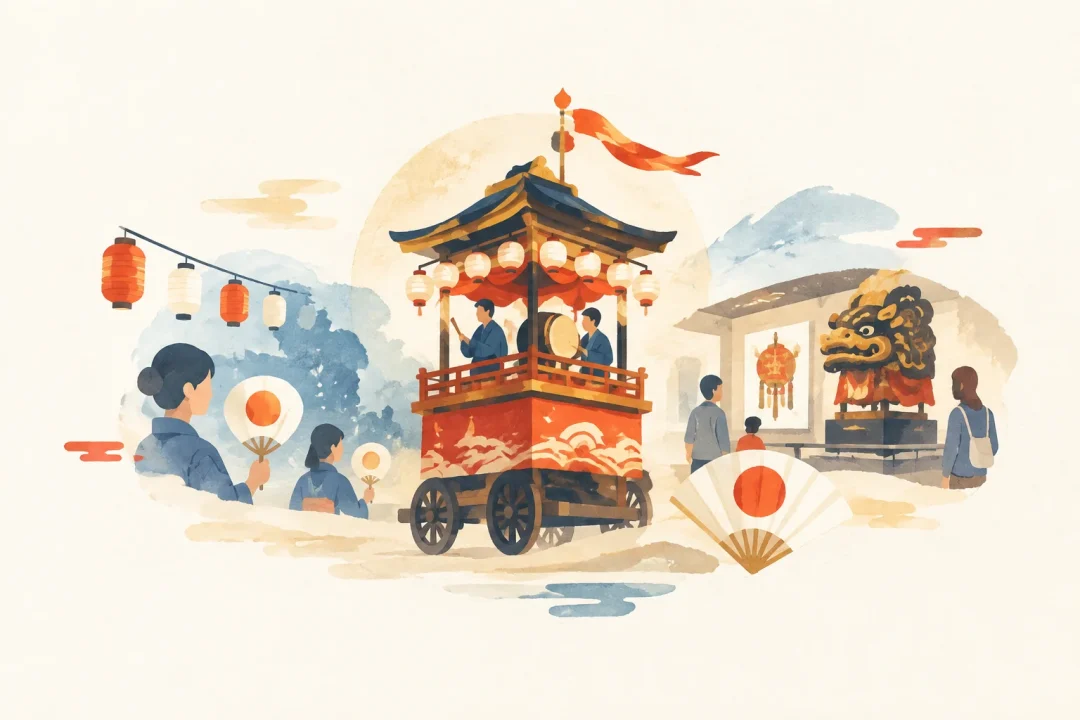
The festival begins with a mikoshi traveling from Oojinushi Shrine to the temporary shrine in Minatomachi. From evening, bontō lanterns from each neighborhood parade through their respective areas.
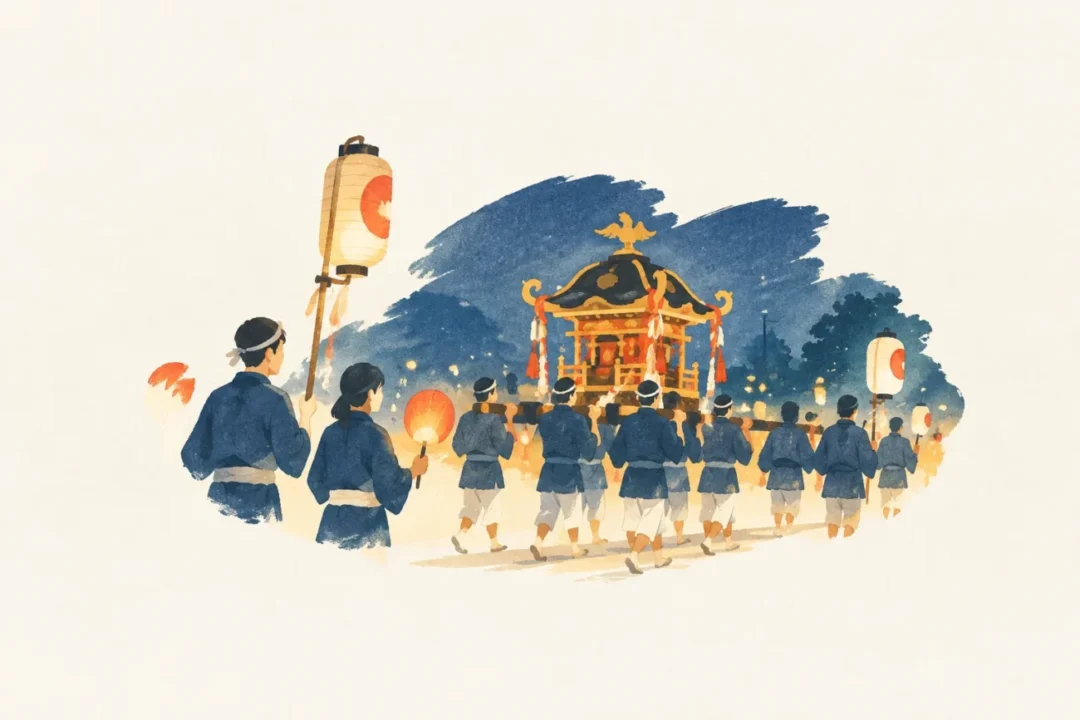
The bontō lanterns then gather in front of the temporary shrine and undergo a purification rite. At the signal of fireworks, they proceed to Oojinushi Shrine, leading the mikoshi.
In the , the bontō lanterns dance around bonfires. After the mikoshi is enshrined, participants sing “Nanao Madara” and return to their respective neighborhoods.
How to take part
Visitors can watch the event.
Location and access
- Venue and address
Events take place mainly in eastern Nanao city, at the temporary shrine in Minatomachi 1-chome and Oojinushi Shrine (Sanno-machi, Nanao City, Ishikawa Prefecture).
Source: 七尾祇園祭 - 文化廳 認定為日本遺產(Japan Heritage)能登半島舞燈~狂熱的切子(KIRIKO)燈籠祭~
Address Sanno-machi, Nanao City, Ishikawa Prefecture
Dates and season
2026 event information (the dates listed have passed)
The Nanao Gion Festival is held on the 2nd Saturday of July each year.
The 2026 event was scheduled for July 11 (Saturday). The evening program was planned to include a purification rite at the temporary shrine at Minatomachi 1-chome, a bontō procession from the temporary shrine to Oojinushi Shrine, a lively dance in the shrine grounds, and “Nanao Madara.”
The main events are scheduled to begin around 8:30 p.m., with the bontō dance at Oojinushi Shrine scheduled for around 10:30 p.m. or later.
Accommodation and hotels PR
Showing nearby accommodation.
Prices and availability are current at the time of retrieval. For multi-night stays, only the first night’s price is shown. Confirm the final price and directions to the venue with the booking provider. Select your dates again when using the area search link. Search area: within 3 km of Central Ishikawa Prefecture / Nanao City (the search is not centered on the festival venue)
Tips for your visit
The focus is on nighttime events. Bontō lanterns travel from the temporary shrine to the main shrine, where they dance around bonfires in the grounds.
The bontō lanterns are large, and the procession sometimes passes through narrow alleys, so visitors should watch the moving procession and their surroundings carefully.
According to the 2026 event information, the program runs from the purification rite at the temporary shrine to the bontō dance in the shrine grounds, so it is a good idea to decide in advance which parts you want to see.
Source: 七尾祇園祭 - Wikipedia
Nearby attractions

のとじま臨海公園水族館
石川県七尾市にある水族館

大地主神社
石川県七尾市にある神社

石川県七尾美術館
石川県七尾市にある美術館

石川県能登島ガラス美術館
石川県七尾市にある美術館
Origins and History of Nanao Gion Festival
The Nanao Gion Festival is said to have originated in the Heian period, when Kyoto’s Gion worship was introduced to Nanao and a Gion festival was held to ward off epidemics.
The offering of bontō lanterns began in the Edo period. The festival shrine was moved to Sannō Mori in 1635 and became the present-day Oojinushi Shrine in 1882.
During the Meiji period, the bontō lanterns were made smaller because of overhead power lines, but they were revived in Showa 36 and have been passed down in their present form, accompanied by music.
Official information
For the venue and the usual time of year, see the Nanao Gion Festival information on the official Nanao–Nakanoto tourism website.
Information on the festival’s origins, the day’s schedule, and the bontō events is available from Oojinushi Shrine and the Sanno Hōsan-kai.
Nanao Gion Festival at a Glance
The Nanao Gion Festival is a summer festival that has been passed down in eastern Nanao city as the annual festival of Oojinushi Shrine.
At night, 11 bontō lanterns proceed from the temporary shrine to the main shrine and dance amid the music of flutes, gongs, and drums and the glow of bonfires.
The 2026 event was scheduled for July 11 (Saturday), and the program was set to conclude with “Nanao Madara.”
Japanese Festivals.jp Editorial Team
Celebrating local culture and helping you discover a side of Japan you never knew.
Article updated: 2026/10/19
Submit information or a correction Submit photos of this festival