A summer festival at Komatsu, where prayers are offered through the chinowa at dusk and purification rituals
Komatsu Shrine Chinowa Hoop-Passing Ceremony

Festival information
EVENT INFORMATION- Season / frequency
- Every year on July 31
- Location
- Komatsu Shrine
- Area
- Saitama Prefecture・Kamikawa Town(From Tokyo: approx. 30 min–1 h · train)Prefecture-level estimate to a main station or airport, not the venue. Airport access, check-in and onward travel are extra; remote areas and islands can take much longer.
- Features
- Highlights and activities
- Wishes behind the festival
- Participation / viewing
- Open to public participation
- Last updated
- 2026/10/19
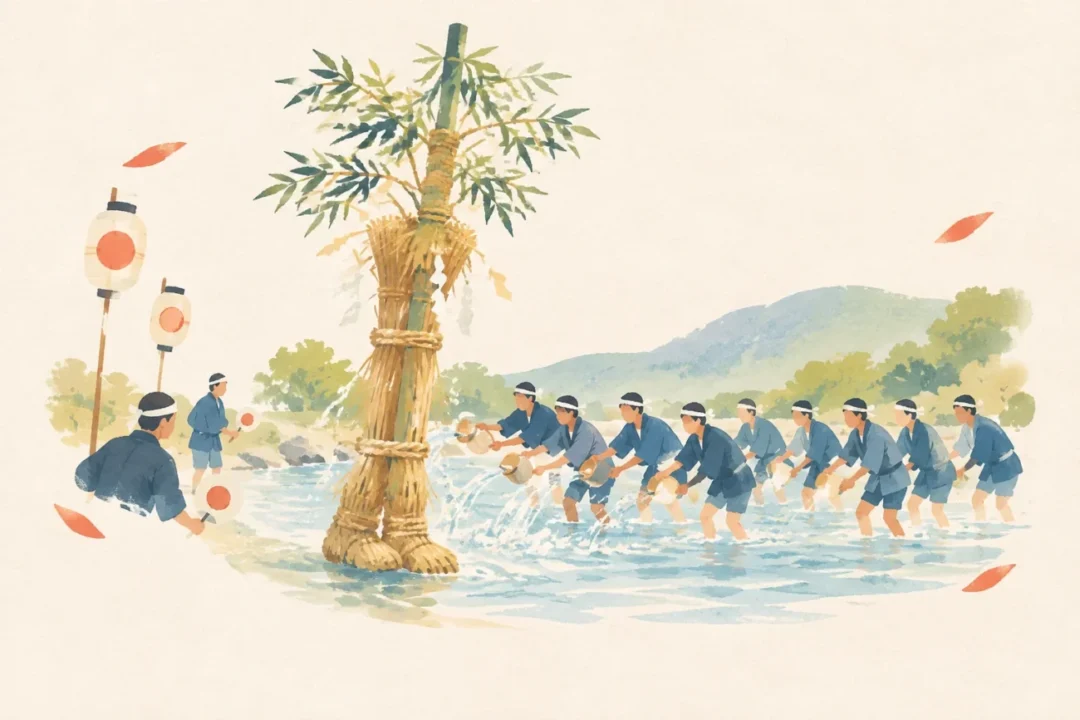
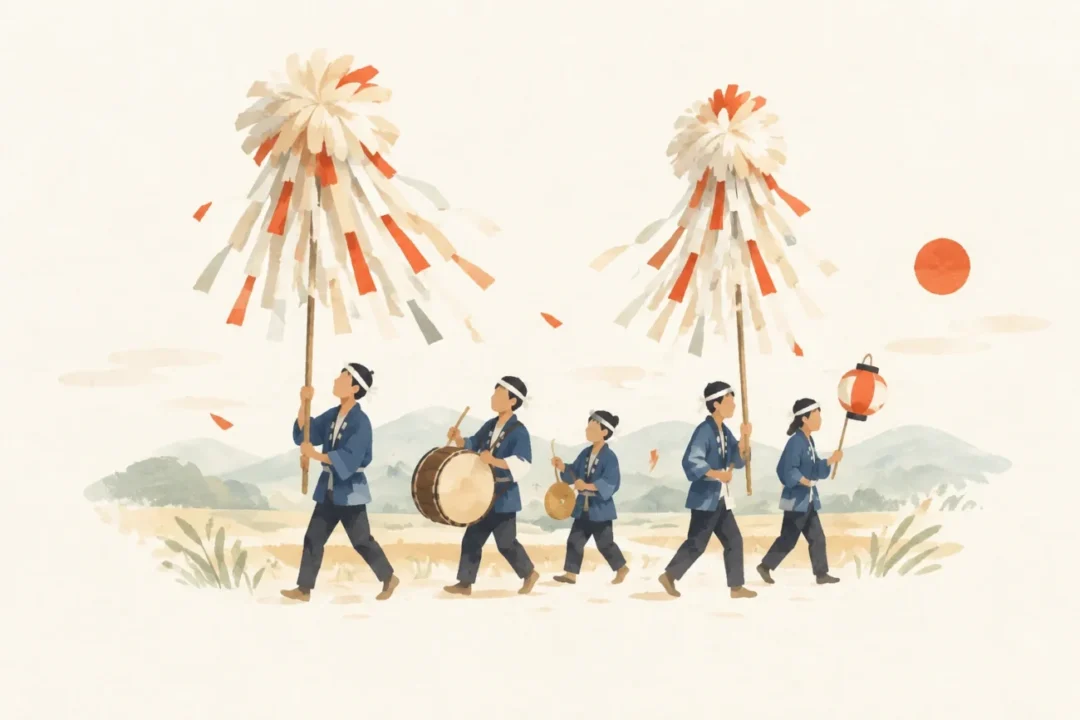
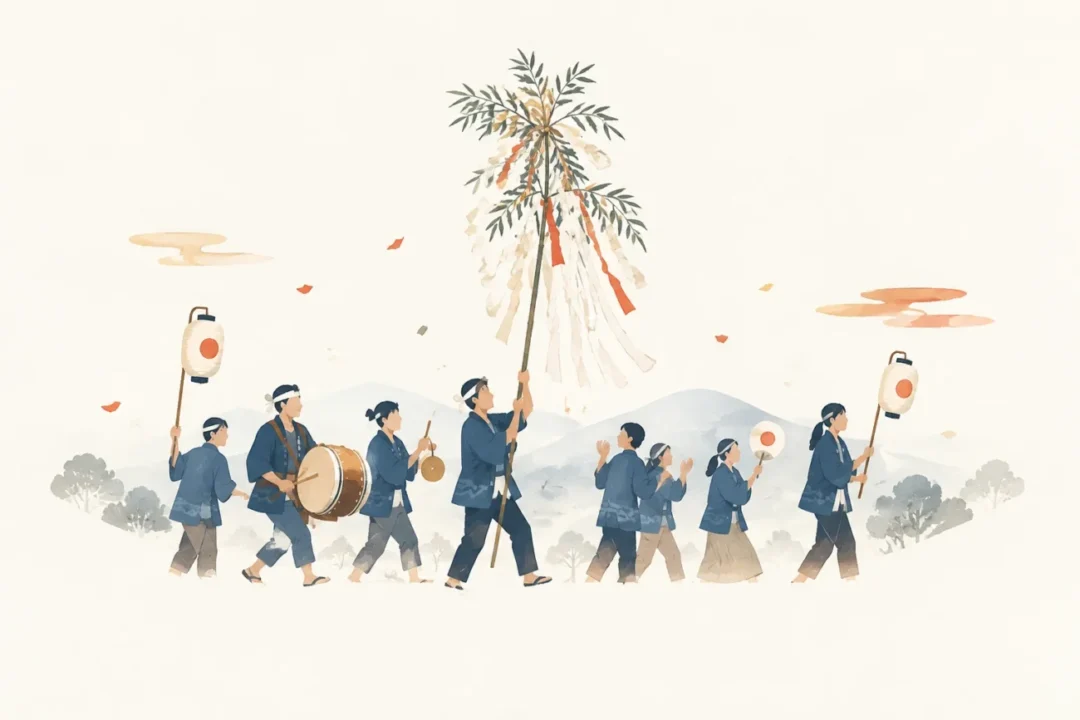
A purification ceremony involving a chinowa, passed down at Komatsu Shrine in Obama, Kamikawa Town. At dusk, people pass through the chinowa and pray for health and protection from illness. At midnight, a purification ritual is held in which katashiro are floated down the irrigation canal. It is an Intangible Folk Cultural Property designated by the town, said to have begun about 700 years ago.
About Komatsu Shrine Chinowa Hoop-Passing Ceremony
The Komatsu Shrine Chinowa Hoop-Passing Ceremony is a festival held as a purification ritual as summer approaches.
Pass through the chinowa at Komatsu Shrine and pray for health and protection from illness.
The ritual is passed down at Komatsu Shrine in Obama, Kamikawa Town, and is also designated an Intangible Folk Cultural Property by the town.
It is a prayerful observance passed down through the community.
Festival highlights
The highlight is watching people pass through the chinowa at dusk and pray for health and protection from illness.
In addition to passing through the hoop, a “misogi purification ritual” is held at midnight.
Another ritual is also passed down, distinct from the daytime chinowa hoop-passing ceremony: a katashiro (paper effigy) is floated down the Abo-ryo Irrigation Canal, and a priest purifies the sacred object by washing it in spring water.
A summer festival at Komatsu, where prayers are offered through the chinowa at dusk and purification rituals
What to expect
At dusk, people pass through the chinowa at Komatsu Shrine and pray for health and protection from illness.
At midnight, the “misogi purification ritual” continues with katashiro floated into the Abo-ryo Irrigation Canal.
Afterward, a priest purifies the sacred object by washing it in spring water.
The ceremony proceeds with people passing through the chinowa, followed by the priestly misogi ritual.
How to take part
The chinowa hoop-passing ceremony is an observance in which people pass through the hoop at dusk and pray for health and protection from illness.
Information indicates that visitors can participate by passing through the chinowa as worshippers.
The midnight misogi purification ritual is a priestly ritual in which katashiro are floated away and the sacred object is purified.
The chinowa hoop-passing ceremony is an observance in which people visit Komatsu Shrine on the festival day, pass through the chinowa, and pray for health and protection from illness.
No special application or registration information is provided.
The midnight misogi purification ritual is described as a ritual performed by a priest.
Location and access
- Venue and address
Komatsu Shrine (640-1 Obama, Kamikawa Town).
- Train and bus
Taxis convenient for sightseeing around town are available from Tansho Station on the JR Hachiko Line.
Travel information for Kamikawa Town includes a bus from Honjo Station to Shinsen General Branch Office via Tansho Station.
- By car
Head toward the Moto-Abo intersection on National Route 254.
From the Tokyo area, it is about 60 minutes from Nerima IC on the Kan-Etsu Expressway to Honjo-Kodama IC, then about 15 minutes from Honjo-Kodama IC via National Routes 462 and 254 to the Tansho Station area, according to the information provided.
Source: アクセスマップ - 神川町観光協会|花と自然と歴史の町へようこそ
Address 640-1 Obama, Kamikawa Town
Dates and season
- Season
Every year on July 31
Accommodation and hotels PR
Showing nearby accommodation.
Prices and availability are current at the time of retrieval. For multi-night stays, only the first night’s price is shown. Confirm the final price and directions to the venue with the booking provider. Select your dates again when using the area search link. Search area: within 3 km of Central Saitama Prefecture / Kamikawa Town (the search is not centered on the festival venue)
Tips for your visit
The chinowa hoop-passing ceremony takes place at dusk, while the misogi purification ritual is held at midnight, so what visitors can see depends on when they visit.
If visiting at night, take care to watch your step and travel safely on your way back.
Origins and History of Komatsu Shrine Chinowa Hoop-Passing Ceremony
The Komatsu Shrine Chinowa Hoop-Passing Ceremony is said to have begun about 700 years ago.
Passed down as a purification ritual held as summer approaches, it is now held on the Gregorian calendar on July 31.
In Showa 62March 10, it was designated an Intangible Folk Cultural Property by the town.
This is a festival that preserves and passes down a traditional form of prayer within the community.
Official information
The cultural property information on the official Kamikawa Town website provides details about the origins and location of the Komatsu Shrine Chinowa Hoop-Passing Ceremony, as well as the chinowa hoop-passing ceremony and the misogi purification ritual.
This is the official information introducing the ceremony as an Intangible Folk Cultural Property designated by the town.
Komatsu Shrine Chinowa Hoop-Passing Ceremony at a Glance
The Komatsu Shrine Chinowa Hoop-Passing Ceremony is a purification ritual passed down at Komatsu Shrine in Obama, Kamikawa Town.
At dusk, people pass through a chinowa and pray for health and protection from illness. At midnight, a misogi purification ritual is held in which katashiro are floated down the irrigation canal and the sacred object is purified.
It is said to have begun about 700 years ago and is also designated an Intangible Folk Cultural Property by the town.
Japanese Festivals.jp Editorial Team
Celebrating local culture and helping you discover a side of Japan you never knew.
Article updated: 2026/10/19
Submit information or a correction Submit photos of this festival