Sogakubo’s unusual festival, where young men carry a bonten and pray for abundance and the prosperity of descendants
Kamo Shrine Bonten Festival
Festival information
EVENT INFORMATION- Season / frequency
- Every year on the second Sunday of March / Every year
- Area
- Tochigi Prefecture・Takanezawa Town(From Tokyo: approx. 50 min–1 h · bullet train)Prefecture-level estimate to a main station or airport, not the venue. Airport access, check-in and onward travel are extra; remote areas and islands can take much longer.
- Highlights and activities
- Wishes behind the festival
- Last updated
- 2026/11/16
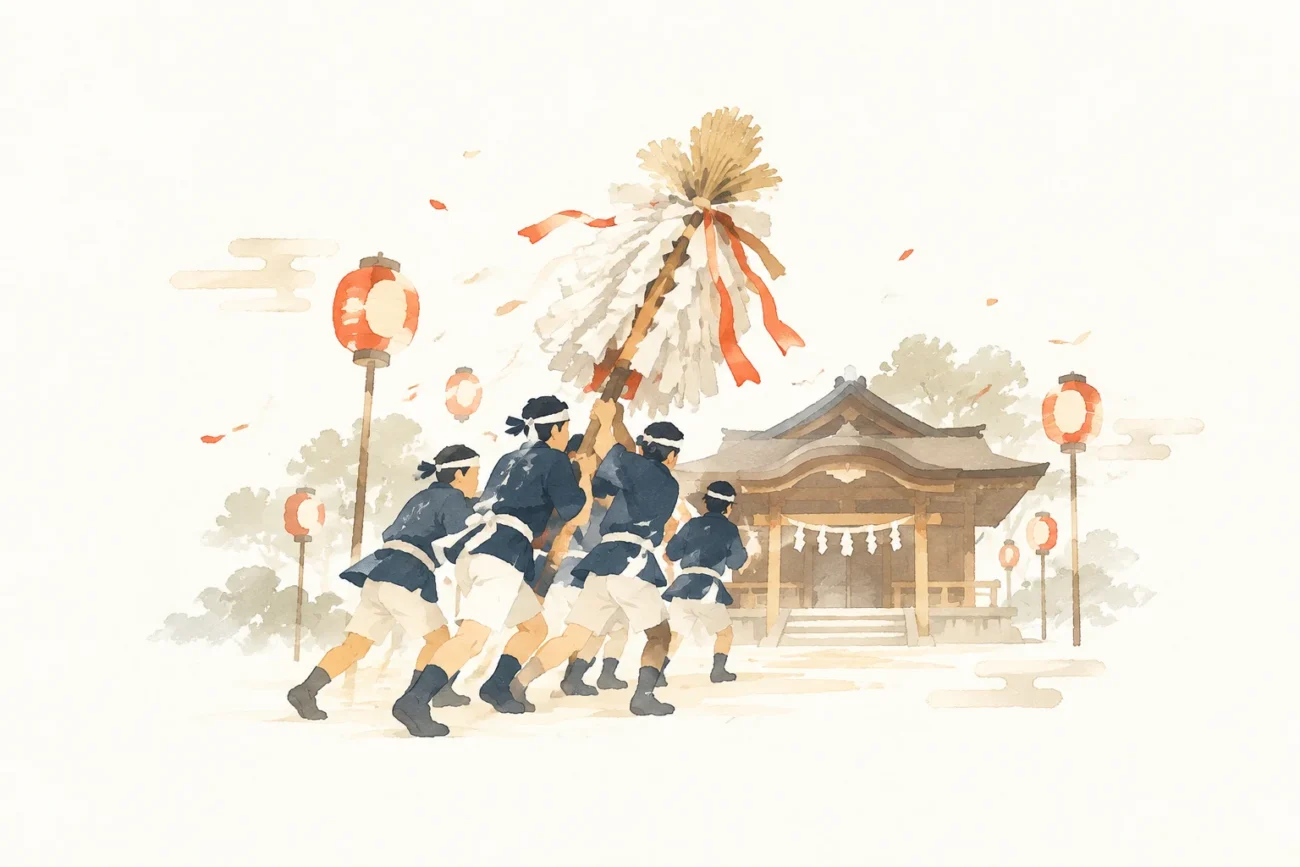
The Kamo Shrine Bonten Festival, handed down in Sogakubo, Takanezawa Town, is a folk event in which young men carry a bonten and repeatedly thrust it into the as a prayer. It is a festival praying for a bountiful harvest of the five grains that has continued since around the late Edo period, and is also said to call thunder.
About Kamo Shrine Bonten Festival
The Kamo Shrine Bonten Festival is an Intangible Folk Cultural Property handed down in Sogakubo, Takanezawa Town.
It is a festival praying for a bountiful harvest of the five grains that has been held since around the late Edo period, and is also said to call thunder.
The is said to be a female deity, and the bonten represents a phallus.
It is a local festival in which young men carry the bonten and pray for good harvests and the prosperity of descendants.
Festival highlights
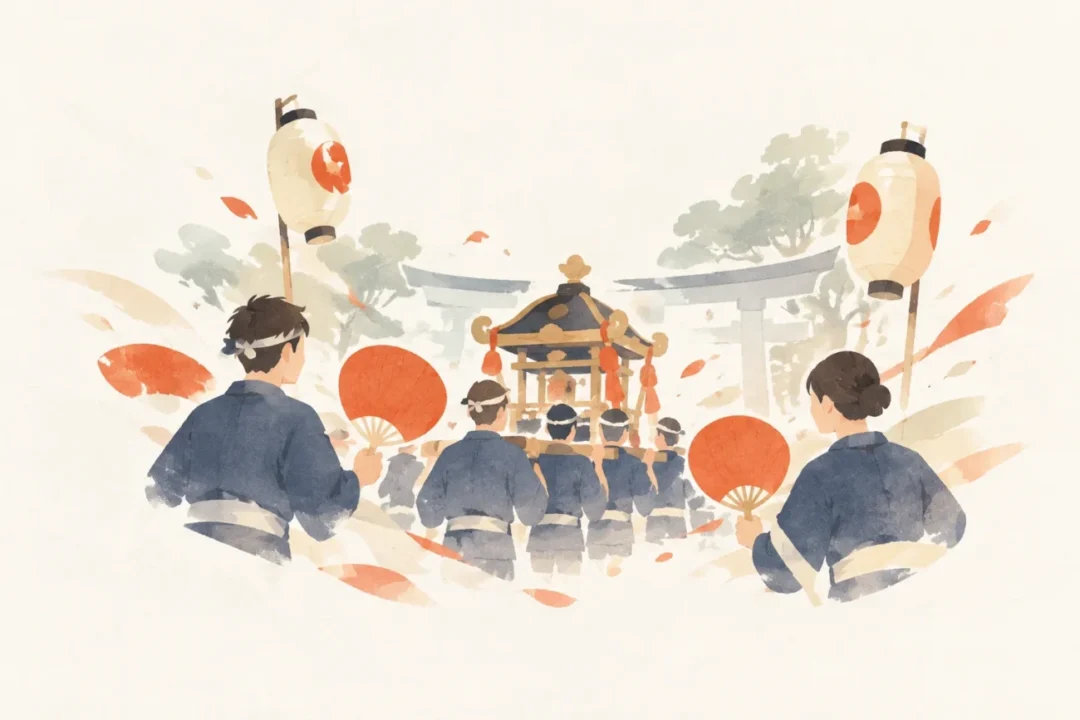
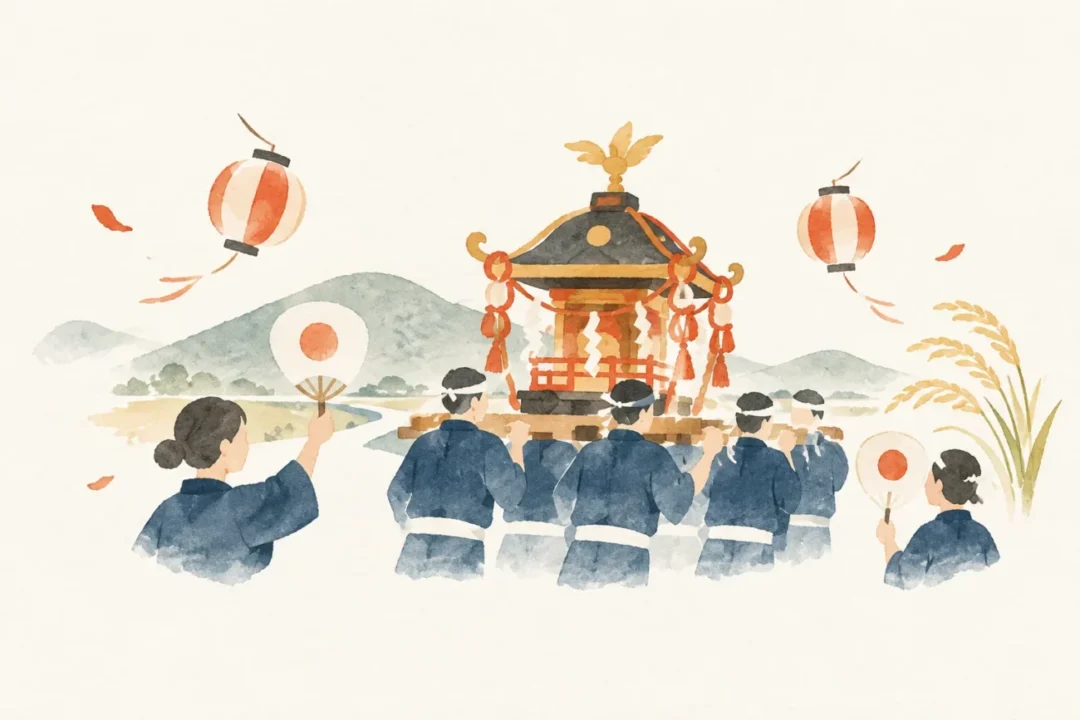
The main highlight is the ritual in which young men carry the bonten and repeatedly thrust it into the haiden.
The bonten is said to represent a phallus and is associated with prayers for the prosperity of descendants.
Along with being a festival praying for a good harvest, it is also said to call thunder, expressing the hopes of rural life and a connection with nature through its rituals.
It is also a town-designated Intangible Folk Cultural Property.
Sogakubo’s unusual festival, where young men carry a bonten and pray for abundance and the prosperity of descendants
What to expect
At the festival, young men carry the bonten.
They repeatedly thrust the bonten into the haiden to pray for the prosperity of descendants.
The event is rooted in prayers for a bountiful harvest of the five grains, and is also said to call thunder.
Available sources describe the specific ritual actions as carrying the bonten and thrusting it into the haiden.
Location and access
- Address
Takanezawa Town
Host municipality 栃木県高根沢町
This map shows the surrounding area, not the exact venue location.
Dates and season
- Season
Every year on the second Sunday of March
- Frequency
Every year
Accommodation and hotels PR
Showing nearby accommodation.
Prices and availability are current at the time of retrieval. For multi-night stays, only the first night’s price is shown. Confirm the final price and directions to the venue with the booking provider. Select your dates again when using the area search link. Search area: within 3 km of Central Tochigi Prefecture / Takanezawa Town (the search is not centered on the festival venue)
Origins and History of Kamo Shrine Bonten Festival
The Kamo Shrine Bonten Festival is said to date back to around the late Edo period.
It is a festival praying for a bountiful harvest of the five grains, and has also been passed down as a festival that calls thunder.
In the present-day event, young men carry a bonten and repeatedly thrust it into the haiden as a prayer.
Takanezawa Town has designated the festival an Intangible Folk Cultural Property, Town Designation No. 31.
Official information
Takanezawa Town’s official page describes the Kamo Shrine Bonten Festival as an Intangible Folk Cultural Property, Town Designation No. 31.
The festival is listed as an event in Sogakubo, with information about its origins around the late Edo period, prayers using the bonten, and its usual time of year.
Kamo Shrine Bonten Festival at a Glance
The Kamo Shrine Bonten Festival is a town-designated Intangible Folk Cultural Property handed down in Sogakubo, Takanezawa Town.
It is a festival praying for a bountiful harvest of the five grains that dates back to around the late Edo period, and is also said to call thunder.
A distinctive feature is the ritual in which young men carry the bonten and repeatedly thrust it into the haiden to pray for the prosperity of descendants.
It is usually held on the second Sunday of March.
Sources and references
Japanese Festivals.jp Editorial Team
Celebrating local culture and helping you discover a side of Japan you never knew.
Article updated: 2026/11/16