A festival pageant of three centuries: Jōhana’s streets adorned by dashi and iori-uta
Jōhana Hikiyama Festival
Festival information
EVENT INFORMATION- Season / frequency
- Every year, May 4 and the 5th / Every year
- Location
- Central Jōhana
- Area
- Toyama Prefecture・Nanto City(From Tokyo: approx. 2 h 10 min–2 h 40 min · bullet train)Prefecture-level estimate to a main station or airport, not the venue. Airport access, check-in and onward travel are extra; remote areas and islands can take much longer.
- Highlights and activities
- Wishes behind the festival
- Official website / social media
- Official website
- Last updated
- 2026/10/19
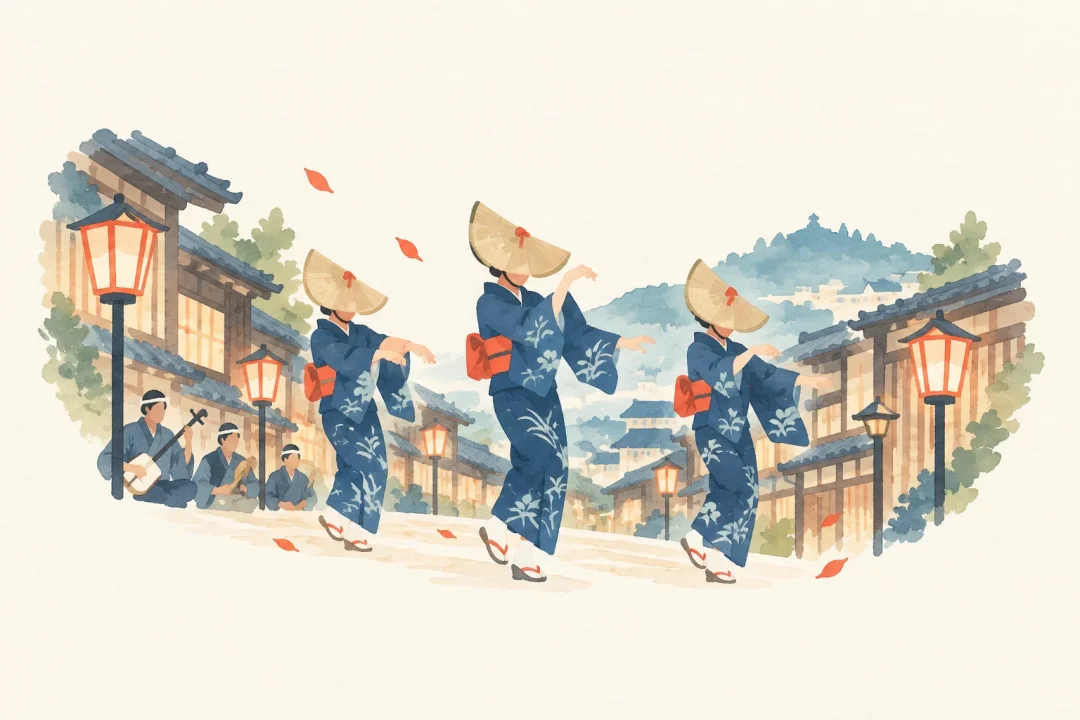
This traditional festival brings the streets of Jōhana, Nanto City, to life with magnificent , an yagatai, and the melodies of iori-uta. Processions accompanied by and , followed by the lantern-lit dashi in the evening, bring a festive atmosphere to Jōhana’s historic streets.
About Jōhana Hikiyama Festival
Photo credits and terms of use
Photographer: Nobuyuki Matsuda File:城端町 曳山祭り SLKY20180505 0000057.jpg / Wikimedia Commons / CC BY-SA 4.0 Own work by the contributorDisplay size only adjusted.May differ from the event currently featured.Photo credits and terms of use
Photographer: Nobuyuki Matsuda File:城端町 曳山祭り 20180505 0000082.jpg / Wikimedia Commons / CC BY-SA 4.0 Own work by the contributorDisplay size only adjusted.May differ from the event currently featured.Photo credits and terms of use
Photographer: tsuda File:Johana hikiyama kaikan.jpg / Wikimedia Commons / CC BY-SA 2.0 https://www.flickr.com/photos/tsuda/2544807086/in/photolist-4SSNuf-3bKV8Z-7UjvhF-3bDGEJ-2iH1s-4Zn7Ey-xFipf-JhMCv-fdLyp-6nw4nb-JvUX8-DQjt1t-GapPYM-Ggefbp-GhHXW6-8SKFZ-xxP2ep-D62ceB-FXxS1J-xFtDn-M6uree-KC5Ke1-Leapyr-NF8kk9-et1Cpr-et4Rvd-et1C3P-et4Re1-et1BJH-et1Ba2-et1APF-et1ADH-et4MxN-et1xnP-et1wb4-et1tLX-et4H83-et4GVm-et1ta4-et1sxr-et1r3R-et4EqN-et4Cqh-et1kZZ-et4ygA-et4wHL-et1hx8-et4siw-et1cp6-et181xDisplay size only adjusted.May differ from the event currently featured.The Jōhana Festival is a festival of Jōhana Shinmei Shrine that brings spring to Jōhana, Nanto City.
Held each year on the Yoimatsuri of May 4 and the main festival on the 5th, it carries on a 300-year tradition.
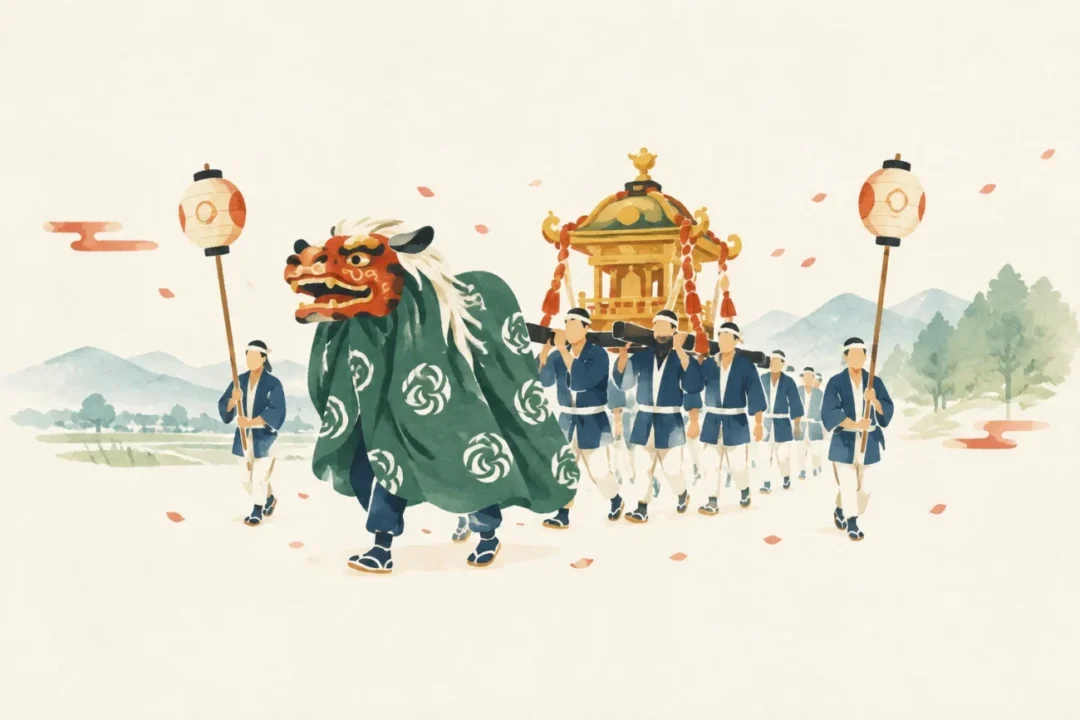
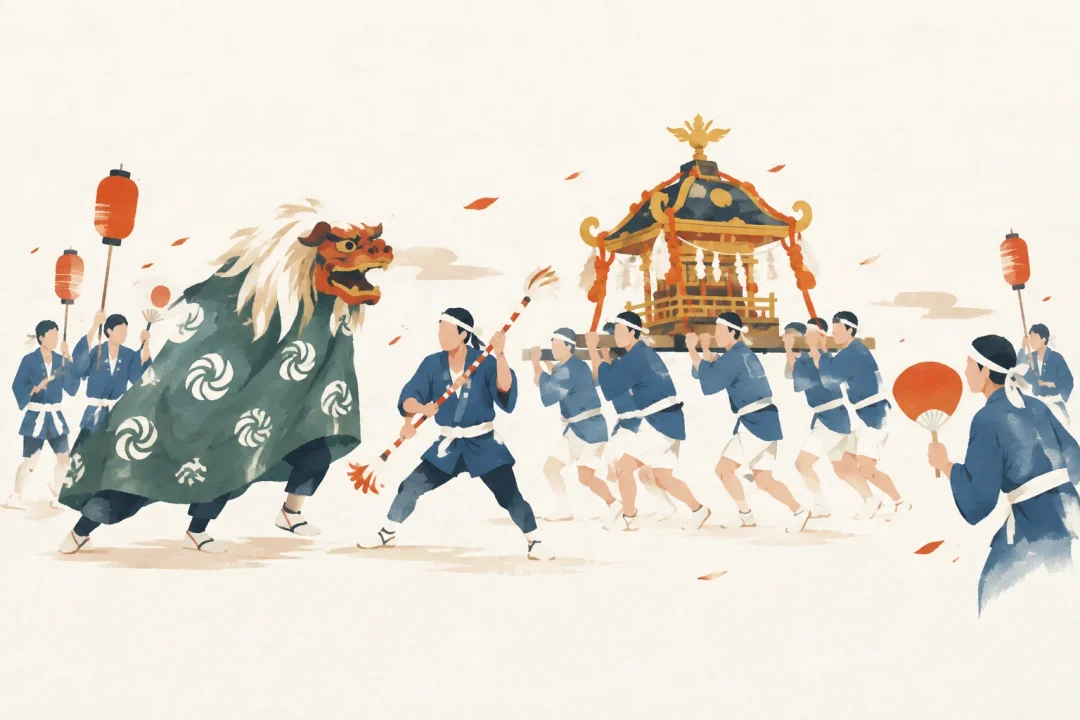
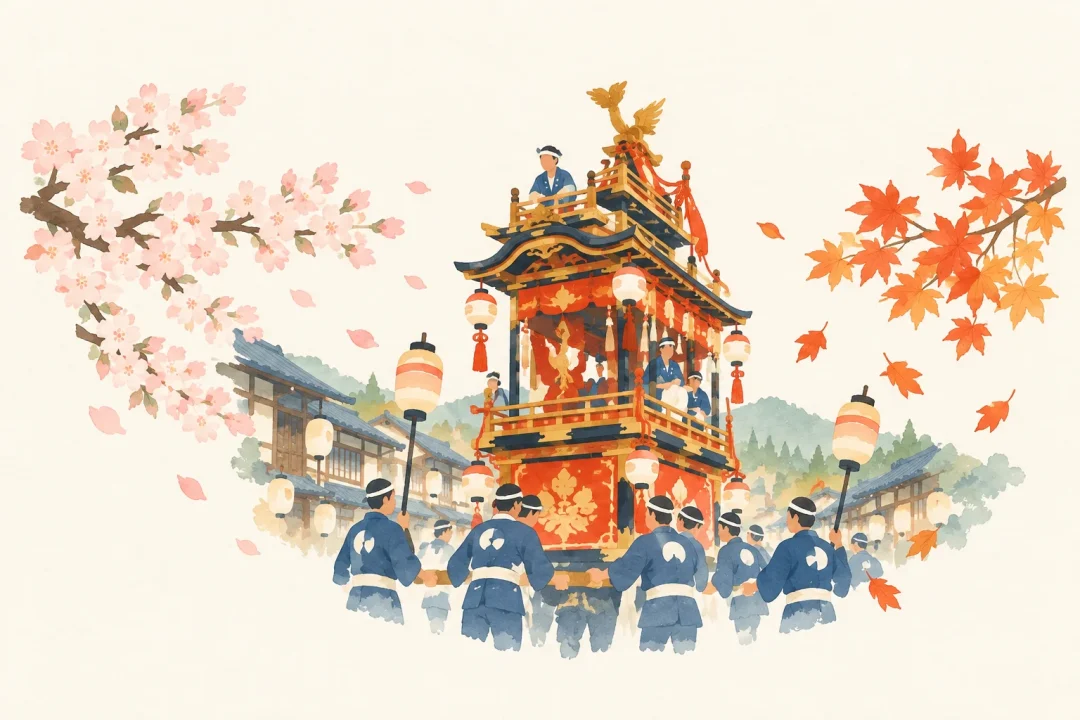
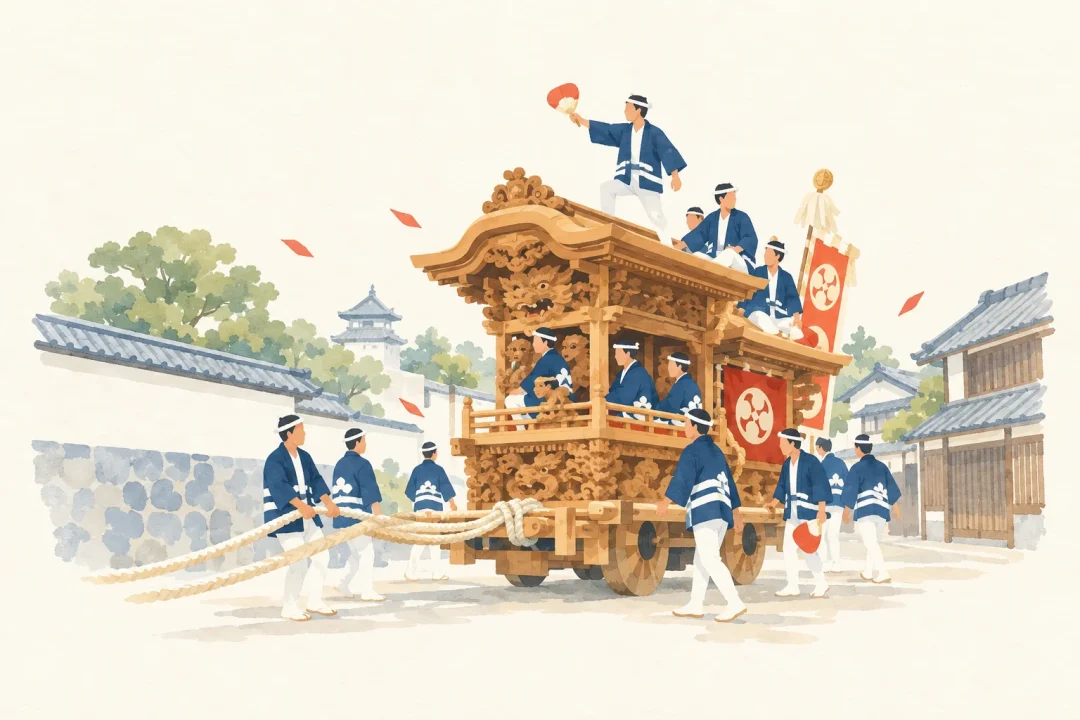
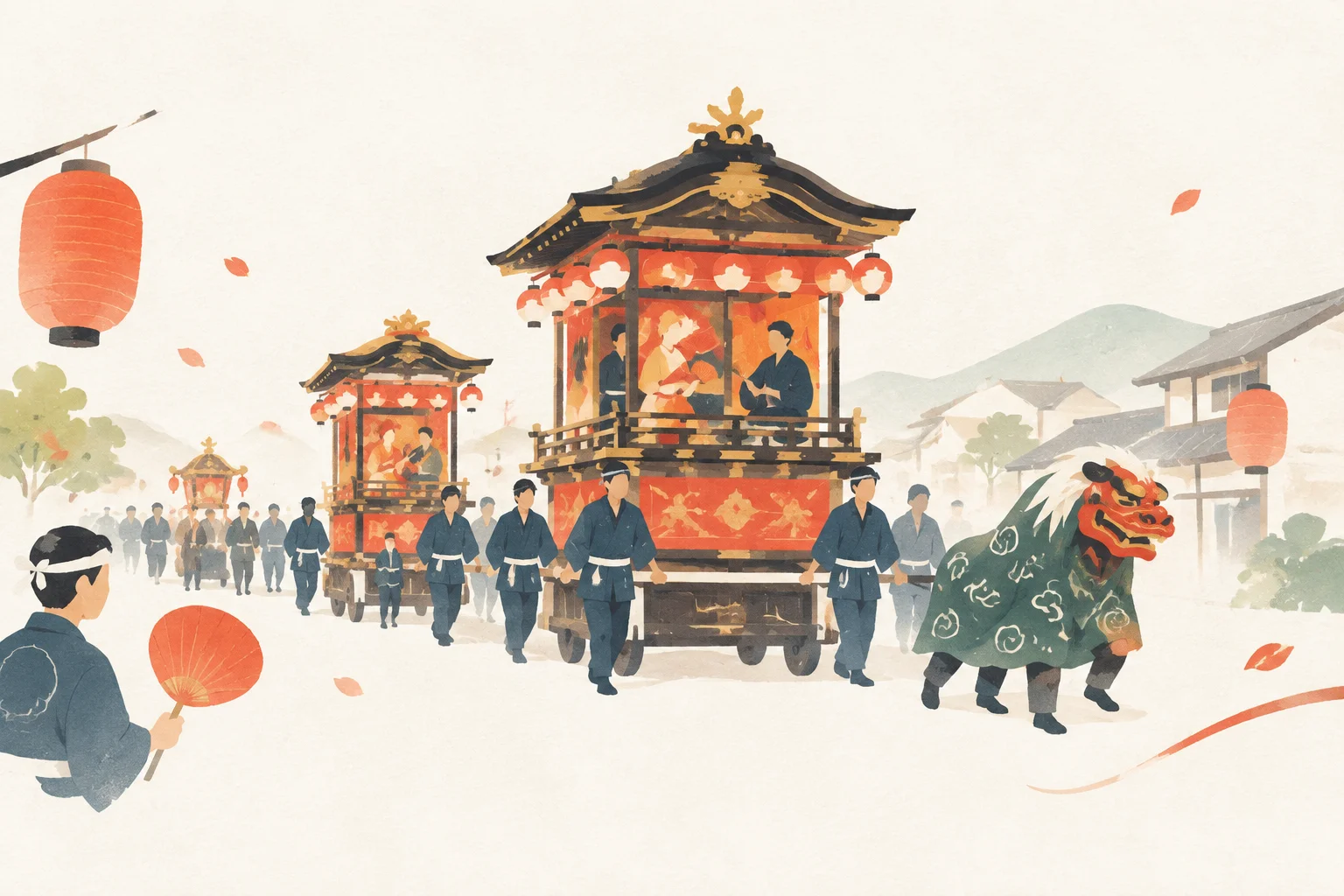
Six dashi bearing sacred statues, an yagatai, lion dances, and mikoshi make their way through Jōhana.
The festival is also registered as a UNESCO Intangible Cultural Heritage event for preserving the festival traditions of the Edo period.
Source: 城端曳山会館/南砺市 / 城端曳山祭 | イベント | 【公式】富山県の観光/旅行サイト「とやま観光ナビ」
Festival highlights
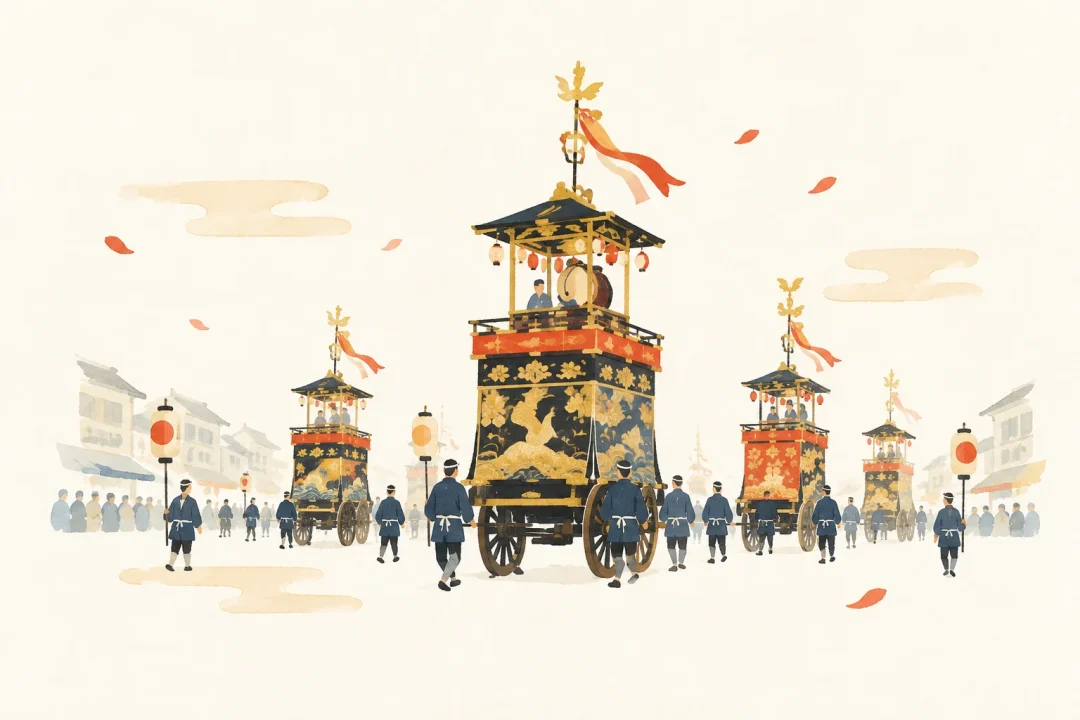
Highlights include six dashi adorned with intricate carvings and lacquerwork, led by an yagatai.
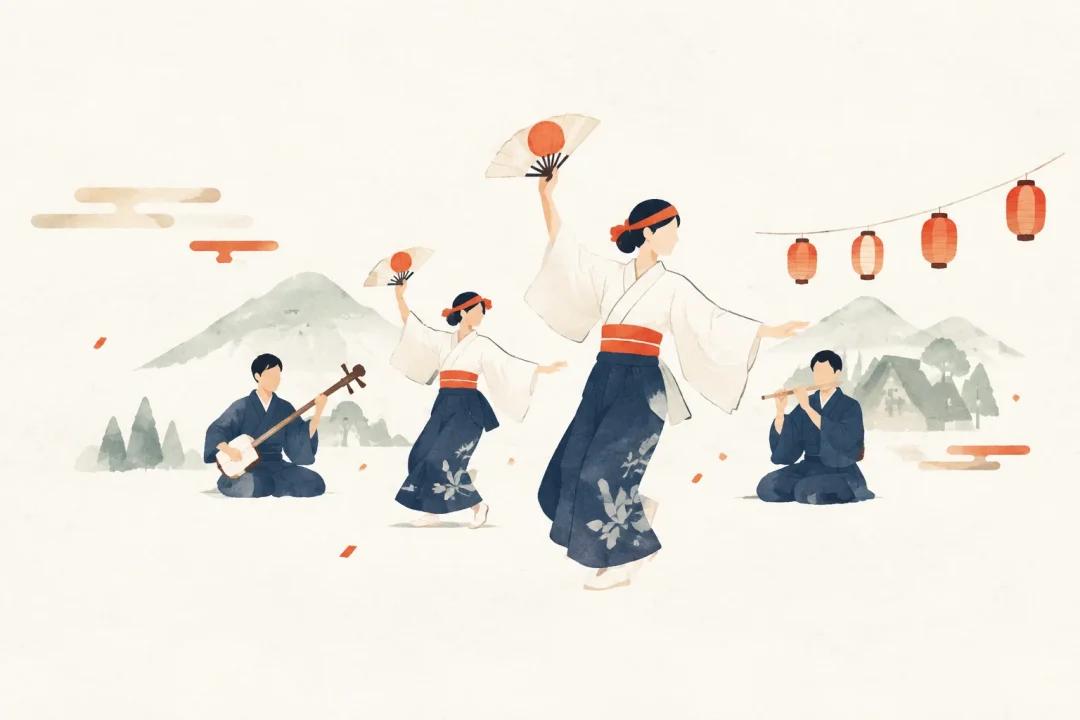
From the an yagatai, performers present Jōhana’s distinctive iori-uta, a style descended from Edo-period hauta, accompanied by flute and shamisen.
During the main festival, the dashi parade through town, with moments when their roofs are raised on narrow streets or they make sharp turns on slopes.
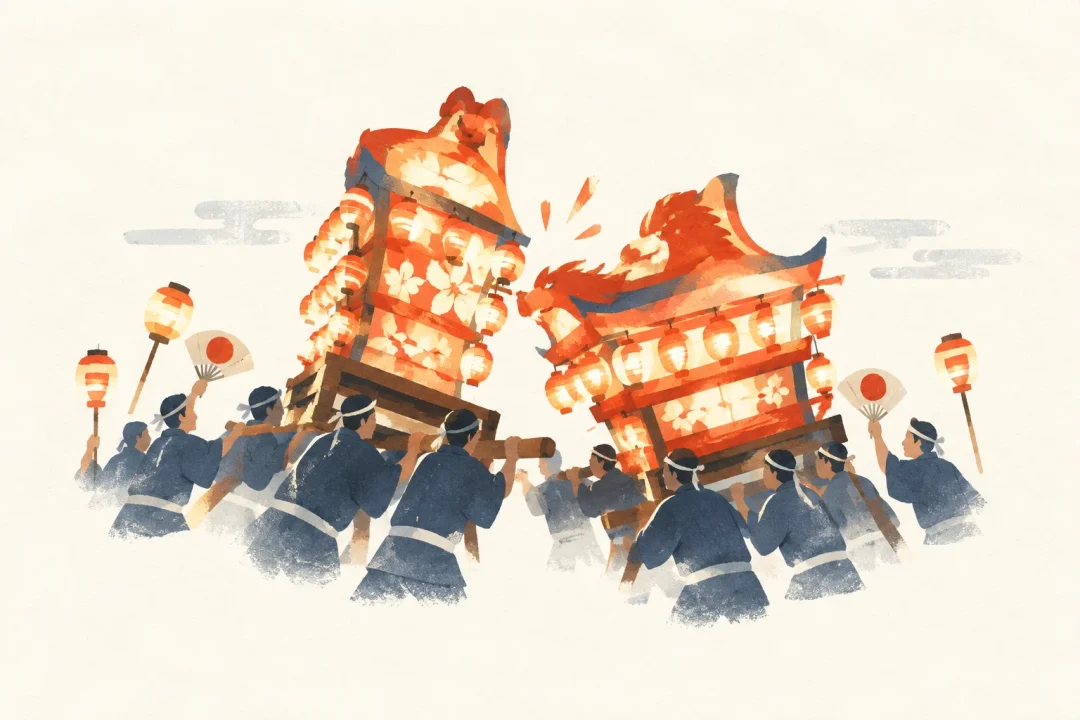
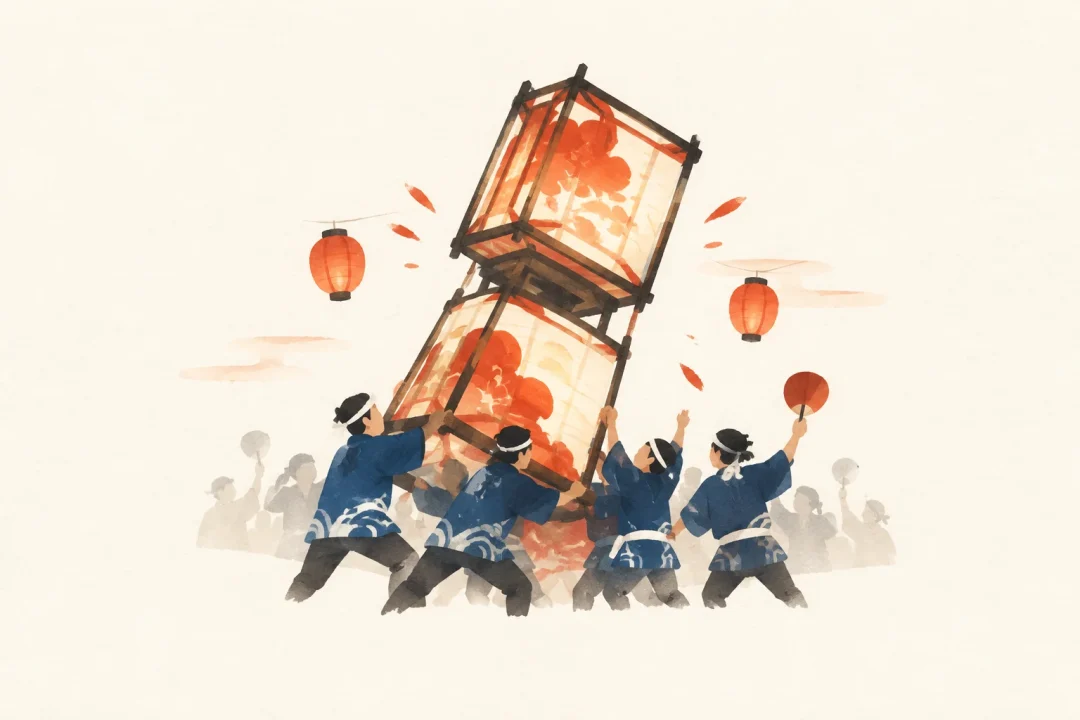
In the evening, the dashi are lit with lanterns, taking on a different appearance from the daytime.
Source: 城端曳山祭のスケジュール・みどころ|五箇山NANTO観光機構|富山県南砺市
A festival pageant of three centuries: Jōhana’s streets adorned by dashi and iori-uta
What to expect
During the Yoimatsuri, dashi and an yagatai are displayed in each neighborhood, and sacred statues are placed in yamayado.
At Jōhana-za, young members of the six neighborhood groups perform iori-uta, and lion dances and the Urayasu Dance are also performed.
The main festival begins with a mikoshi procession, followed by a parade of dashi and an yagatai that gather in front of Jōhana Betsuin Zentokuji Temple.
At dusk, lanterns are lit and the nighttime parade begins, proceeding through each neighborhood to the sound of iori-uta.
Location and access
- Venue and address
Central Jōhana (Jōhana, Nanto City, Toyama Prefecture).
- Train and bus
About a 10-minute walk from Jōhana Station on the JR Jōhana Line.
- By car
About 9 minutes from Jōhana SIC and about 3 minutes from Fukumitsu IC on the Tōkai-Hokuriku Expressway.
- Parking
About 1,000 parking spaces are available at various locations in Jōhana, and parking is free.
Source: 城端曳山祭のスケジュール・みどころ|五箇山NANTO観光機構|富山県南砺市
Address Jōhana, Nanto City, Toyama Prefecture
Dates and season
It is held each year on May 4 and the 5th. The 4th is the eve festival, and the 5th is the main festival.
The eve festival runs from 6 p.m. to 10 p.m., and the main festival from 10 a.m. until around 10 p.m. On the 5th, the mikoshi procession begins at 9 a.m.
On the main festival day, the hikiyama procession takes place during the day, followed by a procession of lantern-adorned floats in the evening.
The program may change in the event of rain, and the festival will be canceled in severe weather.
Accommodation and hotels PR
Showing nearby accommodation.
Prices and availability are current at the time of retrieval. For multi-night stays, only the first night’s price is shown. Confirm the final price and directions to the venue with the booking provider. Select your dates again when using the area search link. Search area: within 3 km of Central Toyama Prefecture / Nanto City (the search is not centered on the festival venue)
Tips for your visit
The parade times are approximate and may vary depending on the day’s proceedings.
No dashi are paraded during the Yoimatsuri; instead, visitors can view the decorated dashi and sacred statues in the yamayado in each neighborhood.
During the main festival, mikoshi and dashi process through the town, so it is a good idea to move early to catch the scenes you want to see.
Some events may be changed or canceled in rainy weather, and the festival itself will be canceled in severe weather.
Nearby attractions
Near the festival venue are the Jōhana Hikiyama Museum, the storehouse district known as Kura Corridor, and Jōhana Betsuin Zentokuji Temple.
The Jōhana Hikiyama Museum permanently displays kasaboko, dashi, and an yagatai, and also presents footage of the festival.
During the main festival parade, Imanomachi Street, home to the Kura Corridor storehouse district, is another highlight.
The festival offers a chance to experience Jōhana’s historic streets and dashi culture.

南砺市立福光美術館
日本の富山県南砺市にある公立美術館

福野文化創造センターヘリオス
富山県南砺市の博物館・美術館のスポットです。

高瀬神社
富山県南砺市高瀬にある神社
Origins and History of Jōhana Hikiyama Festival
The Jōhana Hikiyama Festival is an event that preserves festival traditions from the Edo period into the present day.
Held each year on May 4 and the 5th as a festival of Jōhana Shinmei Shrine, it has become closely connected with the local culture of Jōhana, whose streets retain traces of its history as a temple town.
It was designated a Toyama Prefecture Intangible Folk Cultural Property in Showa 56 and a National Important Intangible Folk Cultural Property in Heisei 14 February.
In Heisei 28 November 30, it was registered as a UNESCO Intangible Cultural Heritage event.
Official information
Official information is available on the Jōhana Hikiyama Festival’s official page, provided by the Gokayama NANTO Tourism Association.
The festival schedule, highlights, and arrangements for rainy weather are listed.
The phone number for the Jōhana Hikiyama Museum is also provided as a contact.
Jōhana Hikiyama Festival at a Glance
The Jōhana Hikiyama Festival is a traditional event where visitors can enjoy six magnificent dashi, iori-uta performed from an yagatai, and processions featuring lion dances and mikoshi in the streets of Jōhana.
The Yoimatsuri on the 4th centers on decorated dashi and yamayado, while the main festival on the 5th features a mikoshi procession and dashi parade.
In the evening, lantern-lit dashi parade through the town, creating a different atmosphere from the daytime.
This cultural heritage event, which preserves festival traditions of the Edo period, has been passed down along with Jōhana’s historic streets.
Japanese Festivals.jp Editorial Team
Celebrating local culture and helping you discover a side of Japan you never knew.
Article updated: 2026/10/19
Submit information or a correction Submit photos of this festival