An autumn highlight in Kumamoto: a historical pageant of mikoshi and zuibyo
Fujisaki Hachimangu Autumn Grand Festival

The 2026 edition of Fujisaki Hachimangu Autumn Grand Festival has ended.
Festival information
EVENT INFORMATION- Dates
- 2026/09/13 〜 2026/09/20Ended
- Season / frequency
- Mid-September / Every year
- Location
- Fujisaki Hachimangu Shrine
- Area
- Kumamoto Prefecture・Kumamoto City(From Tokyo: approx. 1 h 50 min–2 h 10 min · flight time only)Prefecture-level estimate to a main station or airport, not the venue. Airport access, check-in and onward travel are extra; remote areas and islands can take much longer.
- Features
- Highlights and activities
- Wishes behind the festival
- Participation / viewing
- Spectators welcome
- Participation fee
- Free (the dedication dance and Daikagura on September 13, and Noh on September 20, are open to the public)
- Last updated
- 2026/10/19
With a history of more than 1,000 years, the Fujisaki Hachimangu Autumn Grand Festival is an annual festival that brings Kumamoto’s autumn to life through Shinto rites and dedication events.
About Fujisaki Hachimangu Autumn Grand Festival
The Fujisaki Hachimangu Autumn Grand Festival is an annual festival handed down at Fujisaki Hachimangu Shrine in Chuo Ward, Kumamoto City.
With a history of more than 1,000 years, it is deeply rooted in the community as a festival that heralds autumn in Kumamoto.
In a typical year, the sacred procession, zuibyo guards, and decorated horses make their way through the city, combining Shinto rites and dedication events.
In 2026, the sacred procession and other events were canceled due to the Kumamoto earthquake, and ceremonies were held mainly on the .
Source: 藤崎宮|熊本総鎮守 藤崎八旛宮公式サイト / 例大祭 – 藤崎宮|熊本総鎮守 藤崎八旛宮公式サイト / 令和8年藤崎八旛宮例大祭 祭典・行事日程(予定) – 藤崎宮|熊本総鎮守 藤崎八旛宮公式サイト
Festival highlights
The main highlight in a typical year is the sacred procession, led by 4 , followed by a procession of zuibyo guards in armor.
At the end of the procession come colorful decorated horses and groups of handlers, moving through the city amid shouts and the sounds of instruments.
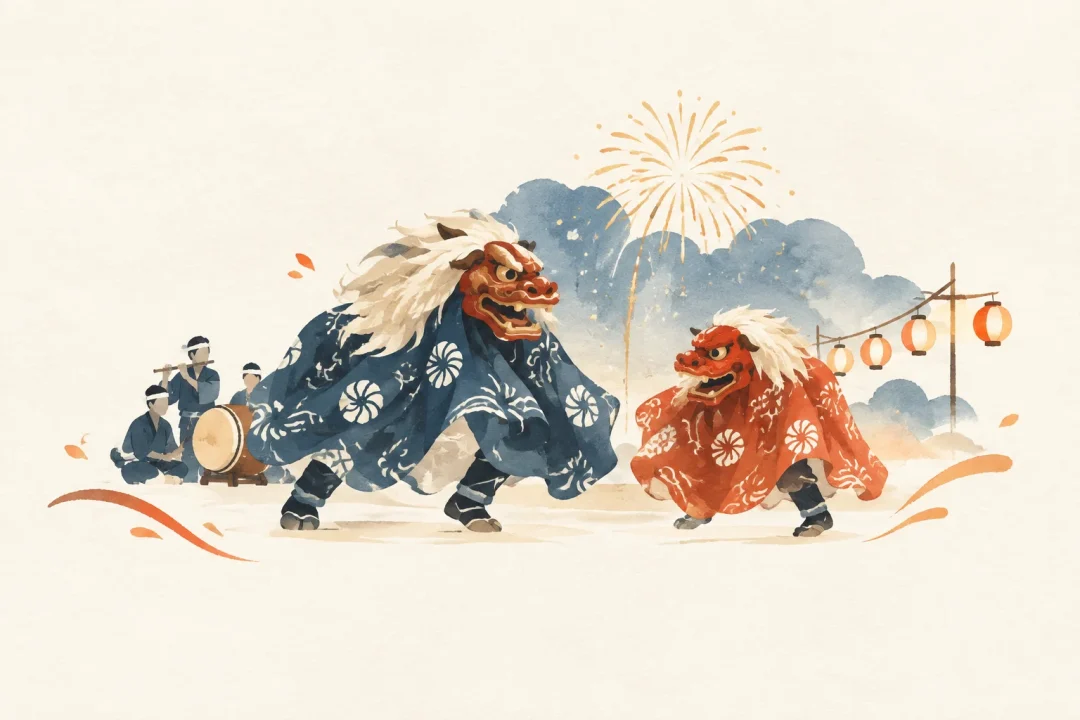
Traditional events on the shrine grounds, including the lion dance from Shinmachi, Daikagura, and dedication dances, are also highlights.
In 2026, the city procession and the dedication of decorated horses were canceled, and events on the shrine grounds became the main focus.
Source: 藤崎八旛宮秋季例大祭 - Wikipedia
An autumn highlight in Kumamoto: a historical pageant of mikoshi and zuibyo
What to expect
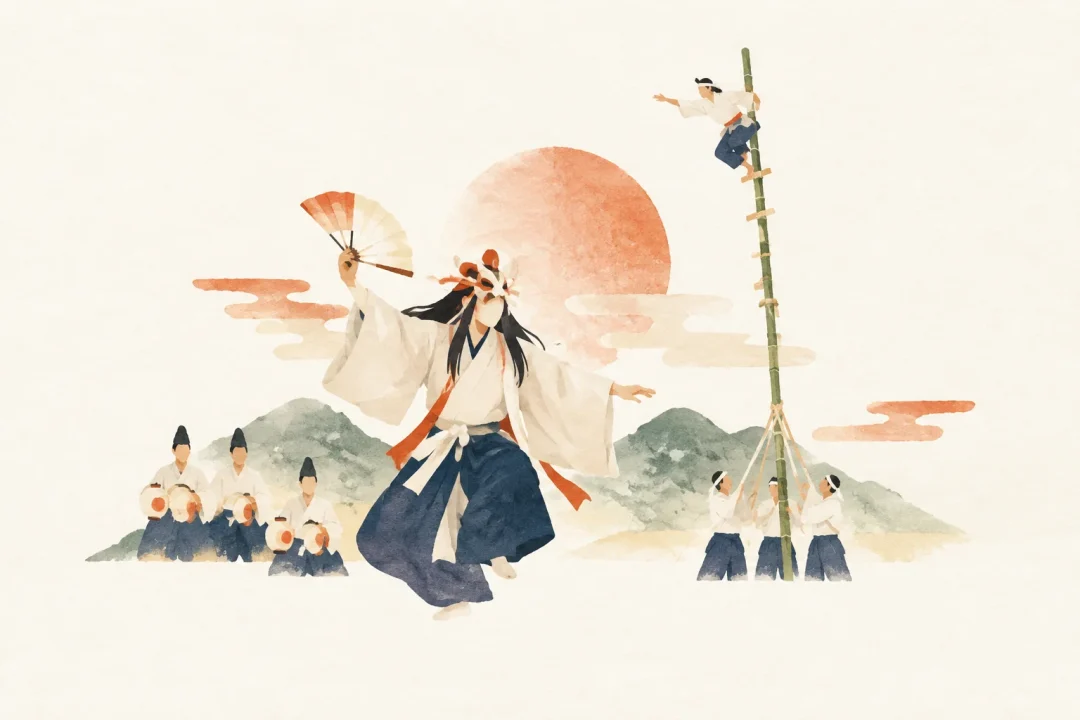
The Grand Festival spans several days and includes ceremonies such as the First Day Festival, Second Day Festival, and Hōhei Festival, as well as Shishi Kazari Oroshi, dedication dances, Daikagura, a dedication tea ceremony, flower arranging, and Noh.
In a typical year, the sacred procession proceeds in this order: mikoshi, zuibyo guards, lion dancers, children’s mikoshi, and decorated horses.
In 2026, the sacred procession and events related to decorated horses were canceled, while ceremonies and dedication events were held on the shrine grounds.
How to take part
Each year, Kumamoto residents, (shrine parishioners), and participating groups support the festival and dedicate decorated horses and other offerings.
However, in 2026, the sacred procession, zuibyo procession, decorated horses, and other events were canceled, and there was no procession for general visitors to join.
Visitors can attend the dedication events on the shrine grounds as spectators.
Participation requirements vary by event, so individual guidance is needed on how to take part as a volunteer.
Location and access
- Venue and address
Fujisaki Hachimangu Shrine (3-1 Ikawafuchi-machi, Chuo Ward, Kumamoto City).
- Train and bus
About a 6-minute walk from Fujisakigu-mae Station on the Kumamoto Electric Railway Fujisaki Line.
For buses, get off at “Fujisakigu-mae”; the shrine is a 5-minute walk away.
- By car
From the Kumamoto IC on the Kyushu Expressway, the shrine is approximately 6 km away, with an estimated drive of 20–30 minutes.
- Parking
There is parking for about 100 cars, but use may be restricted during the festival.
Source: 熊本最大?藤崎八旛宮例大祭の魅力 – 九州TV
Address 3-1 Ikawafuchi-machi, Chuo Ward, Kumamoto City
Dates and season
2026 event information (the listed dates have passed)
The 2026 Grand Festival ran from September 13 (Sun), the 14th (Mon), the 15th (Tue), the 19th (Sat), and the 20th (Sun).
The First Day Festival, Shishi Kazari Oroshi, a dedication dance, Daikagura, and other events were held on September 13. The Second Day Festival and the dedication tea ceremony were held on the 14th, and the Hōhei Festival on the 15th.
Dedication flower arranging was scheduled for the 19th, and Noh and dedication flower arranging for the 20th.
Due to the Kumamoto earthquake, the sacred procession, zuibyo procession, decorated horses, and other events on the 20th were canceled.
Accommodation and hotels PR
Showing nearby accommodation.
Prices and availability are current at the time of retrieval. For multi-night stays, only the first night’s price is shown. Confirm the final price and directions to the venue with the booking provider. Select your dates again when using the area search link. Search area: within 3 km of Central Kumamoto Prefecture / Kumamoto City (the search is not centered on the festival venue)
Tips for your visit
In 2026, the sacred procession and the dedication of decorated horses were canceled. Please keep this in mind if you are visiting to see the usual city procession.
Event start times and venues vary, and changes to the times of dedication events have also been announced as possible.
Road and parking restrictions may apply in the area during the festival, so public transportation is a convenient option.
Please observe quietly on the shrine grounds so as not to disrupt the ceremonies.
Nearby attractions

水前寺江津湖公園
熊本市にある公園

肥後の里山ギャラリー
熊本県の博物館・美術館のスポットです。

くまもと工芸会館
熊本市南区にある文化施設 (1991 - )

リデル・ライト両女史記念館
熊本市中央区にある博物館

加藤神社
熊本県熊本市の熊本城内にある神社

北岡神社
熊本県熊本市西区にある神社

島田美術館
熊本県熊本市西区島崎にある美術館

水前寺成趣園
熊本市中央区にある大名庭園

熊本国際民藝館
熊本市北区にある博物館

熊本城稲荷神社
熊本県熊本市にある神社

熊本大学五高記念館
熊本県の博物館・美術館のスポットです。
写真:910MoLT at Japanese Wikipedia / CC BY-SA 3.0
Photo source ·
熊本大神宮
中央区にある神社
Origins and History of Fujisaki Hachimangu Autumn Grand Festival
This Grand Festival has been passed down from its origins as Hōjō-e, a ceremony that honors and cherishes life.
The form of Hōjō-e fell out of use following the Meiji-era edict separating Shinto and Buddhism, but the name of the Grand Festival and its traditions have been preserved.
Zuibyo are said to originate from Kato Kiyomasa leading his soldiers to accompany the sacred procession in gratitude to the kami for his safe return from battle.
Decorated horses originated as mounts for the shrine attendants accompanying the procession, and their adornments became more elaborate from the Edo period onward.
Official information
The official Fujisaki Hachimangu website’s guide to the annual festival provides the 2026 festival schedule and information about the cancellation of the sacred procession, as well as the offerings and performances held within the shrine grounds.
Fujisaki Hachimangu Autumn Grand Festival at a Glance
The Fujisaki Hachimangu Autumn Grand Festival originated as a Hōjō-e ceremony and conveys Kumamoto’s history and local culture through the sacred procession, zuibyo guards, decorated horses, and other traditions.
In a typical year, the main event is a large procession through the city, but in 2026, the sacred procession and the dedication of decorated horses were canceled due to the Kumamoto earthquake.
Events held on the shrine grounds included the First Day Festival, Shishi Kazari Oroshi, Daikagura, dedication dances, and Noh.
When visiting, check the dates and times of each event and the traffic information, and observe in a manner appropriate to a religious ceremony.
Japanese Festivals.jp Editorial Team
Celebrating local culture and helping you discover a side of Japan you never knew.
Article updated: 2026/10/19
Submit information or a correction Submit photos of this festival