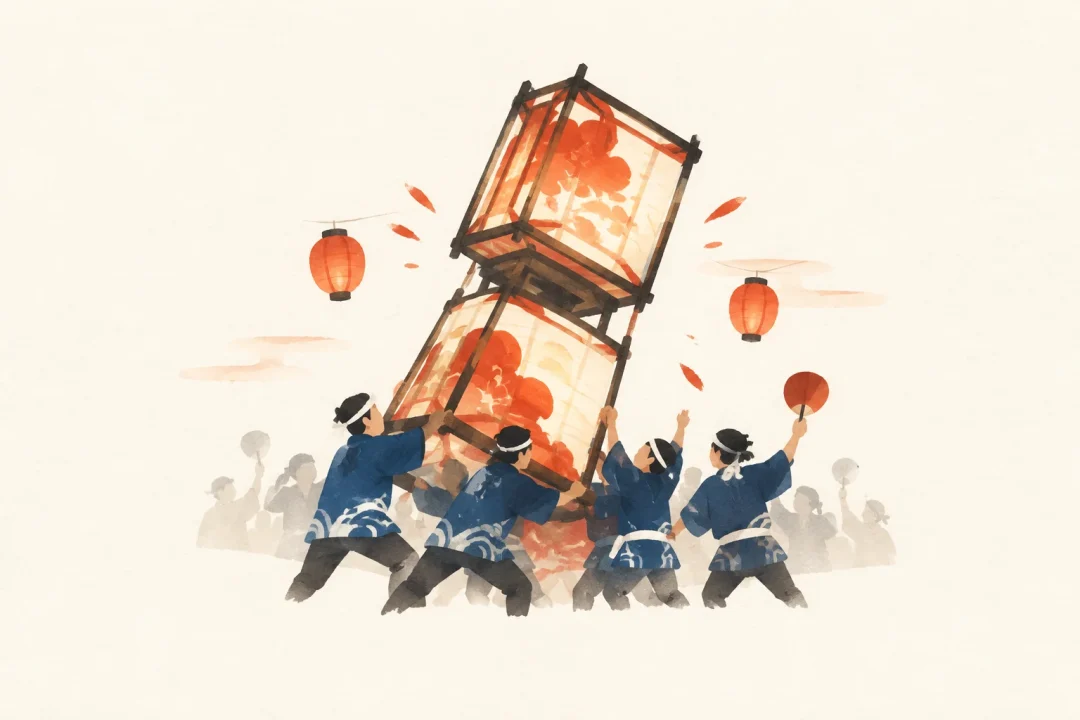
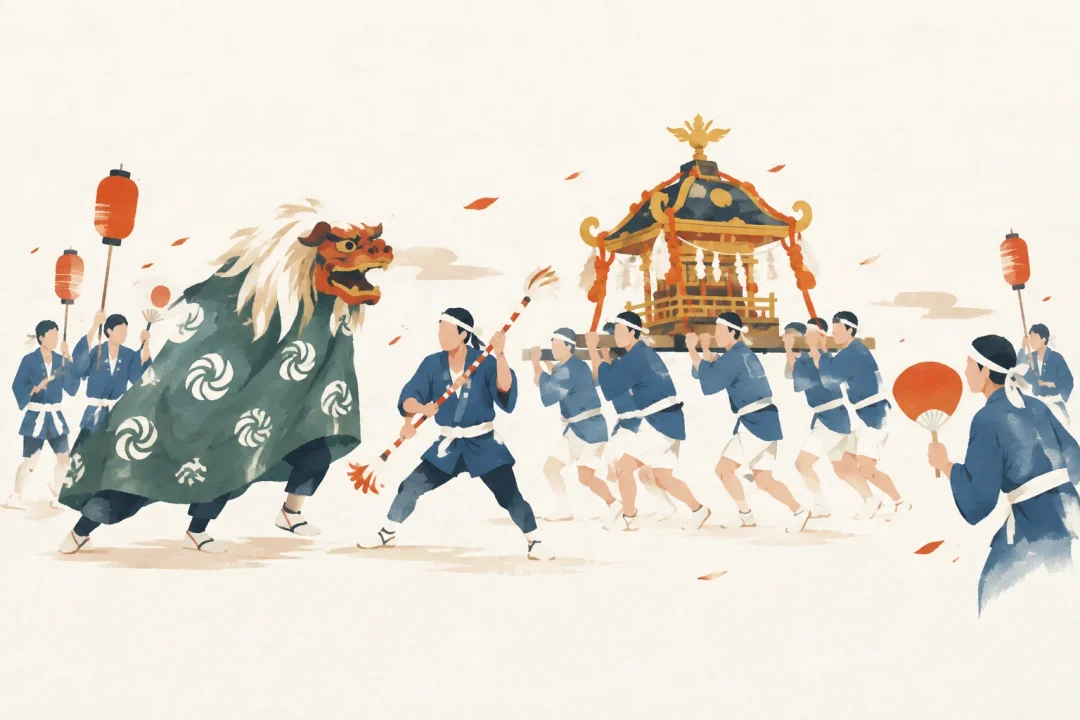
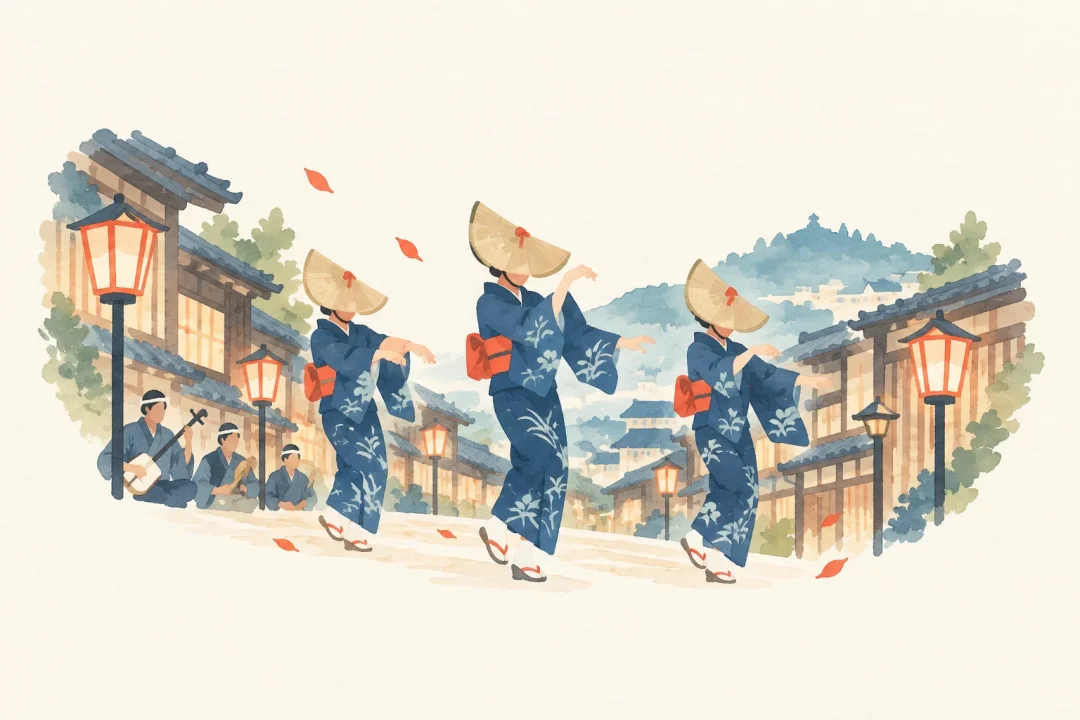
A spring festival with mikoshi and lion dances parading through a town of woodcarving
Yoiyasa Festival
The 2026 edition of Yoiyasa Festival has ended.
Festival information
EVENT INFORMATION- Dates
- 2026/05/02 〜 2026/05/03Ended
- Season / frequency
- Every year on May 2 and 3 / Every year
- Location
- Inami Hachiman Shrine and other locations throughout the Inami area and urban district
- Area
- Toyama Prefecture・Nanto City(From Tokyo: approx. 2 h 10 min–2 h 40 min · bullet train)Prefecture-level estimate to a main station or airport, not the venue. Airport access, check-in and onward travel are extra; remote areas and islands can take much longer.
- Features
- Highlights and activities
- Participation / viewing
- Spectators welcome
- Participation fee
- Admission is free. Applications to carry the 2026 Hana are free of charge.
- Required number of participants
- The large mikoshi requires more than 40 carriers
- Last updated
- 2026/10/19
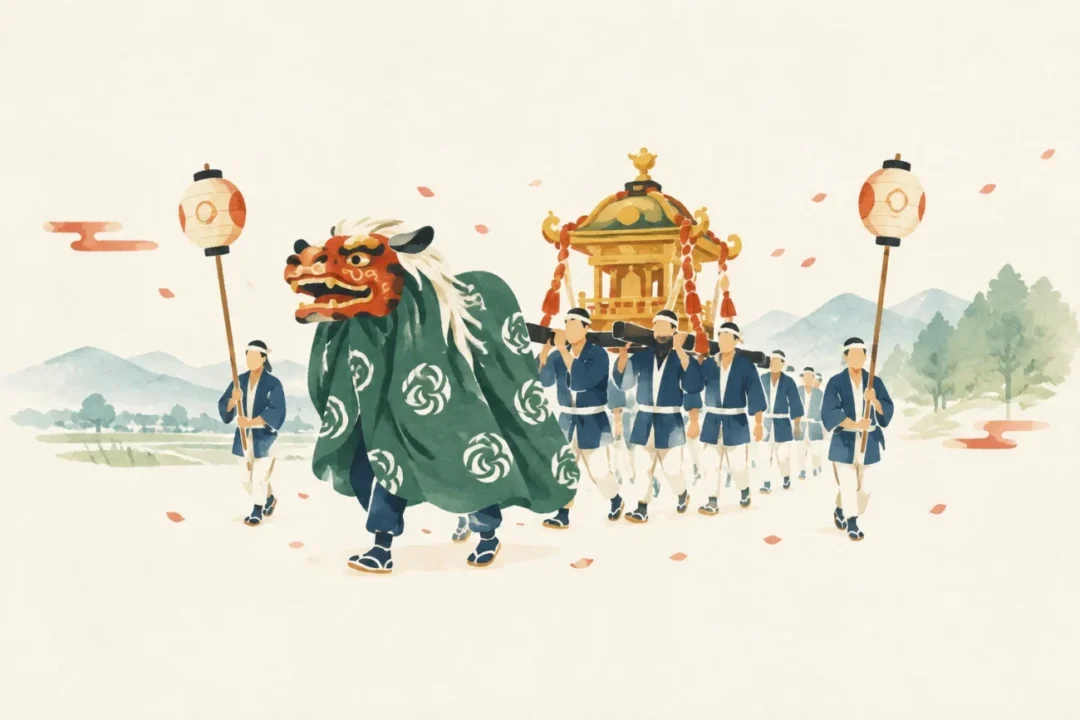
The mikoshi, , and of Inami Hachiman Shrine parade through Inami, a town known for woodcarving. and processions take place during the eve and main festivals, offering a close-up look at a local tradition passed down through generations.
About Yoiyasa Festival
The Yoiyasa Festival is a spring grand festival held at Inami Hachiman Shrine in the Inami district of Nanto.
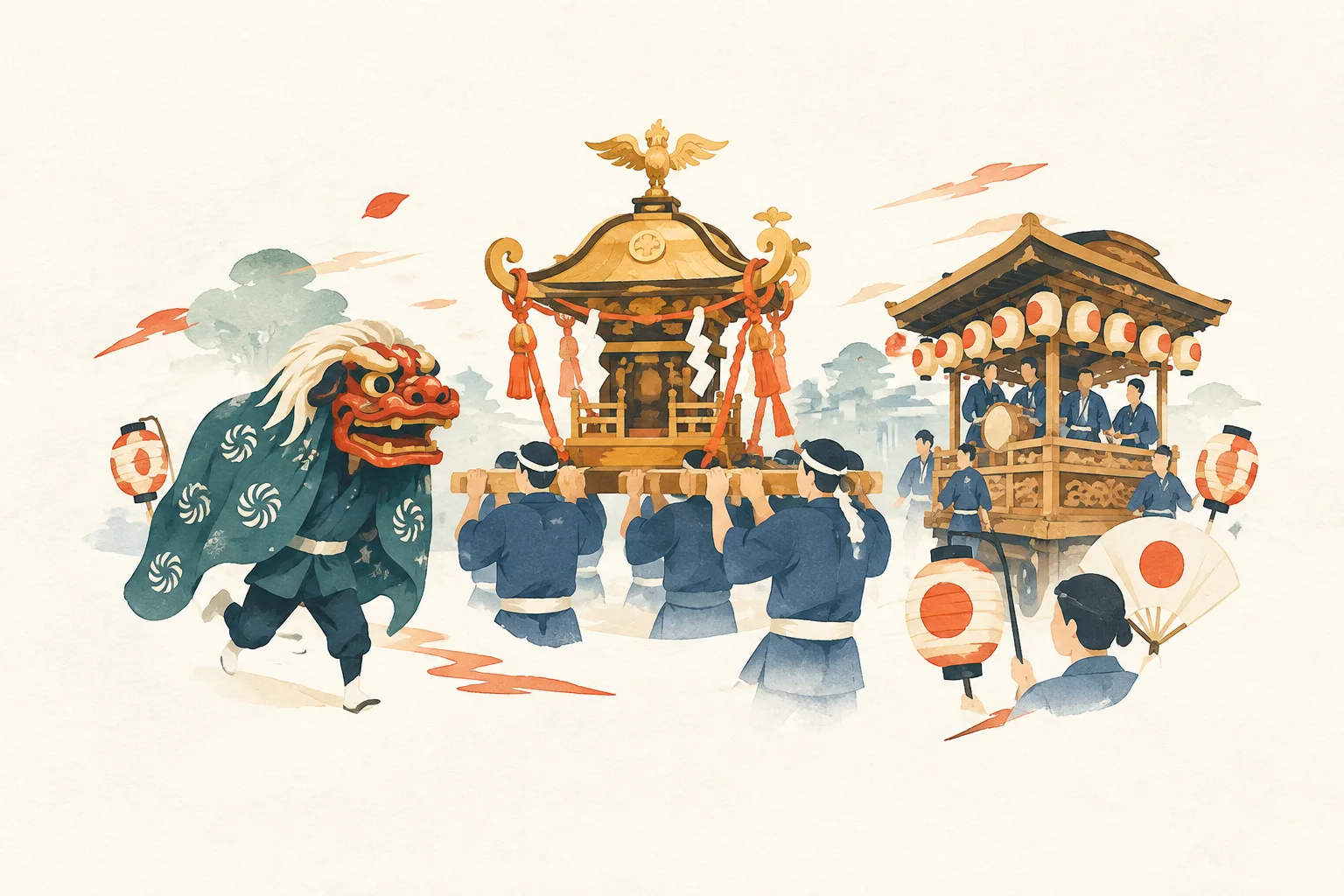
Mikoshi processions, lion dances, and dashi parades unfold through Inami’s streets and are closely connected to the culture of this area, known as a town of woodcarving.
The festival’s name is said to come from the chant “Yoiyasa, yoiyasa” called out when carrying the mikoshi.
Shinto rituals and processions through the town continue throughout the eve and main festivals.
Source: よいやさ祭り - Wikipedia / 井波よいやさ祭のスケジュール・みどころ|五箇山NANTO観光機構|富山県南砺市
Festival highlights
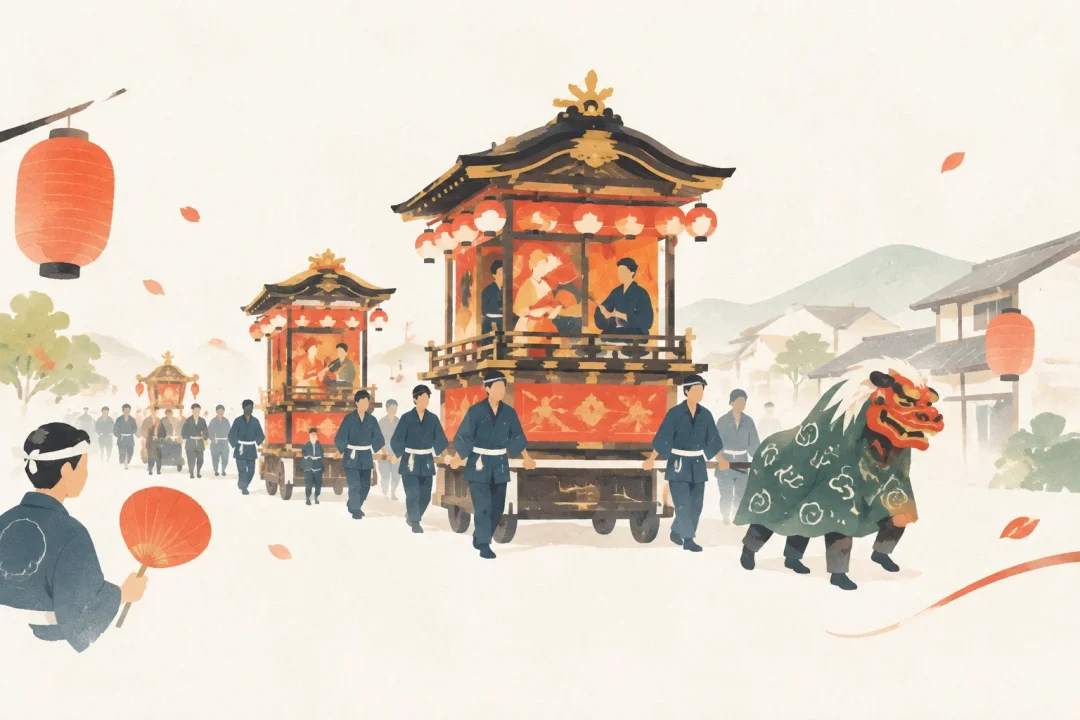
Highlights include the procession of 6 large and small mikoshi, 3 lions, and dashi through the town.
The large mikoshi carried by adults weighs over 1 ton each. A major turning point in the festival is when the mikoshi returns to Inami Hachiman Shrine in the evening, circles the , and enters the shrine.
The lion heads showcase the craftsmanship of Inami woodcarving, while dashi music and songs are performed on the dashi.
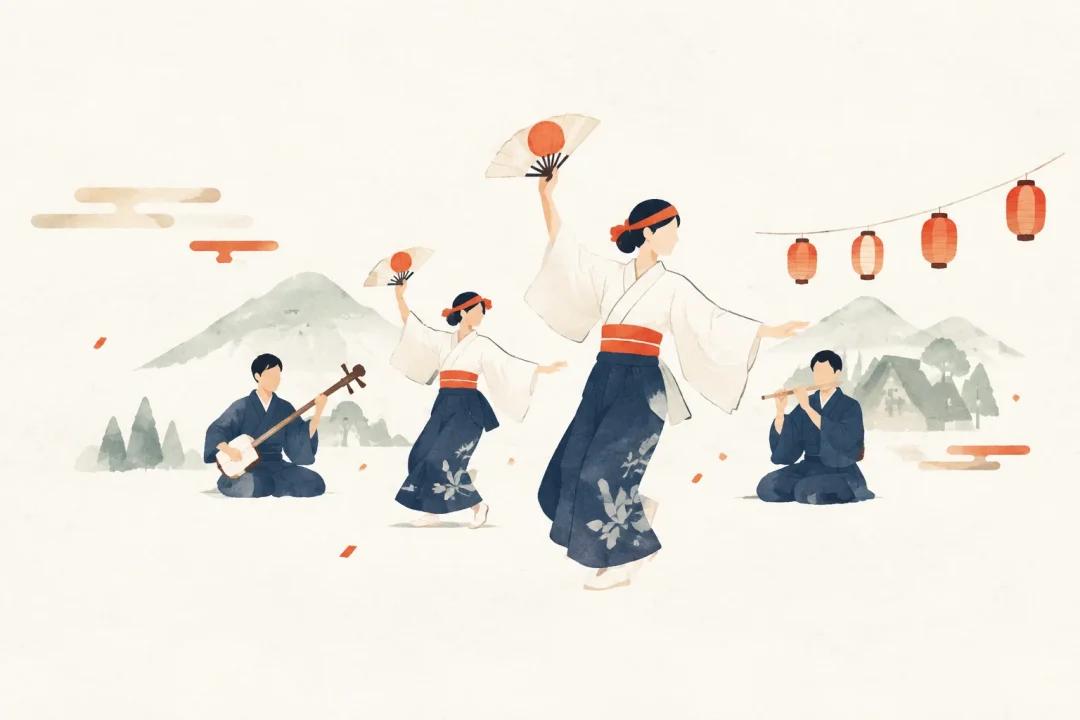
At the dance dashi from Nakashinmachi, you can also watch dancing on the stage.
Source: 井波よいやさ祭り(2026) | 1トン超の神輿が社殿に突入!富山・南砺市「井波よいやさ祭り」2026開催情報&見どころを解説 | 富山県南砺市 | いこーよとりっぷ
A spring festival with mikoshi and lion dances parading through a town of woodcarving
What to expect
During the eve festival, Shinto rituals are held at Inami Hachiman Shrine, and the sacred spirit is transferred to the mikoshi at the (temporary shrine). Lion dances, miko dances, and dashi music are also performed.
On the morning of the main festival, the lion dance parades, followed by the mikoshi and dashi proceeding through town.
In the evening, the mikoshi returns to Hachiman Shrine, circles the shrine grounds, and enters the shrine. The festival concludes with a final lion dance performance.
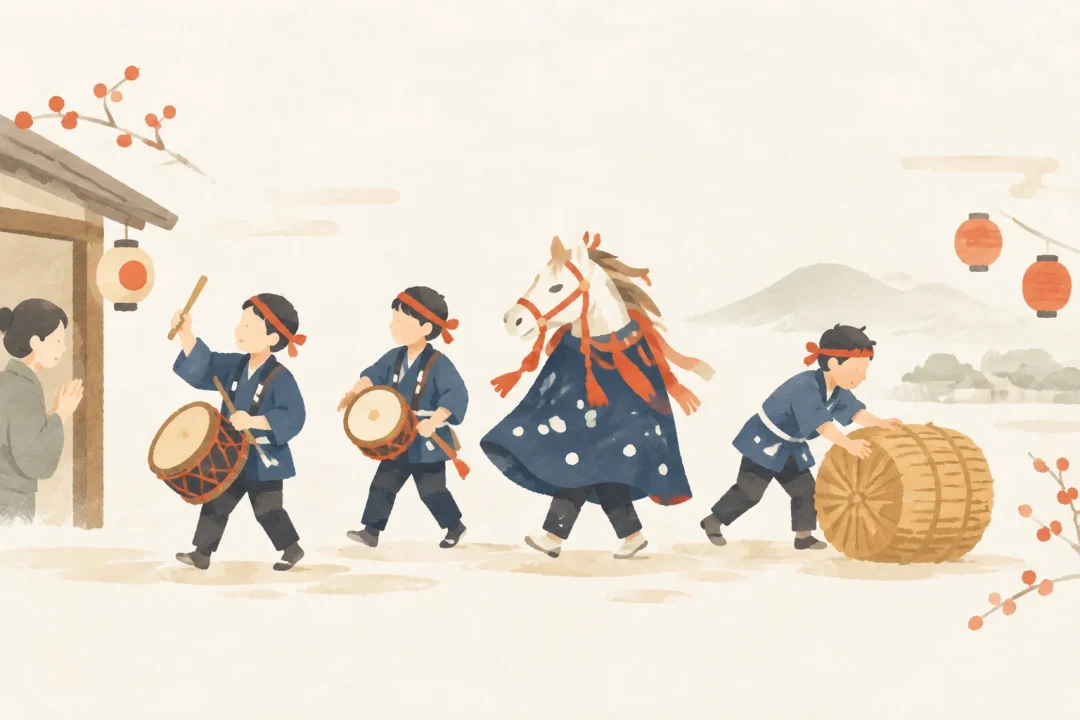
The dashi perform dashi songs in front of homes that have given a monetary offering.
How to take part
You can watch the festival, but the requirements for members of the public to carry a mikoshi vary by role.
In 2026, applications for carriers of the Hana Mikoshi, carried by women, were limited to women, and people from outside the area and first-time participants were also welcome.
Applications for this event have closed because the capacity has been reached. If you wish to participate in a future event, check whether applications are open and what the conditions are.
For the 2026 Hana Mikoshi, carriers were recruited from women only. Participants were to bring a black T-shirt, tight-fitting trousers, and jika-tabi, and could borrow a to take part.
Applications closed on March 18, 2026 after the capacity was reached.
Check the information for each festival edition for details on how to apply and the requirements for future events.
Source: 【参加費無料】女性が担ぐ「女神輿(みこし)」の担ぎ手を募集しています|井波よいやさ祭り(富山県南砺市) | 地域とつながるプラットフォーム スマウト (SMOUT)
Location and access
- Venue and address
Inami Hachiman Shrine and other locations throughout the Inami area and urban district.
Inami Hachiman Shrine is located at 3053 Inami, Nanto, Toyama Prefecture. The festival procession covers the urban area of Inami, Nanto, Toyama Prefecture.
- Train and bus
Take a bus bound for Inami from JR Hokuriku Shinkansen’s Shin-Takaoka Station or Ainokaze Toyama Railway’s Takaoka Station. Get off at Inami Elementary School and walk about 8 minutes.
- By car
About 15 minutes from Tonami IC on the Hokuriku Expressway or Fuk光 IC on the Tokai-Hokuriku Expressway.
- Parking
Parking available.
Check the event information for conditions of use and location.
Source: 【井波】井波よいやさ祭り | 旅々なんと|五箇山NANTO観光機構|富山県南砺市
Address 3053 Inami, Nanto, Toyama 932-0211
Dates and season
2026 event information (the dates listed have passed)
The 2026 event was scheduled for May 2 (Saturday) for the eve festival and May 3 (Sunday and a public holiday) for the main festival.
The eve festival features Shinto rituals, lion dances, and dashi music. On the main festival day, the lion dance procession in the morning is followed by mikoshi and dashi parading through town.
The listed event hours are from 8 a.m. to 6:30 p.m.
As an annual event, it is usually held in early May.
Accommodation and hotels PR
Showing nearby accommodation.
Prices and availability are current at the time of retrieval. For multi-night stays, only the first night’s price is shown. Confirm the final price and directions to the venue with the booking provider. Select your dates again when using the area search link. Search area: within 3 km of Central Toyama Prefecture / Nanto City (the search is not centered on the festival venue)
Tips for your visit
The procession travels throughout Inami’s urban area, so you’ll need to choose a viewing spot to suit the progress of the mikoshi, lion dances, and dashi.
According to the 2026 event information, venues and times differed between the eve and main festivals, with specified times for events such as the main festival’s mikoshi departure and lion dance procession.
The event details may change or be canceled, so check the latest event information before setting out.
Nearby attractions
Inami, where the festival takes place, is a region steeped in faith and woodcarving culture.
The Inami Tourist Guide describes Inami as “a home of faith and woodcarving with a history spanning more than 620 years.”
Along with the festival procession, enjoy sightseeing information about Inami’s townscape and woodcarving.
Source: 観光ガイド|五箇山NANTO観光機構|富山県南砺市

南砺市立福光美術館
日本の富山県南砺市にある公立美術館

福野文化創造センターヘリオス
富山県南砺市の博物館・美術館のスポットです。

高瀬神社
富山県南砺市高瀬にある神社
Origins and History of Yoiyasa Festival
The mikoshi procession of the Yoiyasa Festival is said to have begun in 1833 (Tenpo 4).
In 1393 (Meitoku 4), Inami Hachiman Shrine was established with the invitation of the deity from Iwashimizu Hachimangu Shrine in Kyoto. The festival has been passed down alongside the development of the town and the shrine’s history.
The schedule has changed over time; since 1968 (Showa 43), the festival has been held on May 3.
In recent years, efforts have also been made to involve local participants, including the revival of the Hana Mikoshi and dance dashi.
Official information
Event information is available from the Gokayama NANTO Tourism Organization’s tourism listings.
The 2026 event page lists Inami Hachiman Shrine and other locations as the venues, and the Nanto City Tourism Association Inami Kotsu Hiroba Tourist Information Center as the contact point.
If event details or transportation information change, check the latest updates from the organizers or tourist information center.
Yoiyasa Festival at a Glance
The Yoiyasa Festival is a spring grand festival in Inami, Nanto, where mikoshi, lion dances, and dashi parade through the urban area, centered around Inami Hachiman Shrine.
The large mikoshi weighing over 1 ton, lion heads carved in the Inami style, dashi music, and dashi songs come together to showcase local faith and woodcarving culture.
The 2026 event was scheduled for May 2 and 3, with different events to enjoy during the eve and main festivals.
Japanese Festivals.jp Editorial Team
Celebrating local culture and helping you discover a side of Japan you never knew.
Article updated: 2026/10/19
Submit information or a correction Submit photos of this festival