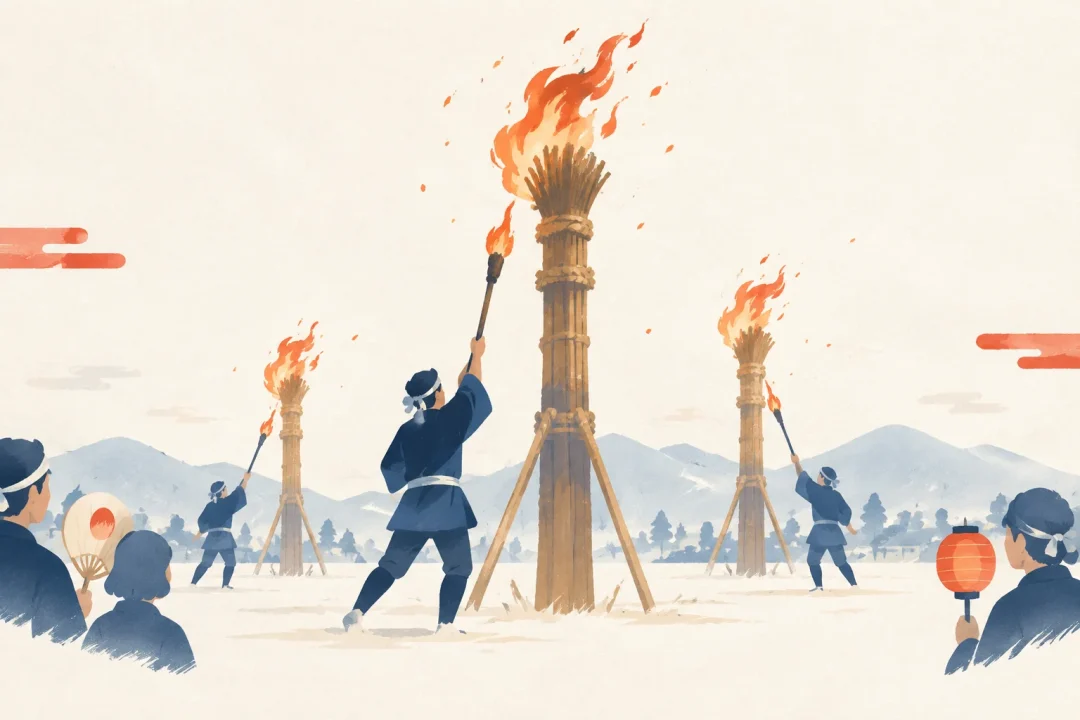
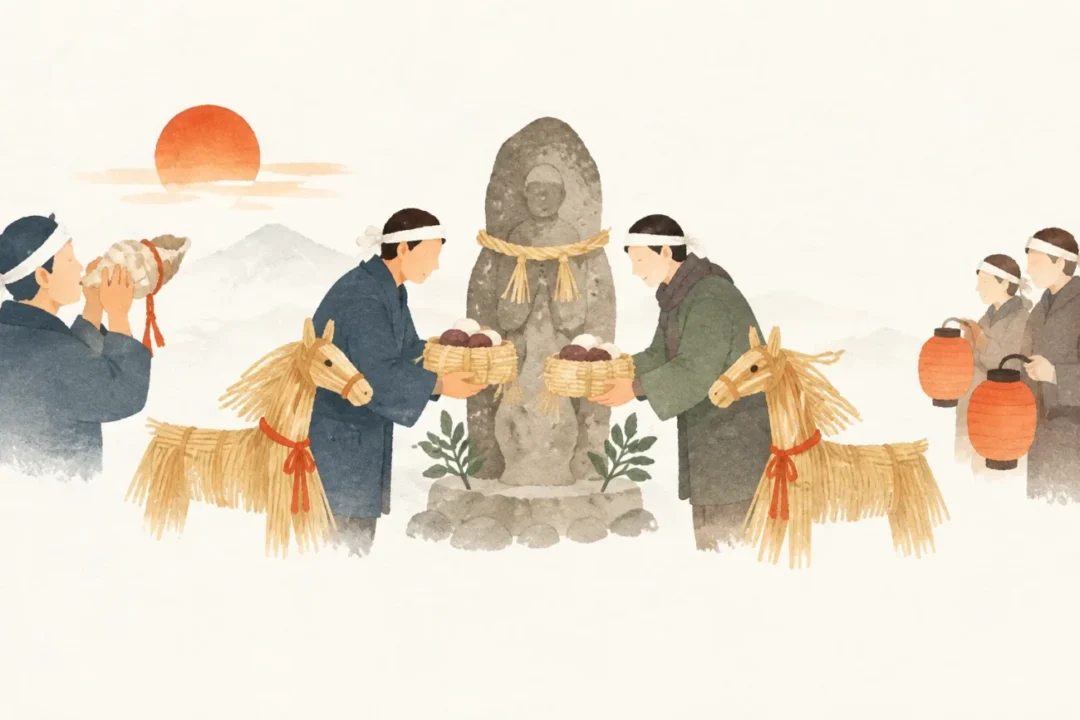
An unusual early-morning festival in Higashiseki, Myoko, where people pray for a good harvest with rice liquid
Higashiseki Karako Festival
Festival information
EVENT INFORMATION- Season / frequency
- Early in the morning of August 27 every year / Every year
- Location
- Suwa Shrine in Higashiseki
- Area
- Niigata Prefecture・Myoko City(From Tokyo: approx. 1 h 40 min–2 h 10 min · bullet train)Prefecture-level estimate to a main station or airport, not the venue. Airport access, check-in and onward travel are extra; remote areas and islands can take much longer.
- Features
- Wishes behind the festival
- Last updated
- 2026/10/24
At Suwa Shrine in Higashiseki, Myoko City, people sprinkle one another with rice liquid and pray for abundant harvests and freedom from illness and misfortune.
About Higashiseki Karako Festival
The Higashiseki Karako Festival is a festival passed down at Suwa Shrine in Higashiseki, Myoko City.
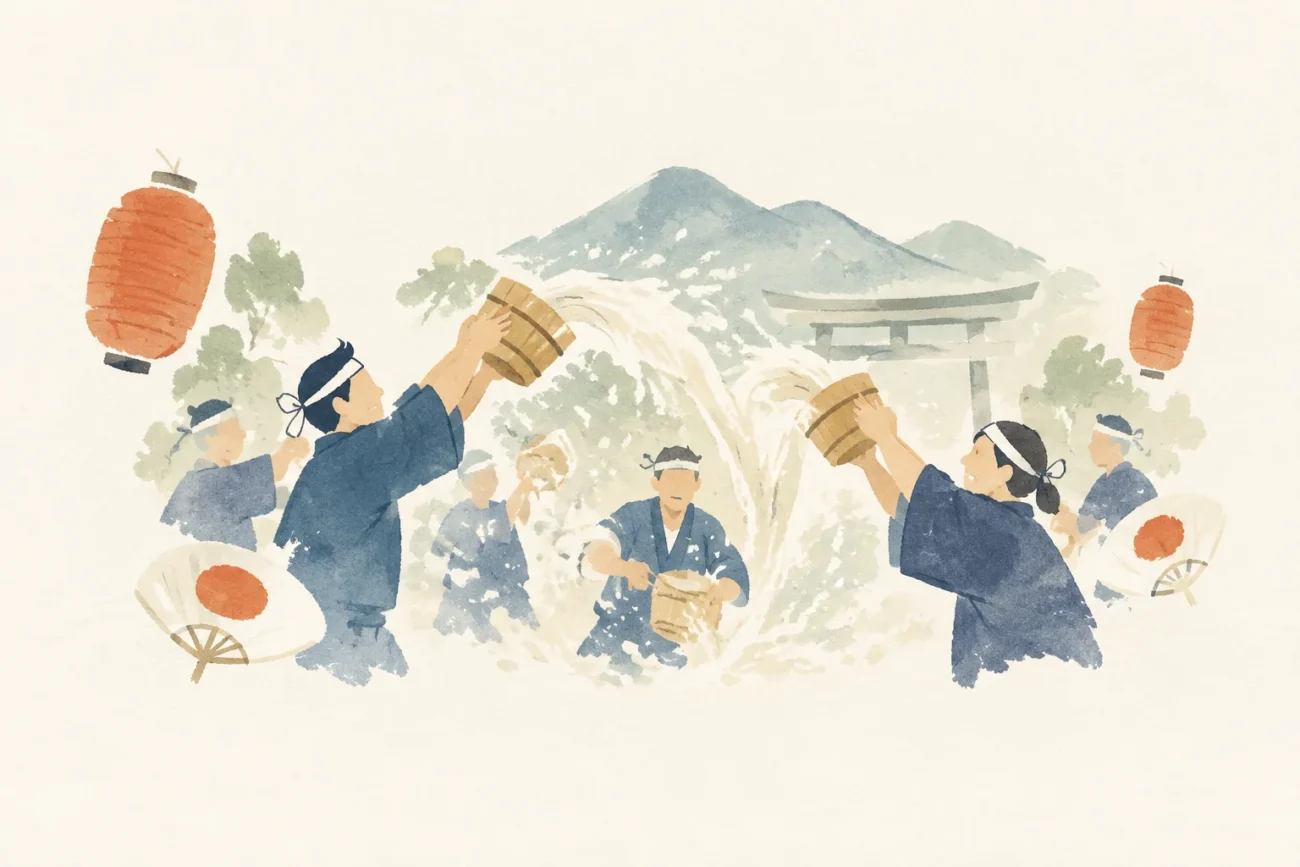
It is known as a distinctive local event in which people sprinkle one another with a rice liquid called “karako,” made by grinding rice into a milky consistency.
It is held early in the morning of August 27 every year, with prayers for abundant harvests and freedom from illness and misfortune.
Source: 妙高市歴史文化基本構想 | ドクセル
Festival highlights
The main highlight is a rice liquid called “karako,” made by grinding rice.
At the festival, people follow the distinctive custom of sprinkling this rice liquid on one another.
Another distinctive feature is that a form of prayer connected with farming has been passed down to the present as part of the Suwa Shrine festival.
An unusual early-morning festival in Higashiseki, Myoko, where people pray for a good harvest with rice liquid
What to expect
At the festival, rice ground into a milky liquid is called “karako.”
People sprinkle one another with karako and pray for abundant harvests and freedom from illness and misfortune.
Records state that the event is held early in the morning of August 27 every year at Suwa Shrine in Higashiseki.
Location and access
- Venue and address
Suwa Shrine in Higashiseki
Event venue 新潟県妙高市 東関の諏訪神社
This map uses the venue name. Check the official guide for the event area and entrances.
Dates and season
- Season
Early in the morning of August 27 every year
- Frequency
Every year
Accommodation and hotels PR
Showing nearby accommodation.
Prices and availability are current at the time of retrieval. For multi-night stays, only the first night’s price is shown. Confirm the final price and directions to the venue with the booking provider. Select your dates again when using the area search link. Search area: within 3 km of Central Niigata Prefecture / Myoko City (the search is not centered on the festival venue)
Origins and History of Higashiseki Karako Festival
The founding year of the Higashiseki Karako Festival and the details of how it began are not recorded in the sources available for confirmation.
Meanwhile, Myoko City’s Basic Concept for Historical and Cultural Resources identifies the Higashiseki Karako Festival as one of the customs and festivals associated with agriculture.
As part of the Suwa Shrine festival, the tradition of sprinkling one another with karako and praying for abundant harvests and freedom from illness and misfortune has been passed down.
Official information
The Higashiseki Karako Festival is introduced as one of Myoko City’s historical and cultural resources in the Basic Concept for Historical and Cultural Resources of Myoko City, compiled by the Myoko City Board of Education.
It describes the festival venue, timing, karako custom, and the content of the prayers.
Higashiseki Karako Festival at a Glance
The Higashiseki Karako Festival is held in the early morning of August 27 every year at Suwa Shrine in Higashiseki, Myoko City.
People sprinkle one another with a rice liquid called “karako,” made by grinding rice, and pray for abundant harvests and freedom from illness and misfortune.
Known as an unusual festival, it is recorded in the city’s Basic Concept for Historical and Cultural Resources as a local custom associated with agriculture.
Japanese Festivals.jp Editorial Team
Celebrating local culture and helping you discover a side of Japan you never knew.
Article updated: 2026/10/24
Submit information or a correction Submit photos of this festival